A Beginner's Guide to Vegan Fermented Foods
16 December 2025
If you’re dipping your toes into the world of fermented foods and plant-based living, then welcome — you’re in the right place. Vegan fermented foods are not just a trend; they’re a centuries-old practice that’s finally getting its well-deserved spotlight. With benefits like improved digestion, better gut health, and even boosted immunity, adding fermented foods to your lifestyle can be a game-changer.
But let’s face it — fermentation can sound a bit mysterious, even intimidating at first. It has a “science lab meets the kitchen” vibe, doesn’t it? But trust me, it’s way simpler (and way more fun) than it seems.
In this beginner’s guide, we’re going to break down everything you need to know about vegan fermented foods — from what they are, why they matter, how to get started, and even how you can make your own at home.
What Are Fermented Foods, Anyway?
Fermented foods are those that have undergone a process where natural bacteria or yeasts break down sugars and starches. This process — called fermentation — preserves the food and creates beneficial enzymes, probiotics, and even B vitamins.In simpler terms? Fermentation is nature’s way of turning good food into great food.
It’s like taking your average veggies and giving them a superhero cape made of flavor and gut-friendly bacteria.
Why Go for Vegan Fermented Foods?
Fermentation is everywhere — cheese, yogurt, kefir, pickles, sour cream, you name it. But hold on. Most of those are dairy-based or involve animal products. That’s where vegan fermentation takes the stage.Vegan fermented foods are plant-based versions of these probiotic-rich goodies. They’re just as tasty, just as good for you, and 100% cruelty-free.
Benefits of Vegan Fermented Foods:
- Gut Health: Packed with probiotics, these foods help balance your intestinal flora.- Improved Digestion: They help break down food more efficiently, reducing bloating and indigestion.
- Boosted Immunity: A healthy gut = a stronger immune system.
- Better Nutrient Absorption: Fermentation can increase the bioavailability of vitamins and minerals.
- Longer Shelf Life: Naturally preserved without synthetic additives.
The Most Popular Vegan Fermented Foods
Ready to stock your fridge with fermented goodness? Let’s start with a few staples you'll find in almost every vegan kitchen.1. Sauerkraut
Think of sauerkraut as the OG of fermented veggies. Made from shredded cabbage and salt, it’s tangy, crunchy, and loaded with probiotics.You can add it to sandwiches, salads, or just eat it by the forkful (no judgment here!).
2. Kimchi
This spicy Korean cousin of sauerkraut comes with a flavorful kick. Traditionally made with fish sauce, but vegan versions skip the animal products and still pack tons of umami.It’s excellent in rice bowls, wraps, or even on avocado toast.
3. Tempeh
Originating from Indonesia, tempeh is made from fermented soybeans. It has a nutty flavor and a dense texture — think of it as tofu’s firm, earthy sibling.Slice it, marinate it, and pan-fry it for a protein-rich meal.
4. Miso
This fermented soybean paste is your secret weapon for soups, sauces, and dressings. A little goes a long way with miso — it’s intense, savory, and full of depth.Make a quick miso soup, or stir it into hummus for an umami twist.
5. Kombucha
This fizzy, tangy tea has taken the health world by storm. Kombucha is made by fermenting sweet tea with a SCOBY (a symbiotic culture of bacteria and yeast).It’s refreshing, bubbly, and comes in a rainbow of flavors. But beware — not all kombuchas are vegan (some use honey), so always check the label.
6. Vegan Yogurt
Plant-based yogurts made from coconut, almond, soy, or oats can also be fermented. They offer the creamy texture of traditional yogurt with zero dairy.Perfect for breakfast bowls, smoothies, or as a tangy base for dressings.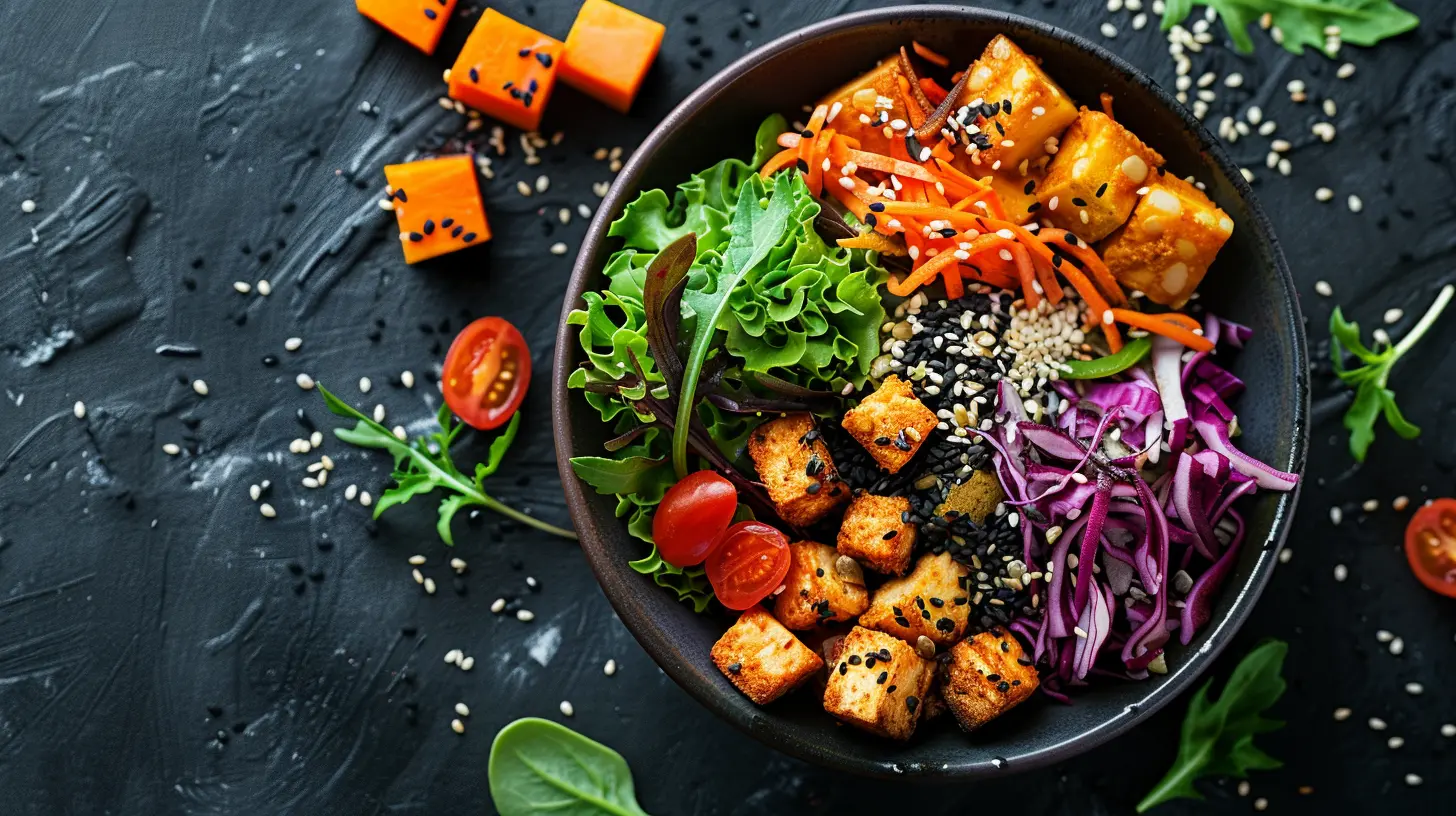
How Does Fermentation Work?
Alright, let’s get a bit nerdy for a second — don’t worry, no lab coat required.Fermentation happens when microorganisms (like bacteria or yeast) convert sugars into acids, gases, or alcohol. For our purposes, we’re mostly dealing with lactic acid fermentation. That’s where lactic acid bacteria gobble up the sugars and create that sour, tangy flavor we all love.
This process creates a hostile environment for bad bacteria (the spoilage kind) and encourages growth of the good bacteria (the probiotic heroes).
So in essence, fermenting is like inviting the good guys into your food, and locking the bad guys out.
How to Start Eating Vegan Fermented Foods
If you’re new to fermented foods, it’s best to start slow. These foods are powerful and your digestive system might need time to adjust.A Few Tips:
- Start Small: A spoonful of sauerkraut or a cup of kombucha a day is enough to get going.- Be Consistent: Regular consumption is key to seeing probiotic benefits.
- Mix It Up: Try different types to see what works for your gut and taste buds.
Remember, more is not always better. Overdoing it can lead to bloating or gas — not quite the vibe we’re going for.
How to Make Vegan Fermented Foods at Home
Ready to get your hands (and kitchen) a little dirty? Fermenting your own food is super satisfying, cost-effective, and healthier than store-bought versions (no weird preservatives or too much salt).Let’s go through a couple of beginner-friendly recipes.
Homemade Sauerkraut
You’ll need:- 1 medium green cabbage
- 1 tablespoon sea salt
Steps:
1. Slice the cabbage thinly.
2. Sprinkle with salt and massage until it gets juicy.
3. Pack it tightly into a clean jar, making sure it's submerged in its own juice.
4. Cover with a loose lid or cloth.
5. Let it sit at room temperature for 5-7 days.
6. Taste daily until it's sour enough for you, then refrigerate.
Boom. That’s it. You just made your first fermented food.
Easy Vegan Coconut Yogurt
You’ll need:- 1 can full-fat coconut milk
- Probiotic capsules (make sure they’re vegan)
Steps:
1. Pour coconut milk into a sterilized jar.
2. Open 2 probiotic capsules and mix in contents.
3. Cover loosely.
4. Let it ferment at room temperature for 24-48 hours.
5. Stir and refrigerate.
Enjoy it with fruit, granola, or just by itself.
What to Watch Out For
Not every fermentation is smooth sailing. Here are a few things to keep in mind as you start your journey:1. Mold
If you see fuzzy green, black, or white mold — toss it. Fermented foods should smell sour, not rotten.2. Cross-Contamination
Use clean utensils and jars to avoid introducing bad bacteria.3. Slow Adjustment
Your gut might need time to adjust. If you feel gassy or bloated, slow down and ease into it.Are Fermented Foods for Everyone?
Mostly, yes — but with a few exceptions.If you have histamine sensitivity, fermented foods might trigger headaches or allergies. Also, if you’re immune-compromised, talk to a doctor first. Better safe than sorry, right?
Vegan Fermented Foods You Can Buy
Not ready to DIY? No worries. There are plenty of vegan fermented goodies available in health stores and online.Look for:
- Raw sauerkraut (refrigerated section)
- Kimchi labeled “vegan”
- Miso paste (check for fish ingredients)
- Dairy-free yogurt with “live cultures”
- Kombucha (label should say "live cultures" or "raw")
Just watch out for sugar, preservatives, or animal-derived ingredients — they sneak in places you’d never expect.
So, Is It Worth It?
Absolutely. Vegan fermented foods are a powerhouse addition to any diet. They’re tasty, tangy, and teeming with health benefits. Whether you're going fully plant-based or just looking to level up your gut health, these foods check all the boxes.And the best part? They’re fun to make, easy to eat, and endlessly customizable.
So go ahead — grab a jar of sauerkraut, sip on some kombucha, or try your hand at homemade yogurt. Your gut (and taste buds) will thank you.
Final Thoughts
Starting your journey into vegan fermented foods doesn’t have to feel like a science project. It’s all about experimenting, enjoying the process, and tuning in to how your body feels. You don’t need a fancy setup, just a willingness to try something new.So open your pantry, wash some veggies, and get fermenting. You’re only a few simple steps away from unlocking a delicious world of flavor and wellness.
all images in this post were generated using AI tools
Category:
Vegan DietAuthor:

Laura Hudson
Discussion
rate this article
2 comments
Vireo Pace
This guide beautifully demystifies vegan fermented foods. It's inspiring to see such accessible options for enhancing gut health and flavor. Excited to explore these new culinary avenues!
December 28, 2025 at 3:42 AM
Laura Hudson
Thank you! I'm thrilled to hear you found the guide inspiring and accessible. Enjoy your culinary adventures with vegan fermented foods!
Zinnia McKibben
Explore diverse flavors and health benefits of vegan ferments!
December 19, 2025 at 4:36 PM
Laura Hudson
Thank you! Exploring vegan ferments truly offers a delicious way to enhance health and discover new flavors. Enjoy the journey!