Aromatherapy Basics: Scents for Stress, Sleep, and Focus
14 December 2025
Let’s be real—life’s a whirlwind. Between deadlines, errands, and trying to remember what on earth you walked into the kitchen for, stress isn’t just a visitor—it’s practically moved in. And if sleep is playing hard to get or your brain feels foggy more often than not, you’re far from alone. But here’s some good news: aromatherapy might be the secret weapon you didn’t know you needed.
Aromatherapy isn’t just about fancy spas or candles—it’s science and soul rolled into one beautiful, aromatic package. In this guide, we’re diving deep into the basics of aromatherapy, dealing with stress, sharpening focus, and finally catching some solid Zzz’s—all through the power of scent. Ready to sniff your way to better well-being? Let’s dive in.
What is Aromatherapy, Anyway?
Aromatherapy is the use of essential oils—those concentrated plant extracts—for therapeutic benefits. Think of it like nature’s own medicine cabinet, only it smells amazing. Whether you breathe them in, rub them on your skin, or add them to a bath, these oils interact with your body and mind in surprisingly powerful ways.How does it work? Your sense of smell is directly connected to the limbic system in your brain—the part that handles emotions, memory, and mood. So, when a scent hits you, it’s not just pleasant—it’s actually triggering emotional and physiological responses.
The Essentials of Essential Oils
Before we jump into the good stuff (like which oils are best for stress, sleep, and focus), let’s cover the basics.How Are Essential Oils Used?
- Diffusion: Pop a few drops into a diffuser and breathe in the magic.
- Topical Application: Mix with a carrier oil (like coconut or jojoba) and apply to the skin—just not directly!
- Inhalation: From steam bowls to personal inhalers, breathing in the scent can bring quick relief.
- Baths: Turn your tub into a spa with a few drops of oil mixed into a bath-safe base.
Important PSA: Not all essential oils are created equal. Always go for 100% pure, therapeutic-grade oils, and do a patch test before putting anything new on your skin.
Scents for Stress: Chill Out Without Tapping Out
We all know stress is a sneaky beast. It creeps up when we least expect it, and suddenly we’re snapping at our kids or forgetting the password we use for literally everything. Aromatherapy can help you hit the brakes and find your calm.1. Lavender – The OG Stress-Buster
Lavender is basically the queen of chill. It’s calming, soothing, and smells like a peaceful nap on a spring afternoon. Studies have shown that it can lower cortisol levels (that’s your stress hormone) and promote relaxation.Use it: Add a few drops to a diffuser while you work or put a couple drops on your pillow before bed. Bonus: It pairs beautifully with chamomile.
2. Bergamot – Sunshine in a Bottle
Bergamot has this citrusy scent that’s like bottled optimism. It’s uplifting and energizing but still calming—kind of like a gentle pep talk from a friend.Use it: Try diffusing it mid-afternoon when your energy dips or add it to your morning skincare routine (diluted, of course) for a fresh start.
3. Frankincense – The Deep Breather
Want to feel grounded? Frankincense is earthy, warm, and perfect for those moments when anxiety is trying to take over. It promotes deep, slow breathing, perfect for meditation or relaxation.Use it: Apply to your pulse points before a stressful meeting or add to a diffuser during yoga or journaling.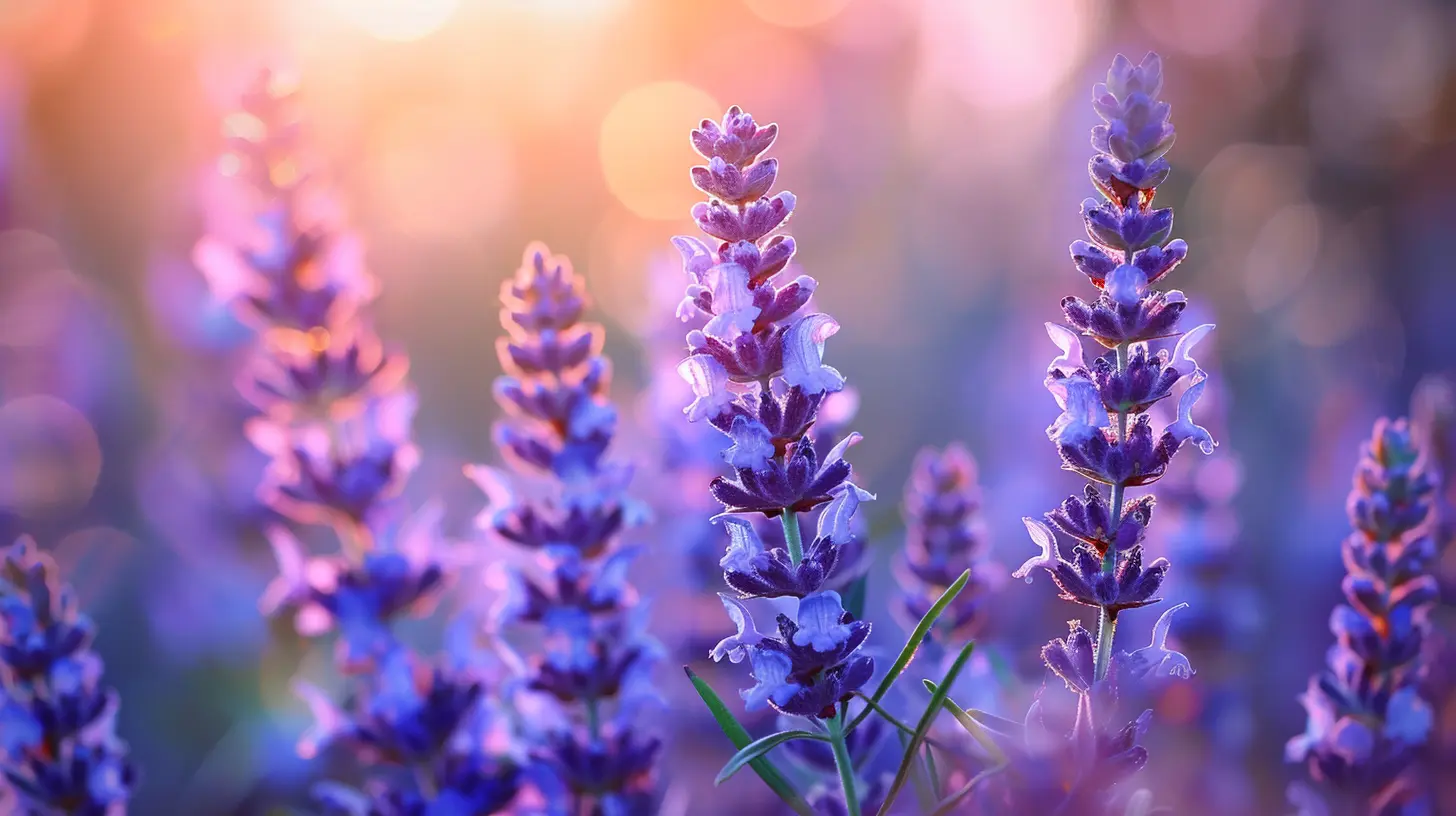
Scents for Sleep: Catching Zzz's the Sniffy Way
Insomnia isn’t just about tossing and turning; it’s about the racing thoughts, the endless to-do lists, the anxiety about not sleeping... and on it goes. Thankfully, certain essential oils can cue your brain to relax, unwind, and actually fall asleep.1. Chamomile – Like a Hug for Your Brain
Roman chamomile doesn’t just work in tea—it’s a knockout oil for calming your nervous system. If you’d describe your evening brain as “overthinking on steroids,” chamomile is your go-to.Use it: Rub diluted chamomile oil on your chest before bed or add it to a bedtime bath with Epsom salts.
2. Cedarwood – The Cozy Blanket of Scents
Earthy and woody, cedarwood promotes the release of melatonin, the hormone that helps regulate sleep. It’s grounding, comforting, and ideal if you struggle to settle down at night.Use it: Add to a diffuser in your bedroom or mix with lavender in a roller bottle for your wrists and temples.
3. Vetiver – Deep Sleep Mode: Activated
Vetiver is rich, smoky, and intense—but in a deeply relaxing way. It’s like the scent equivalent of sinking into a comfy mattress after a long day.Use it: Blend a drop with carrier oil and apply to the soles of your feet (yes, feet! It works) before bed.
Scents for Focus: Tune In, Don’t Black Out
Raise your hand if you’ve opened your laptop and somehow ended up 45 minutes deep into cat videos. Yeah, focusing isn’t easy. When you need your mental game on point, certain scents can clear mental clutter and keep distractions at bay.1. Peppermint – Brain Fog Begone
Peppermint is sharp, fresh, and kind of like a slap in the face—but in a good way. It boosts energy, wakes up your brain, and helps improve concentration.Use it: Diffuse it in your workspace or sniff it straight from the bottle for a quick pick-me-up.
2. Rosemary – The Memory Booster
Did you know rosemary has been shown to improve memory and cognitive function? It’s herbal, slightly minty, and perfect for study sessions or intense workdays.Use it: Combine with lemon or peppermint in a diffuser when you need to get in the zone.
3. Lemon – Liquid Sunshine for Your Brain
Lemon is uplifting, fresh, and great for reducing brain fatigue. It not only boosts energy but also improves mood—so you tackle tasks with a smile instead of a sigh.Use it: Add to your diffuser in the morning to start your day right or put a few drops in a DIY room spray.
Aromatherapy Safety: Don’t Skip This Part
Okay, before you go mixing oils like a mad scientist, let’s talk safety:- Always dilute essential oils before applying them to your skin.
- Some oils aren’t safe during pregnancy or for young kids—do your homework.
- Quality matters. Look for oils that are 100% pure, with no fillers or synthetic ingredients.
- Store oils in a cool, dark place—they’re delicate little things.
And remember: essential oils are powerful. A drop or two is often plenty.
Creating Your Own Aromatherapy Routine
The beauty of aromatherapy is in its flexibility. You don’t need a huge collection of oils or a degree in herbal medicine. Here’s how to build your own routine:1. Pick Your Purpose: What do you need help with—stress, sleep, or focus?
2. Choose Your Oils: Grab one or two from the lists above.
3. Decide How to Use Them: Diffuser, rollerball, bath? Go with what fits your day.
4. Stick With It: Aromatherapy works best when used consistently over time.
5. Mix It Up: Try new blends and combos until you find what lights you up.
Example routine:
- Morning – Lemon + Rosemary in the diffuser to kickstart your focus.
- Afternoon – A whiff of peppermint when that 3 PM slump hits.
- Evening – Lavender + Cedarwood before bed to wind down and sleep tight.
Final Thoughts: Breathe In, Feel Better
Let’s face it—life is hectic. But you don’t need to overhaul your entire existence to feel more grounded and in control. With just a few drops of the right scent, you can shift your whole mindset. Whether you're calming your nerves, boosting your concentration, or diving headfirst into dreamland, aromatherapy offers a natural, powerful way to support your well-being.So go ahead—trust your nose. It just might know exactly what you need.
all images in this post were generated using AI tools
Category:
WellnessAuthor:

Laura Hudson
Discussion
rate this article
2 comments
Damien McKenzie
This article effectively highlights the profound impact of aromatherapy on well-being. By connecting specific scents to stress relief, improved sleep, and enhanced focus, it underscores the potential of essential oils as complementary tools in holistic health practices.
December 19, 2025 at 4:36 PM
Laura Hudson
Thank you for your insightful comment! I'm glad you found the article informative and appreciate the connection between scents and well-being.
Victor Sharp
Embrace the power of aromatherapy! Transform your space with scents that elevate your mind, soothe your soul, and enhance focus.
December 14, 2025 at 3:53 AM
Laura Hudson
Thank you! Aromatherapy truly has the ability to enrich our environments and well-being. Explore the scents that resonate with you!