Bone Health and the Aging Process: What You Need to Know
26 June 2026
Aging. It’s the one club we’re all involuntarily signed up for—and the membership perks aren’t always glamorous. Sure, you get wisdom, experience, and maybe a senior discount or two. But you also get creaky knees, a back that sounds like bubble wrap when you stretch, and bones that aren’t quite as sturdy as they used to be.
So, what’s the deal with bone health as we age? More importantly, what can we do to keep our skeletons strong, no matter how many candles are on the birthday cake?
Grab your favorite mug of tea (or bone broth, if you’re feeling on-theme), and let’s dig into bone health and the aging process—because keeping your bones in shape is the foundation (literally) of living well.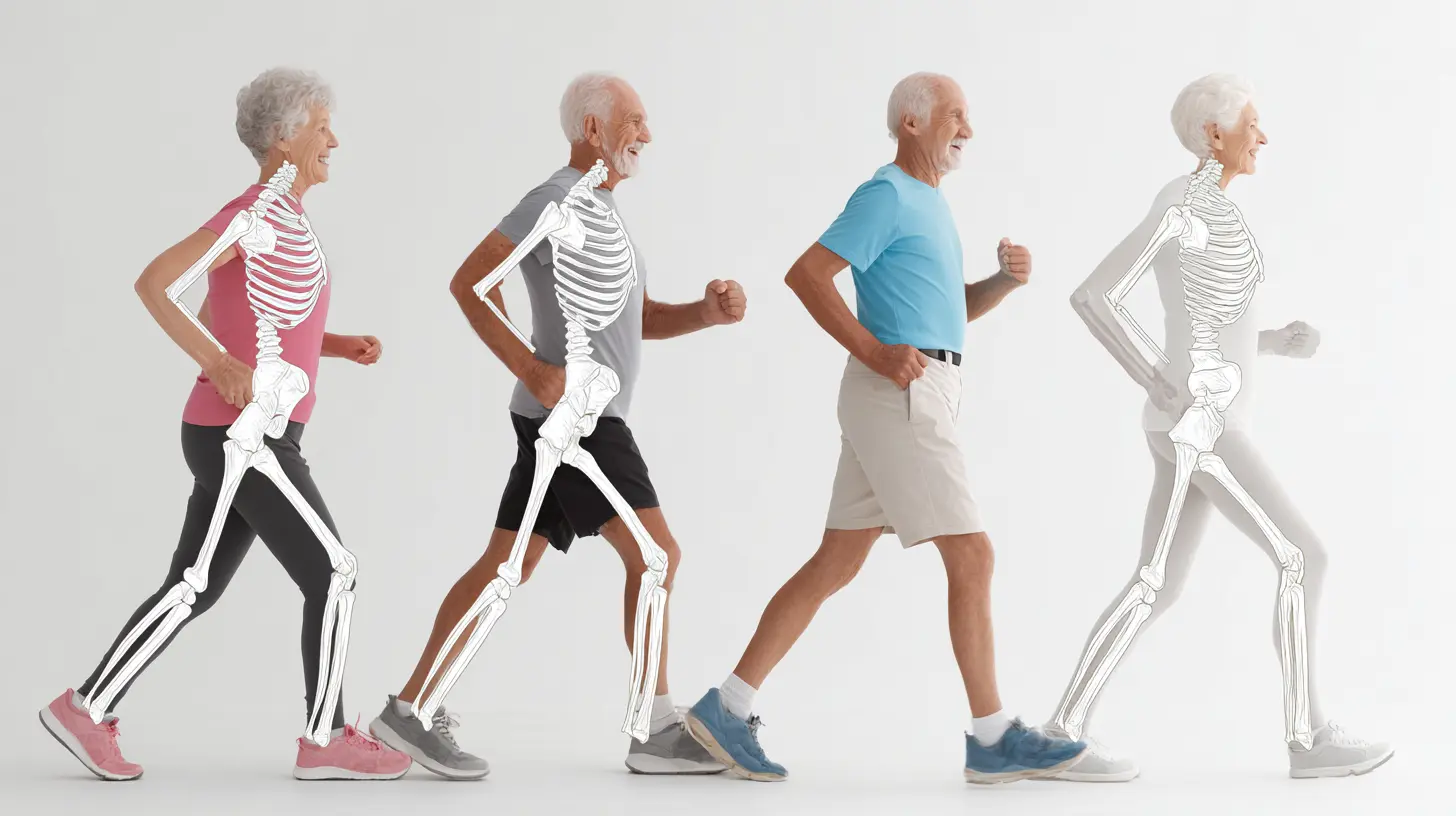
Why Bones Matter (They’re Literally Holding You Up)
Think of your skeleton as the scaffolding of your body. It’s not just there to keep you upright like a human tent pole—it also protects vital organs, stores minerals like calcium and phosphorus, and produces blood cells. Not bad for something most of us forget is even there, right?But as we get older, this incredible framework loses some of its oomph. The process is natural, but that doesn’t mean we have to surrender to brittle bones and fractures. Let’s break it all down (not your bones, though—those should stay intact).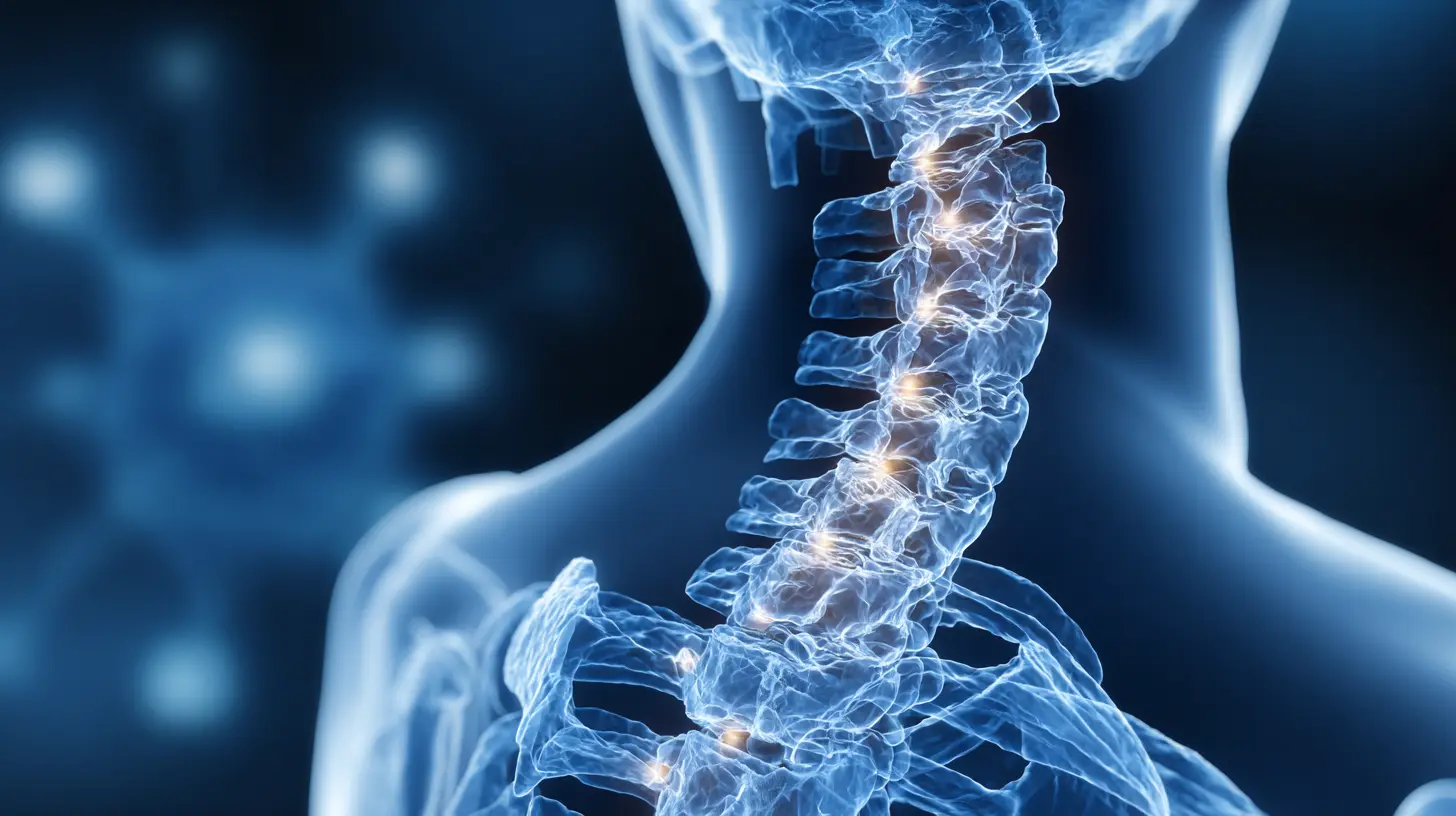
Bone Basics: What’s Going On Inside?
Before we talk aging, let’s talk structure. Your bones are living tissues. They’re constantly being broken down and rebuilt in a process called remodeling. When we’re young, the building part outweighs the breakdown. That’s why kids heal from fractures fast and can seemingly fall down stairs and be fine by dinner.But here’s the catch: Somewhere around age 30, that balance starts to shift. Bone breakdown begins to outpace bone rebuilding. It’s like your body's construction crew goes on strike.
This is where things like osteopenia (low bone mass) and osteoporosis (a disease that makes bones thin and fragile) start to sneak in. Spoiler alert: They’re not fun houseguests.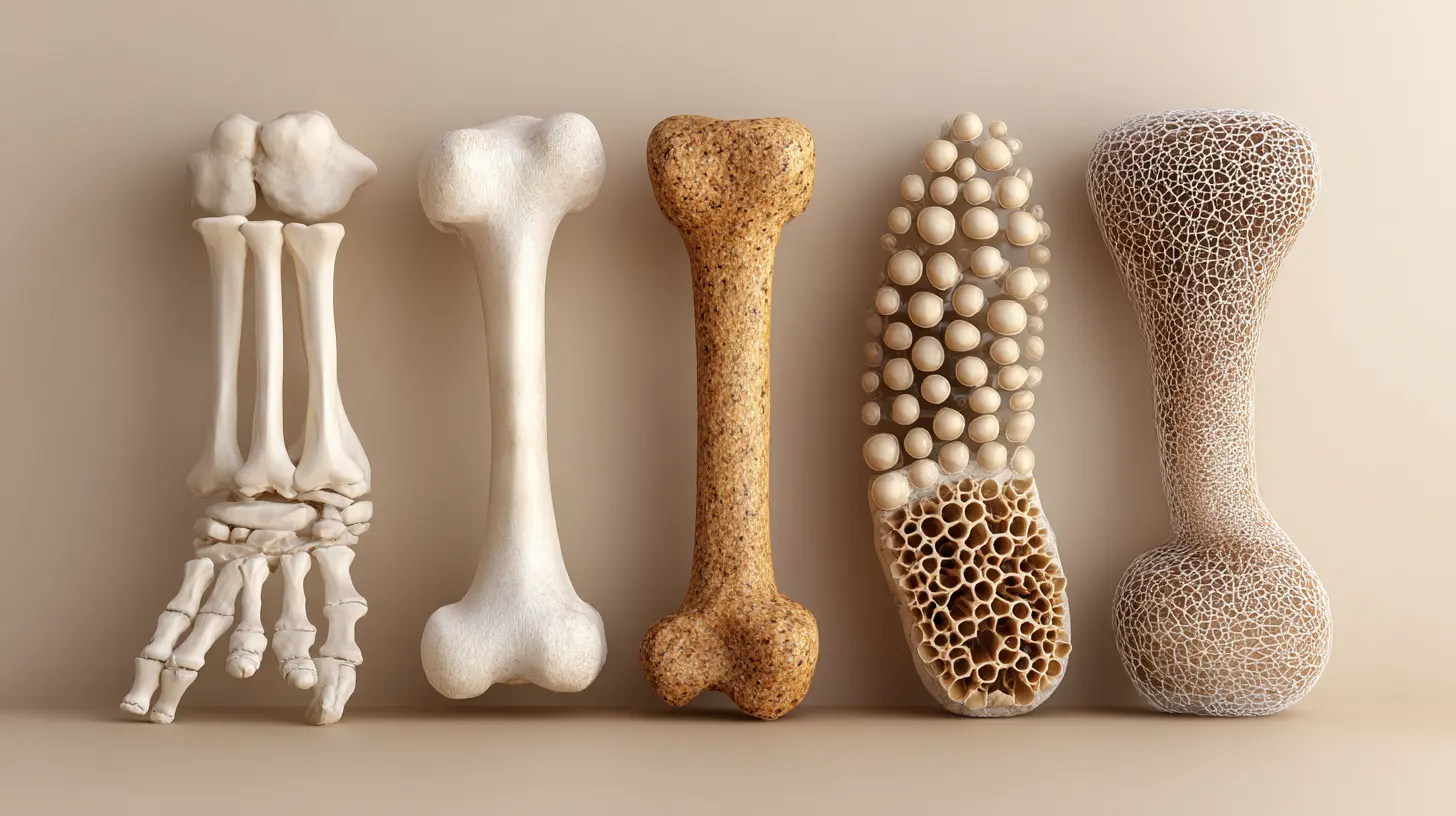
Signs Your Bones Might Be Slacking
Most people don’t realize their bones are weakening until something cracks—literally. Here are a few red flags:- You’ve shrunk an inch or two (and it’s not just your posture).
- Your posture is starting to resemble a question mark.
- You’ve had a fracture from something that shouldn’t have broken anything—like a minor fall or sneezing too hard.
If any of these sound familiar, it might be time to give your skeleton some TLC.
The Culprits: Why Bone Health Gets Funky with Age
Let’s point some fingers (in a gentle, non-judgmental way). Here’s what contributes to bone loss as we age:1. Hormonal Changes
For women, menopause is the biggest bone thief in the room. Estrogen helps keep bones dense, and once it drops, bone loss speeds up faster than a Black Friday checkout cart.Men aren’t off the hook either. Testosterone decline (hello, andropause) also affects bone mass, just a tad more subtly.
2. Lack of Exercise
Sitting might be the new smoking, but it’s also the new osteoporosis. Weight-bearing and resistance exercises stimulate bone growth. So if your workouts are limited to walking to the fridge... we’ve got a problem.3. Poor Nutrition
Calcium and vitamin D are the dynamic duo of bone health. If your diet is more “drive-thru” than “dairy and greens,” your bones might be hungry.4. Medications and Medical Conditions
Some medications—like steroids—can weaken bones. Certain health conditions, such as rheumatoid arthritis, thyroid disorders, or gastrointestinal issues, don’t do your skeleton any favors either.Protecting Your Precious Bones: What You Can Actually DO
Okay, enough doom and gloom. Let’s talk game-plan. There’s plenty you can do to keep your bones boss-level strong as you age.1. Eat Like You’ve Got a Skeleton to Feed
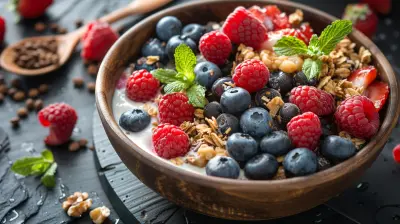
Here’s a bone-friendly grocery list:- Calcium-rich foods: Think dairy, leafy greens, almonds, sardines (yes, really).
- Vitamin D sources: Fatty fish, fortified foods, and that glorious thing called sunlight.
- Magnesium & Vitamin K: Found in nuts, seeds, avocados, and broccoli.
Pro Tip: Pair calcium with vitamin D—they’re like Batman and Robin for bone building.
2. Move It or Lose It (Literally)
Not all exercise is created equal when it comes to bones. Focus on:- Weight-bearing exercises: Walking, jogging, dancing—even hiking with your neighbor’s dog.
- Resistance training: Lifting weights (even light ones) builds strength and bone density.
- Balance work: Yoga or tai chi can reduce your fall risk—and trust me, your bones appreciate that.
If exercise sounds as appealing as a broccoli smoothie, start small. Even a daily walk is a bone-boosting win.
3. Kick the Bone-Busting Habits
Some things are just bad bone juju:- Smoking: Lowers estrogen and calcium absorption. Skeletons hate it.
- Excessive alcohol: Interferes with vitamin D activation and throws off balance—literally and figuratively.
- Caffeine and soda overload: Can increase calcium excretion. Enjoy in moderation.
4. Get Regular Bone Checkups
You don’t have to wait for a fracture to bring your bones into the spotlight. A bone density test (DEXA scan) can give you a snapshot of your bone condition.Talk to your doctor if you:
- Are over 50
- Have a family history of osteoporosis
- Have experienced any fractures or bone injuries
Knowledge is power, folks.
Supplements: Hero or Hype?
Let’s answer the million-dollar supplement question. Yes, calcium and vitamin D supplements can be beneficial—but they’re not magic pills.Here’s the skinny:
- Don't exceed recommended doses.
- Look for high-quality, reputable brands.
- Supplements should fill gaps, not replace a healthy diet.
And please, don’t go full supplement-shelf at the health store without talking to a healthcare pro. That’s like trying to fix a leaking pipe with glitter—it might look fancy, but it's not doing the job.
The Gender Bone Gap: Why Women Are More Affected
It’s true—women have it a bit tougher when it comes to bone health. That pesky menopause stage causes bone density to drop rapidly due to estrogen’s exit stage left.In fact, women can lose up to 20% of their bone density in the five to seven years post-menopause. That’s massive.
But before anyone panics: with the right care, you can stop and even reverse some of this loss. Hormone therapy, lifestyle changes, and supplements can all help. Just don’t ghost your doctor—this is where teamwork wins.
Aging Gracefully (and With Strong Bones)
Aging doesn’t have to mean breaking down—especially not literally. With a dash of awareness, a pinch of movement, and a heaping spoonful of good nutrition, you can keep your bones dancing long after the music has stopped.Your future self—climbing stairs, carrying groceries, and showing off killer yoga poses—will thank you.
Let’s Wrap It Up (Before Our Joints Do)
So, what's the main takeaway? Bone health isn't just a "later in life" concern—it's a forever kind of relationship. Whether you're 29 or 79, your bones deserve love and attention.Treat them right with:
- Smart eating
- Regular movement
- Healthy habits
- And a bit of medical check-in magic when needed
After all, strong bones aren’t just about avoiding fractures—they’re about maintaining independence, mobility, and the freedom to live life on your terms.
Now go lift something heavy! (Responsibly, of course.
all images in this post were generated using AI tools
Category:
Healthy BonesAuthor:

Laura Hudson
Discussion
rate this article
1 comments
Quentin Abbott
Maintaining strong bones is crucial as we age. Focus on nutrition, exercise, and regular check-ups to support your bone health.
June 29, 2026 at 4:12 PM