Bone Health Basics Every Women Should Know
16 July 2026
Let’s be honest—bone health isn’t exactly the hottest topic in conversations. But here’s the kicker: it absolutely should be. Your bones are the literal foundation of your body, and if you don’t take care of them, you’re setting yourself up for a shaky future. And for women? The stakes are even higher.
Yep, women are far more prone to bone issues, especially as they age. If the words osteoporosis, calcium, or bone density haven’t crossed your radar yet, it's time to change that. Whether you're in your twenties or hitting your fifties, the time to care for your skeleton is right now—not when you’ve already broken a hip or shrunk two inches.
So, let’s dive into the bone health basics every woman should know. We’re stripping it all down in a casual way (with zero medical jargon overload!).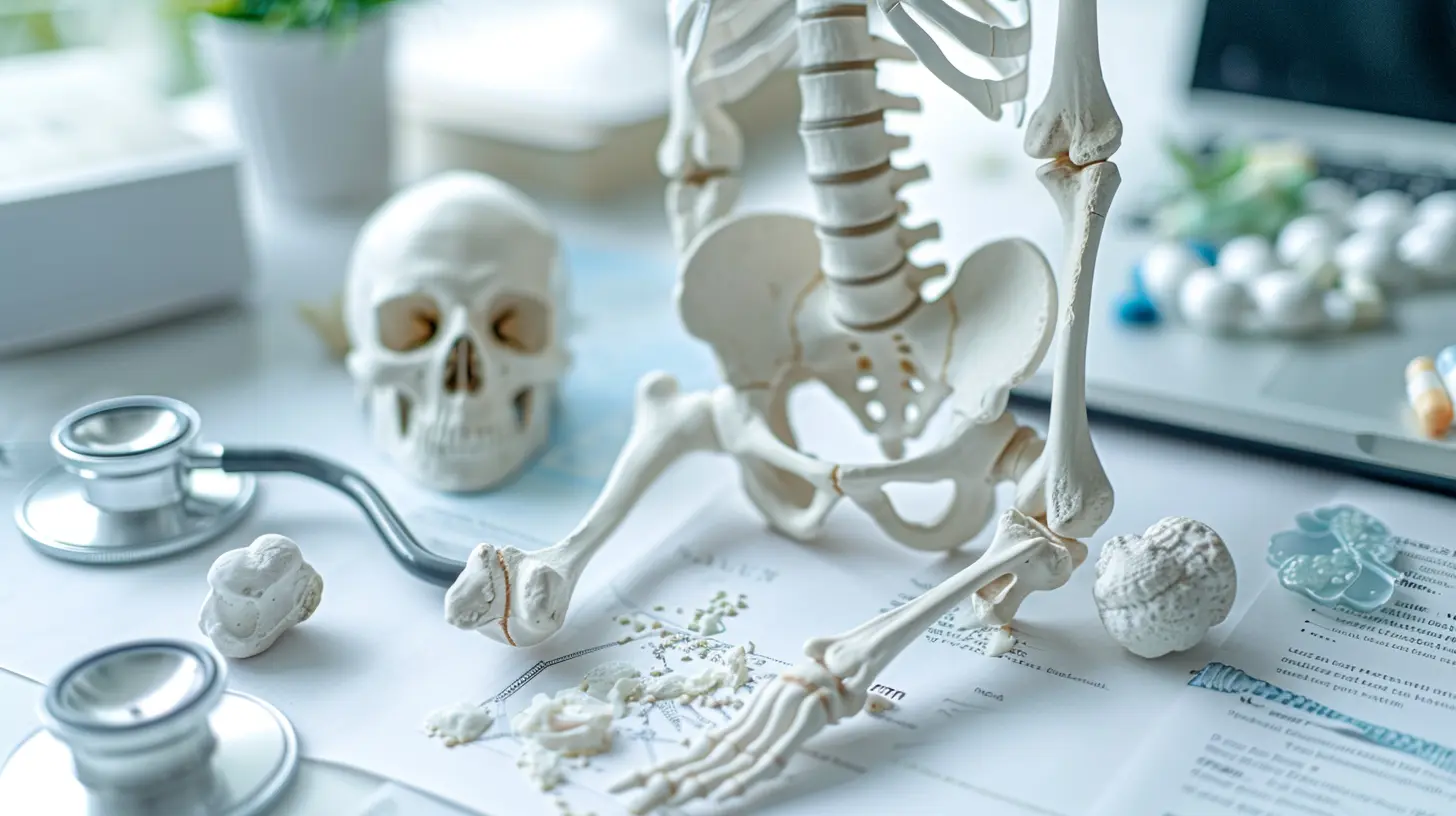
Why Should Women Prioritize Bone Health?
Here’s the deal: Women have a higher risk of osteoporosis than men—up to four times higher. That’s not a scare tactic; it’s science. Estrogen, the hormone that helps protect your bones, drops significantly during menopause. Once that happens, bone loss speeds up like a car with no brakes.Still think it’s not a big deal? Think again.
Fractures from weak bones aren’t just painful—they can severely limit your mobility, independence, and quality of life. That hip fracture in your 70s? It didn’t come from nowhere. It started decades earlier when bone loss silently crept in.
Bottom line: Prevention is easier (and way less painful) than treatment later on.
What Is Osteoporosis Anyway?
Osteoporosis literally means “porous bones.” Imagine your bones as a honeycomb. In healthy bone, that honeycomb structure is tight and dense. In osteoporotic bone? The holes are bigger, and the structure is weaker—kind of like a stale sponge.It doesn’t happen overnight. It’s a slow and sneaky disease—often called the “silent thief”—because you can lose bone density for years without any symptoms, until one day you trip over your cat and break a wrist.
Scary, right? But the good news is, you can do a LOT to keep those bones solid and strong.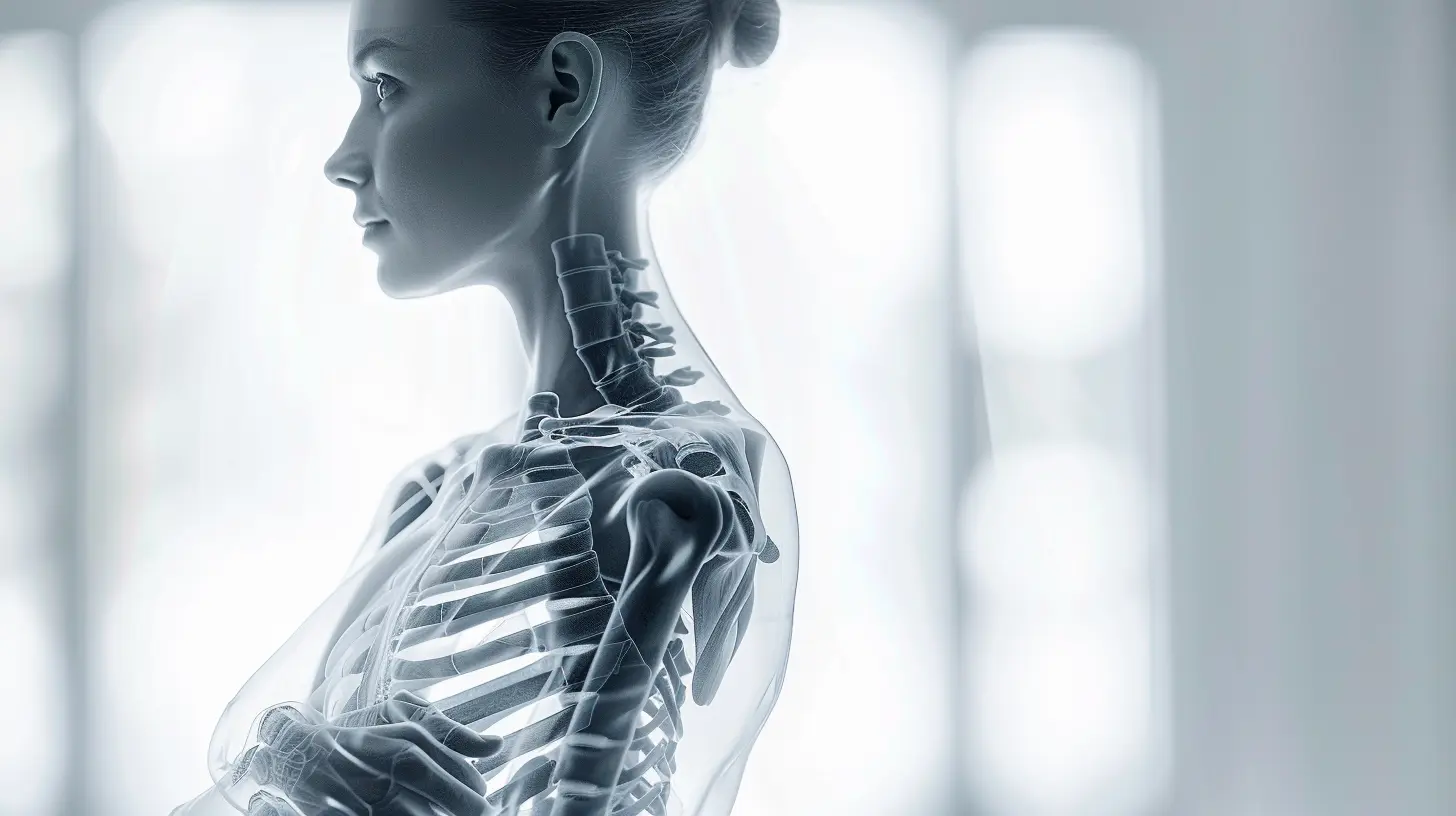
Bone Formation 101: What Builds Strong Bones?
Before we jump into all the things you should or shouldn’t do, let’s understand how bones actually grow.Bones aren't static. They're living tissue that constantly breaks down and rebuilds. This process is called remodeling.
- In your 20s: Bone-building activity is at its peak. You’re basically at your bone prime.
- By your 30s: You hit what's called peak bone mass.
- After 40: Bone breakdown starts to outpace bone building.
So ideally, the more you invest in your bones early on, the more you have “in the bank” later in life. Makes sense, right?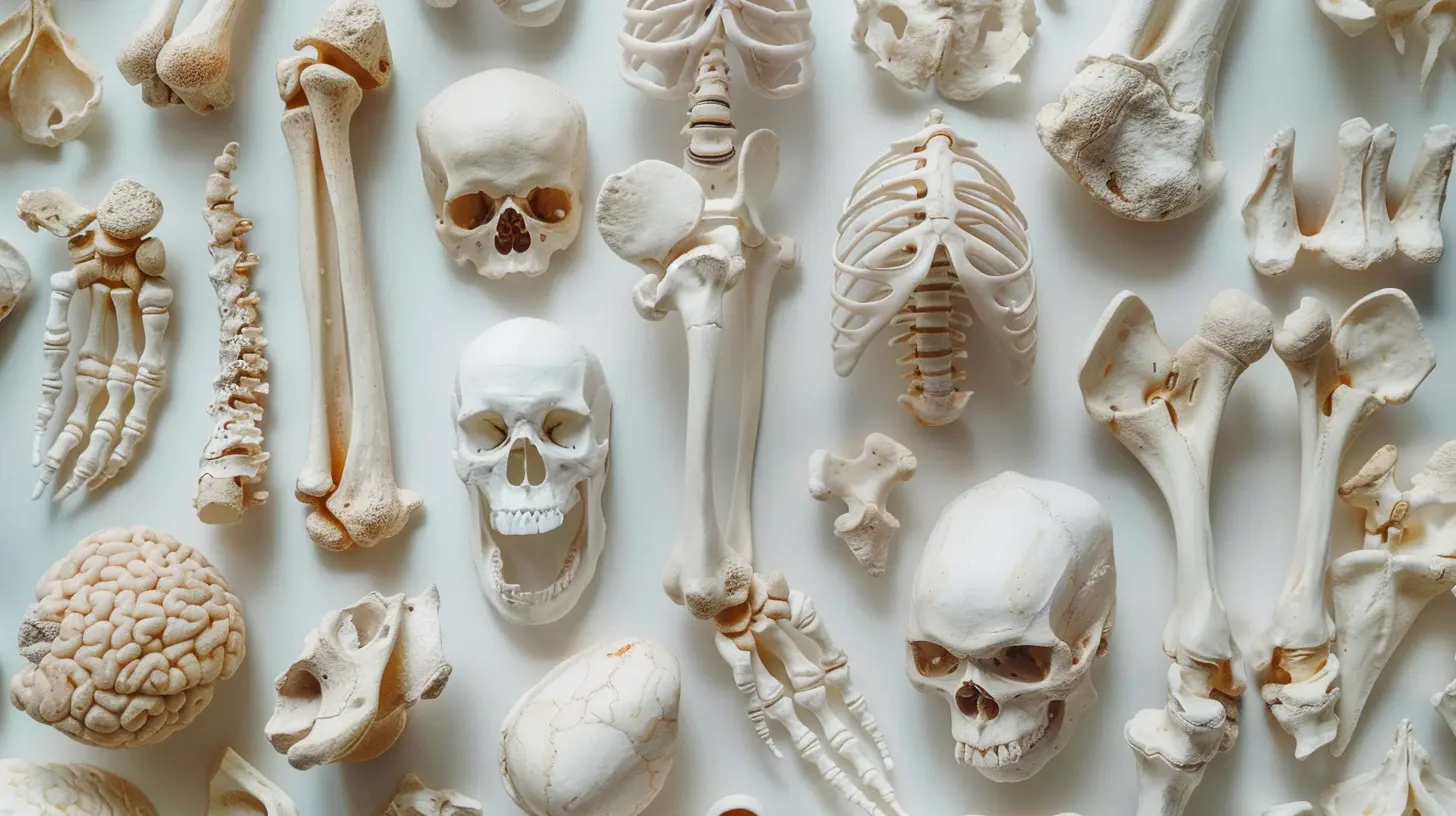
Common Bone Health Issues Women Face
It’s not just osteoporosis. Women are more prone to issues like:- Osteopenia – Think of it as the “yellow light” before osteoporosis.
- Vitamin D deficiency – Super common, especially if you’re not in the sun much.
- Calcium deficiency – Surprise! Many women don’t eat enough calcium-rich foods.
- Postmenopausal bone loss – Estrogen dips, bone issues rise.
Warning Signs of Poor Bone Health
Most of the time, there are no red flags… until it’s too late. That said, a few potential warning signs include:- Loss of height over time
- Fragile or brittle nails
- Sudden fractures, especially in the hip, spine, or wrist
- Back or neck pain (could be collapsed vertebrae)
- Receding gums (yes, really—your jawbone loses density too!)
If you’ve noticed any of these, it’s seriously time to get your bones checked out.
How to Keep Your Bones Strong (At Any Age)
Alright, enough of the doom and gloom. Let’s talk game plan. You’re not powerless here—far from it. There are practical, doable things you can start today to build and protect your bones.1. Eat Bone-Friendly Foods
Your bones are made mostly of calcium, so naturally, you need to eat calcium. But don’t stop there. Vitamin D, magnesium, vitamin K, and protein also play big roles.Build your bone-boosting plate with:
- Dairy: yogurt, cheese, milk
- Leafy greens: kale, broccoli, bok choy
- Fatty fish: salmon, sardines
- Fortified foods: soy milk, cereals, orange juice
- Eggs: vitamin D heaven (especially the yolk)
- Nuts and seeds: a great magnesium source
And let’s not forget water. It helps keep your joints happy and prevents calcium loss through urine.
2. Don’t Skip the Protein
You might be surprised, but bones are about 50% protein by volume. If your protein intake is low, your bones suffer. So don’t skimp on eggs, tofu, beans, fish, or lean meats.3. Get Your Vitamin D (Yes, from the Sun)
Vitamin D is like your body’s key to absorbing calcium. Without it, all that calcium goes to waste.So, try to get some safe sun exposure daily (15-20 min on arms/legs/face). Not living in a sunny place? No stress—look for vitamin D-fortified foods or talk to your doctor about supplements.
4. Exercise Like You Mean It
If you only remember one thing, let it be this: motion builds bone.The best exercises for bone health?
- Weight-bearing cardio: walking, dancing, hiking, jumping rope
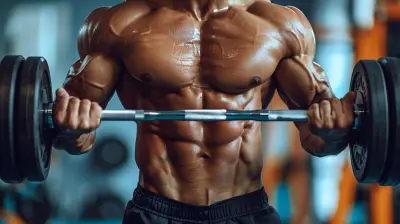
- Resistance training: lifting weights, bodyweight exercises like squats or lunges
- Balance and posture training: yoga, tai chi—especially helpful for fall prevention
Aim for at least 30 minutes of moderate exercise most days. Your future self will thank you.
5. Kick Bad Habits to the Curb
Let’s get real—some habits are straight-up bone killers:- Smoking: decreases blood flow to bones and messes with estrogen levels
- Excessive alcohol: interferes with calcium absorption
- Too much caffeine: may cause calcium loss through urine
- Crash dieting: losing weight too fast can lead to bone loss
That doesn’t mean you can never have wine or coffee again. Just keep it all in check.
Bone Health Through the Decades
Your 20s and 30s: Build Your Bone Bank
This is peak bone-building time. What you do now sets the tone for later years. Eat well, stay active, and don’t skimp on sleep.Tip: Add strength training to your routine. Lifting weights isn’t just for meatheads—it’s for bone density, too.
Your 40s and 50s: Prepare for the Shift
Hormonal changes are creeping in, even if menopause isn’t here yet. Prioritize bone-nourishing foods and stay consistent with your workouts.Tip: Get a bone mineral density (BMD) scan if you have risk factors.
Your 60s and Beyond: Maintain and Protect
Bone mass declines faster now, but that doesn’t mean it’s game over. Keep moving, keep eating well, and check your BMD regularly.Tip: Focus on balance exercises to prevent falls, which become more dangerous as we age.
Supplements: Should You Take Them?
If you’re not meeting your needs through food (and let’s be honest, most of us aren’t), supplements can help.Here’s a rough guide:
- Calcium: Women aged 19–50 need 1,000 mg/day, over 50? Bump it to 1,200 mg/day.
- Vitamin D: Aim for 600–800 IU/day or more depending on your levels.
But don’t go popping pills without checking in with your healthcare provider first. Too much calcium or vitamin D can do more harm than good.
When to Talk to Your Doctor
Let’s not wait until there's a break or full-blown osteoporosis diagnosis. If you:- Are postmenopausal
- Have a family history of bone issues
- Use steroids long-term
- Have an eating disorder history
- Smoke or drink a lot
—then it’s high time to get tested. A quick bone scan (DEXA) can clue you in on how strong your bones really are.
Myths That Need to Die (Right Now)
Let’s bust a few bone health myths that keep floating around.“Only old people need to worry about their bones.”
Nope. Bone loss starts way earlier than you think.
“Milk is the only way to get calcium.”
False. There are tons of non-dairy calcium sources.
“Exercise won’t help my bones once I’m older.”
Wrong. It's NEVER too late to get stronger.
Final Thoughts
Your bones might not get much attention now, but they’re silently working overtime to keep you upright, mobile, and living life to the fullest. Don’t wait for a painful wake-up call to start caring.Healthy bones = freedom, independence, and strength—at every age.
And let’s face it, ladies: if we can juggle work deadlines, family chaos, and endless to-do lists, we can totally handle some bone-boosting meals, a few dumbbell squats, and a daily vitamin D habit.
Your bones are counting on you. Don’t let them down.
all images in this post were generated using AI tools
Category:
Healthy BonesAuthor:

Laura Hudson