Can Intermittent Fasting Impact Bone Density?
24 December 2025
Let’s be honest—when you hear “intermittent fasting,” your mind probably jumps straight to weight loss, keto diets, or skipping breakfast. It’s become a popular buzzword in wellness circles. But with all the hype around fasting, one question remains seriously under-discussed: Can intermittent fasting impact bone density?
That’s not just some nerdy science question. Your bones are the framework of your body—keeping you upright, mobile, and strong. So if fasting habits are messing with bone health, we need to talk about it. Whether you're a seasoned faster or just curious about how this trending lifestyle could affect your skeletal system, this post breaks it down (without breaking any bones).
First Things First: What Is Intermittent Fasting?
Intermittent fasting (IF) isn’t a diet in the traditional sense—it doesn’t tell you what to eat, but rather when to eat. It’s all about cycling between periods of eating and fasting. Some common styles include:- 16/8 method: Fast for 16 hours, eat during an 8-hour window.
- 5:2 method: Eat normally for five days, restrict calories (about 500-600) for two non-consecutive days.
- Alternate day fasting: Fast every other day.
- OMAD (One Meal A Day): You guessed it—just one big meal in a day.
People love intermittent fasting because it’s flexible, has shown promise for things like fat loss and blood sugar control, and doesn’t require counting every almond.
Why Bone Density Matters (Yes, Even If You're Young)
Bone density refers to how strong and solid your bones are. Think of your bones like the beams holding up a house—the denser they are, the sturdier your foundation. Low bone density can make you more vulnerable to injuries, fractures, and even osteoporosis down the line.And here’s the kicker—it’s not just something older people need to worry about. Bone mass actually hits its peak in your 20s and 30s. After that, without the right nutrients and lifestyle choices, you could slowly start to lose density. Not ideal, right?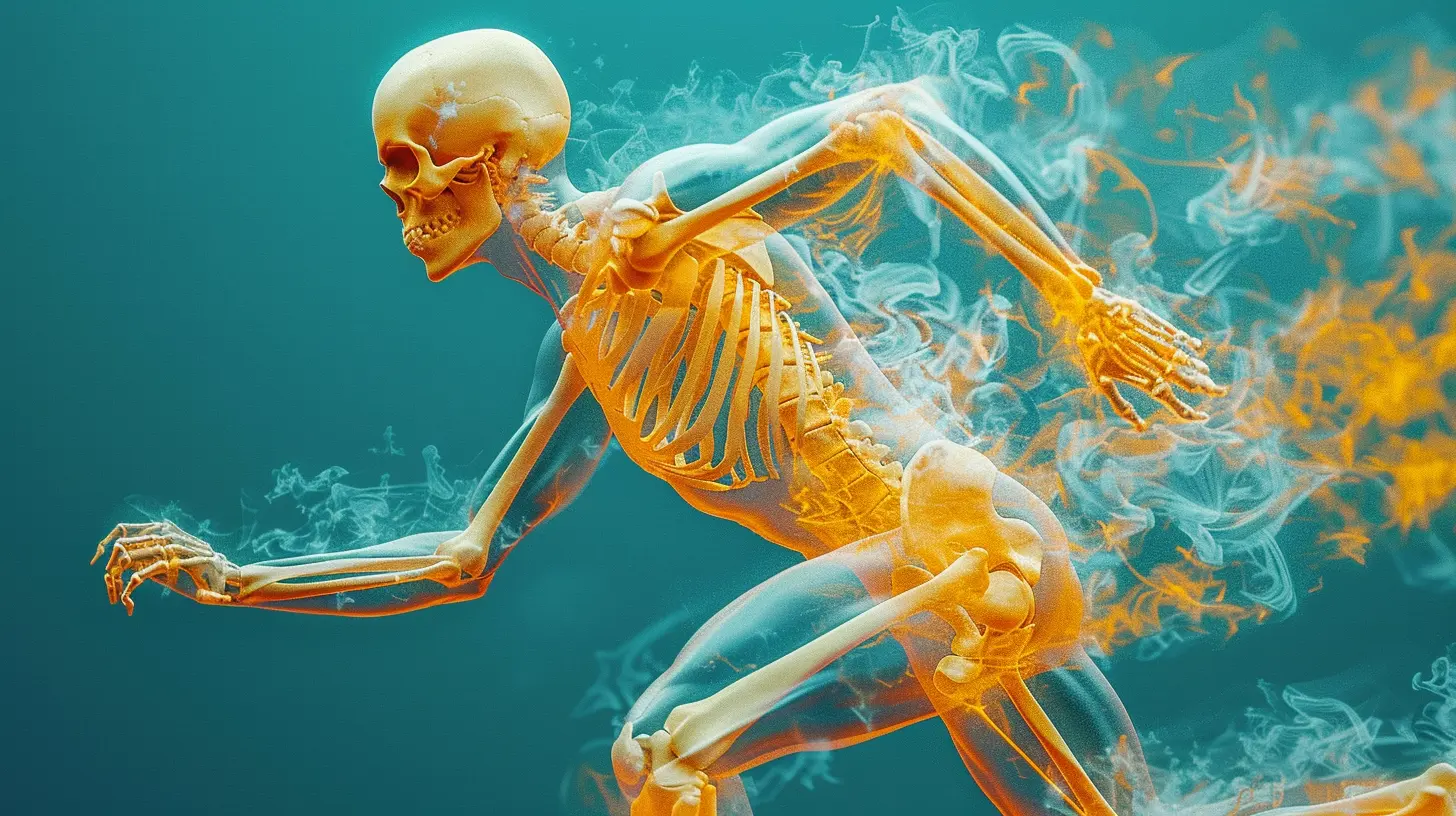
So… Can Intermittent Fasting Actually Affect Bone Density?
Here’s the short answer: It can, but it depends on how you do it.Let’s unpack that.
1. Nutrient Intake Plays A Starring Role
Bones need certain key nutrients to stay strong—calcium, vitamin D, magnesium, and protein are the big players here. When you follow intermittent fasting, especially more aggressive versions like OMAD, you might unintentionally skimp on these essentials.Think about it: squeezing all your meals into a tiny eating window can make it tough to consume enough.
If your meals end up being calorie-restricted or lacking in variety, your bones could miss out. Consistently falling short on calcium or protein? That’s like building a sandcastle without sand—it’s not gonna work.
2. Hormonal Shifts: The Silent Bone Shapers
Intermittent fasting influences several hormones that impact bone health. And hormones? They’re sneaky.- Insulin: Lower insulin levels (a common result of fasting) can help burn fat, sure. But insulin also plays a role in bone formation. If it drops too low or stays low for too long, it might affect how bones renew themselves.
- Growth Hormone: On the flip side, fasting increases human growth hormone (HGH), which actually supports bone growth. So that's a plus.
- Estrogen and Testosterone: Long-term calorie restriction or extreme fasting—especially in women—can reduce estrogen levels. Since estrogen protects against bone loss, this drop can be a big red flag.
In short, IF changes the hormonal landscape. Depending on your body and how you're fasting, that could either help or hurt your bones.
3. Weight Loss: A Double-Edged Sword for Bones
Weight loss is one of the top reasons people start intermittent fasting. And yes, shedding excess pounds has loads of health benefits.However, rapid or extreme weight loss—especially without adequate nutrition—can lead to bone loss. Studies have shown that people who lose weight quickly often lose some bone mass along the way. That's because bones adapt to your body weight. Carrying less weight means they don’t have to work as hard, which can lead to density loss over time.
It’s like your bones say, “Oh, we don’t need to be strong anymore; let’s lighten up!”
That’s why slow, steady weight loss with proper nutrition is key.
4. Physical Activity: The Bone Booster You Shouldn’t Skip
One of the best ways to protect bone density—whether you're fasting or not—is regular weight-bearing exercise. Think walking, running, resistance training, even dancing.Fasting combined with a sedentary lifestyle? That’s a red flag for your bones.
But IF paired with strength training and enough nutrient intake? That could be a win-win situation—fat loss with bone maintenance.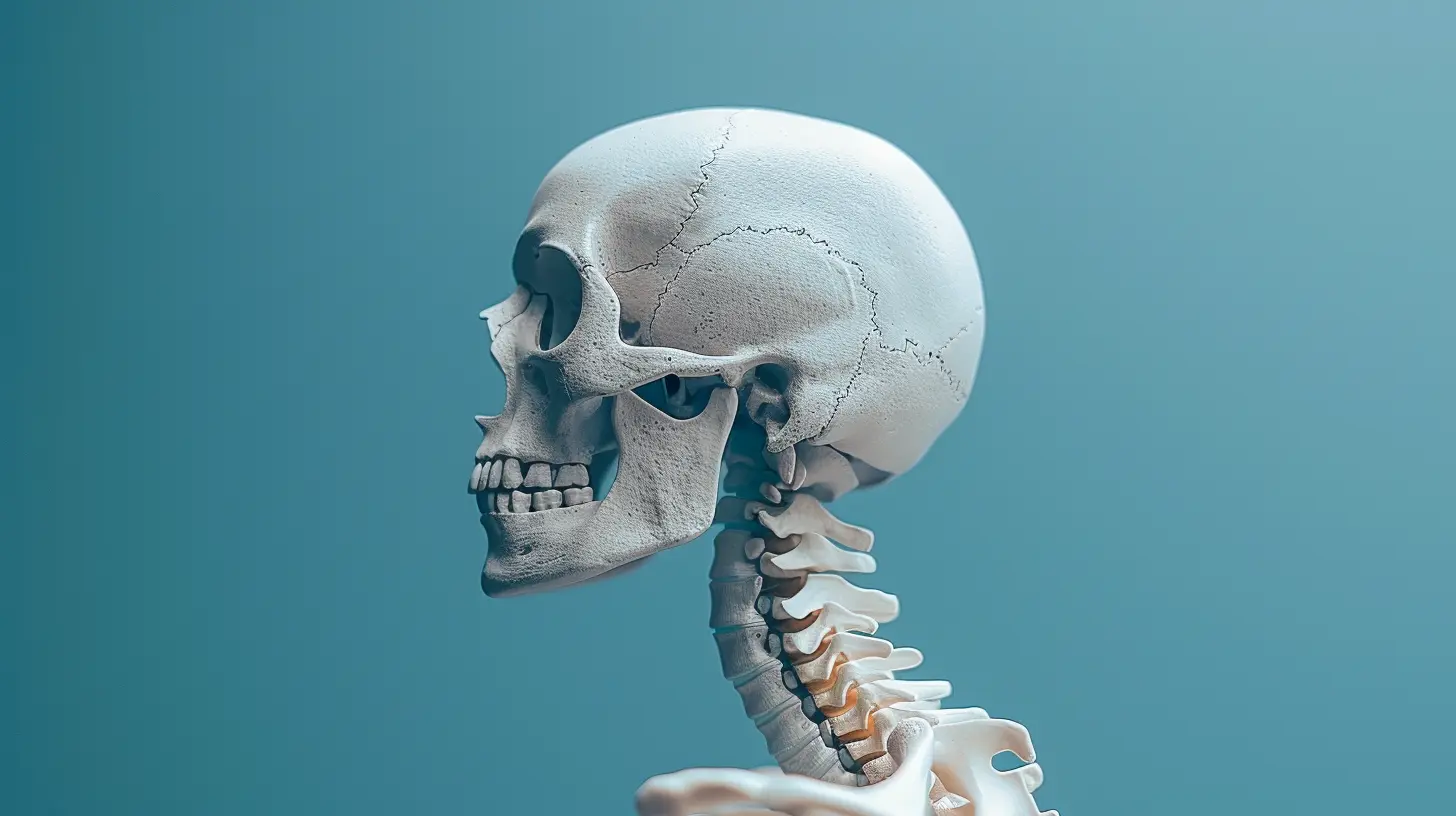
Who's Most At Risk?
While intermittent fasting can work for many people, some groups should be extra cautious when it comes to bone health:- Postmenopausal women: Lower estrogen levels already put bones at risk. Add fasting into the mix without proper nutrition, and it's a recipe for trouble.
- Teens and young adults: Still building peak bone mass. Nutritional deficiencies now could have long-term effects.
- People with eating disorders or history of disordered eating: Fasting can be triggering and may mask unhealthy habits.
- Athletes or highly active individuals: They need more calories and nutrients to support not just performance but also bone recovery.
How to Practice Intermittent Fasting Without Harming Your Bones
If you're all-in on intermittent fasting—or even just IF-curious—it’s totally possible to do it in a bone-friendly way. Here’s how:✔️ Prioritize Nutrient-Dense Foods
Make every bite count. Focus on foods rich in:- Calcium (dairy, leafy greens, almonds)
- Vitamin D (fatty fish, egg yolks, fortified products)
- Magnesium (nuts, seeds, whole grains)
- Protein (eggs, lean meat, legumes)
If you’re worried about falling short, a quality supplement (especially for vitamin D or calcium) can help fill the gaps.
✔️ Don’t Under-Eat
Caloric restriction might seem like the Holy Grail for weight loss, but your bones don’t appreciate being starved. Make sure you're nourishing your body even within the fasting window.✔️ Lift Weights
Or at least do some resistance exercises. Muscle pulls on bones, and that stress actually helps bones get stronger.✔️ Stay Consistent, Not Extreme
You don't have to go straight from three meals a day to OMAD. Start slow. Maybe try the 14/10 or 16/8 method first. See how your body responds.✔️ Listen to Your Body
Feeling weak? Hair falling out? Brittle nails? Those can all be subtle signs your body (and your bones) aren't happy with how you're fasting.What Does The Science Say?
While there's still a lot of research to be done specifically on intermittent fasting and bone density, here’s what we know so far:- Animal studies have shown mixed results. Some show reduced bone density with caloric restriction, others don't.
- Human studies are limited, but some suggest that with sufficient protein intake and strength training, IF doesn’t harm bone mass.
- A lot of effects depend on how you fast, your overall nutrient status, hormonal balance, and lifestyle.
Bottom line? The jury’s still out, but early evidence suggests moderation and balance are key.
My Own Thoughts (And A Bit of Real Talk)
I've tried intermittent fasting myself. At first, it felt empowering. But after a while, I noticed I was skipping veggies just to hit my macros fast. And I wasn’t eating enough calcium-rich foods. Once I started researching how bones are impacted, I made changes—like adding a protein shake and leafy greens during my eating window and lifting weights consistently.Intermittent fasting can be an amazing tool. But like any tool, it works best when used wisely. It's not a magic wand. And it sure as heck isn't a one-size-fits-all solution.
So if you're considering IF, or you’re already doing it, just remember: your bones deserve some love too.
Final Thoughts
So, can intermittent fasting impact bone density? The answer is: yes, it can—but it doesn’t have to be negative. It all comes down to how you approach it. Get enough nutrients, keep your body moving, listen to your internal signals, and don’t treat fasting like a punishment.Your bones are your lifelong companions—let’s keep them healthy and strong, no matter what time you’re eating.
all images in this post were generated using AI tools
Category:
Healthy BonesAuthor:

Laura Hudson
Discussion
rate this article
2 comments
Uri Lynch
While intermittent fasting may offer metabolic benefits, its potential effects on bone density warrant caution. More research is essential to fully understand how fasting impacts bone health, particularly in vulnerable populations.
January 8, 2026 at 3:54 PM
Laura Hudson
Thank you for your insightful comment! I agree that while intermittent fasting has metabolic benefits, more research on its effects on bone density, especially in vulnerable populations, is crucial.
Romina Roberts
Intermittent fasting can influence bone density; however, balanced nutrition and regular exercise are crucial for maintaining optimal bone health.
December 26, 2025 at 5:10 AM
Laura Hudson
Thank you for your insightful comment! You're absolutely right—while intermittent fasting may have effects on bone density, maintaining balanced nutrition and consistent exercise is essential for overall bone health.