Can You Reverse Bone Loss? Here’s What Science Says
5 August 2026
Bone health isn’t something most of us think about—until we have to. Maybe you’ve just been diagnosed with osteopenia or osteoporosis. Or perhaps you're in your 40s or 50s and you've started hearing about bone density tests during checkups. The question starts to creep in: _Is it possible to reverse bone loss?_
The short answer? It's complicated—but there's hope. Let’s dive deep into what science says about reversing bone loss and how our everyday choices can help us build stronger bones, no matter our age.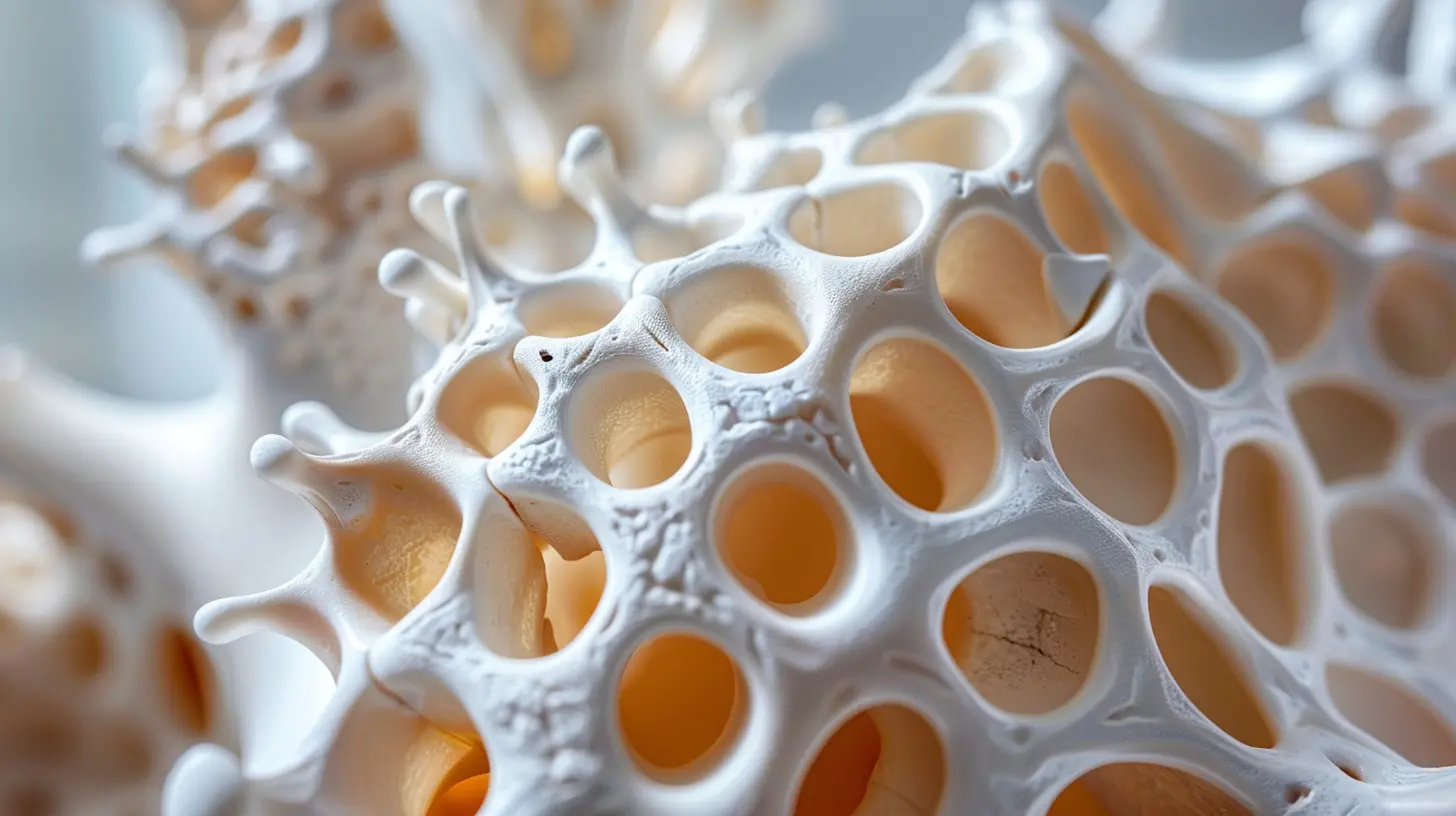
What Exactly is Bone Loss?
Before we start talking about reversing it, let's make sure we're on the same page. Bone loss refers to a decrease in bone density and strength over time. It happens when your body breaks down bone faster than it can rebuild it.Your bones are living tissue, constantly changing. Old bone gets broken down (resorption), and new bone builds up (formation). In our younger years, especially up to about age 30, our bodies make more bone than we lose. After that, the scales start to tip in the opposite direction.
What Causes Bone Loss in the First Place?
Bone loss isn't just about aging. Several factors can throw off the balance between bone breakdown and buildup:- Hormonal changes, especially a drop in estrogen or testosterone
- Poor nutrition, particularly low calcium and vitamin D intake
- Lack of physical activity, especially weight-bearing exercises
- Certain medications, like corticosteroids
- Smoking and excessive alcohol use
- Genetic predisposition
So, yeah, it’s a mixed bag. But here's the good news: science shows that we can slow down bone loss significantly—and in some cases, even regain some bone density.
Can You Truly Reverse Bone Loss?
Let’s get to the million-dollar question: _Can you actually reverse bone loss?_If "reverse" means going back to the bone density you had in your 20s, it may not be realistic. But if "reverse" means improving your current bone density, increasing strength, and reducing your risk of fractures—then yes, research suggests that it’s possible.
Think of your bones like a retirement fund. If you’ve made poor “deposits” for years, it's going to take time and consistency to get back on track. It’s not impossible, but it requires a plan.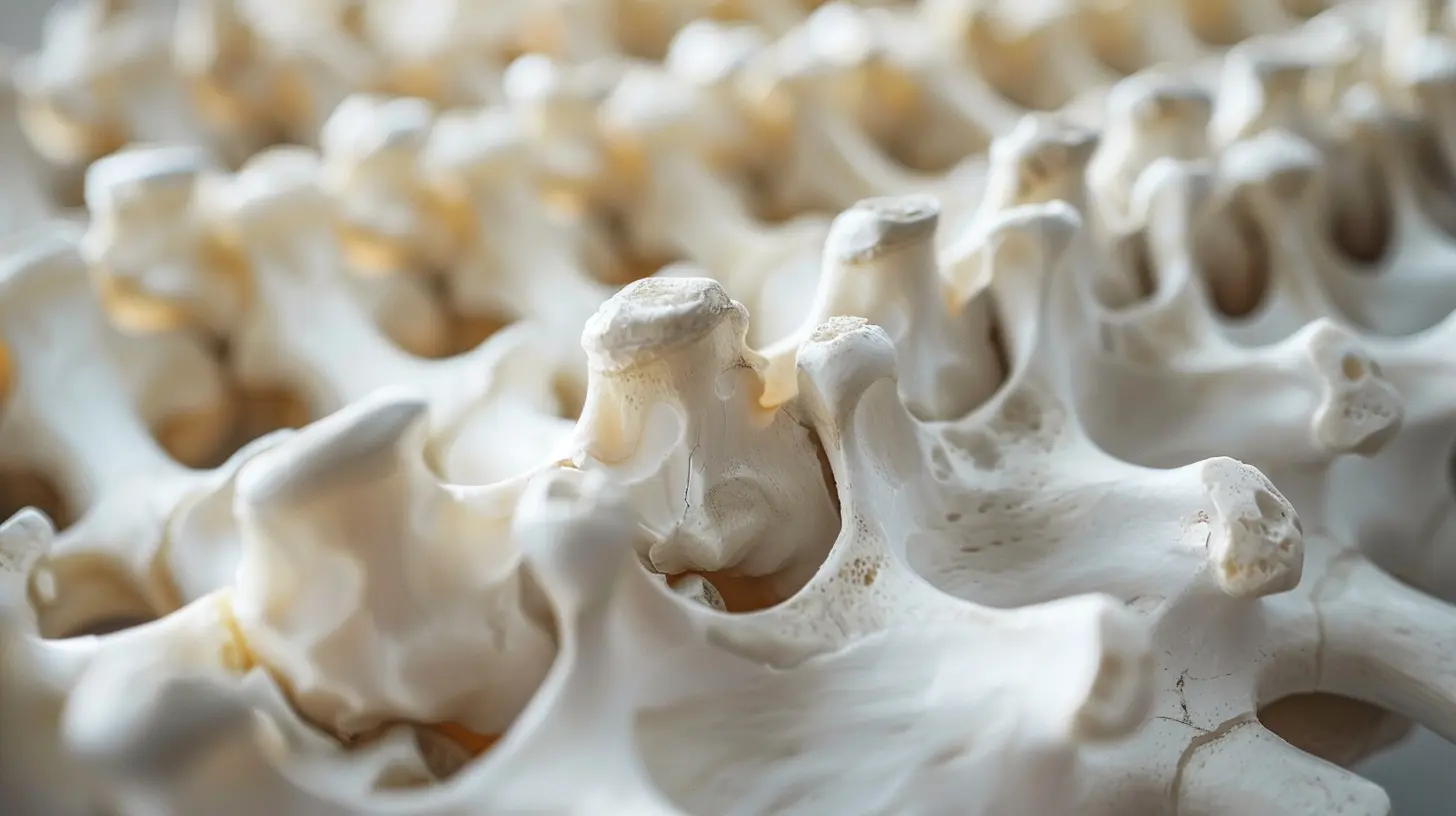
The Science Behind Rebuilding Bone
Now, let's nerd out for a second—but in a simple way.Bones are dynamic structures. They respond to the stresses and strains we place on them. That’s why weight-bearing exercises are so effective. The pressure from activity tells your body, “Hey, we need more bone here!” Your body then releases growth factors and hormones that stimulate bone formation.
Several studies have shown that people with low bone density can increase it over time through a combination of:
- Targeted exercise
- Improved nutrition
- Medications (in some cases)
- Lifestyle modifications
It's not magic—it’s biology.
Natural Ways to Support Bone Rebuilding
No one wants to rely solely on medications. And the good news? You might not have to. Lifestyle choices have a huge impact on bone health. Let’s look at the natural, science-backed ways to nudge your bones into better shape.1. Eat Like Your Bones Depend On It (Because They Do)
Nutrition is the foundation of strong bones. We're not just talking about calcium here (though it's important). Your bones need a cocktail of nutrients to stay robust.Nutrients That Help Rebuild Bone:
- Calcium – think dairy, leafy greens, almonds, and tofu.- Vitamin D – essential for calcium absorption. Get it through sunlight, fatty fish, or supplements.
- Magnesium – found in nuts, seeds, whole grains, and greens.
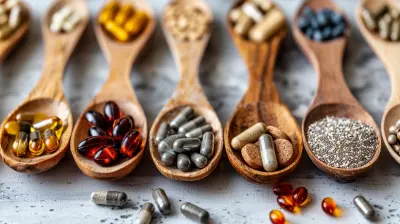
- Vitamin K2 – helps calcium bind to your bones (look for fermented foods like natto or supplement capsules).
- Protein – supports bone matrix structure, especially important for older adults.
? _Quick tip_: Spread your calcium intake throughout the day. Your body only absorbs small amounts at a time.
2. Break a Sweat (The Bone-Loving Kind)
Exercise isn't just for shedding pounds or keeping your heart healthy. Your bones need movement to stay strong.Best Exercises for Bone Health:
- Weight-bearing exercises, like walking, jogging, and hiking- Resistance training, using weights or resistance bands
- High-impact activities, like dancing or jumping (if safe for your joints)
- Balance and flexibility, like yoga and tai chi, to prevent falls
The key? Consistency. Just like muscles, bones respond to regular use.
Even better? Studies show combining strength and balance training reduces fracture risk better than either alone.
3. Say No to Bone Bandits
Just like certain habits build bone, others break it down like a wrecking ball.Avoid These Bone Saboteurs:
- Smoking – it interferes with calcium absorption and lowers estrogen.- Excessive alcohol – more than two drinks/day can mess with nutrient metabolism.
- Too much caffeine and soda – these can leach calcium from bones.
- Sedentary lifestyle – sitting too much tells your bones there’s no need to stay strong.
Make small swaps—drink herbal tea instead of your third coffee, or walk while taking phone calls.
4. Consider Supplements (Smartly)
Sometimes, food alone doesn’t cut it—especially if you’re older, have absorption issues, or live in a sun-deprived area.Common supplements that doctors may recommend:
- Calcium carbonate or calcium citrate
- Vitamin D3
- Magnesium
- Vitamin K2
- Collagen peptides (the jury's still out, but some research is promising)
⚠️ _Always talk to your healthcare provider before starting supplements._ Too much of a good thing—like calcium—can backfire.
5. Medications and Medical Interventions
If you’re dealing with osteoporosis or have had fractures, lifestyle changes alone may not be enough.Common Medications That Aid Bone Density:
- Bisphosphonates – slow bone breakdown- Denosumab – reduces bone resorption
- Parathyroid hormone (PTH) analogs – stimulate bone growth
- Selective Estrogen Receptor Modulators (SERMs) – mimic estrogen’s bone-protective effects
These medications aren't usually lifelong. The idea is to get your bones to a safer zone while continuing with nutrition and exercise.
Real Talk: Expectations vs. Reality
Bone rebuilding isn’t like flipping a switch. It's more like turning a ship—it takes time and patience.Increases in bone density might be modest—especially after a certain age—but the goal is to prevent further loss, reduce fracture risk, and improve quality of life.
Celebrating small wins matters. Maybe your bone scan results are stable instead of declining. That’s progress.
When Should You Get a Bone Density Test?
If you’re over 50, had a recent fracture, or have risk factors for osteoporosis, it’s worth talking to your doctor.Bone Density Tests (usually DEXA scans) are quick, painless, and give you a baseline to measure improvement.
Success Stories: Yes, It’s Possible
Let’s not underestimate the power of consistency. Many people have improved their bone density scores or at least halted further loss by changing their lifestyle and following treatment plans.From women in their 60s who started lifting weights to men who cleaned up their diet and ditched smoking—these stories are proof that progress is possible.
The Final Word: You’re Not Powerless
So, can you reverse bone loss? In many ways, yes.Maybe you won’t get back the exact bone strength of your youth, but you can absolutely slow down the loss—and even build new bone tissue. Your bones are alive, reactive, and ready to cooperate. All they need is a little encouragement.
Make your bones your priority starting today. It’s never too late—or too early—to take control of your bone health.
Quick Recap
- Bone loss is common but not inevitable.- Lifestyle choices like diet and exercise make a massive difference.
- Medications can help in more advanced cases.
- Consistency is your best friend.
- And yes, you can improve your bone density—science says so.
So, go ahead—lace up those sneakers, grab a handful of almonds, and show your bones some love.
all images in this post were generated using AI tools
Category:
Healthy BonesAuthor:

Laura Hudson