Caring for Your Mental Health in the Postpartum Period
5 May 2026
Becoming a mom is a beautiful, life-changing experience. But let’s be real—it’s also one of the most overwhelming times in a woman's life. Sleepless nights, endless feeding sessions, and a rollercoaster of emotions can make you feel like you're drowning in responsibilities.
If you've been feeling exhausted, anxious, or even a little detached, know this: you’re not alone. Many new moms struggle with their mental health in the postpartum period, and it’s completely normal. The good news? You can take steps to care for your mind just as much as your body.
Let’s dive into how you can nurture your mental well-being while navigating the challenges of new motherhood.
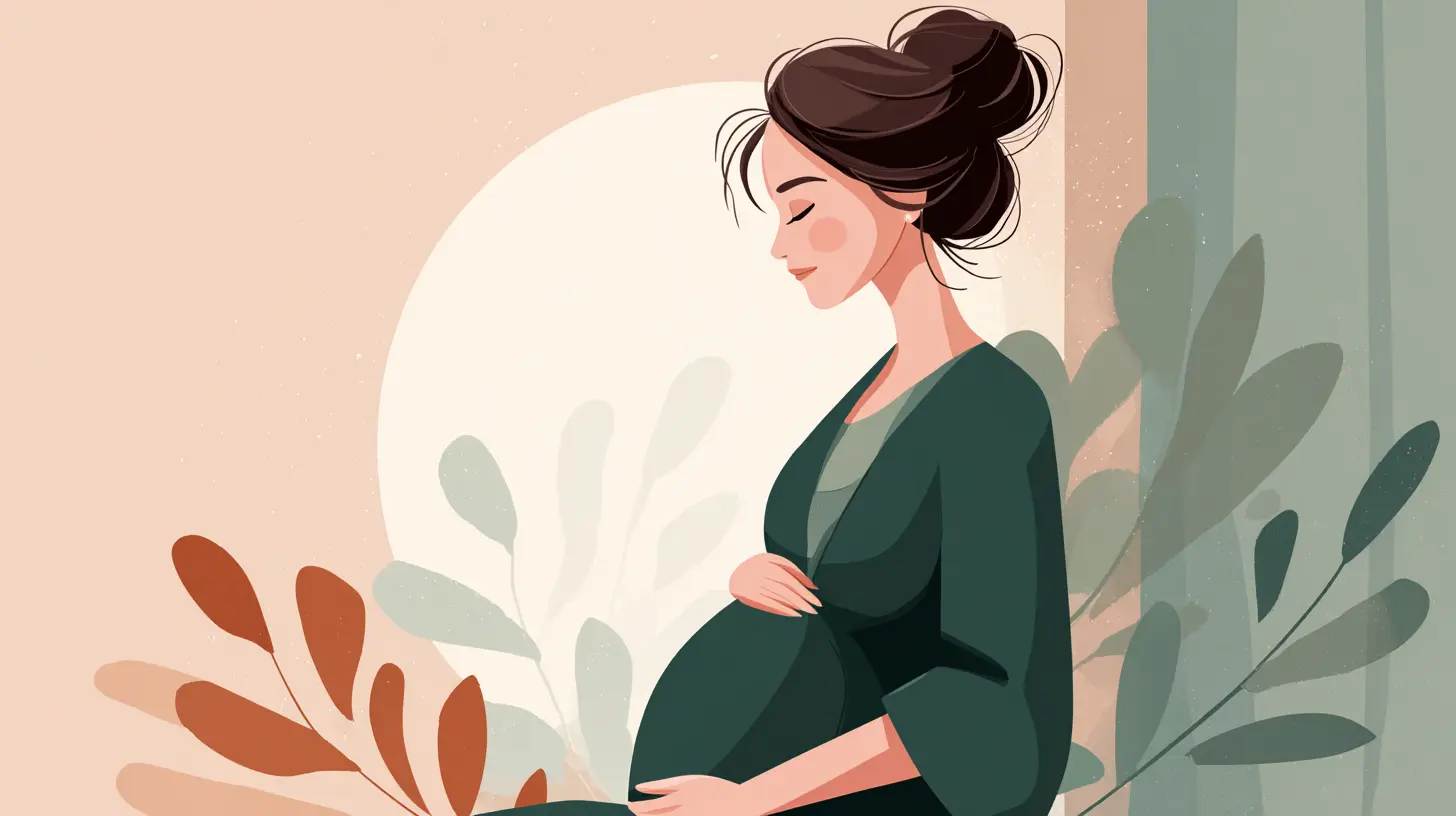
Understanding Postpartum Mental Health
Your body just went through an incredible transformation, and so did your mind. Hormonal shifts, sleep deprivation, and the pressure to care for a tiny human can take a toll.While it's normal to feel a bit emotional, postpartum depression (PPD) and anxiety are very real conditions that shouldn't be ignored. Here’s how you can tell if your mental health needs attention:
Signs of Postpartum Depression and Anxiety
- Persistent sadness or hopelessness- Feeling disconnected from your baby
- Intense mood swings
- Constant worry or panic attacks
- Difficulty sleeping (even when the baby sleeps)
- Loss of appetite or overeating
- Feeling guilty or like you're failing as a mom
If any of these resonate with you, it's time to take your mental health seriously. Seeking support isn’t a sign of weakness—it’s a sign of strength. 
Prioritizing Your Mental Health After Birth
Taking care of a newborn is demanding, but it’s just as important to care for yourself. Here’s how you can nurture your well-being during this fragile period.1. Give Yourself Grace
Let’s get one thing straight: you are not supposed to have it all figured out. Motherhood is messy, unpredictable, and downright exhausting. Don’t pressure yourself to be perfect. Your baby doesn’t need perfection—they just need you.2. Sleep Whenever You Can
You've heard it a million times, but it’s true—sleep is essential. Sleep deprivation can significantly impact your mood and energy levels. If your baby naps, try to rest instead of doing chores. Your mental health is more critical than a spotless house.3. Accept Help (And Ask for It!)
You don’t have to do this alone. If someone offers to cook, clean, or babysit while you nap, say YES! Asking for help doesn’t mean you’re failing—it means you’re human.4. Connect with Other Moms
Motherhood can feel isolating, especially when you’re up at 3 AM while the world sleeps. Connecting with other moms, whether in-person or online, can remind you that what you’re feeling is normal.New mom groups, postpartum support communities, or even a trusted friend who’s been through it can be a lifeline.
5. Nourish Your Body
Your body needs fuel—not just to breastfeed (if you choose to), but to keep up with the demands of new motherhood. Skipping meals or surviving on coffee alone will only make you feel more drained.Focus on nutrient-dense meals that support your energy and mood, like:
- Protein-rich foods (eggs, lean meats, beans)
- Healthy fats (avocados, nuts, olive oil)
- Complex carbs (whole grains, fruits, veggies)
- Hydration (water, herbal teas, nutrient-packed smoothies)
When in doubt, keep easy, healthy snacks ready so you’re not running on empty. 
Managing Emotional Ups and Downs
Motherhood can be emotionally intense. One minute you’re overwhelmed with love, and the next, you’re breaking down in tears. Here’s how you can manage postpartum emotions without feeling like you’re losing yourself.6. Talk About Your Feelings
Bottling up emotions only makes things worse. Whether it’s your partner, a friend, or a therapist, talk about how you’re feeling. Even just voicing, “I’m really struggling today,” can relieve some of the mental weight you’re carrying.7. Set Realistic Expectations
Social media paints motherhood as picture-perfect, but in reality, it’s spit-up-covered shirts and endless diaper changes. Stop comparing yourself to the highlight reels online. Your journey is unique, and you’re doing better than you think.8. Find Small Moments for Yourself
Self-care doesn’t have to mean spa days or hours alone (though wouldn’t that be nice?). Sometimes, it’s as simple as:- Enjoying your coffee while it’s still hot
- Listening to a podcast during feeding sessions
- Taking a warm shower without interruptions
- Stepping outside for five minutes of fresh air
It’s okay to crave time for yourself—you’re still YOU, even with a baby. 
When to Seek Professional Help
If your feelings of sadness, anxiety, or overwhelm don’t seem to improve—or get worse—seeking professional help is essential. A therapist or doctor can provide the support and treatment you need.There is no shame in getting help. Your mental health matters just as much as your baby's well-being.
Signs You Should Reach Out:
- Your emotions are interfering with daily life- You’re having thoughts of harming yourself or your baby
- You feel numb or completely disconnected
- You’re experiencing intense panic attacks
- Nothing seems to bring relief
If any of these apply, reach out to a healthcare provider or postpartum specialist. There is help, and you don’t have to go through this alone.
Final Thoughts: You Deserve Care Too
Motherhood is a wild, beautiful, and overwhelming ride. In the chaos of caring for your baby, don’t forget to care for yourself too. Mental health struggles don’t make you a bad mom—they make you normal.Give yourself permission to rest, ask for help, and prioritize your well-being. A happy, healthy you means a happier, healthier baby.
Remember: You are not alone, you are doing enough, and you are a great mom.
all images in this post were generated using AI tools
Category:
Pregnancy HealthAuthor:

Laura Hudson
Discussion
rate this article
2 comments
Judith Gray
Every new parent deserves joy and support. Remember, taking care of your mental health is just as important as caring for your baby!
July 3, 2026 at 3:36 AM
Ezra Jordan
This article offers valuable insights into postpartum mental health. It's essential for new parents to prioritize self-care and seek support during this challenging yet beautiful time.
May 22, 2026 at 3:54 PM
Laura Hudson
Thank you for your thoughtful comment. I'm glad you found the insights valuable. Prioritizing self-care is indeed crucial for new parents.