Creating a Healthy Home: Transforming Your Living Space
14 October 2025
Home is where the heart is, right? But have you ever thought about how your living space affects your physical and mental health? A home should be more than just a place to sleep—it should be a sanctuary for well-being.
From the air we breathe to the materials we surround ourselves with, every little detail plays a part in shaping our health. The good news? With a few simple tweaks, you can transform your home into a healthier, more refreshing haven for you and your loved ones.
Let’s dive into the essentials of creating a healthy home—one step at a time. 
1. Clean Air: Breathe Easy
Ever stepped into a space and instantly felt refreshed? Chances are, that place had clean, high-quality air. Indoor air can be more polluted than outdoor air, thanks to dust, mold, and chemicals from everyday products. But don’t worry—there are ways to improve your home’s air quality without installing a high-tech filtration system.✅ Open Windows Regularly
Good airflow prevents stagnant air and reduces indoor pollutants. Even if you live in a city, cracking a window for a few minutes daily can make a difference.✅ Bring in Houseplants
Plants do more than look pretty—they act as natural air purifiers. Spider plants, snake plants, and peace lilies absorb toxins while producing fresh oxygen.✅ Use an Air Purifier
An air purifier with a HEPA filter can capture allergens, dust, and even pet dander, making it a great investment for anyone with allergies or respiratory issues.
2. Reduce Toxic Chemicals in Your Home
Did you know that everyday household products can release harmful chemicals? From cleaning sprays to scented candles, many contain volatile organic compounds (VOCs) that can mess with your health over time.✅ Swap Out Harsh Cleaners
Instead of chemical-laden cleaners, opt for natural alternatives like vinegar, baking soda, or castile soap. They’re just as effective and much safer for your health.✅ Choose Non-Toxic Paint and Furniture
A fresh coat of paint might make a room feel new, but many paints contain VOCs that linger in the air. Look for low-VOC or VOC-free paints instead. Also, be mindful of furniture and upholstery that may contain flame retardants and other chemicals.✅ Ditch Synthetic Fragrances
That lovely lavender air freshener? It might contain phthalates, which can disrupt hormones. Instead, go for essential oil diffusers or homemade potpourri.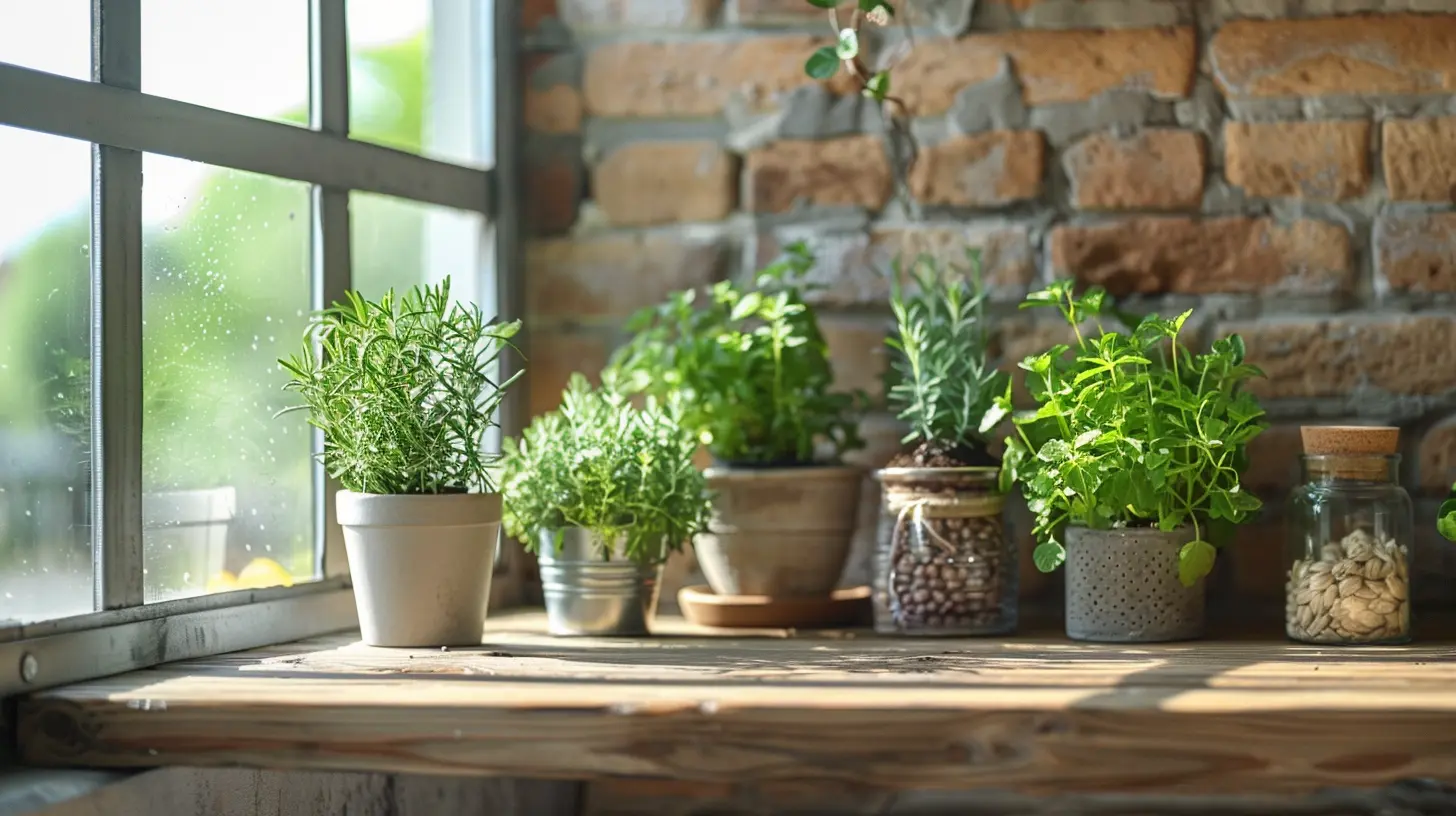
3. Prioritize a Good Night’s Sleep
Your bedroom should be a sleep-inducing paradise. A cluttered or uncomfortable space can disrupt sleep, leading to stress, fatigue, and even health issues down the line.✅ Invest in a Quality Mattress and Pillows
You spend a third of your life sleeping—so why not make it count? Choose an organic or chemical-free mattress and hypoallergenic pillows to ensure better rest.✅ Keep the Bedroom Dark and Cool
Blackout curtains and a cool room temperature (around 60-67°F) create the perfect sleep environment. A sound machine can also help drown out external noise.✅ Limit Screen Time Before Bed
Blue light from screens can mess with your body’s natural sleep cycle. Try reading a book instead of scrolling through your phone before bed.
4. Declutter for Mental Clarity
Ever noticed how a messy room can make you feel overwhelmed? There’s a strong connection between clutter and stress. A tidy, organized space encourages peace of mind and productivity.✅ Follow the "One-Minute Rule"
If something takes less than a minute to clean up, do it immediately—whether it's putting away dishes or folding a throw blanket. It prevents clutter from piling up.✅ Adopt Minimalist Habits
More stuff doesn’t always mean more happiness. Regularly purging unnecessary items keeps your home (and mind) feeling light and fresh.✅ Use Smart Storage Solutions
Baskets, shelves, and storage bins are lifesavers for organizing. A well-organized space makes daily life easier and more enjoyable.5. Mindful Lighting for a Positive Mood
Lighting affects your circadian rhythm, which influences sleep, mood, and energy levels. A well-lit home can boost happiness and productivity.✅ Maximize Natural Light
Sunlight not only brightens a space but also improves mood and increases Vitamin D levels. Keep your windows unobstructed and use mirrors to reflect light into darker areas.✅ Choose Warm Lighting in the Evening
Bright, white lights can feel harsh at night. Instead, opt for warm, soft lighting to create a cozy and relaxing environment.✅ Avoid Fluorescent Lights
Fluorescent bulbs can emit a flicker that strains the eyes. LED bulbs are a better, energy-efficient alternative that’s easier on the senses.6. Foster a Space for Mental and Emotional Well-Being
A healthy home isn’t just about physical health—it’s also about mental well-being. Your environment should inspire joy, relaxation, and positivity.✅ Create a “Happy Corner”
Set up a small space dedicated to something you love—a cozy reading nook, an area for meditation, or a corner with family photos and sentimental items.✅ Incorporate Soothing Colors
Colors influence emotions. Soft blues, greens, and earth tones evoke calmness, while bright shades like yellow can boost energy and creativity.✅ Surround Yourself with Positivity
Decorate with things that make you happy—whether it’s artwork, motivational quotes, or objects that bring back good memories.7. Healthy Eating Starts in the Kitchen
Your kitchen plays a huge role in promoting a healthy lifestyle. An organized, toxin-free kitchen makes it easier to prepare nutritious meals.✅ Store Food in Glass Containers
Plastic containers can leach harmful chemicals, especially when heated. Glass containers are a safer and more eco-friendly option.✅ Use a Water Filter
Tap water can contain contaminants like chlorine and heavy metals. A high-quality water filter ensures you’re drinking clean, healthy water.✅ Keep Healthy Snacks Accessible
If you keep junk food within arm’s reach, you’re more likely to eat it. Stock up on nutritious options like nuts, fruits, and whole grains instead.8. Reduce Noise Pollution
Constant noise can be draining. Whether it’s traffic sounds or loud neighbors, excessive noise can increase stress and disturb sleep.✅ Use Soundproofing Techniques
Thick rugs, curtains, and upholstered furniture help absorb sound. White noise machines can also mask disruptive background noise.✅ Designate Quiet Zones
If possible, create a quiet, tech-free space where you can relax, read, or meditate without distractions.✅ Be Mindful of Your Own Noise Levels
Sometimes, we contribute to noise pollution without realizing it. Lowering TV volume or wearing headphones can help maintain a peaceful atmosphere.Final Thoughts
Transforming your home into a healthier space isn’t about perfection—it’s about making small, intentional changes that add up over time. Whether it’s improving air quality, decluttering, or simply adding houseplants, every step brings you closer to a home that supports your well-being.Your home should feel like a breath of fresh air—a place where you can recharge, feel safe, and find peace. So, why not start today?
all images in this post were generated using AI tools
Category:
Healthy LifestyleAuthor:

Laura Hudson
Discussion
rate this article
1 comments
Paul McGrady
What a wonderfully uplifting read! Transforming your living space into a healthy haven is such a fantastic journey. Simple changes can bring joy and wellness to our everyday lives. Let’s embrace this cheerful mission and create homes that nurture our bodies and spirits. Here’s to vibrant living! 🌿✨
November 8, 2025 at 5:34 AM
Laura Hudson
Thank you! I'm glad you found it inspiring. Here’s to creating spaces that promote joy and well-being! 🌟