Debunking Common Myths About Anti-Aging
13 August 2026
Aging is a natural part of life, yet society has long been obsessed with ways to slow it down or reverse it altogether. From miracle creams to extreme diets, the quest for eternal youth has fueled countless myths and misconceptions. But how much of what we hear is actually true?
In this article, we’ll dive into some of the biggest anti-aging myths, separate fact from fiction, and uncover what really works when it comes to aging gracefully.

Myth #1: Expensive Skincare Products Work Better
Many people believe that the more expensive the skincare product, the better its results. But is that really the case?The Truth: Price Doesn’t Equal Effectiveness
Just because a product costs a fortune doesn’t mean it’s more effective. Many high-end skincare brands rely on marketing rather than superior ingredients to justify their price tags. Some budget-friendly products contain the same—or even better—active ingredients that deliver real results.Instead of focusing on price, look for skincare formulas with scientifically backed ingredients like retinol, hyaluronic acid, vitamin C, and peptides. These have been shown to help with skin renewal, hydration, and collagen production.
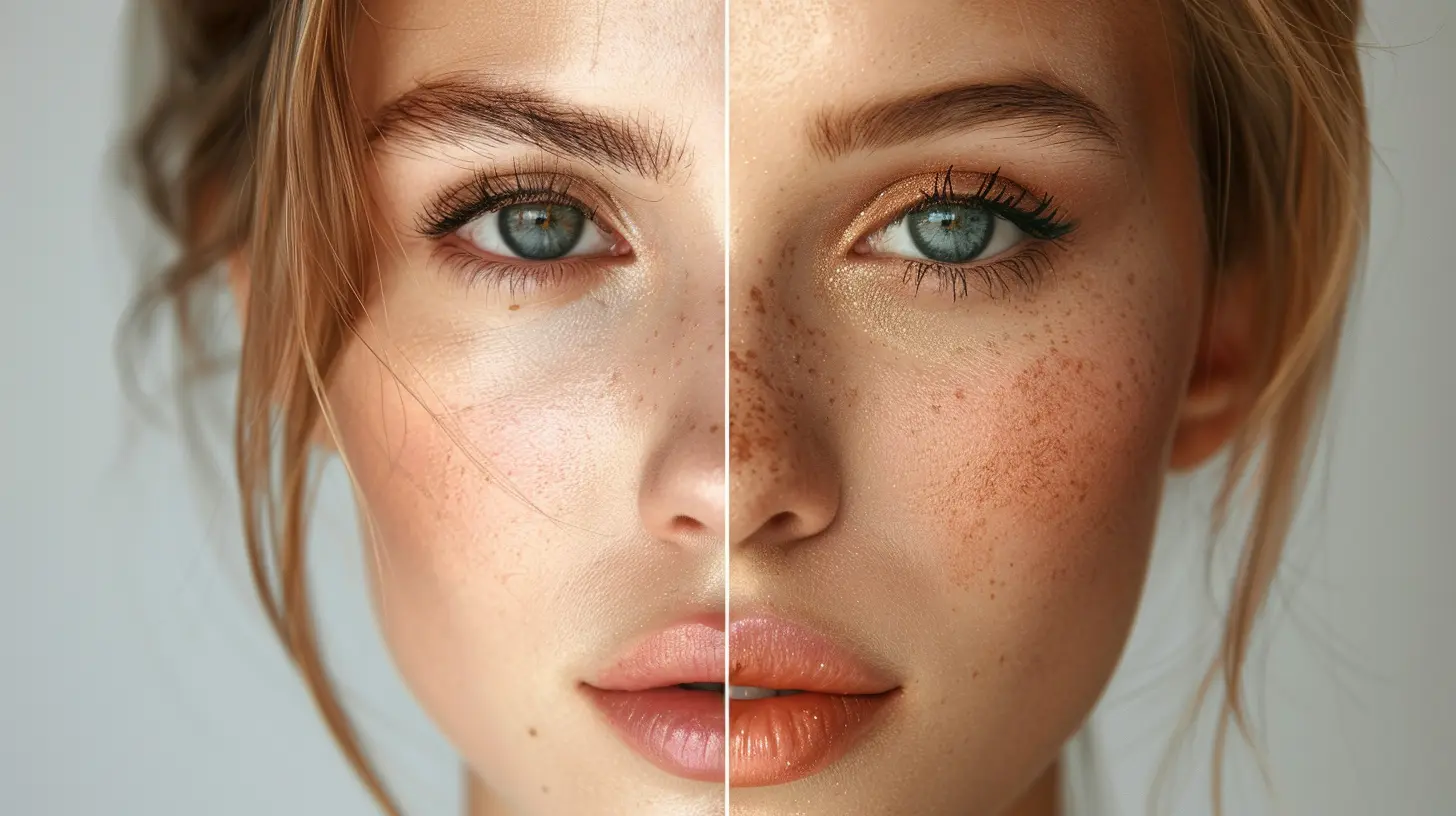
Myth #2: You Can Erase Wrinkles with a Magic Cream
Walk into any beauty store, and you’ll find countless creams promising to erase wrinkles overnight. But is wrinkle-free skin just a jar away?The Truth: No Topical Product Can Completely Erase Wrinkles
While some skincare products can reduce the appearance of wrinkles, no cream can completely eliminate them. Wrinkles are a natural part of aging, caused by the loss of collagen, elastin, and hydration in the skin.What can help? Ingredients like retinol, peptides, and antioxidants can improve skin texture and minimize fine lines over time, but they won’t erase deep wrinkles. For more dramatic results, treatments like Botox, fillers, or laser therapy may be needed.

Myth #3: Drinking More Water Will Keep Your Skin Wrinkle-Free
We’ve all heard that drinking a ton of water is the secret to youthful skin. But is hydration really the fountain of youth?The Truth: Hydration Helps, But It’s Not a Miracle Cure
While staying hydrated is crucial for overall health, simply guzzling water won’t magically erase wrinkles. Your skin’s hydration depends more on external factors, such as skincare products, environmental conditions, and diet.Drinking enough water helps maintain general skin function, but for real hydration benefits, focus on using a good moisturizer with humectants like hyaluronic acid and glycerin.

Myth #4: Anti-Aging Skincare Should Start in Your 40s
Many people think anti-aging efforts should begin once wrinkles appear, but is that really the best approach?The Truth: Prevention Is Key—Start Early
The earlier you start taking care of your skin, the better. In fact, anti-aging skincare should ideally begin in your 20s or even earlier. Prevention is far easier than reversal!Sunscreen, a good moisturizer, and antioxidant-rich products can help slow down signs of aging before they even start. Think of it like dental hygiene—brushing your teeth daily helps prevent cavities instead of waiting until you need a root canal.
Myth #5: SPF Is Only Necessary on Sunny Days
Sunscreen is often associated with beach days and sunny weather, but is it really necessary daily?The Truth: UV Damage Happens Every Single Day
UV radiation is one of the leading causes of premature aging, and it’s present even on cloudy or rainy days. UVA rays, in particular, penetrate deep into the skin and can cause long-term damage like wrinkles, sagging, and dark spots.The best way to protect your skin? Use a broad-spectrum SPF 30 or higher every single day, rain or shine.
Myth #6: You Don’t Need Retinol Until You See Wrinkles
Retinol is often marketed as a treatment for existing wrinkles, but is it only useful once signs of aging appear?The Truth: Retinol Is More Effective When Used Early
Retinol, a derivative of vitamin A, is one of the most effective ingredients for preventing fine lines, stimulating collagen, and improving skin texture. Starting retinol in your mid-to-late 20s can help slow down the aging process before wrinkles take hold.Just remember, retinol can cause irritation at first, so start with a lower concentration and gradually increase usage.
Myth #7: Genetics Determine How You Age—You Can't Change It
You've probably heard someone say, "I have good genes, so I don’t need to worry about aging." But is aging solely based on genetics?The Truth: Lifestyle Plays a Bigger Role Than You Think
While genetics do influence how your skin ages, lifestyle choices have a much greater impact. Factors like sun exposure, diet, smoking, and stress can accelerate aging, regardless of your genetic makeup.This means that even if your parents aged gracefully, neglecting skincare or making poor health choices can still lead to premature aging. On the flip side, taking good care of yourself can help slow down the process—even if you don’t have "good genes."
Myth #8: Natural Remedies Work Just as Well as Science-Backed Skincare
Coconut oil, honey masks, and DIY skincare have gained popularity, with many claiming they work just as well as clinical products. But do they?The Truth: Some Natural Remedies Work, But Not All Are Effective
While some natural ingredients (like aloe vera and green tea) have proven skincare benefits, many DIY treatments lack scientific backing and can even be harmful. For example, using lemon juice on your face can cause irritation and increased sun sensitivity.If you prefer natural products, look for scientifically validated ingredients derived from nature—like rosehip oil, niacinamide, or green tea extract—but don’t assume that "natural" always means "better."
Myth #9: More Skincare Products = Better Results
The beauty industry is filled with products promising amazing results, leading many to believe that using more equals better skin.The Truth: A Simple Routine Can Be More Effective
Overloading your skin with too many products can do more harm than good. Layering too many active ingredients can cause irritation, breakouts, and even counteract their benefits.A simple, effective skincare routine should include:
- A gentle cleanser
- A moisturizer suited to your skin type
- Sunscreen (daily, no exceptions!)
- Targeted treatments like retinol or vitamin C
Less is often more when it comes to good skincare!
Myth #10: Only Women Need Anti-Aging Skincare
The beauty industry often targets women, making it seem like anti-aging skincare isn't necessary for men. But does aging only affect women?The Truth: Aging Affects Everyone—Men Included
Men experience skin aging just like women, though their thicker skin and higher collagen levels may cause wrinkles to form differently. Neglecting skincare can lead to premature aging, sun damage, and dryness, regardless of gender.Men should follow the same anti-aging basics: cleanse, moisturize, and use SPF daily. Simple steps can make a huge difference in maintaining youthful skin.
Final Thoughts
Aging is inevitable, but how you age is largely within your control. While there’s no magic potion for eternal youth, smart skincare choices, a healthy lifestyle, and sun protection can slow down the process and keep your skin looking its best.Don't fall for empty promises or expensive gimmicks—stick to science-backed methods that actually work. Taking care of your skin doesn't have to be complicated; it just requires consistency, patience, and the right knowledge.
all images in this post were generated using AI tools
Category:
Anti AgingAuthor:

Laura Hudson