Elevate Your Lunges: Outdoor Exercises to Target Your Legs
3 June 2026
Lunges are a powerhouse move when it comes to leg workouts. They strengthen your quadriceps, hamstrings, glutes, and even your core. But if you're tired of doing lunges in the same old way, it's time to take them outside and elevate your routine. The fresh air, natural resistance, and uneven terrain can challenge your muscles in ways the gym just can’t.
In this article, we’ll take a deep dive into outdoor exercises that will enhance your lunges and help you build stronger, more toned legs. So lace up your sneakers – it’s time to sweat!
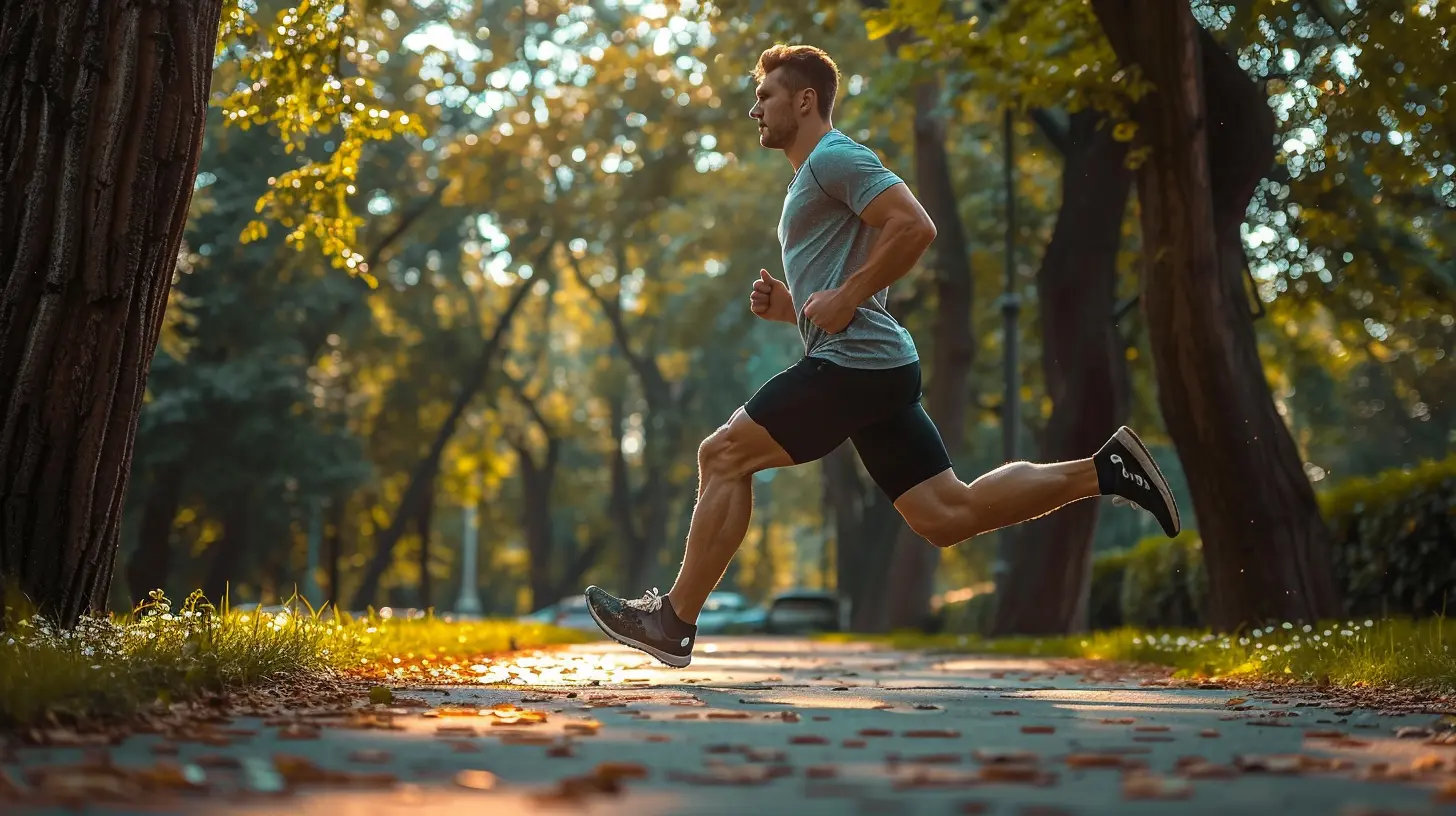
Why Take Your Lunges Outdoors?
Before we jump into specific exercises, let's talk about why taking your lunges outside is a game-changer.1. Engages More Muscles
Outdoor workouts often mean dealing with uneven terrain, grass, sand, trails, or hills. This requires your stabilizer muscles to work harder, improving balance and coordination.2. Boosts Endurance and Strength
Lunging on different surfaces and tackling inclines builds both endurance and strength more effectively than lunging on a flat gym floor.3. Burns More Calories
The natural resistance of wind, sand, and grass forces your body to work harder, increasing calorie burn and fat loss.4. Improves Mental Well-being
Being outside in fresh air reduces stress levels, boosts mood, and enhances mental clarity. Who doesn’t love a dose of sunshine while working out?Now that you know why outdoor lunges are so effective, let’s look at specific exercises that will level up your leg game.

Best Outdoor Exercises to Boost Your Lunges
1. Hill Lunges
Lunging on an incline adds intensity and works your legs from a different angle.How to Do It:
- Find a steep hill or an inclined road.- Step forward with one foot and lower your back knee towards the ground.
- Push back up and repeat on the other leg.
- Keep your core engaged and don’t rush—focus on good form.
Benefits:
- Strengthens quads and glutes- Enhances endurance
- Improves balance
2. Walking Lunges on Grass or Sand
Walking lunges are already challenging, but adding an uneven surface takes them up a notch.How to Do It:
- Step forward into a lunge position.- Push off the back foot and bring it forward into the next lunge.
- Continue moving forward for 20-30 steps.
Benefits:
- Engages stabilizer muscles- Challenges balance and coordination
- Burns more calories
3. Jump Lunges (Plyometric Lunges)
Jump lunges are great for power and explosiveness. Doing them outside provides extra space to move freely.How to Do It:
- Start in a lunge position.- Push off both feet and jump explosively.
- Switch legs mid-air and land softly into another lunge.
- Keep going for 30 seconds to feel the burn!
Benefits:
- Increases leg power- Builds endurance
- Burns fat quickly
4. Bench or Rock Step-Ups
Using a sturdy rock, park bench, or step will turn a simple stepping motion into a powerful leg workout.How to Do It:
- Place one foot on a bench or rock.- Push up through that leg and bring the other knee forward.
- Return to the starting position and repeat.
- Switch legs after 10 reps.
Benefits:
- Targets quads, hamstrings, and glutes- Improves agility and strength
- Reduces the risk of injury by enhancing balance
5. Curtsy Lunges on a Trail
Curtsy lunges help sculpt your inner and outer thighs while engaging your core.How to Do It:
- Stand upright with feet shoulder-width apart.- Step one foot diagonally behind the other, lowering into a lunge.
- Push back up and switch sides.
- Do 12-15 reps per leg.
Benefits:
- Strengthens glutes and thighs- Improves flexibility
- Enhances coordination
6. Side-to-Side Lunges in an Open Field
Side lunges work the inner and outer thighs, which are often neglected in standard forward lunges.How to Do It:
- Stand with feet wider than shoulder-width apart.- Shift your weight to one leg and lower into a side lunge.
- Push back to the center and repeat on the other side.
Benefits:
- Activates different muscles than traditional lunges- Improves lateral movement
- Great for athletes and runners
7. Lunges with Resistance Bands
Adding resistance bands to your lunges increases tension and muscle activation.How to Do It:
- Place a resistance band around your thighs just above the knees.- Perform any lunge variation while keeping tension in the band.
- Control your movements to maximize engagement.
Benefits:
- Builds strength without adding weights- Activates glutes and hamstrings more effectively
- Improves muscle control
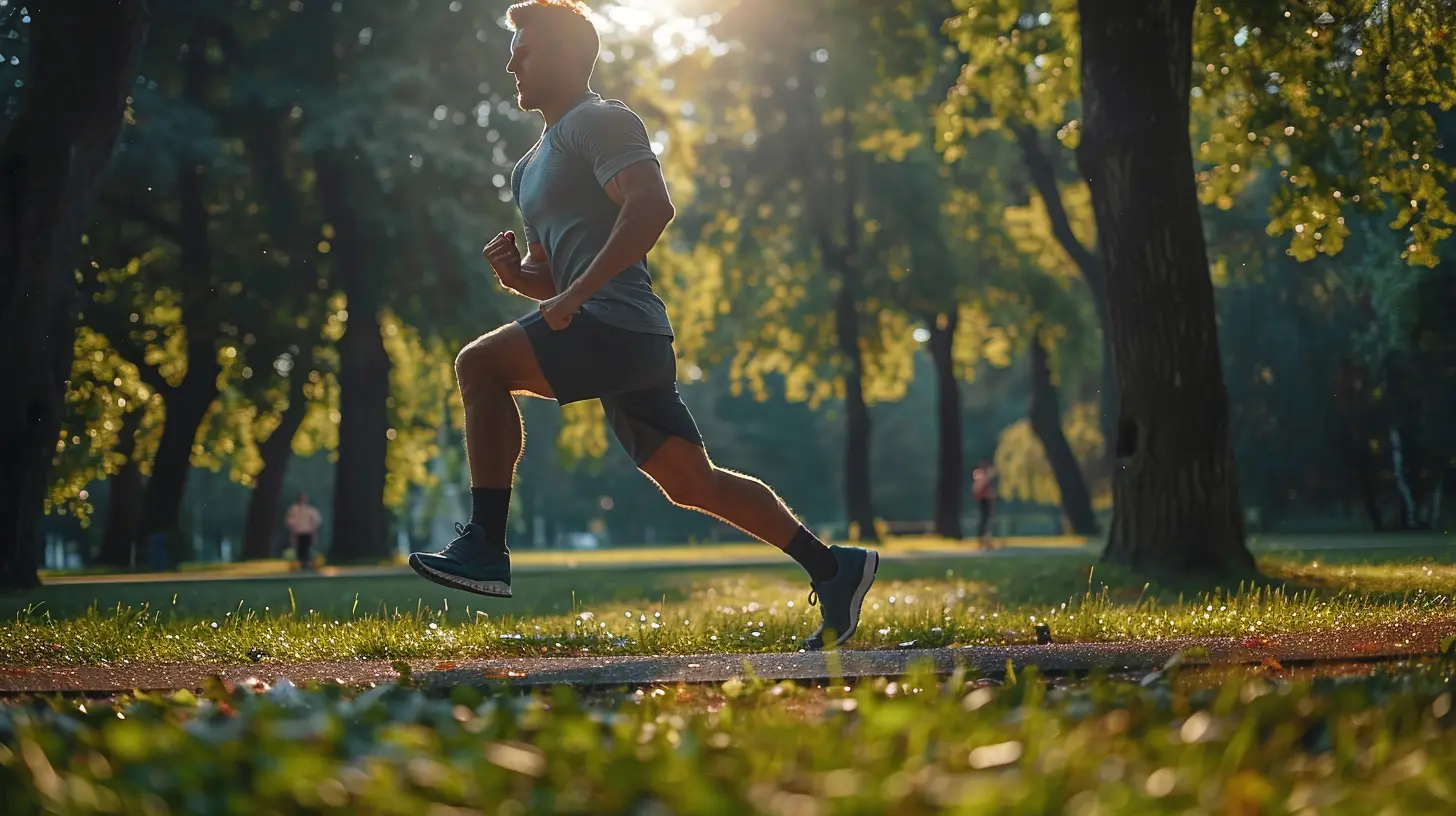
Extra Tips to Maximize Your Outdoor Lunge Workout
✅ Focus on Form
Proper form prevents injury and ensures you’re targeting the right muscles. Keep your chest up, core tight, and knees aligned with your toes.✅ Choose the Right Footwear
Outdoor surfaces can be tricky, so wear supportive shoes with a good grip to prevent slips and falls.✅ Start Slow & Progress Gradually
If you're new to outdoor workouts, ease into them. Try doing bodyweight lunges first before adding resistance or incline.✅ Incorporate Lunges into a Full Routine
Lunges are great, but don’t forget to add squats, jumps, and stretches for a well-balanced workout.✅ Stay Hydrated
Outdoor workouts can make you sweat more, so bring a water bottle and stay hydrated.
Final Thoughts
Taking your lunges outside is an incredible way to spice up your leg workouts, challenge your muscles in new ways, and enjoy the benefits of nature. Whether you're lunging up a hill, jumping on a trail, or using a bench, these variations will push your strength, endurance, and balance to the next level.So next time you step outside for a workout, don’t just run or jog—add lunges to your routine and feel the difference. Your legs will thank you!
all images in this post were generated using AI tools
Category:
Outdoor WorkoutsAuthor:

Laura Hudson
Discussion
rate this article
1 comments
Derek McCray
Lunges are your secret weapon for stronger legs, and taking them outside adds fresh air and motivation. Don't just settle for indoor workouts; embrace the challenge and elevate your fitness game in nature. Get moving!
June 17, 2026 at 3:20 AM
Laura Hudson
I love that perspective! Outdoor lunges really do elevate the experience and offer a fresh challenge. Let's get moving!