Exploring the Therapeutic Benefits of Essential Oils
19 May 2026
Essential oils have been used for centuries, offering a natural way to support physical, emotional, and mental well-being. But are they just another wellness trend, or is there real science behind their therapeutic benefits? If you've ever wondered how a few drops of oil can make such a difference, you're in the right place. Let's dive into the world of essential oils and uncover their potential healing properties.
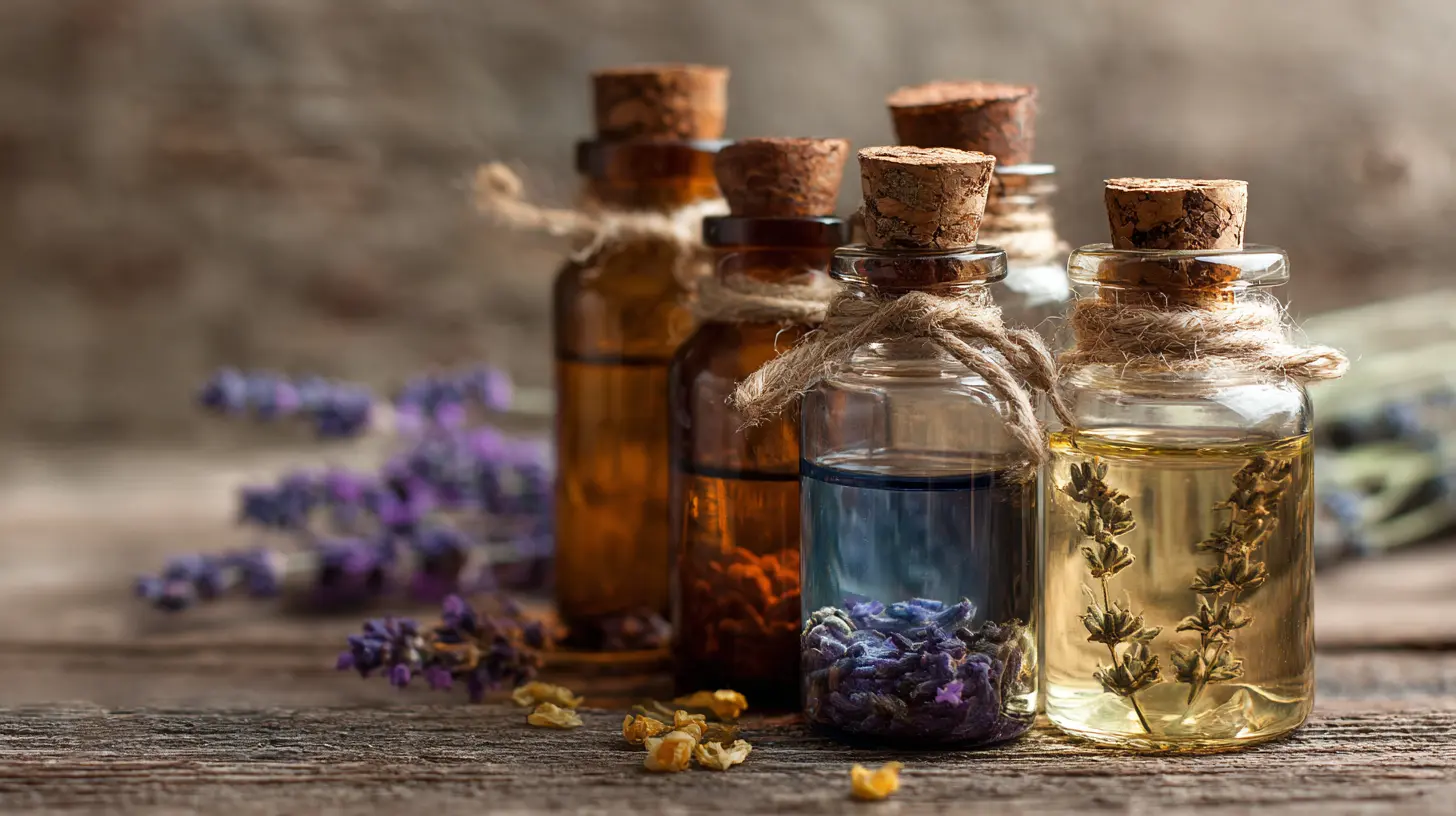
What Are Essential Oils?
Essential oils are concentrated plant extracts obtained through processes like distillation or cold-pressing. These oils capture the plant’s scent, flavor, and beneficial properties. Whether it’s the calming aroma of lavender or the refreshing scent of peppermint, these tiny bottles pack a powerful punch.But what makes them so effective? It all comes down to their chemical compounds. Essential oils contain active ingredients that interact with the body in various ways—some can soothe stress, while others may relieve pain or boost immunity.
How Do Essential Oils Work?
Essential oils work primarily through two mechanisms: inhalation and absorption.1. Inhalation
Our sense of smell is closely linked to the brain’s limbic system, which controls emotions, memory, and mood. When you inhale an essential oil, its molecules stimulate receptors in your nose, sending messages to the brain. That’s why the scent of lavender can calm anxious thoughts, or why citrus oils might boost your energy.2. Absorption Through the Skin
When applied topically (with a carrier oil like coconut or jojoba oil), essential oils absorb into the skin and enter the bloodstream. This allows them to provide localized benefits—such as reducing inflammation, easing muscle pain, or supporting skin health.Now that we understand how they work, let’s get into the real benefits.
The Therapeutic Benefits of Essential Oils
Essential oils offer a wide range of benefits, from stress relief to immune system support. Here are some of the most notable ones:1. Stress and Anxiety Relief
Feeling overwhelmed? Essential oils like lavender, chamomile, and frankincense can help promote relaxation. Studies suggest that inhaling lavender oil reduces cortisol levels (the stress hormone) and encourages a sense of calm. A few drops in a diffuser before bed can work wonders for easing a racing mind.2. Improved Sleep
Struggling with insomnia or restless nights? Essential oils such as lavender, cedarwood, and sandalwood have sedative properties that can promote better sleep. Diffusing these oils or applying them to your pillow can help you drift off faster and improve sleep quality.3. Boosted Immune System
Some essential oils have antimicrobial and antiviral properties that can support the immune system. Oils like tea tree, eucalyptus, and oregano are known for their ability to fight off bacteria, viruses, and fungi. Many people use these oils in homemade cleaning solutions or apply diluted versions to their skin during cold and flu season.4. Pain Relief and Inflammation Reduction
Tired of muscle aches and joint pain? Essential oils such as peppermint, eucalyptus, and ginger have analgesic (pain-relieving) properties. Peppermint oil, for example, contains menthol, which provides a cooling sensation that soothes sore muscles and headaches. Next time you have a tension headache, try rubbing diluted peppermint oil on your temples.5. Digestive Support
If you suffer from indigestion, bloating, or nausea, certain essential oils might help. Peppermint, ginger, and fennel are known to soothe digestive discomfort. Drinking herbal tea with a drop of peppermint oil (food-grade only) or rubbing diluted ginger oil on your stomach can ease nausea and cramps.6. Skin and Hair Health
Essential oils can do wonders for your skin and hair. Tea tree oil is a popular remedy for acne, thanks to its antibacterial properties. Rosemary oil promotes hair growth by stimulating the scalp, while lavender oil can reduce redness and irritation. Adding a few drops to your skincare or haircare routine could be a game-changer.7. Enhanced Focus and Mental Clarity
Struggling to concentrate? Essential oils like rosemary, peppermint, and lemon can enhance cognitive function and mental alertness. Inhaling their scents while working or studying can help improve focus and memory retention.8. Respiratory Support
Whether you're dealing with seasonal allergies or a stubborn cold, essential oils can open up airways and support respiratory health. Eucalyptus, peppermint, and tea tree oil are known for their decongestant and expectorant properties. Try adding a few drops to a bowl of hot water and inhaling the steam for instant relief.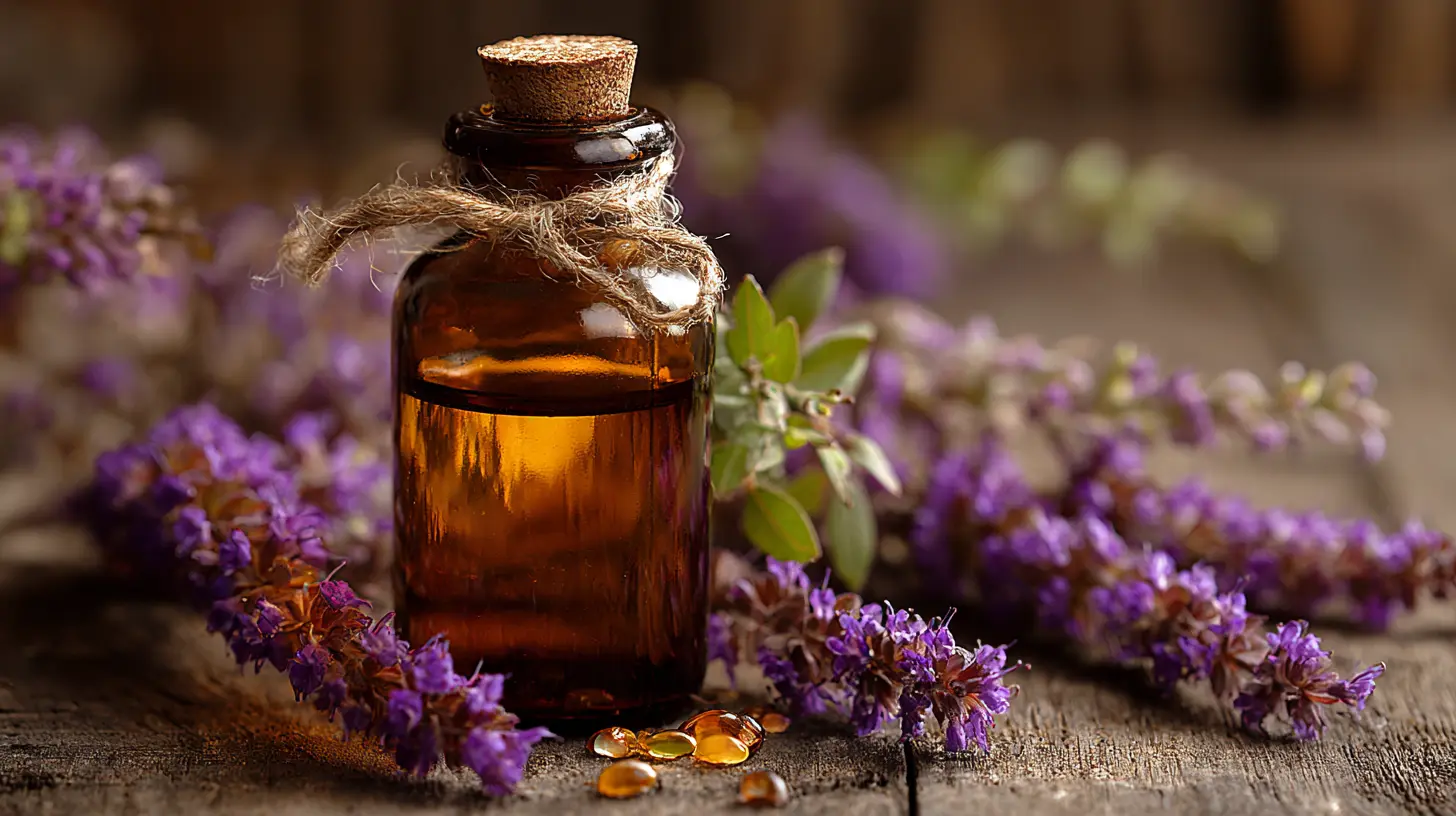
How to Use Essential Oils Safely
While essential oils come with great benefits, they must be used correctly to avoid irritation or adverse reactions. Here are some essential safety tips:1. Dilute Before Applying to Skin
Essential oils are highly concentrated and can cause irritation if applied directly to the skin. Always dilute them with a carrier oil (like coconut, almond, or jojoba oil) before topical application. A general rule is 2-3 drops of essential oil per teaspoon of carrier oil.2. Do a Patch Test
Before using any new essential oil on your skin, apply a diluted drop to a small patch of skin and wait 24 hours. If irritation occurs, discontinue use.3. Use a Diffuser for Aromatherapy
One of the safest ways to enjoy essential oils is by diffusing them in the air. Add a few drops to a diffuser filled with water and let the mist disperse throughout your space. This method is great for relaxation, focus, or respiratory support.4. Be Cautious with Ingestion
Some essential oils are marketed as edible, but ingesting them can be risky. Always consult a healthcare professional before consuming essential oils, as some can be toxic if not properly diluted.5. Keep Away from Children and Pets
Some essential oils can be harmful to pets and young children. Always store them out of reach and research which oils are safe around animals.Choosing High-Quality Essential Oils
Not all essential oils are created equal. To ensure you’re getting a therapeutic-grade product, keep these tips in mind:- Check for Purity: Look for oils that are labeled “100% pure” without synthetic additives or fillers.
- Choose Organic When Possible: Organic essential oils are free from pesticides and harmful chemicals.
- Look for Dark Glass Bottles: Essential oils should be stored in dark amber or blue bottles to prevent degradation from light exposure.
- Read Reviews and Research Brands: Some companies dilute their oils with cheaper ingredients. Always buy from reputable brands that provide transparency about sourcing and testing.
Final Thoughts
Essential oils offer a natural and holistic approach to wellness, providing everything from stress relief to immune support. While they’re not a cure-all, they can be a valuable tool in your self-care routine when used safely and effectively. Whether you're diffusing lavender for a relaxing night in, rubbing peppermint oil on sore muscles, or adding tea tree oil to your skincare, these plant-powered extracts can make a real difference in your life.So, are essential oils just hype? Absolutely not! They’ve stood the test of time for a reason—and with a little knowledge, you can harness their benefits and improve your overall well-being.
all images in this post were generated using AI tools
Category:
WellnessAuthor:

Laura Hudson
Discussion
rate this article
2 comments
Honor Flores
Smell good, feel great! Essential oils rock!
August 15, 2026 at 2:34 PM
Dusk Riley
Oh great, finally a way to fix all my problems with just a few drops of lavender. Who knew my emotional baggage could be solved with a bottle from the discount store? Essential oils must be the magic cure we've all been waiting for!
May 23, 2026 at 4:02 PM
Laura Hudson
I love your humor! While essential oils aren't a magic fix, they can be a helpful part of a larger self-care routine.