Farm-to-Table: Embracing Local, Seasonal Foods
12 August 2026
Eating fresh, locally grown food isn't just a trend—it's a way of life that benefits your health, your community, and the environment. The farm-to-table movement is all about choosing seasonal, locally sourced ingredients and enjoying meals that are both nutritious and sustainable.
Ever wondered why a homegrown tomato tastes so much better than one from the grocery store? Or why seasonal fruits seem juicier and more flavorful? That’s the magic of farm-to-table eating! Let’s dive into why embracing local and seasonal foods is one of the best choices you can make. 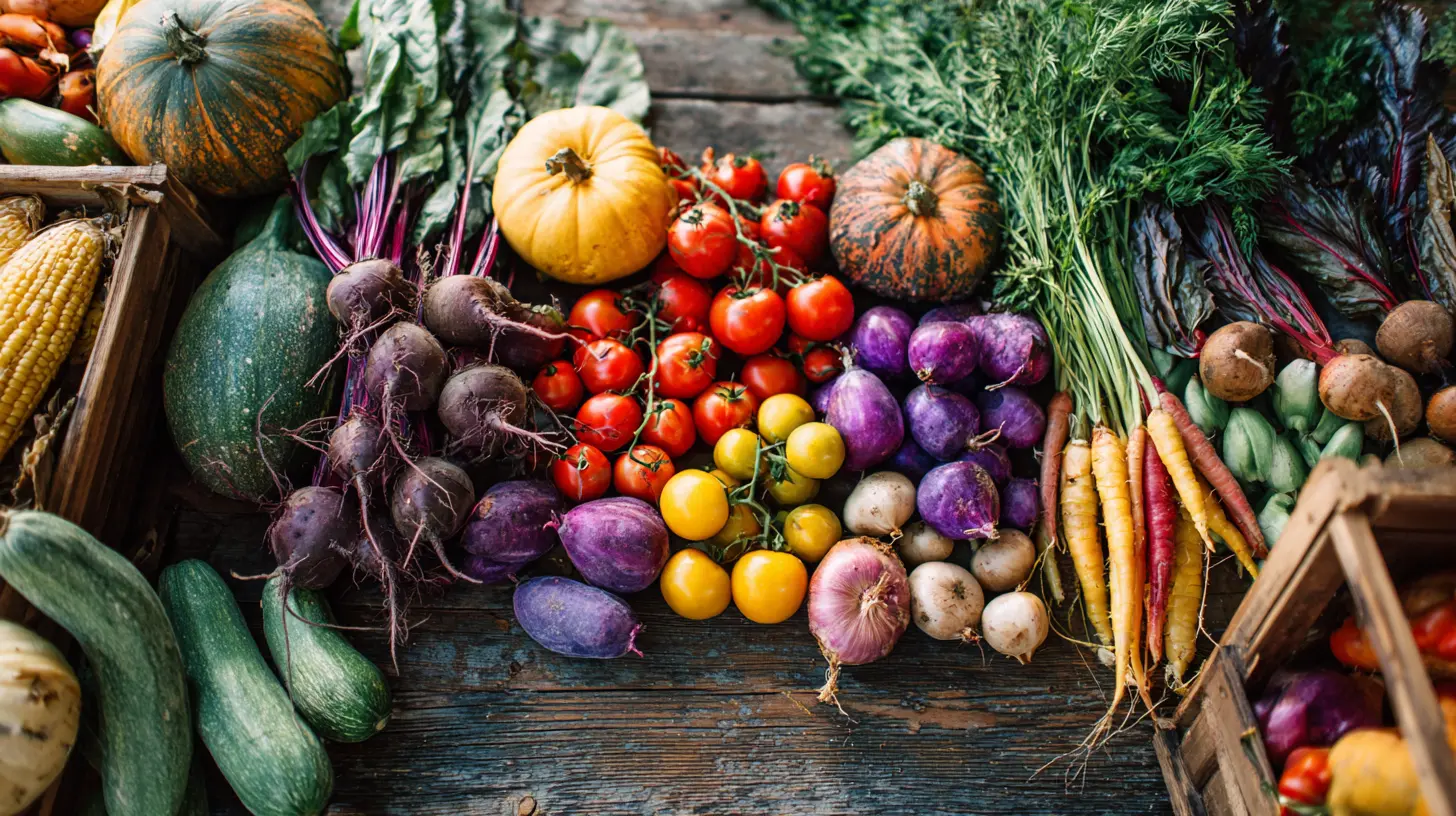
What Is Farm-to-Table?
Farm-to-table is a movement that encourages sourcing ingredients directly from local farms rather than relying on mass-produced, long-distance food supply chains. It focuses on fresh, seasonal, and organic products that haven’t traveled thousands of miles before landing on your plate.This approach allows you to enjoy food at its peak ripeness, bursting with flavor and nutrients. Plus, it cuts out harmful preservatives and excessive processing. Simply put, it’s food in its purest, most delicious form. 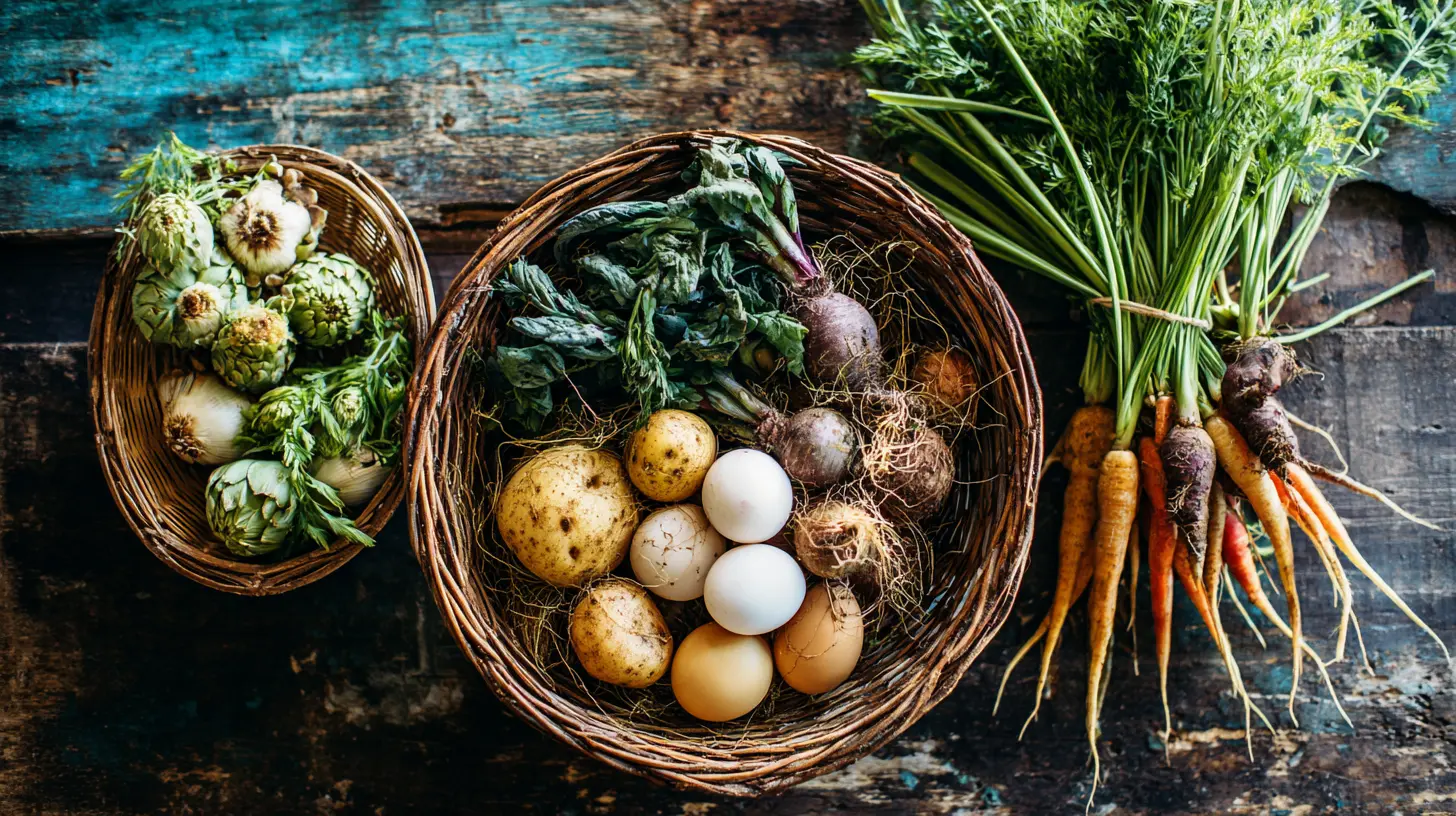
The Benefits of Eating Local and Seasonal Foods
Choosing farm-to-table ingredients isn't just about taste—it's about health, sustainability, and supporting local businesses. Here are some key reasons to embrace this lifestyle:1. Nutritional Superiority
Did you know that food loses nutrients the longer it sits in storage? Fruits and vegetables begin to degrade the moment they're harvested. By eating local and seasonal produce, you're getting food at its freshest and most nutrient-dense state.Take spinach, for example. When shipped long distances, it can lose nearly 50% of its vitamin C content in just a few days. But when you buy it fresh from a local farm, you're getting all the essential nutrients your body needs.
2. Unmatched Flavor and Freshness
Have you ever tasted a strawberry picked straight from the vine? The difference between fresh, seasonal produce and mass-produced, store-bought versions is night and day. Grocery store fruits and veggies are often harvested before they’re ripe to survive long trips, but local produce is picked at peak ripeness, meaning better taste and texture.3. Supports Local Farmers and Communities
When you choose farm-to-table, you're directly supporting farmers in your area. This keeps money in the local economy, helps small businesses thrive, and strengthens community bonds. Plus, small-scale farms are more likely to use sustainable farming practices compared to industrial farms.4. Reduces Environmental Impact
Think about the journey of an out-of-season fruit. It’s grown in another country, packed, cooled, shipped, and transported before it even reaches your plate. That’s a huge carbon footprint! By eating locally, you cut down on transportation emissions, reduce packaging waste, and support eco-friendly farming methods.5. Less Exposure to Harmful Chemicals
Imported produce often requires preservatives, wax coatings, and pesticides to survive long trips. Locally grown food, especially from organic farms, is less likely to contain these artificial additives. Eating farm-to-table means fewer toxins in your diet and a healthier body overall.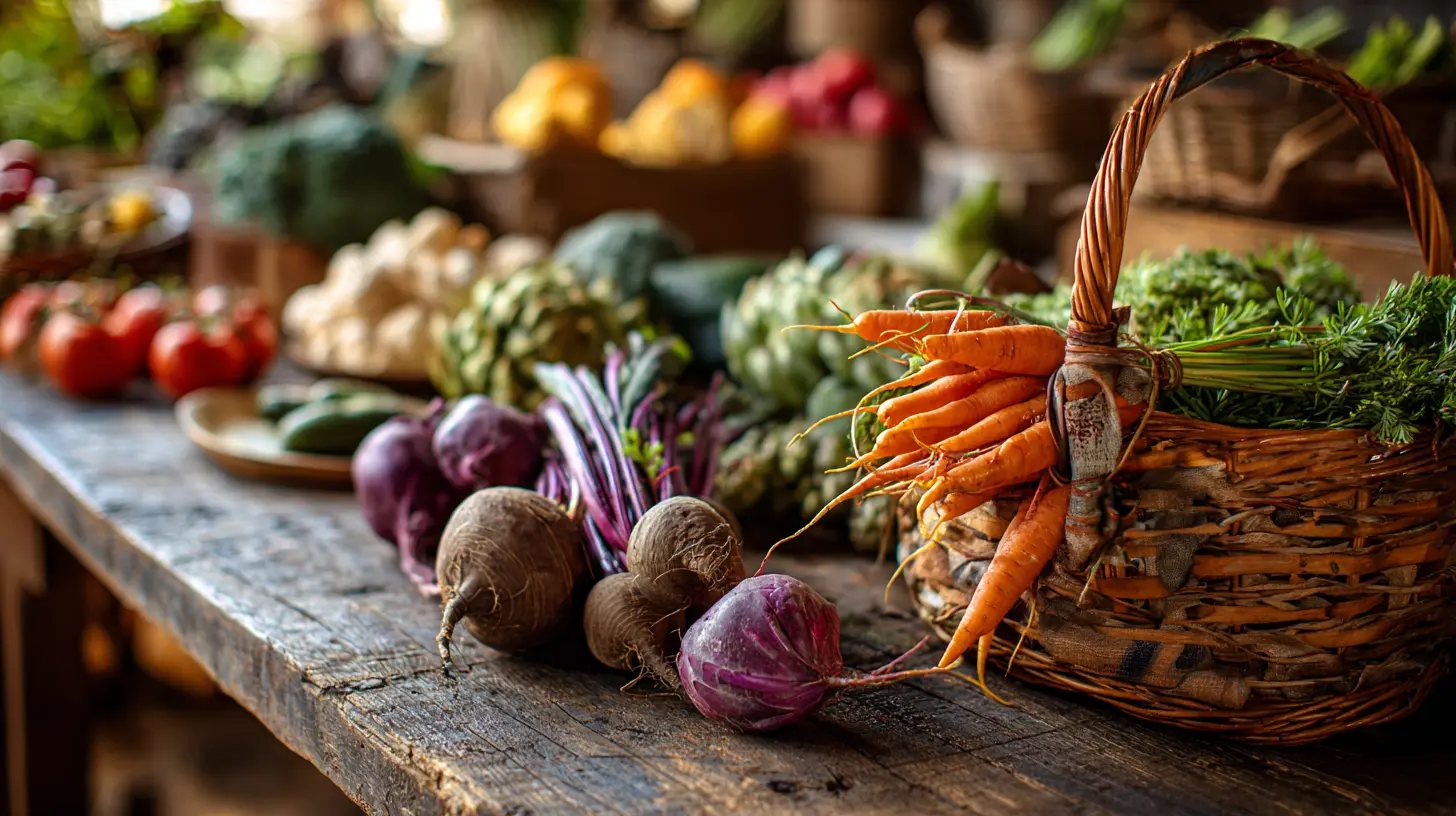
How to Incorporate Farm-to-Table Eating Into Your Life
Now that you know why farm-to-table is so amazing, how can you make it a part of your everyday life? It’s simpler than you think!1. Shop at Farmers' Markets
Farmers' markets are one of the best places to find fresh, local, and seasonal produce. You can talk directly to farmers, ask about their growing methods, and even discover new ingredients you wouldn’t find in a supermarket.2. Join a CSA (Community Supported Agriculture)
A CSA subscription delivers a box of fresh, local produce to your doorstep every week or month. It’s a fantastic way to support small farms while ensuring a steady supply of nutritious, seasonal food.3. Grow Your Own Food
Even if you don’t have a huge backyard, herbs, lettuce, and cherry tomatoes can thrive in small pots on your kitchen counter or balcony. Growing your own food is incredibly rewarding and ensures you always have fresh produce on hand.4. Eat Seasonally
Not sure what's in season? A quick Google search or a chat with your local farmer can help. Eating seasonally means you're getting peak flavor and nutrition while reducing reliance on imported goods.5. Support Restaurants That Source Locally
Many restaurants now highlight farm-to-table ingredients on their menus. When dining out, look for places that prioritize freshness and sustainability. Not only will your meal taste better, but you'll also be supporting ethical food practices.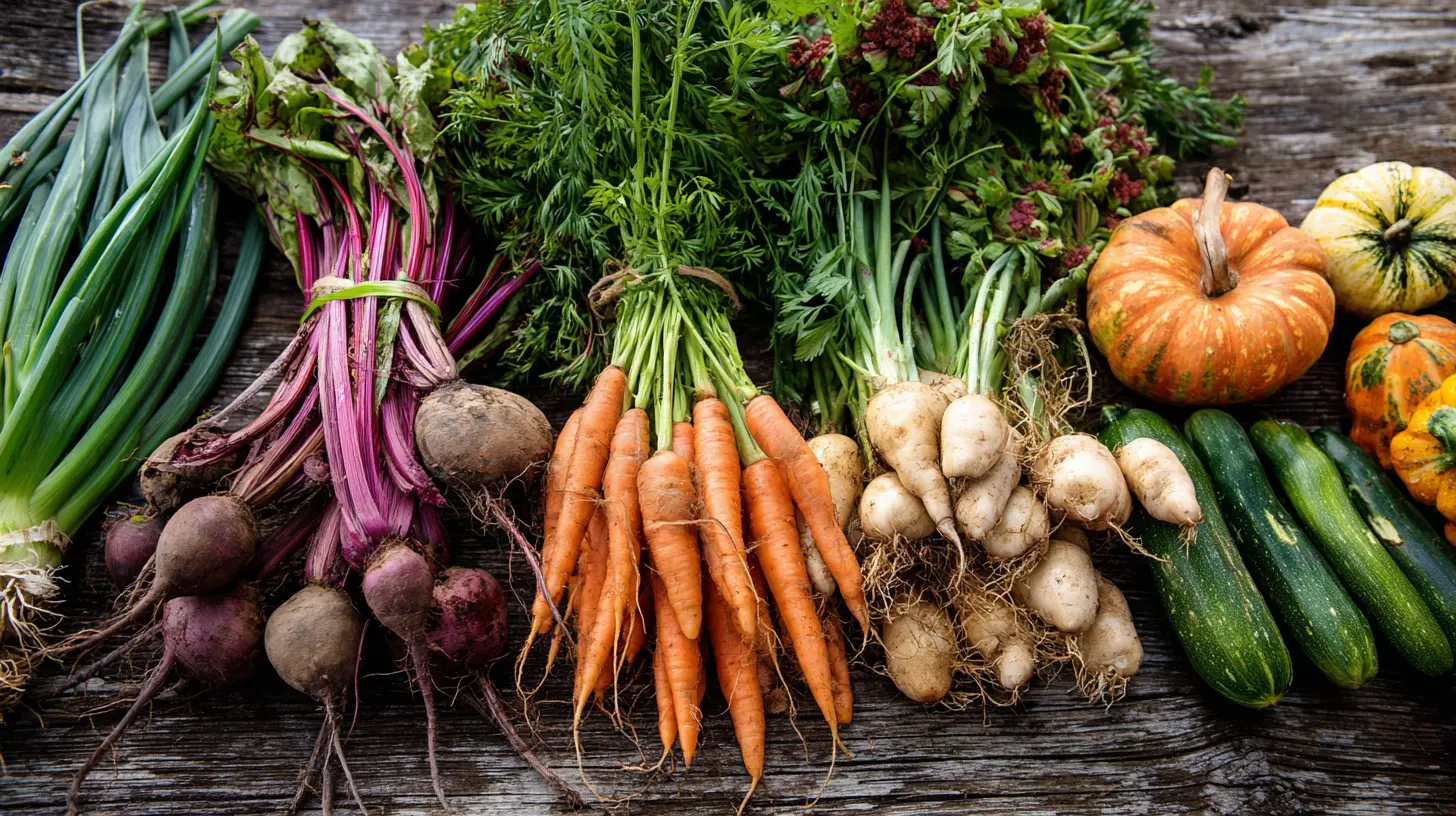
Common Myths About Farm-to-Table Eating
Despite its many benefits, farm-to-table eating is sometimes misunderstood. Let’s clear up a few common myths:Myth 1: It’s Too Expensive
While some organic and local items may cost slightly more, shopping at farmers' markets or participating in a CSA can often be more affordable than buying organic produce from a supermarket. Plus, the health benefits outweigh the additional cost!Myth 2: There's Not Enough Variety
Many people think that eating locally means limiting their options. But in reality, every season offers a diverse array of foods, and trying new, fresh ingredients can be a fun culinary adventure.Myth 3: It’s Inconvenient
Sure, it may require a little extra effort in the beginning, but once you find your go-to farmer’s market or CSA, it becomes second nature. Plus, many local farms now offer delivery services to make accessing fresh food easier than ever.The Future of Farm-to-Table
The farm-to-table movement isn’t just a passing fad—it’s the future of food. As people become more conscious of their health, sustainability, and food quality, the demand for fresh, local ingredients will continue to rise.Governments and organizations are also investing in small farms and advocating for better food policies, making farm-to-table eating more accessible than ever. By embracing this lifestyle today, you’re not just improving your own health—you’re contributing to a better, more sustainable food system for future generations.
Final Thoughts
Farm-to-table eating is about more than just food—it’s about making thoughtful choices that benefit your health, your community, and the planet. It’s about slowing down, savoring flavors, and appreciating where your food comes from.So next time you’re deciding between a grocery store apple from thousands of miles away and a fresh, juicy apple from your local farmer, go with the farm-fresh option. Trust me, your taste buds (and your body) will thank you!
all images in this post were generated using AI tools
Category:
Healthy LifestyleAuthor:

Laura Hudson