Foods to Avoid When You’re Pregnant
29 April 2026
Let’s be real for a second—pregnancy is one wild ride. You’re growing a human inside you (wow, right?), and that little bundle of joy depends on you for everything, especially proper nutrition. But here's the catch: not everything that's good for you normally is good for you while you’re pregnant.
And while cravings are real (hello, pickles and ice cream), there are also a bunch of foods that can put your health and your baby’s development at risk. So before you dig into that deli sandwich or sip on that undercooked eggnog your aunt swears is "totally fine," let’s break down what you should steer clear of for the next nine months.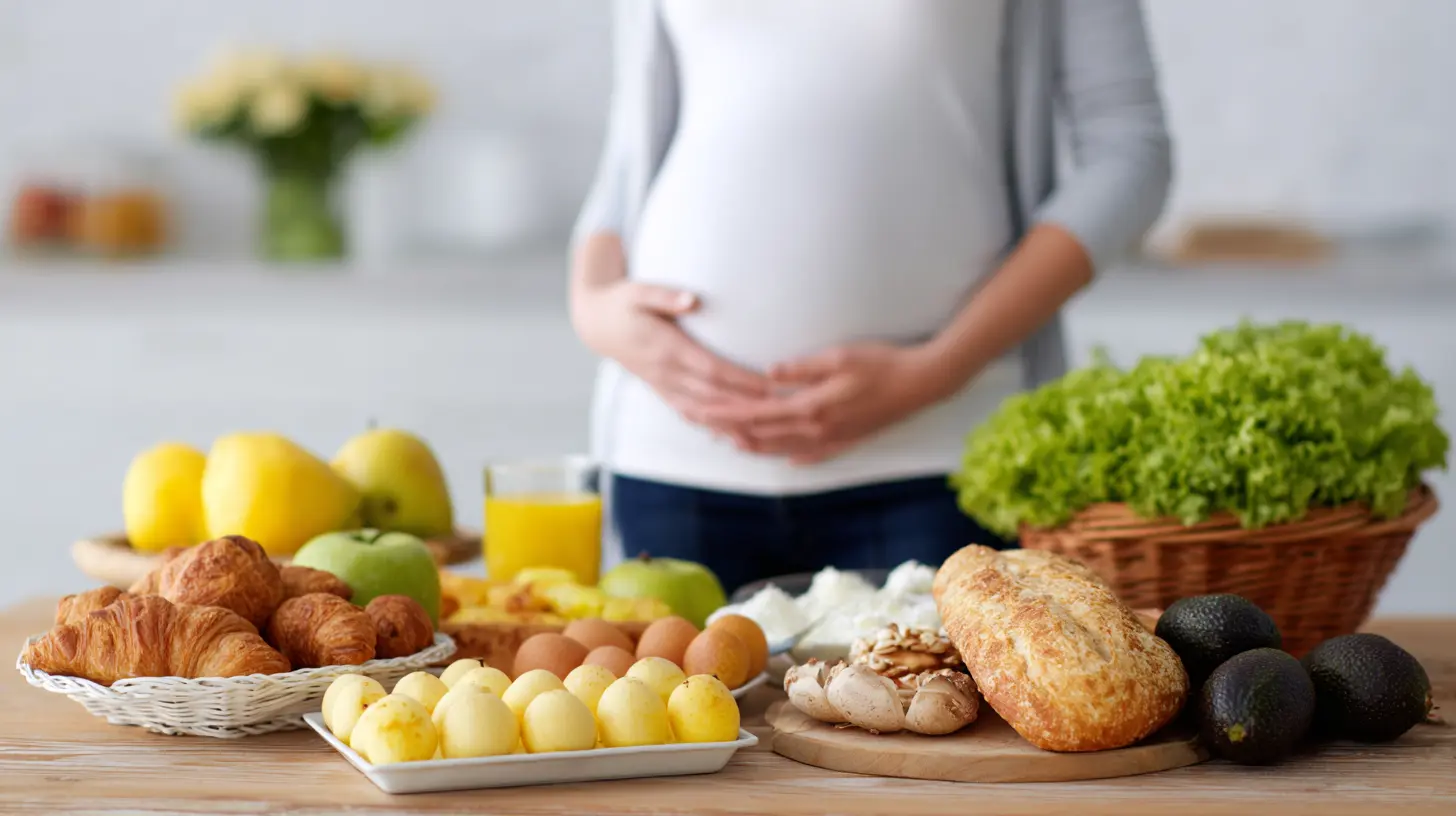
Why Do Certain Foods Become Risky During Pregnancy?
Before we dive into the no-no list, let’s talk about why some foods are a problem when you’re expecting.Your immune system weakens during pregnancy. That means your body doesn’t fight off bacteria, parasites, and viruses as well as it usually does. On top of that, your baby’s immune system? Still immature. So any harmful bacteria or contaminants you consume could lead to foodborne illnesses like listeria, toxoplasmosis, or salmonella, which aren’t just uncomfortable—they can actually cause miscarriages, premature birth, or serious birth defects.
Also, some foods mess with your baby’s development or have chemicals that could harm their growing organs. So yeah, what you eat matters. A LOT.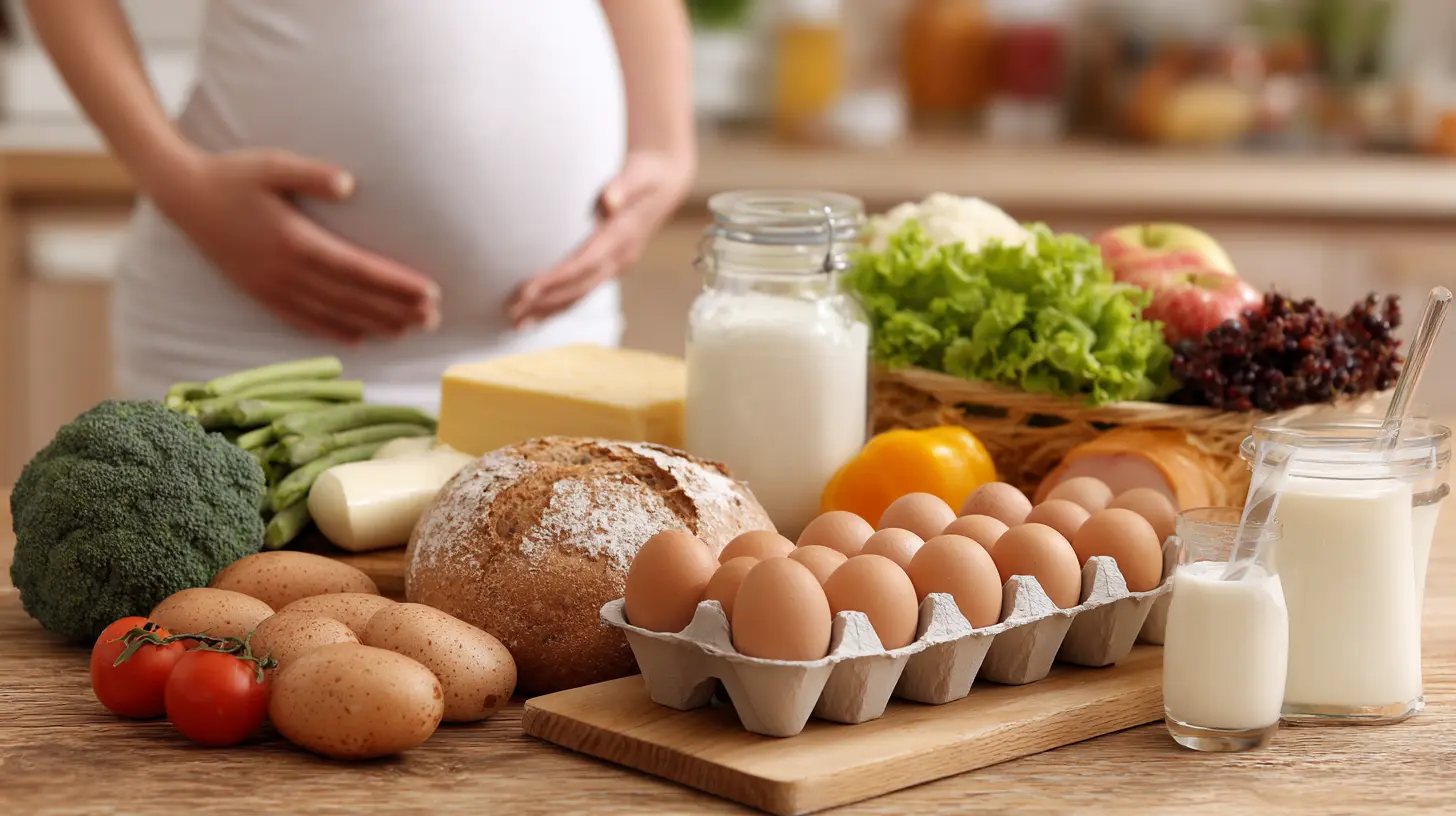
1. Raw or Undercooked Eggs
What's the Harm?
Raw or soft eggs (like sunny-side up or runny scrambled eggs) can be carriers of salmonella. And trust me, salmonella poisoning isn’t cute when you're pregnant—it leads to vomiting, diarrhea, fever, and dehydration. Not a vibe.Where They Hide
- Homemade Caesar dressings- Hollandaise sauce
- Raw cookie dough (we know it’s tempting, but hold off)
- Some tiramisus or other no-bake desserts
What to Do Instead
Use pasteurized egg products. They’re safe and still taste great. Wanna lick the bowl after baking? Wait until post-baby.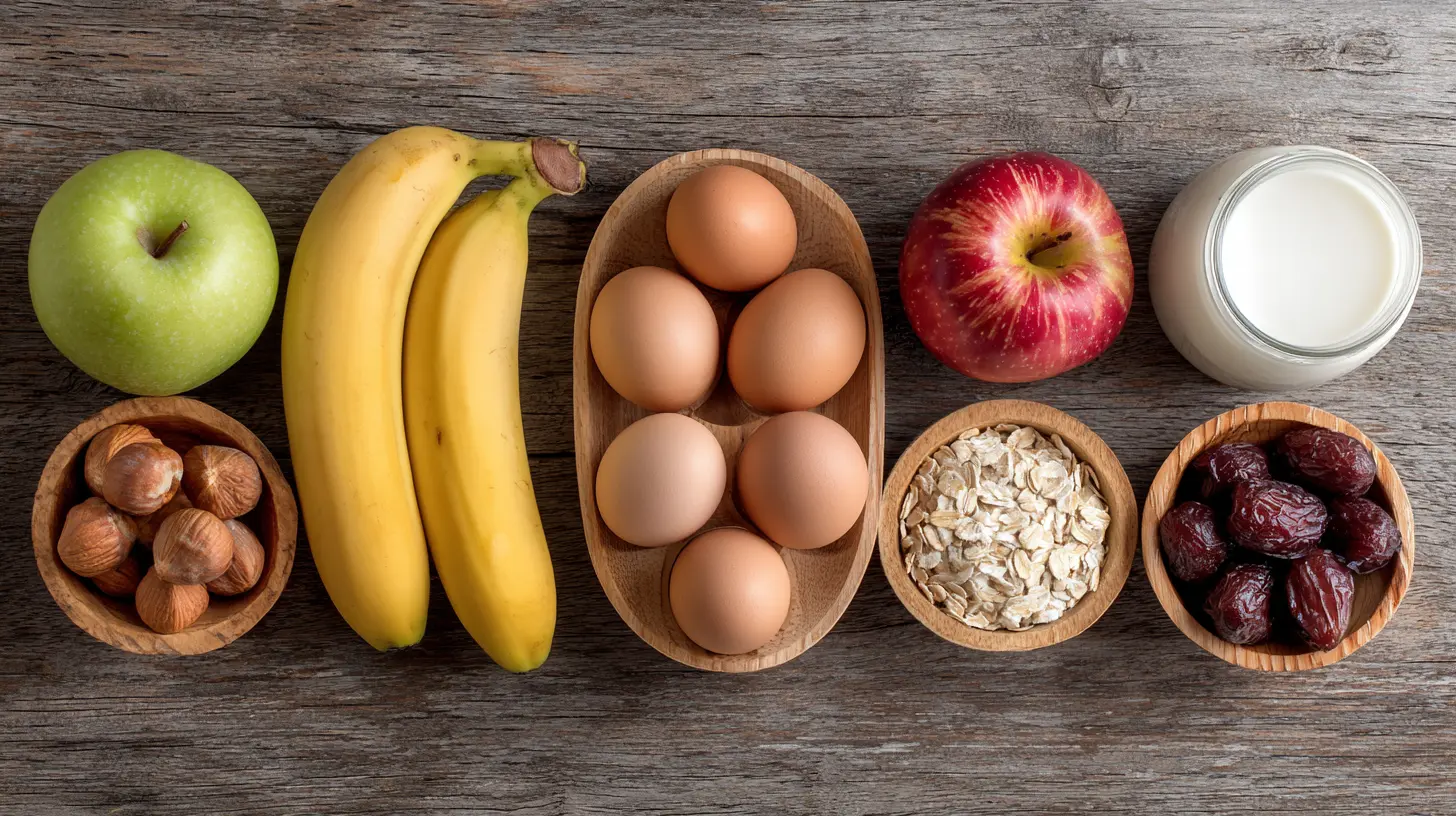
2. High-Mercury Fish
Why You Should Be Cautious
Mercury is a heavy metal (not the rock band) that can mess with your baby’s developing brain and nervous system.Fish to Ditch
- Shark- Swordfish
- King mackerel
- Tilefish
These are big fish that live long and eat other fish, which means they accumulate a lot of mercury. It’s kind of like they’re hoarding it—and trust me, you don’t want any part of that.
Safe Alternatives
Stick to low-mercury fish like:- Salmon (bonus: omega-3s!)
- Sardines
- Tilapia
- Cod
- Canned light tuna (in moderation)
3. Deli Meats and Hot Dogs
Hear Me Out
Cold cuts and hot dogs can sometimes be contaminated with listeria, a nasty bacteria that can survive cold temps and harm your baby. Even if they’re pre-cooked, the bacteria can still linger—yikes.How to Still Enjoy Them
Heat them until they’re steaming hot. Yes, even the turkey slices. I know it sounds high-maintenance, but your baby’s safety is worth that extra 30 seconds in the microwave.4. Unpasteurized Dairy Products
What’s the Deal?
Unpasteurized (or “raw”) milk, cheese, and other dairy products haven’t been heat-treated to kill harmful bacteria like listeria or E. coli. These guys can wreak havoc on both you and your baby.Types to Avoid
- Raw milk- Soft cheeses like Brie, Camembert, Roquefort, Feta, or Queso Fresco (unless it clearly says pasteurized)
Safer Swaps
Go for hard cheeses like cheddar, or check for the “pasteurized” label on softer options. Trust the label—it’s not lying to you.5. Raw or Undercooked Meat
Yup, It’s a Red Flag
Raw meat can carry toxoplasma, a parasite that can seriously harm your baby’s brain and eyes. Not to mention all the other germs like salmonella.Examples
- Rare steak or burgers- Carpaccio
- Raw sausages
The Safe Side
Cook meats to at least 160°F (medium-well to well-done). Ground meats should always be cooked thoroughly because bacteria can be mixed throughout.6. Sushi and Raw Seafood
Sushi Lovers, Brace Yourselves
Raw sushi, oysters, clams, or ceviche might be a flavor explosion, but they’re also a bacteria and parasite playground. Again, we’re trying to avoid listeria and other infections.But I Really Want Sushi!
Go for “cooked sushi” options:- Tempura rolls
- Cooked shrimp rolls
- Crab (imitation crab is safe too)
Still sushi. Still delicious. No risk to baby.
7. Liver and Liver Products
Wait, Isn’t Liver Packed with Nutrients?
Yes, but it also has an insane amount of vitamin A—and too much vitamin A during pregnancy can cause birth defects, especially in early pregnancy.Hidden Sources
- Liver pâté- Cod liver oil
- Multivitamins with high vitamin A (Always check with your doc!)
8. Alcohol
No Amount is Safe
There’s no magic number of “safe drinks.” Alcohol crosses the placenta, and it can lead to Fetal Alcohol Spectrum Disorders (FASDs), which affect brain development, behavior, and facial features. It's just not worth the risk.So yeah, even that “just one glass” thinking? A pass.
9. Caffeine (in moderation)
Don’t Freak Out
You don’t have to cut out caffeine entirely, but limit it. High caffeine intake is linked to lower birth weight and even miscarriage.How Much is OK?
Most guidelines suggest under 200 mg per day—about one regular (not large) cup of coffee.Don’t forget, caffeine sneaks into:
- Soda
- Tea
- Chocolate
- Energy drinks (which are a hard no anyway)
10. Unwashed Fruits and Veggies
Dirt and Danger
They seem harmless, right? Maybe even healthy? But unwashed produce can carry toxoplasma, E. coli, and other harmful stuff from soil and handling.Easy Fix
Just wash them thoroughly—even the “pre-washed” ones. Better safe than dealing with unnecessary tummy troubles.11. Sprouts (Raw)
A Surprising One
Raw alfalfa, clover, mung bean, or radish sprouts can carry salmonella or E.coli. Why? Because their warm, humid growing conditions are perfect for bacteria.Want ‘Em?
Cook them. That’s literally it. A quick sauté and they’re safe to enjoy.12. Artificial Sweeteners (Some of Them)
Are All Sweeteners Off the Table?
Nope. But some are a bit sketchy. Saccharin, for example, crosses the placenta and could build up in fetal tissue. Better to stick with natural or pregnancy-safe options.Safer Choices
- Stevia (pure form)- Sucralose (Splenda)
- Aspartame (in moderation)
Still not sure? Ask your OB—they’ve seen it all.
13. Herbal Teas and Supplements
“Natural” Isn’t Always “Safe”
Just because it grows in nature doesn’t mean it’s good for pregnancy. Some herbs can trigger contractions or affect hormone levels.Herbs to Avoid:
- Licorice root- Dong quai
- Pennyroyal
- Black cohosh
When in doubt, stick with pregnancy-approved teas or consult with an herbalist trained in prenatal safety.
So…What CAN You Eat?
Okay, that was a lot of things not to eat. You might be wondering—what’s left!?Plenty. Load up on:
- Fresh fruits and veggies (washed, of course)
- Whole grains
- Lean proteins (well-cooked)
- Legumes
- Dairy or fortified alternatives
- Healthy fats (avocados, nuts, olive oil)
Basically, aim for balance. You don’t have to be perfect, but the more mindful you are, the better for both of you.
Final Thoughts
Pregnancy is your time to shine, not stress. Avoiding certain foods might feel overwhelming at first—but it’s not about restriction. It’s about protection.You’ve got one job right now: grow a healthy, strong baby. And with a bit of label reading, some common sense, and (let’s be honest) a lot of Googling, you're totally capable of handling it.
Oh, and once that baby’s born? Sushi, wine, and sunny-side-up eggs are all back on the table. Hang in there, mama.
all images in this post were generated using AI tools
Category:
Pregnancy HealthAuthor:

Laura Hudson
Discussion
rate this article
2 comments
Ivy McClintock
Great tips! Keeping you and baby healthy is so important.
June 6, 2026 at 4:50 PM
Laura Hudson
Thanks for your feedback! Staying healthy during pregnancy is crucial.
Olivia Jacobs
It's fascinating how certain foods can impact pregnancy. I wonder how personal experiences shape these recommendations. It would be interesting to hear from others about their journeys and any surprises they encountered regarding diet during this special time.
May 8, 2026 at 3:08 AM
Laura Hudson
I agree, personal experiences can really influence dietary decisions during pregnancy. Hearing different journeys can provide valuable insights and surprises. It's always interesting to learn what worked or didn't for others.