How Creative Expression Supports a Healthy Lifestyle
29 January 2026
Creativity isn't just about painting masterpieces or writing poetry—it's a way of life. Whether you're doodling in a notebook, crafting music, dancing in your living room, or simply journaling your thoughts, creative expression has the power to transform your well-being. But did you know that expressing yourself creatively can also improve your physical and mental health?
In today’s fast-paced world, stress, anxiety, and burnout are all too common. Creative activities provide an outlet, a way to process emotions, and a path to genuine self-discovery. So, let’s dive deep into how embracing creativity can support a healthier, happier, and more balanced lifestyle. 
The Connection Between Creativity and Health
You might be wondering, how does painting or singing a song actually improve my health? The answer lies in the mind-body connection. Creativity stimulates the brain, reduces stress hormones, and even influences bodily functions like heart rate and immune response.Here’s how creative expression contributes to a healthier lifestyle:
- Reduces Stress and Anxiety – Engaging in creative activities lowers cortisol levels (the primary stress hormone), helping you feel at ease.
- Boosts Mental Clarity – Creativity forces your brain to think differently, promoting problem-solving skills and improving cognitive function.
- Enhances Emotional Well-Being – Expressing thoughts and feelings creatively helps process difficult emotions, leading to greater self-awareness.
- Supports Physical Health – Believe it or not, creative activities like playing music or painting can reduce blood pressure and improve overall heart health. 
1. Creativity as a Stress Reliever
Let’s be real—life gets overwhelming. But have you ever noticed how losing yourself in a creative activity makes time fly? That’s because when you engage in creative expression, your brain shifts into a "flow state"—a form of deep immersion that naturally reduces stress.Think of it this way: creativity acts as a pressure valve, releasing pent-up tension that builds up from daily responsibilities. Whether it’s writing, drawing, or even cooking, giving yourself the space to be creative can break the vicious cycle of stress and exhaustion.
Quick Tip:
The next time you feel stressed, grab a piece of paper and start doodling. It doesn't have to be a masterpiece—just let your mind wander and express itself freely.
2. Boosting Mental Health Through Creative Expression
Mental health struggles are real, and sometimes, words aren’t enough to express what we’re feeling. That’s where creativity steps in. Art, music, and movement offer an alternative way to communicate emotions that might be difficult to put into words.Creativity and Depression
Creative expression stimulates dopamine—the “feel-good” neurotransmitter. This can lift your mood, boost motivation, and even help combat symptoms of depression.Art Therapy: More Than Just Drawing
Art therapy is a clinically proven way to help people manage mental health conditions. Whether it’s painting, sculpting, or even coloring, these activities allow the brain to process emotions in a safe, non-verbal way.Don’t feel like an artist? It doesn’t matter. The point isn’t to create museum-worthy artwork—it’s simply to express yourself. 
3. How Creativity Enhances Brain Function
Ever feel like your brain is stuck on autopilot? Creativity shakes things up, encouraging your mind to think outside the box.Improving Problem-Solving Skills
Engaging in creative activities forces the brain to make new connections, improve memory retention, and enhance problem-solving abilities. So, if you’re constantly solving problems at work or in life, creativity can help sharpen your mental agility.Slowing Down Cognitive Decline
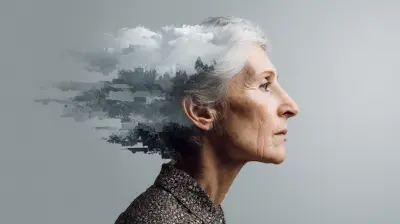
Research suggests that engaging in creative activities can help prevent cognitive decline and even reduce the risk of diseases like Alzheimer’s. Keeping your brain actively engaged through artistic expression fosters neuroplasticity—the brain’s ability to rewire itself.Brainpower Booster: Try picking up a hobby that challenges your mind, like learning a new instrument, writing poetry, or even crafting DIY projects.
4. Creativity and Physical Health: Is There a Link?
Believe it or not, creative activities don’t just benefit your mind—they also impact your physical health in a big way.Lowering Blood Pressure and Reducing Inflammation
Studies have shown that engaging in relaxing creative activities like painting or knitting can actually reduce blood pressure and lower inflammation. When you're in a calm, creative state, your body reacts positively by lowering stress-related physical symptoms.Dance: A Fun Way to Stay Active
Not all creative expressions happen while sitting still. Dancing, for example, is a powerful way to express yourself while staying physically active. It improves cardiovascular health, flexibility, and even balances hormones linked to mood regulation.Pro Tip: Feel like skipping the gym? Put on your favorite song and dance around your living room instead. You’ll get a great workout without even realizing it.
5. Using Creativity to Strengthen Social Connections
Humans are social beings, and creativity can be a fantastic way to connect with others. Engaging in creative group activities—think painting classes, singing in a choir, or attending poetry readings—builds friendships and a sense of community.The Power of Sharing Your Creativity
Sharing your work with others, whether it's a drawing, a song, or even a heartfelt poem, creates deep emotional bonds. It allows people to relate to you on a personal level, fostering closer relationships.Feeling isolated? Join a local art class, start a book club, or collaborate on a project with friends—it’s a simple way to build connections while engaging in creative expression.
6. Finding Your Creative Outlet
So, how do you incorporate creativity into your daily life if you don’t see yourself as an “artist”? The good news is, creativity comes in many forms, and it’s all about finding what resonates with you.Creative Activities to Try:
- Journaling – Putting your thoughts on paper can be incredibly therapeutic.- Photography – Capturing moments forces you to see the world through a different lens.
- Gardening – A beautiful fusion of creativity and nature that promotes relaxation.
- Cooking – Experimenting with flavors and presentation is an art form in itself.
- Music – Playing an instrument or even just singing along to your favorite songs can be extremely uplifting.
- DIY Crafts – Creating something with your hands gives a sense of accomplishment and joy.
The key is to embrace the process without worrying about the outcome. Creativity isn’t about perfection; it’s about self-expression.
Final Thoughts: Creativity is Self-Care
At the end of the day, creative expression isn’t just for artists—it’s for everyone. It’s a way to relieve stress, boost mental and physical health, and connect with others on a deeper level. So, whether it’s painting, dancing, writing, or simply daydreaming, give yourself permission to create.Your body, mind, and soul will thank you for it.
all images in this post were generated using AI tools
Category:
Healthy LifestyleAuthor:
Laura Hudson
Discussion
rate this article
2 comments
Indigo Bellamy
Empowering and enriching approach!
February 4, 2026 at 4:58 AM
Laura Hudson
Thank you! I'm glad you found it empowering. Creative expression truly makes a difference.
Katherine Oliver
Thank you for highlighting the powerful connection between creativity and health—truly inspiring!
February 1, 2026 at 5:07 AM
Laura Hudson
Thank you for your kind words! I’m glad you found the connection inspiring.