How Grief and Emotional Turmoil Interfere with a Healthy Sleep Pattern
6 May 2026
Let’s be real—grief sucks. It’s heavy, it’s chaotic, and it doesn’t come with a rulebook. One of the worst parts? It sneaks into every corner of your life, especially your sleep.
You know that feeling when your brain just. won’t. shut. off? Your heart's aching, your thoughts are swirling, and the idea of a peaceful night’s sleep... well, that feels miles away. You’re not alone in that.
Grief and emotional turmoil can completely upend your sleep pattern. In this article, we’re diving deep into how that happens, why it matters, and what you can actually do about it.
What Exactly Is Grief?
Grief isn't just about crying after losing someone. It’s so much bigger than that. It’s a mental, emotional, and physical storm that can hit you in expected and unexpected ways.Grief shows up after death, sure, but also after divorce, job loss, serious illness, or even moving to a new place. It’s the emotional reaction to any form of loss. And yeah, it plays dirty.
Sleep During Grief? It's Like Herding Cats
You might think sleep would come easily when you're emotionally drained. After all, you’re exhausted, right? But nope—grief flips the switch.Here’s how grief can mess with your sleep:
- You can’t fall asleep – Your mind won’t stop racing.
- You wake up at 3 a.m. – And it feels like a freight train of sadness just slammed into your chest.
- You oversleep – But you still wake up feeling like a zombie.
- You dream vividly – Sometimes about the person or thing you lost. It's like reliving the pain in high-def.
You’re caught between being too wired to sleep and too tired to function. It’s a vicious cycle.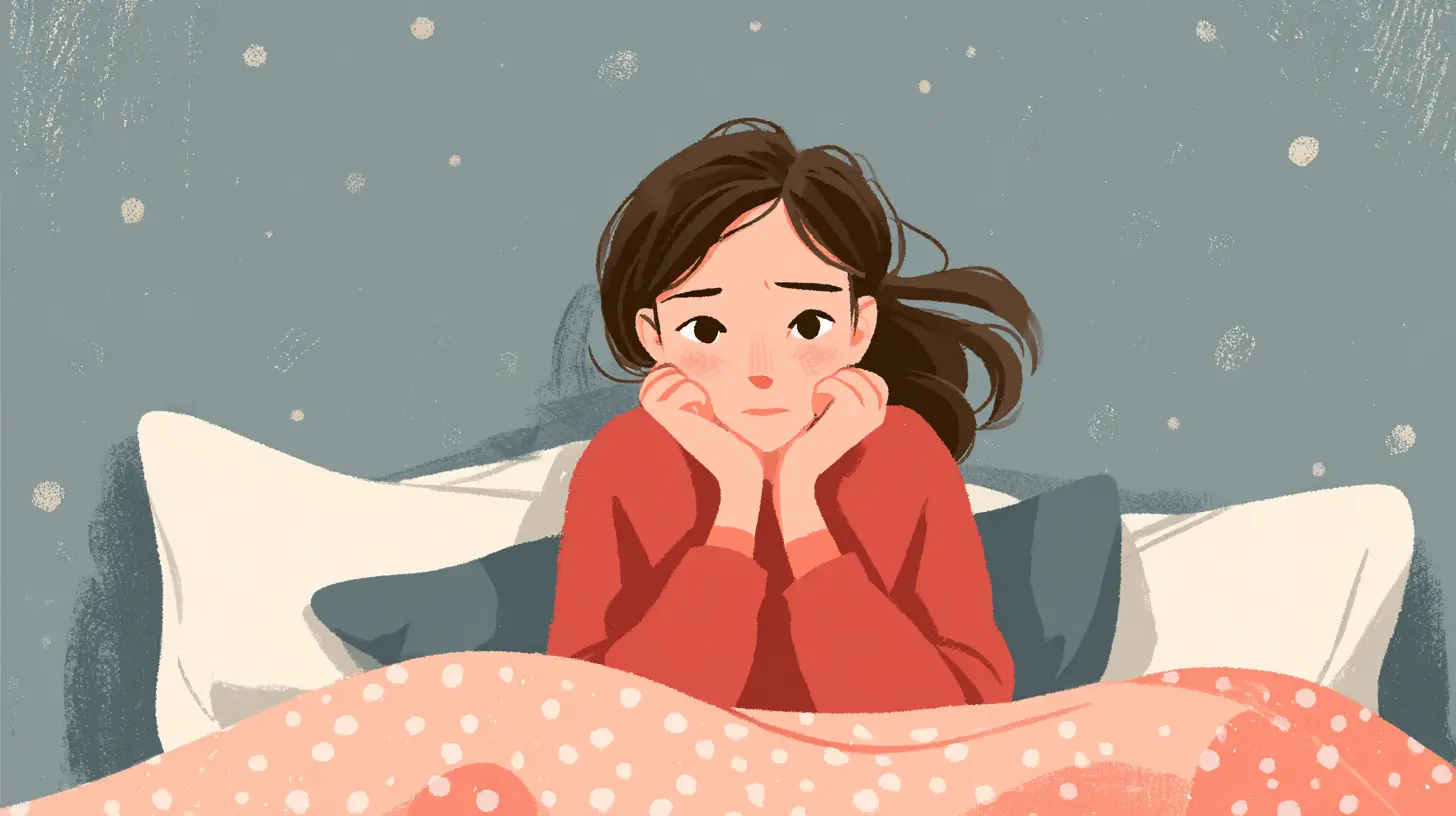
Why Does Grief Wreck Your Sleep?
Okay, time to get a little science-y, but stick with me.1. Stress Hormones Go Haywire
Grief triggers a stress response in your body. That means your brain sends out a flood of stress hormones like cortisol and adrenaline. These are the same chemicals that kick in when you’re in survival mode.Here’s the catch: Cortisol is meant to keep you alert—not help you relax into sleep. So when cortisol levels stay elevated (which often happens during grief), your body stays on high alert. That’s not exactly snooze-friendly.
2. Anxiety and Rumination Take Over
You know those “what if” thoughts that spiral out of control as soon as your head hits the pillow? That’s what psychologists call rumination. It’s like your brain holding a midnight conference on all your worst fears.Anxiety is a frequent bedfellow with grief. You worry about the future, your well-being, your family… everything. And this mental noise crashes any chance of a good night’s sleep.
3. Depression Disrupts Sleep Architecture
Grief often walks hand-in-hand with depression. Depression doesn't just make you feel low—it messes with your sleep architecture, which is basically your internal blueprint for how your body cycles through sleep stages.With depression, you might:
- Struggle to fall asleep
- Wake up too early
- Get stuck in light sleep stages
So even if you get eight hours, it might not feel restorative.
4. Irregular Routines and Isolation
Grief can seriously mess with your daily routine. Maybe you’re skipping meals, staying indoors too much, or binge-watching Netflix at 3 a.m. just to feel something. It’s all understandable—but all of it throws your circadian rhythm (your body’s internal clock) out of whack.And if you're withdrawing from others? Loneliness and isolation only deepen emotional unrest, leading to—you guessed it—more trouble sleeping.
Real Talk: What Happens When Sleep Goes Out the Window?
Sleep isn't a luxury; it's essential. Think of it like emotional housekeeping. While you sleep, your brain processes emotions, files memories, and tidies up. But when grief bulldozes your rest, things get messy—fast.Without consistent sleep:
- Your immune system weakens
- Your mood dips even lower
- You struggle to concentrate
- Everyday stress feels unbearable
- Your body becomes more prone to inflammation and illness
Basically, without sleep, everything else crumbles.
Common Sleep Disorders Linked to Grief
Let’s zoom in a bit more. Grief doesn’t just lead to a few restless nights. In many cases, it can trigger actual sleep disorders:1. Insomnia
This is the big one. Many grieving people experience acute insomnia—trouble falling asleep, staying asleep, or waking up too early. And if it persists for over a month? It can turn chronic.2. Nightmares and Night Terrors
You may find yourself dreaming about your loved one—or reliving painful memories. These vivid emotional dreams can jolt you awake and leave you shaken.3. Sleep Apnea
Some people develop obstructive sleep apnea during periods of intense stress. It’s not directly caused by grief, but stress and weight fluctuations (which can be grief-related) may contribute.So… How Do You Sleep Better While Grieving?
First things first: don’t beat yourself up. Struggling to sleep while grieving is 100% normal. But that doesn’t mean you’re powerless.Here are some practical, real-world tips to protect your sleep during emotional chaos:
1. Stick to a Sleep Schedule
Try to go to bed and wake up at the same time every day—even on weekends. It helps your body reset its internal clock.It’s like giving your grief a bedtime. Sounds weird, but it works.
2. Create a “Sleep Ritual”
Start winding down at least 30 minutes before bed. Put the phone away (yes, really), dim the lights, and do something calming. Maybe it's a warm bath, reading a book, or journaling your thoughts.Your brain needs cues that it’s time to chill.
3. Move Your Body
Exercise is nature’s antidepressant. Even just a 20-minute walk can lower stress hormones—and help you sleep more soundly at night.Plus, sunlight exposure during the day helps reset your melatonin production, which is your sleep hormone.
4. Avoid Alcohol and Caffeine
These guys are sleep killers. Alcohol might knock you out at first, but it actually disrupts sleep later in the night. And caffeine? Just don’t touch it within six hours of bedtime.5. Talk It Out
This one’s huge. Whether it's with a therapist, friend, or support group, talking about your grief helps ease the emotional load. When your mind isn't bursting at the seams, sleep comes easier.Think of it like cleaning out a cluttered closet—you need to make space before you can rest.
6. Write It Down
If you’re haunted by racing thoughts at night, try journaling before bed. Dump all your pain, confusion, and fears onto the page. It clears mental space.Sometimes, putting thoughts on paper helps your mind let go—even just temporarily.
7. Consider Professional Help
When grief and sleep issues persist, it might be time to check in with a doctor or therapist. Cognitive Behavioral Therapy for Insomnia (CBT-I) is super effective and doesn’t rely on meds.Grief counseling or therapy can also help you process emotions in a healthier, more sleep-friendly way.
Final Thoughts: You’re Not Broken—You’re Grieving
If you’re struggling to sleep through grief, please know this: You’re not weak. You’re not lazy. You’re simply human.Grief turns everything upside down. It affects your mind, body, spirit—and yes, your sleep. But just because you’re not sleeping well now doesn’t mean that peace will never return.
Healing doesn’t happen overnight, but it does happen. One small step at a time.
So tonight, maybe just aim for rest—not sleep. Lie down, breathe deeply, and give yourself permission to feel without fixing. Sometimes, rest is enough.
And slowly but surely, sleep returns—like a gentle tide, washing over the pain, one night at a time.
all images in this post were generated using AI tools
Category:
Sleep HealthAuthor:

Laura Hudson
Discussion
rate this article
2 comments
Wynter Lawrence
Grief truly disrupts sleep; healing takes time and care.
July 14, 2026 at 3:09 PM
Laura Hudson
You're right. Grief can deeply affect sleep, and it's essential to be patient and kind to ourselves during the healing process. Thank you for sharing your thoughts.
Jillian McFarlane
Grief might steal your sleep, but don't let it turn your nights into a circus. Time to reclaim those Z's and kick emotional chaos to the curb!
May 8, 2026 at 3:31 PM
Laura Hudson
Absolutely, reclaiming your sleep is essential. It's important to find ways to manage grief so it doesn't disrupt your nights.