How Hormonal Balance Can Impact the Aging Process
5 April 2026
Getting older is part of life—we all know that. Wrinkles start to settle in, energy might dip a bit, and let’s not even talk about the “what did I come in here for?” moments. But what if I told you that one of the biggest players in how gracefully (or not) we age lies beneath the surface? I’m talking about hormones. Yep, those tiny chemical messengers have a massive sway over how our body handles the aging process.
In this article, we’re diving deep into how hormonal balance—or imbalance—can shape your experience as the years roll on. We’ll break it all down in simple, relatable terms so you can understand what’s really going on. Ready? Let's go.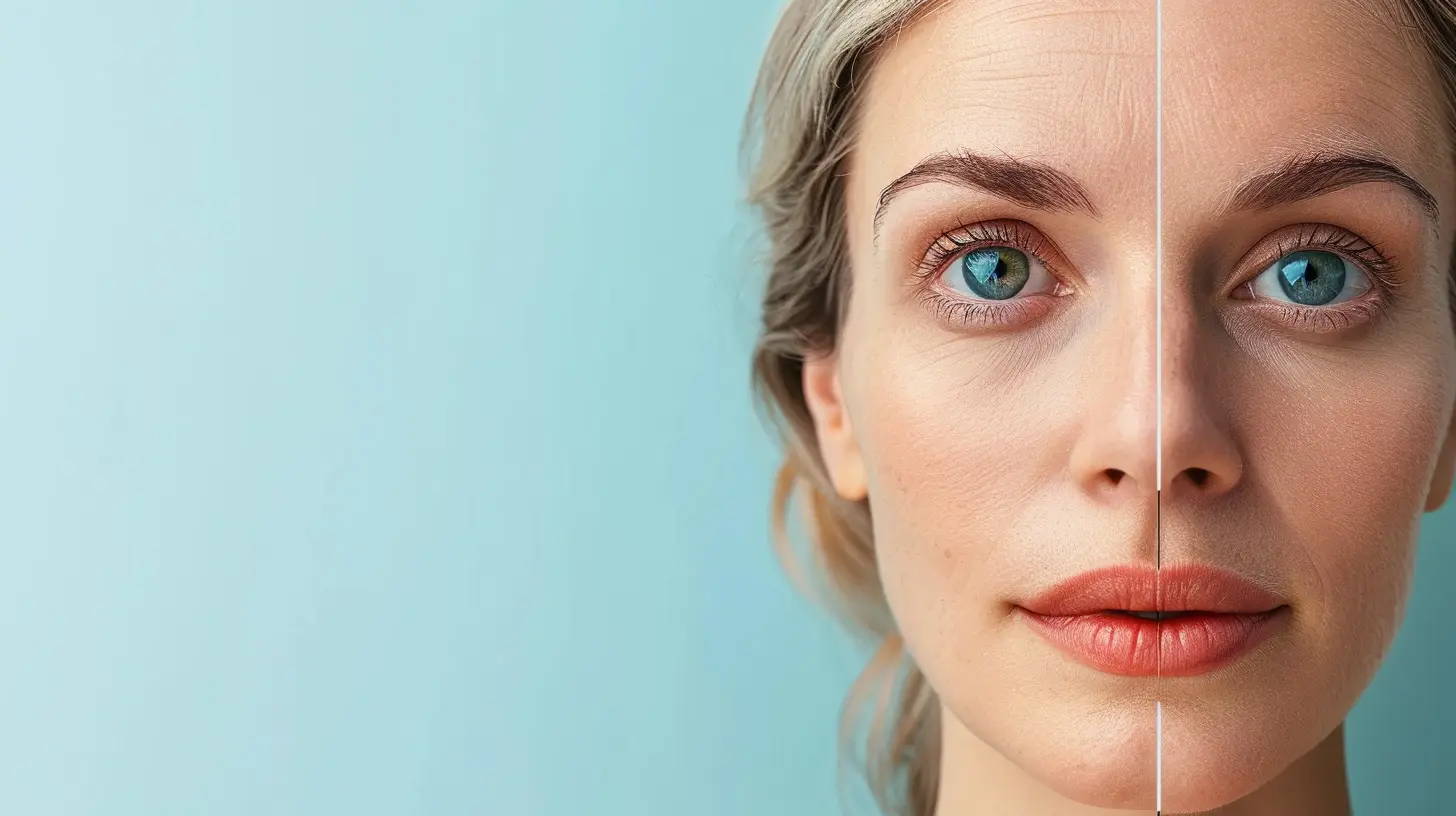
What Are Hormones, Anyway?
Before we get into the nitty-gritty, let’s get clear on what hormones actually are. Think of hormones as text messages your body sends to itself. They’re produced by glands like the thyroid, adrenals, pancreas, ovaries, and testes. And these little messages tell your body what to do—when to grow, when to sleep, how hungry you feel, how much stress you're under, and yes, how fast or slow you age.
Why Hormonal Balance Matters As We Age
Your body isn’t static—it changes. And as you age, your hormone levels shift, too. Trouble is, some of these shifts can throw your internal systems out of whack. That’s where hormonal balance becomes the star of the show.When hormones are in harmony, everything feels a bit easier. You sleep better, have more energy, and even maintain healthier skin and bones. But when they're chaotic? That’s when you start noticing fatigue, weight gain, mood swings, and all those little things that make aging feel... well, harder.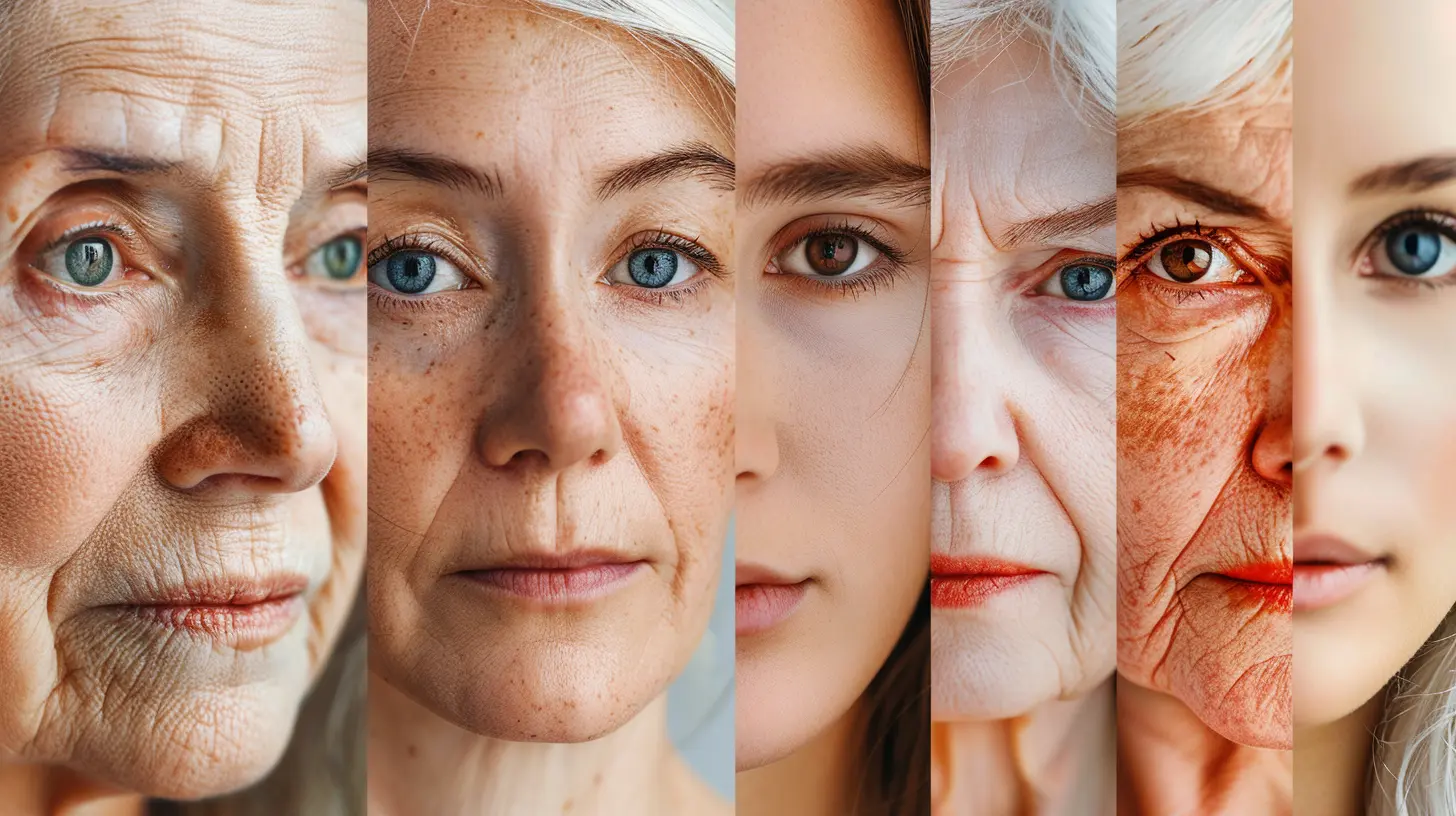
The Main Hormones That Impact Aging
Now, let’s take a look at some of the key hormones that play a starring role in how we age—and what happens when they get out of line.1. Estrogen and Progesterone (for Women)
Ladies, these two hormones are like the twin pillars of your reproductive system. But they don’t just handle fertility—they also influence your brain, bones, heart, and skin.Once menopause hits, estrogen and progesterone take a nosedive. That drop? It can lead to hot flashes, night sweats, mood swings, and even bone loss. But get this: balanced estrogen levels have been shown to protect against heart disease and support skin elasticity.
2. Testosterone (for Men and Women)
Yes, guys, this one’s for you—but women produce it too, just in smaller amounts. Testosterone isn't just the “muscle hormone” either. It supports energy levels, mood stability, and even cognitive sharpness.As testosterone dips (which it does steadily starting in your 30s), you may start feeling sluggish, notice a little brain fog, or find it harder to build muscle or burn fat. That’s aging knocking at the door, courtesy of shifting testosterone.
3. Growth Hormone
This one helps you stay youthful—literally. It stimulates growth, cell regeneration, and cellular reproduction. As levels decline with age, you might notice slower recovery after exercise or injury, a decline in muscle mass, and skin that’s not quite as firm.4. Cortisol
Ah, cortisol—the infamous stress hormone. In short bursts, it’s helpful. But chronic stress means chronically high cortisol, which can wreak havoc on your health. Weight gain, anxiety, high blood pressure, and even memory problems can all be traced back to cortisol gone wild.As we get older, our ability to regulate cortisol weakens. That’s why many older adults are more sensitive to stress and find it harder to bounce back.
5. Insulin
Insulin regulates your blood sugar, and there's a big reason why keeping it balanced matters. Too much insulin (insulin resistance) can lead to type 2 diabetes—a major aging accelerator. It also contributes to inflammation, weight gain, and fatigue.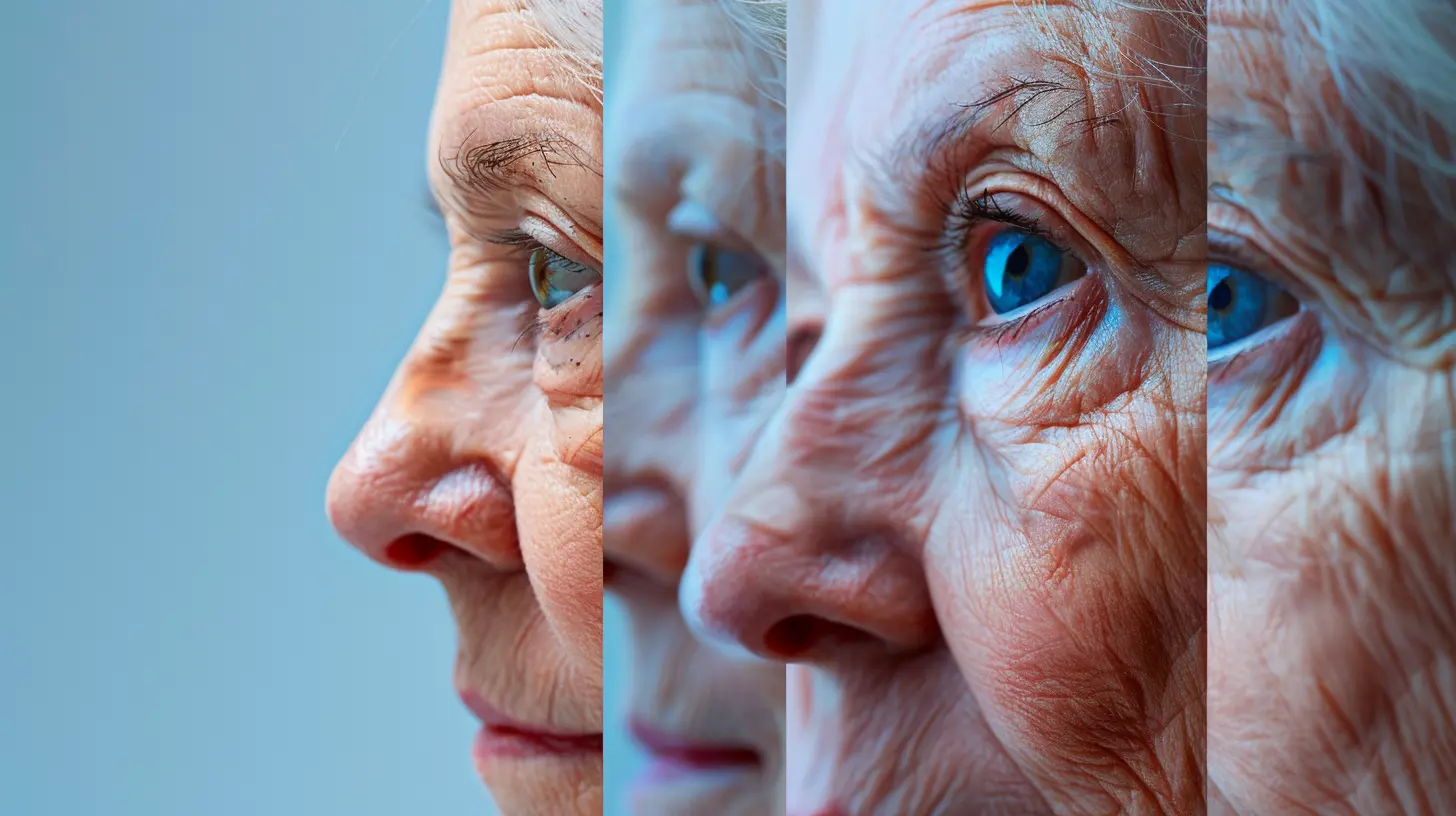
How Hormonal Imbalances Speed Up Aging
So what happens when your hormones run amok? Here’s where it gets real.1. You Feel More Tired, More Often
When your hormones are out of sync—especially thyroid hormones or testosterone—you’re going to feel it. Constant fatigue is often one of the first signs your body’s internal messages aren’t coming through clearly.2. Your Skin Starts to Change
Ever wonder why skin starts to sag or wrinkle with age? A lot of it comes down to hormones. Estrogen, testosterone, and growth hormone all play a part in collagen production and skin elasticity. When these decline, your skin can take a hit.3. Weight Gain Becomes a Battle
Changing hormones can slow your metabolism, increase fat storage (especially around the belly), and make it harder to build or retain muscle. Sounds familiar? That’s hormonal aging at work.4. Mood and Memory Shift
Hormones like estrogen and cortisol affect brain function. When they fluctuate or drop, it can impact everything from your mood to your memory. That “senior moment” might actually be a hormonal moment.Can You Rebalance Your Hormones As You Age?
Here’s the good news: hormonal harmony isn’t just a young person’s game. There are plenty of ways to encourage balance—without needing to resort to extreme therapies or miracle pills.Let’s get practical.
Natural Ways to Support Hormonal Balance
1. Eat Smart and Balanced
Food is fuel, yes—but it’s also medicine. To support hormone health, try:- Lean protein (chicken, fish, legumes)
- Healthy fats (avocado, olive oil, nuts)
- Fiber-rich foods (veggies, fruits, whole grains)
- Limit added sugars and refined carbs
Why? These foods can help regulate insulin, reduce inflammation, and support gut health—all big-time players in hormonal regulation.
2. Get Moving Regularly
Exercise isn't just about staying fit—it actually helps balance hormones, especially insulin and cortisol. Aim for a mix of strength training, cardio, and flexibility workouts like yoga.Even a 30-minute brisk walk can do wonders!
3. Stress Less (Seriously)
Easier said than done, right? But finding ways to manage stress—whether it’s through meditation, journaling, talking to a friend, or even watching your favorite sitcom—can keep cortisol in check and your hormones happier.4. Sleep Like It’s Your Job
Your body repairs and resets overnight, and your hormones follow your sleep cycle. Poor sleep throws everything out of balance. Aim for 7–9 hours a night and try to keep a consistent bedtime.5. Consider Hormone Replacement Therapy (HRT)
For some, especially women going through menopause, hormone replacement therapy might help ease symptoms and support long-term health. But remember—it’s not for everyone and should always be discussed with a healthcare provider.When to Talk to a Doctor
If you’re dealing with symptoms like chronic fatigue, unexpected weight gain, mood changes, or sleep issues, don’t just chalk it up to “getting older.”Your body might be trying to tell you something. Hormones are complex, and a simple blood test can often point you in the right direction.
Working with a hormone-literate doctor—often an endocrinologist or functional medicine practitioner—can help you build a personalized roadmap to feel better and age more comfortably.
Aging Gracefully Starts from the Inside
Here’s the bottom line: we can’t stop the clock—but we can definitely influence how we feel as it ticks. Hormones might not be visible to the eye, but they have a hand in just about every aspect of how we age. From your skin and hair to your energy, weight, and mood, balanced hormones help you not just grow older—but grow better.So, be kind to your hormones. Keep them balanced, feed them right, and don’t ignore the signals your body is sending. Because aging doesn’t have to be a slow decline. With the right moves, it can be a vibrant, empowered journey.
Final Thoughts
Aging is inevitable, but how we age? That’s where the magic happens. You don’t need to chase youth—you just need to support your body in doing what it does best: finding balance.Whether you're in your 30s and just starting to see subtle shifts or well into your golden years and navigating the bigger changes—your hormones are important allies in this journey.
Listen to your body. Ask questions. And remember: aging well isn’t about perfection. It’s about empowerment.
all images in this post were generated using AI tools
Category:
Anti AgingAuthor:

Laura Hudson
Discussion
rate this article
2 comments
Sylvia McGinnis
Aging is not just a number; it’s a hormonal battleground. Embrace the power of hormonal balance to reclaim vitality and vigor. Don’t accept the status quo—take charge of your health and transform your aging journey into one of strength, resilience, and unapologetic confidence.
April 5, 2026 at 4:01 PM
Laura Hudson
Absolutely! Hormonal balance plays a crucial role in how we experience aging. Taking charge of it can indeed lead to a more vibrant and empowered life. Let's inspire others to embrace this journey.
Skylar Coleman
Hormonal balance is crucial for healthy aging and overall well-being.
April 5, 2026 at 4:24 AM
Laura Hudson
Absolutely, maintaining hormonal balance is key to supporting both the aging process and overall health.