How Meditation Can Improve Your Focus and Well-Being
13 July 2026
In today’s fast-paced world, it’s easy to feel overwhelmed. With endless notifications, deadlines, and responsibilities, our minds are constantly pulled in a thousand directions. Ever find yourself struggling to focus on a task or feeling mentally drained before the day even begins? If so, meditation might be your secret weapon.
Meditation isn’t just a trendy practice; it’s an ancient technique backed by science that can improve focus, reduce stress, and boost overall well-being. Let’s break it down and see how this simple yet powerful practice can transform your mind and life. 
What Is Meditation?
Meditation is the practice of training your mind to focus and redirect thoughts. It's often associated with mindfulness, where you bring your attention to the present moment without judgment. While meditation has been around for thousands of years, modern studies confirm its benefits on mental clarity, emotional balance, and even physical health.There’s no single way to meditate. Some people focus on their breath, while others use guided sessions, mantras, or visualization techniques. The goal is simple: to give your mind a break from the chaos and cultivate inner peace. 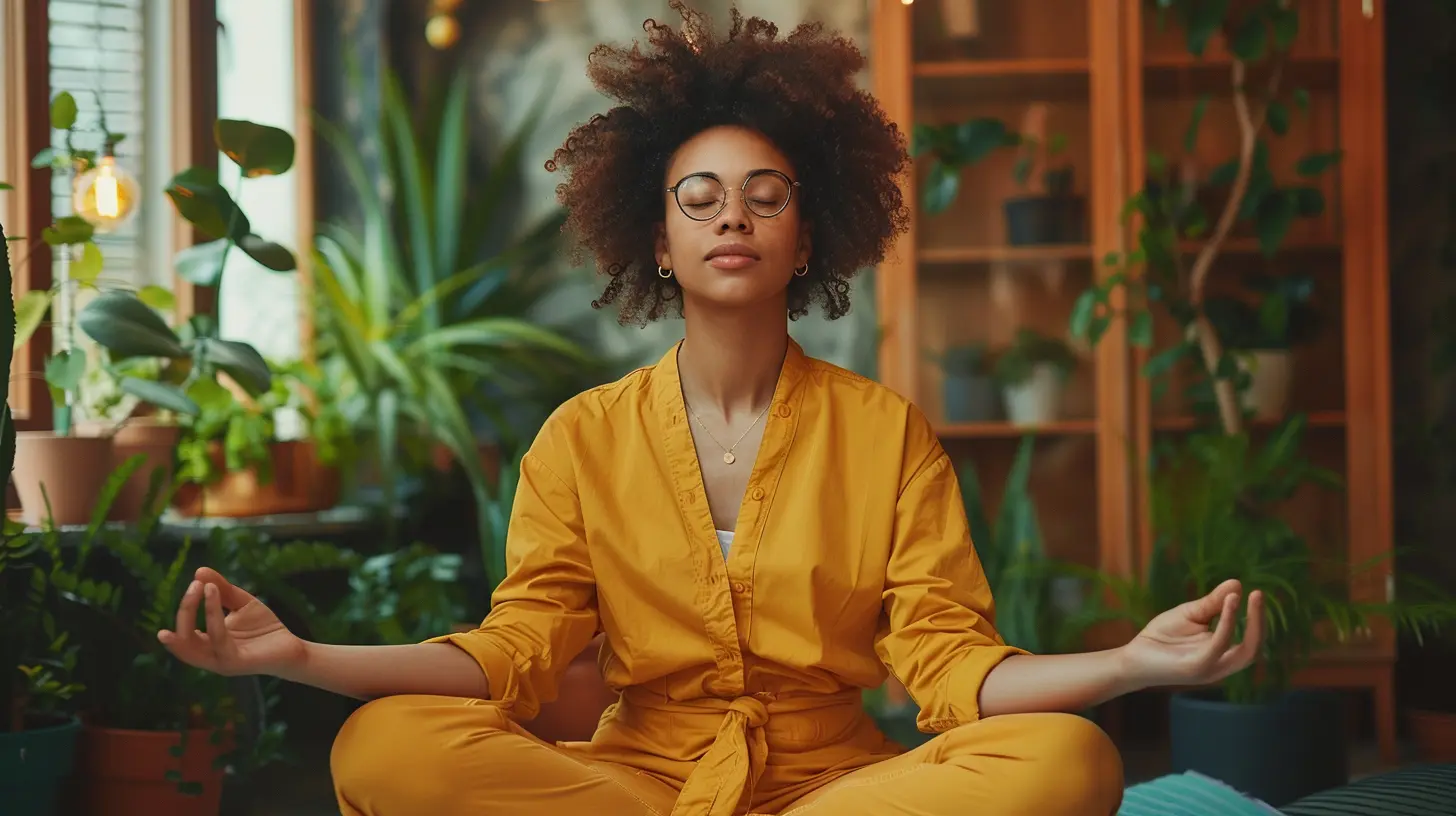
The Connection Between Meditation and Focus
We live in an age of distractions. Social media updates, endless emails, and the constant buzz of notifications make it harder than ever to maintain focus. Meditation, however, can help you take back control of your attention.1. Strengthens Attention Span
Ever notice how difficult it is to stay focused on one task for an extended period? Meditation trains your brain like a muscle. Studies show that regular meditation increases gray matter in the brain, especially in areas responsible for attention and self-control. This means you’ll be better at staying on task and avoiding distractions.2. Reduces Mental Clutter
Our minds are filled with constant chatter—worries about the future, regrets from the past, to-do lists, and random thoughts. Meditation helps declutter your mind by allowing you to observe thoughts without getting lost in them. The result? A clearer, more focused mind that can tackle tasks efficiently.3. Enhances Cognitive Function
Research suggests that meditation improves working memory and cognitive flexibility. This means you’ll not only remember things better but also adapt more easily to new information and challenges. Think of your brain as a computer—meditation clears unnecessary background processes, making it run faster and smoother.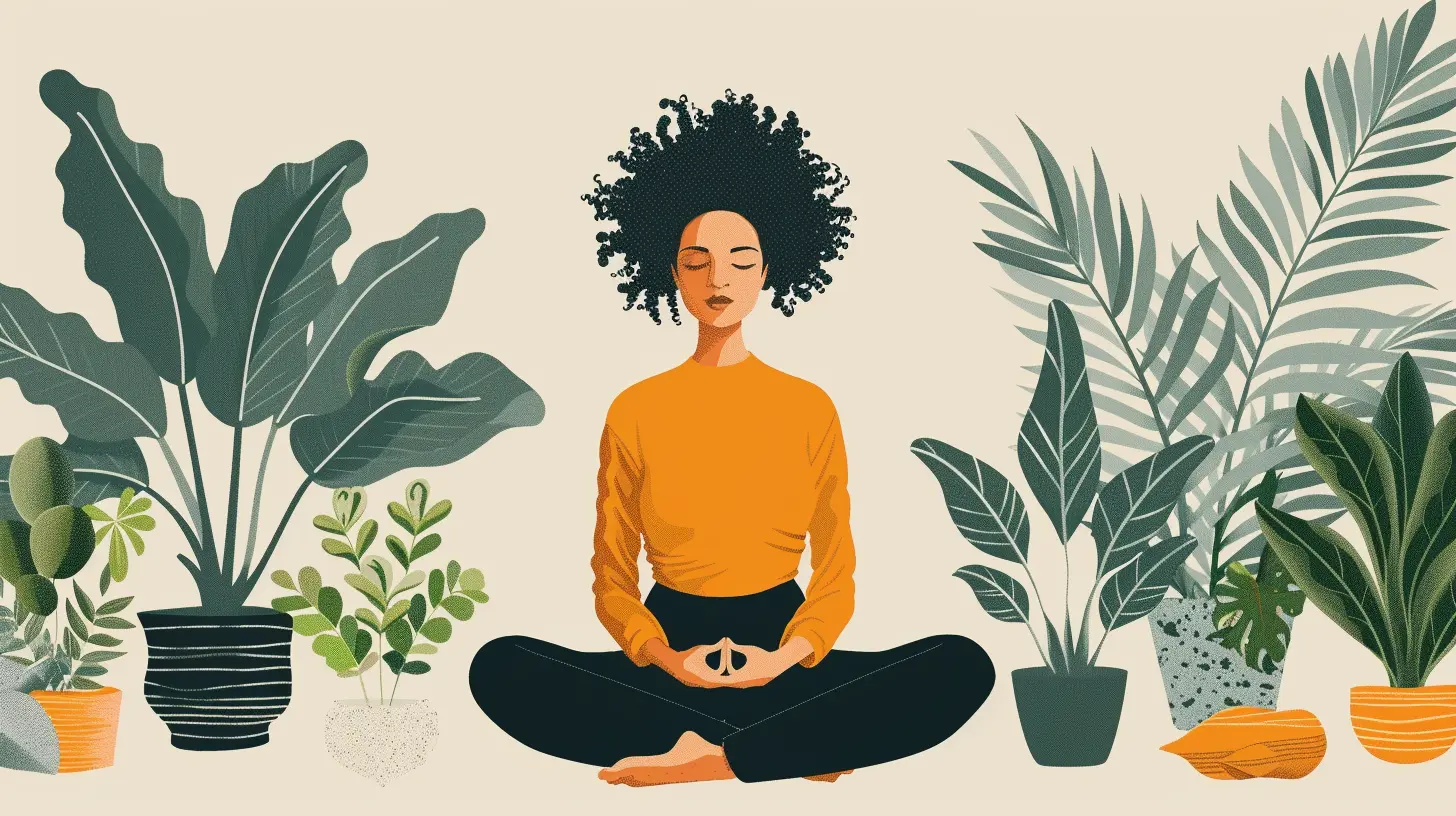
How Meditation Boosts Overall Well-Being
Mental clarity and focus are just one piece of the puzzle. Meditation offers a range of benefits that contribute to your overall well-being—mentally, emotionally, and even physically.1. Decreases Stress and Anxiety
Life is stressful, no doubt. But meditation can help regulate your stress response. When you meditate, your body produces fewer stress hormones like cortisol. Instead, it stimulates the production of feel-good chemicals like serotonin and dopamine. This helps you feel calmer, more balanced, and better equipped to handle daily challenges.2. Improves Emotional Regulation
Do you find yourself reacting impulsively to situations? Meditation teaches you to pause, breathe, and respond rather than react. This helps reduce emotional outbursts, improves patience, and fosters healthier relationships—both with yourself and others.3. Enhances Sleep Quality
Struggling to fall asleep or waking up feeling exhausted? Meditation can help with that too. By calming the nervous system and reducing nighttime overthinking, meditation promotes deeper, more restful sleep. You’ll wake up feeling refreshed and ready to take on the day.4. Boosts Self-Awareness and Happiness
Meditation fosters a deeper connection with yourself. It allows you to recognize negative thought patterns and shift toward a more positive mindset. Over time, this increased self-awareness leads to a greater sense of happiness and fulfillment.
Simple Meditation Techniques to Get Started
You don’t need to sit in a temple for hours to benefit from meditation. Even a few minutes a day can make a difference. Here are some simple meditation techniques to try:1. Mindful Breathing
- Find a quiet place, sit comfortably, and close your eyes.- Focus on your breath—inhale deeply through your nose, exhale slowly through your mouth.
- If your mind wanders (which it will), gently bring your attention back to your breath.
2. Guided Meditation
- If silence feels overwhelming, try a guided meditation. Apps like Headspace and Calm offer audio sessions that walk you through relaxation techniques.3. Body Scan Meditation
- Lie down and slowly focus on different parts of your body, starting from the toes up to the head.- Observe any tension and consciously relax those areas.
4. Mantra Meditation
- Repeat a calming word or phrase (such as “peace” or “I am calm”) while breathing deeply.- This helps anchor your focus and quiet racing thoughts.
5. Walking Meditation
- Don’t like sitting still? Try a walking meditation.- Focus on each step, the sensation of your feet touching the ground, and the rhythm of your breathing.
The key is consistency. Even 5-10 minutes daily can bring noticeable benefits over time.
Overcoming Common Meditation Challenges
Let’s be real—meditation isn’t always easy at first. Here are some common struggles and how to tackle them:1. "My Mind Won’t Stop Racing!"
That’s totally normal. Meditation isn’t about stopping thoughts; it’s about observing them without attachment. Imagine your thoughts as clouds—let them pass without chasing them.2. "I Don’t Have Time for Meditation."
You don’t need an hour-long session. Start small—just five minutes in the morning or before bed. Once you experience the benefits, you’ll naturally want to extend your practice.3. "I Can’t Sit Still."
That’s okay! Try a movement-based meditation like yoga or walking. The goal is mindfulness, which can be practiced through different activities.4. "I’m Not Doing It Right."
There’s no right or wrong way to meditate. The fact that you’re making an effort is already a step in the right direction. Progress comes with practice.Final Thoughts
Meditation isn’t about becoming a different person—it’s about becoming more yourself. It helps you cultivate focus, reduce stress, and improve your overall well-being in ways that ripple into every aspect of life.If you've ever felt overwhelmed, distracted, or emotionally drained, why not give meditation a shot? Start small, be patient with yourself, and enjoy the journey to a calmer, more focused mind.
After all, a few minutes of peace each day might be just what you need to navigate this chaotic world with clarity and ease.
all images in this post were generated using AI tools
Category:
Healthy LifestyleAuthor:

Laura Hudson