How Menopause Impacts Your Bone Density
25 January 2026
Menopause is a natural phase in a woman's life, marking the end of menstruation and fertility. While it brings relief from monthly cycles, it also comes with a set of challenges—one of the biggest being its impact on bone health. If you're in your 40s or 50s, you've probably heard about the connection between menopause and osteoporosis. But why does this happen? And more importantly, what can you do about it?
Let’s break it down in simple terms. 
Understanding Bone Density and Why It Matters
Before we dive into the menopause connection, let's talk about bone density.Bones might seem like solid, unchanging structures, but in reality, they're living tissue, constantly breaking down and rebuilding. Throughout our lives, our bodies maintain a balance between bone breakdown (resorption) and bone formation. When we're younger, bone formation outpaces breakdown, making our bones strong and dense.
However, as we age, this balance shifts. Our bones start to lose density, making them weaker and more prone to fractures. And menopause speeds up this process. 
The Role of Estrogen in Bone Health
Estrogen is a powerhouse hormone that does more than regulate your menstrual cycle—it also plays a vital role in maintaining bone density.Think of estrogen as a protective shield for your bones. It helps control the cells that break down bone (osteoclasts) and encourages the ones that build bone (osteoblasts). When estrogen levels drop during menopause, that shield weakens. This leads to increased bone loss, leaving bones fragile and more prone to fractures.
In fact, studies suggest that women can lose up to 20% of their bone density in the first 5-7 years after menopause. That’s a significant loss in a short period! 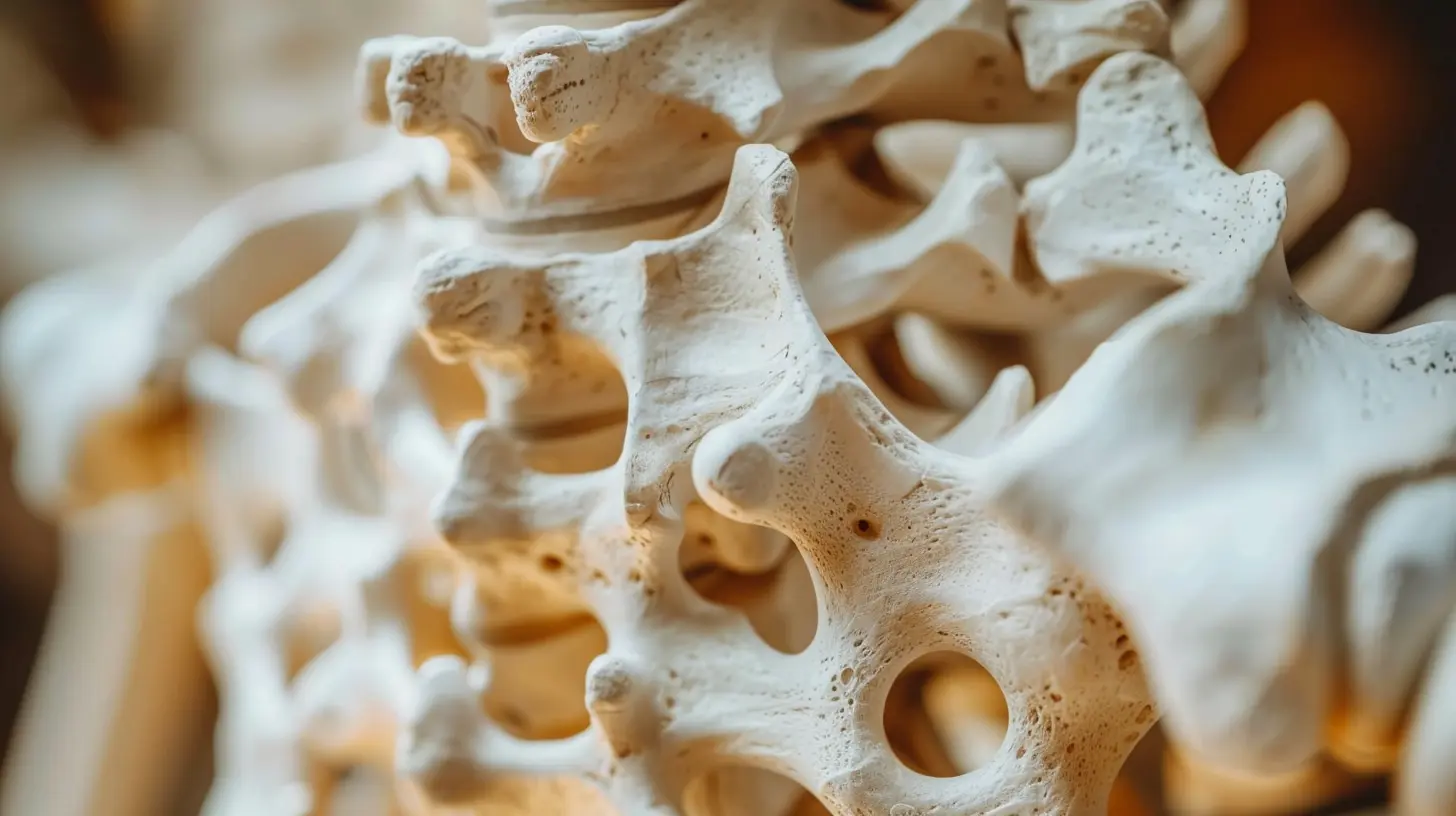
How Menopause Accelerates Bone Loss
1. Hormonal Changes Wreak Havoc
The sharp decline in estrogen levels during menopause disrupts the natural bone remodeling process. Since bone breakdown now outpaces bone formation, you start losing bone mass faster than ever before.2. Increased Risk of Osteoporosis
Osteoporosis is a silent disease that weakens bones to the point where even a small fall or minor bump can cause fractures, especially in the hips, spine, and wrists. Since menopause accelerates bone loss, postmenopausal women are among the most vulnerable to osteoporosis.3. Calcium Absorption Declines
As we age, our ability to absorb calcium—the key mineral for bone strength—decreases. Since estrogen helps the body absorb calcium efficiently, its decline means your bones struggle to get the nutrients they need.4. Changes in Muscle Mass
Menopause isn’t just about bone loss; it also leads to a decline in muscle mass, making falls more likely. Weak muscles mean less support for your bones, further increasing the risk of fractures.
Symptoms of Bone Loss You Shouldn’t Ignore
Bone loss doesn’t come with glaring warning signs. It’s often called the "silent disease" because you might not notice anything wrong until you break a bone. That said, some red flags include:✅ Loss of height (shrinking over time)
✅ Frequent fractures from minor falls or injuries
✅ Back pain due to spinal fractures
✅ Poor posture or stooped back
If you’re experiencing any of these, it might be time to check in with your doctor for a bone density test.
How to Protect Your Bones During and After Menopause
The good news? While menopause speeds up bone loss, there are plenty of ways to fight back and keep your bones strong.1. Get Enough Calcium and Vitamin D
Calcium is the building block of bones, and vitamin D helps your body absorb it. Women over 50 need 1,200 mg of calcium daily. Foods rich in calcium include:- Dairy products (milk, cheese, yogurt)
- Leafy greens (kale, spinach)
- Almonds
- Tofu
- Salmon and sardines (with bones)
And don’t forget vitamin D! Sunlight is the best natural source, but you can also get it from:
- Fatty fish (salmon, trout)
- Fortified dairy and cereals
- Supplements (if needed)
2. Stay Active with Weight-Bearing Exercises
Want strong bones? Get moving!Weight-bearing exercises (where you work against gravity) help stimulate bone growth. Try:
🏃♀️ Walking or hiking
🧘♀️ Yoga or Pilates
🏋️♀️ Strength training (lifting weights)
🚶♀️ Climbing stairs
Even 30 minutes a day can make a huge difference in slowing down bone loss.
3. Avoid Bone-Damaging Habits
Some lifestyle habits can drain your bone strength. Try to:🚫 Cut down on salt and caffeine, which can lead to calcium loss
🚭 Quit smoking, since it reduces estrogen levels further
🍷 Limit alcohol, as excessive drinking weakens bones
🥤 Avoid soft drinks, especially those high in phosphoric acid
4. Consider Bone-Boosting Medications
If you're at high risk for osteoporosis, your doctor may recommend medications like bisphosphonates, hormone therapy, or other treatments designed to slow bone loss and strengthen your skeleton.5. Get Regular Bone Density Tests
A bone mineral density (BMD) test is a simple, painless scan that measures bone strength. If you're postmenopausal, talk to your doctor about when to start screenings. Early detection can help prevent fractures before they happen.Final Thoughts
Menopause can feel like a rollercoaster, with hormonal shifts affecting everything from mood to metabolism. But when it comes to your bones, knowledge is power. Understanding the link between menopause and bone density helps you take proactive steps to protect your skeletal health.Think of your bones like a bank account—you want to deposit as much strength as possible before withdrawals (bone loss) start adding up. With the right diet, exercise, and lifestyle changes, you can keep your bones strong and reduce the risk of fractures well into your golden years.
Your future self will thank you!
all images in this post were generated using AI tools
Category:
Healthy BonesAuthor:

Laura Hudson
Discussion
rate this article
2 comments
Sylas McLean
Great article! It's crucial for women to understand how menopause affects bone density. Consider adding tips on lifestyle changes or supplements that can help mitigate bone loss, as proactive measures can make a significant difference in long-term health.
February 1, 2026 at 5:07 AM
Laura Hudson
Thank you for your feedback! I appreciate your suggestion and will definitely consider adding tips on lifestyle changes and supplements in future articles.
Hadley McGarvey
Empower yourself with knowledge; prioritize healthy bones during menopause!
January 31, 2026 at 3:43 AM
Laura Hudson
Absolutely! Knowledge is key to maintaining bone health during menopause. Prioritizing nutrition and exercise can make a significant difference.