How to Improve Your Deadlift for Maximum Muscle
21 May 2026
Deadlifts. Just the word alone can make gym rats’ eyes light up. And for a good reason. Deadlifts are hands down one of the most effective compound movements you can do for strength, size, and pure grit. They hit your glutes, hamstrings, back, traps, forearms—and heck, even your core. But let’s be real—pulling heavy off the floor is more than just brute force.
If you’re sick of watching your deadlift plateau or you’re tired of feeling beat up after your heavy sessions, this is the guide for you. We're going to break it down in a way that actually helps you improve your deadlift for maximum muscle. No fluff. Just real lifting talk.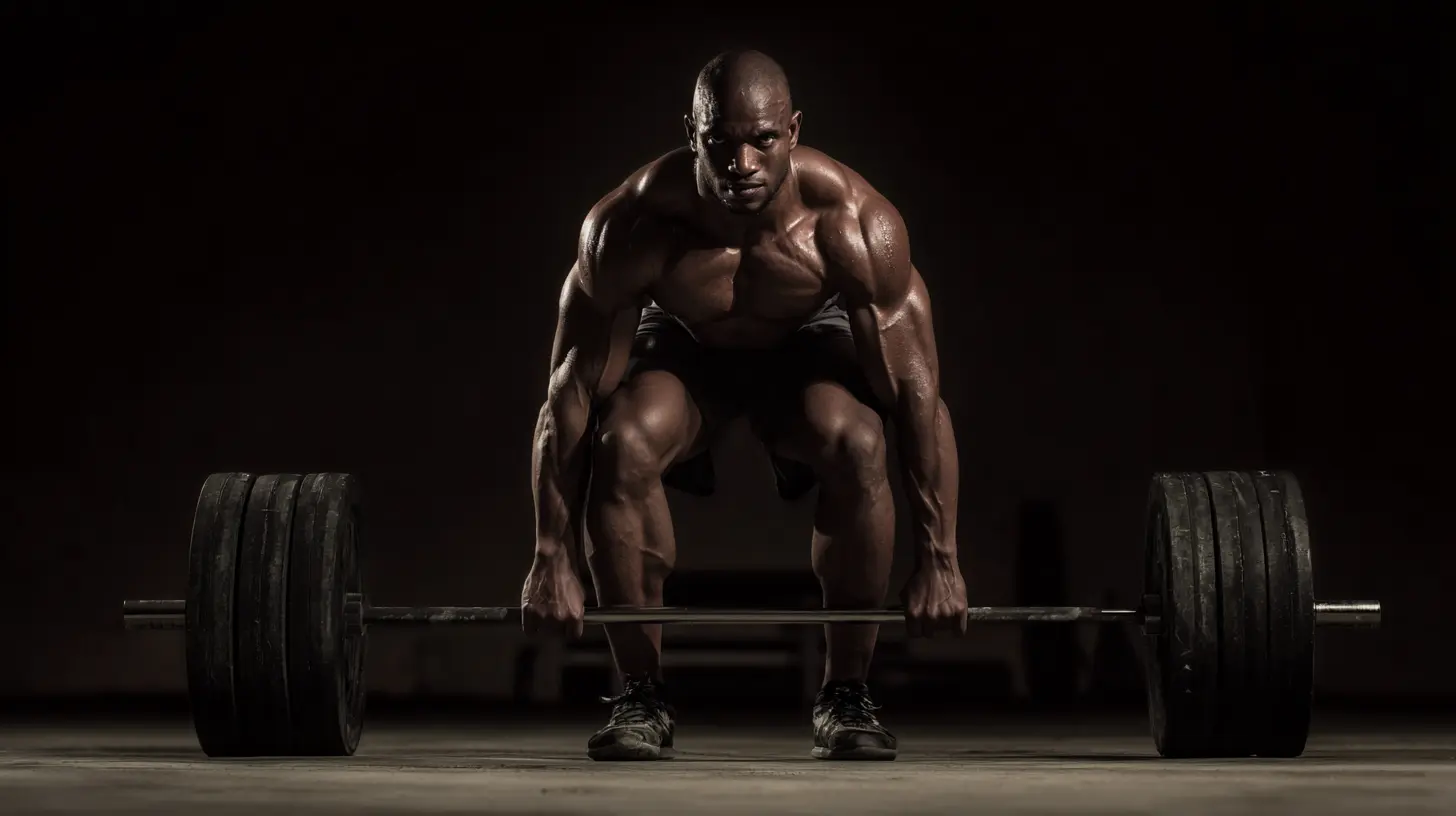
Why Deadlifts Are King (But Also Tricky)
Deadlifts are often called the "king of all lifts", and honestly, they live up to the hype. You're picking something heavy off the ground. Seems simple, right? But that simplicity is deceptive. It can either build you up—or break you down if done wrong.Ever try maxing out and feel it more in your lower back than your legs? Or hit a sticking point mid-pull and just can't get past it? Yeah, we’ve all been there. The key isn't always pulling heavier weights. It’s about pulling better.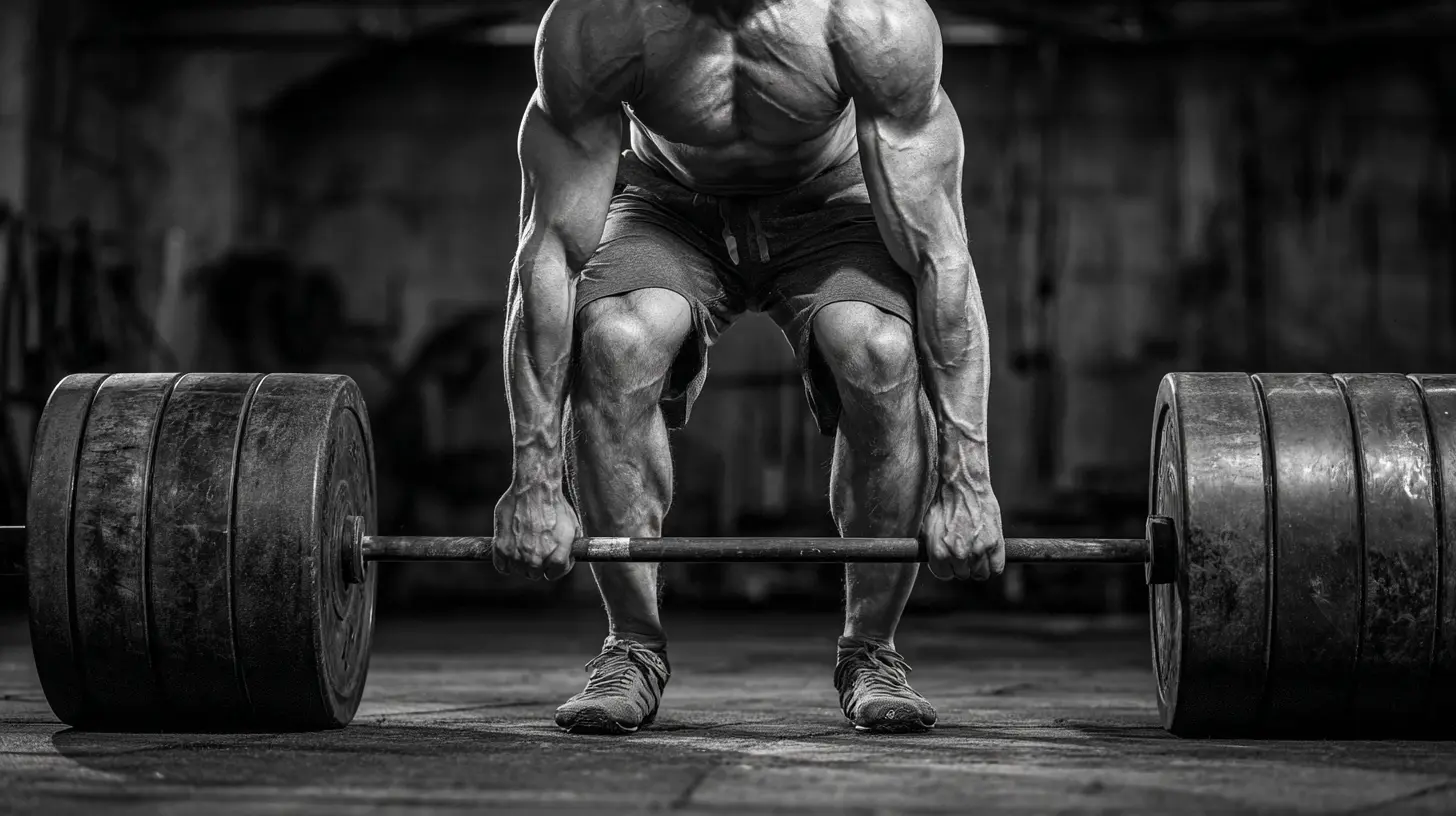
First, Nail Your Form: No Excuses
Before chasing PRs, you’ve got to master the basics. Think of your deadlift form like your car’s alignment. If it’s off, it’s only a matter of time before the wheels fall off. Bad form leads to injury, weak pulls, and frustration.✅ The Basic Deadlift Setup:
- Feet: About hip-width apart. Toes slightly pointed out for most.- Grip: Hands just outside your legs, overhand or mixed grip.
- Bar Path: Keep the bar close—like shaving-your-shins close.
- Back: Flat or slightly arched. Never rounded like a cooked shrimp.
- Chest: Up and proud. Think: "show off those pecs."
- Hips: Not too high, not too low. Hinge at the hips, not squat the bar.
- Brace Your Core: Pretend someone’s about to punch you in the gut.
A good way to dial this in? Film yourself. It’s awkward, sure. But you’ll see what your coach or mirror won’t tell you.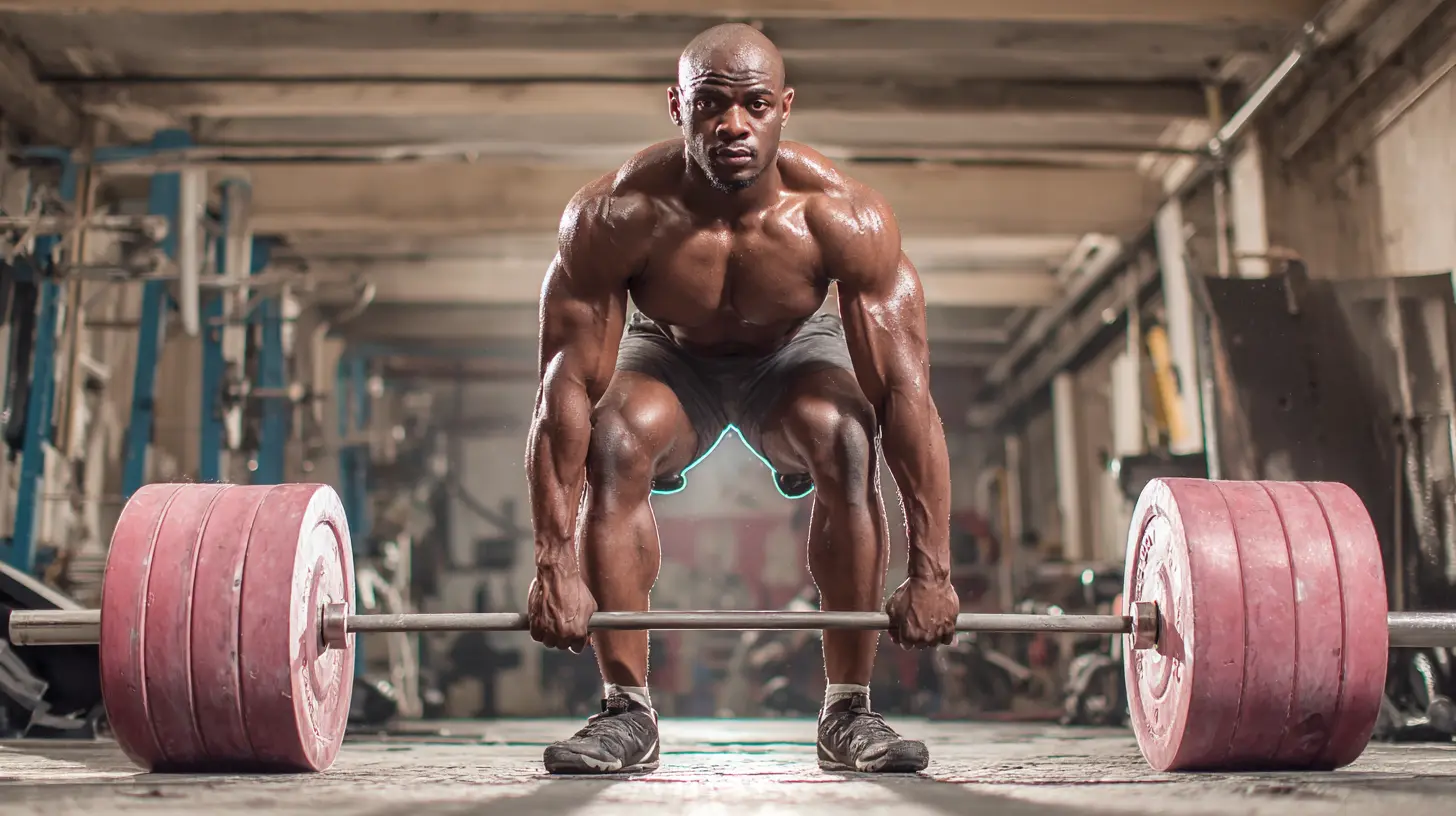
Pick the Right Deadlift Style for Your Body
Not everyone is built for the same style of deadlift. Some have long limbs, others have short torsos. So what's best for you?? Conventional Deadlift
Great for: Lifters with average limb proportions.How it feels: Heavier on the back and hamstrings.
? Sumo Deadlift
Great for: People with longer legs or limited hip mobility.How it feels: More upright torso, targets inner thighs and glutes more.
? Trap Bar Deadlift
Great for: Beginners or lifters with back issues.How it feels: A hybrid between squats and deadlifts; more quad involvement.
Try out different styles for a few weeks and see what clicks for your body.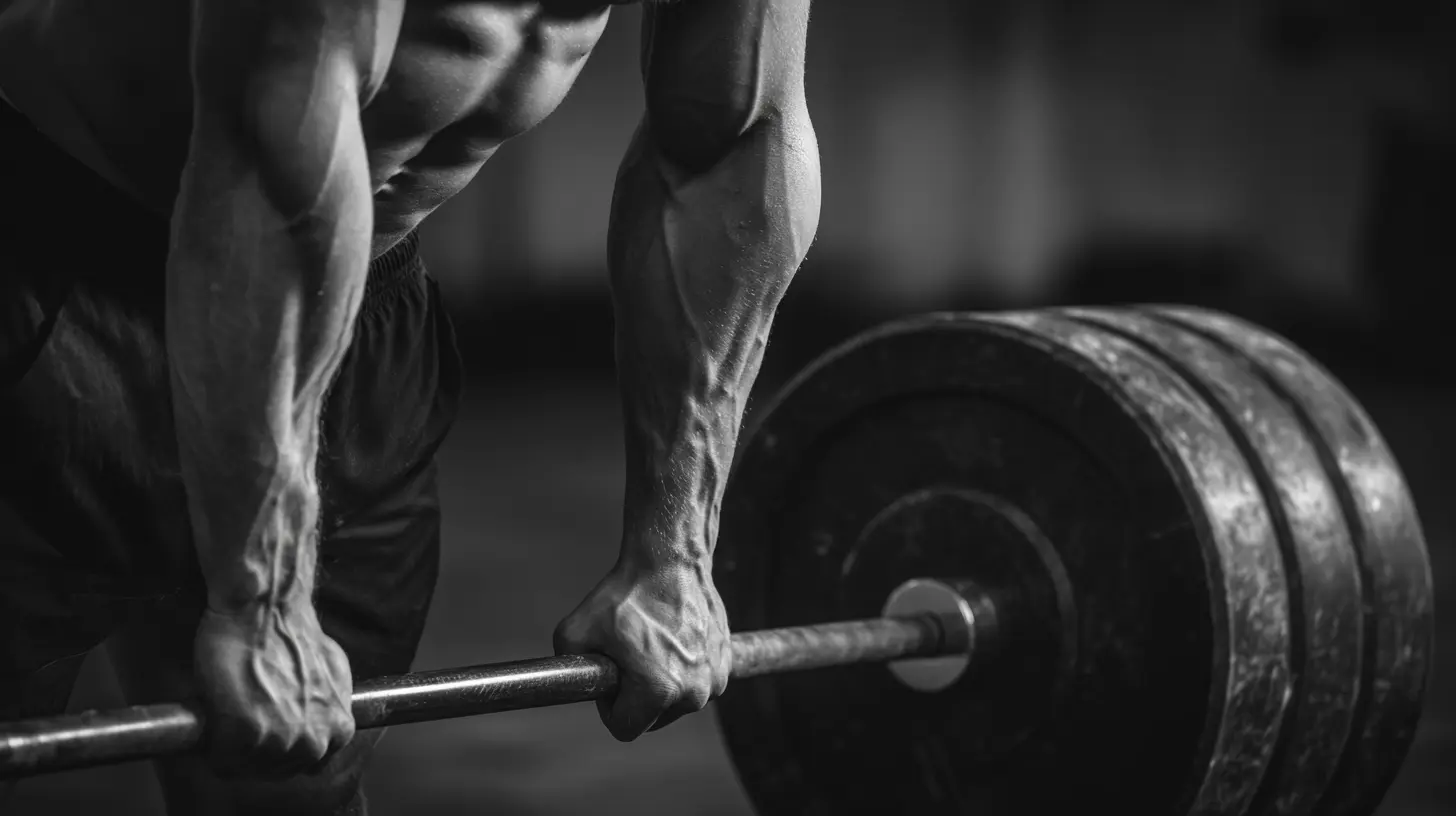
Train the Right Muscles to Beef Up Your Pull
Here’s some truth: you don’t build a monster deadlift by just doing deadlifts. You’ve got to train the muscles that fuel the lift.?Hamstrings
Stiff-legged or Romanian deadlifts—a must. They lengthen under tension and light up your hammies like Christmas lights.? Glutes
Your powerhouses. Hip thrusts, glute bridges, and deep lunges build explosiveness.?️♂️ Traps and Lats
These help you lock in that bar and keep your upper body tight. Add dumbbell shrugs, barbell rows, and pull-ups.? Core
A strong core = a stable spine. Planks, bird dogs, and ab rollouts are underrated but essential.Increase Volume Before You Increase Weight
A common mistake? Chasing 1RMs (one-rep maxes) too often. Sure, maxing out feels cool, but it doesn’t grow muscle like volume does.Try This:
Stick to 3–5 sets of 5–8 reps with a moderate-heavy weight. Focus on that perfect bar path, full-body tension, and smooth, controlled reps.When reps feel easy and form stays tight, then increase the weight. Not before.
Use Accessory Movements to Crush Weak Points
Most lifters fail either off the floor or at the lockout. Identify your weak point and hammer it.If You Struggle Off the Floor:
- Deficit Deadlifts (standing on a platform to increase range)- Pause Deadlifts (pause right after pull initiation)
If You Struggle at Lockout:
- Romanian Deadlifts- Hip Thrusts
- Rack Pulls (pulling from just below the knees)
Think of accessory lifts like side quests in a video game—they help you level up for the real boss battle.
Don’t Ignore Recovery (Yes, That Means Sleep)
Muscle isn’t built in the gym—it’s built when you’re resting. If you’re deadlifting 2–3 times per week and still feel sore and sluggish, overtraining might be the issue.Prioritize Recovery:
- Get 7–9 hours of real sleep (not doomscrolling till 3 AM).- Hydration and nutrition matter. Eat enough protein.
- Foam roll, stretch, and walk. Simple stuff, but it works.
Also, don’t deadlift heavy every session. Mix in light days, speed work, and deload weeks.
Fuel with Proper Nutrition
You can't pull big numbers on an empty tank. Lifting heavy and building muscle takes calories—especially protein.Try:
- Protein: Aim for at least 0.8–1g per pound of body weight.
- Carbs: Your energy source. Great before a heavy session.
- Fats: Healthy fats keep hormones in check. Don’t fear them.
No need for fad diets. Just eat real food consistently.
Mobility and Warm-ups: Your Secret Weapons
Be honest—do you warm up, or just touch your toes and jump straight into working sets?Tight hips, stiff ankles, or poor thoracic mobility will kill your deadlift form. A proper warm-up gets those joints moving and muscles firing.
Quick Warm-up Routine (5–10 mins):
- Glute bridges or band walks- Hip openers (world’s greatest stretch)
- Bird dogs
- Light Romanian deadlifts or kettlebell swings
Treat your warm-up like brushing your teeth. Boring but necessary.
Mental Game: Build Confidence under the Bar
Let’s not forget the mental side. Deadlifting is as much mental as it is physical. That heavy barbell on the ground? It doesn’t care about your feelings. But if you approach it with confidence and focus, you’ll win more often.- Visualize the lift before you do it.
- Use cues: “Brace hard,” “Pull the slack,” “Push through the floor.”
- Don’t psych yourself out. Save the PR attempts for when you’re truly ready.
Programming: Pull Smarter, Not Just Harder
If you’re just winging it when you train, you’re leaving gains on the table.Sample Weekly Setup:
- Day 1: Main Deadlift Day (volume focus)- Day 3: Squats + posterior chain accessories
- Day 5: Speed deadlifts or trap bar deadlifts + upper body pulls
Rotate variations every 4–6 weeks to attack weaknesses. Keep it fresh, but not random.
Final Thoughts: Your Deadlift Is a Marathon, Not a Sprint
At the end of the day, improving your deadlift for maximum muscle isn’t about a single workout. It’s about piling up the wins over weeks, months, and years. It’s about technique, smart programming, eating like an athlete, and respecting recovery.Stop chasing shortcuts and start playing the long game. Trust me—there’s no better feeling than walking up to a bar, gripping it, and ripping it from the floor with confidence and control.
So next time someone asks what you’re working on in the gym, just smile and say, “My deadlift game.” They'll understand—eventually.
all images in this post were generated using AI tools
Category:
BodybuildingAuthor:

Laura Hudson
Discussion
rate this article
1 comments
Vanessa Clayton
While the article offers solid tips on technique and strength, it overlooks the importance of recovery and nutrition. These factors are crucial for muscle growth and should not be ignored.
June 14, 2026 at 4:54 AM
Laura Hudson
Thanks for the feedback! You're right, recovery and nutrition are key elements. I'll make sure to highlight them in future discussions.