How to Support Healthy Bones During Pregnancy
10 June 2026
Pregnancy is a beautiful journey, but it also brings many changes to your body, including the increased need for essential nutrients to keep both you and your baby healthy. One area that often gets overlooked? Bone health. Your bones need extra care during this time because your growing baby will take whatever calcium they need—whether your body has enough or not. If you don’t support your bones properly, you may end up with weaker bones in the long run.
So, how can you make sure your bones stay strong and healthy while supporting your baby’s development? Let’s break it down.
Why Bone Health Matters During Pregnancy
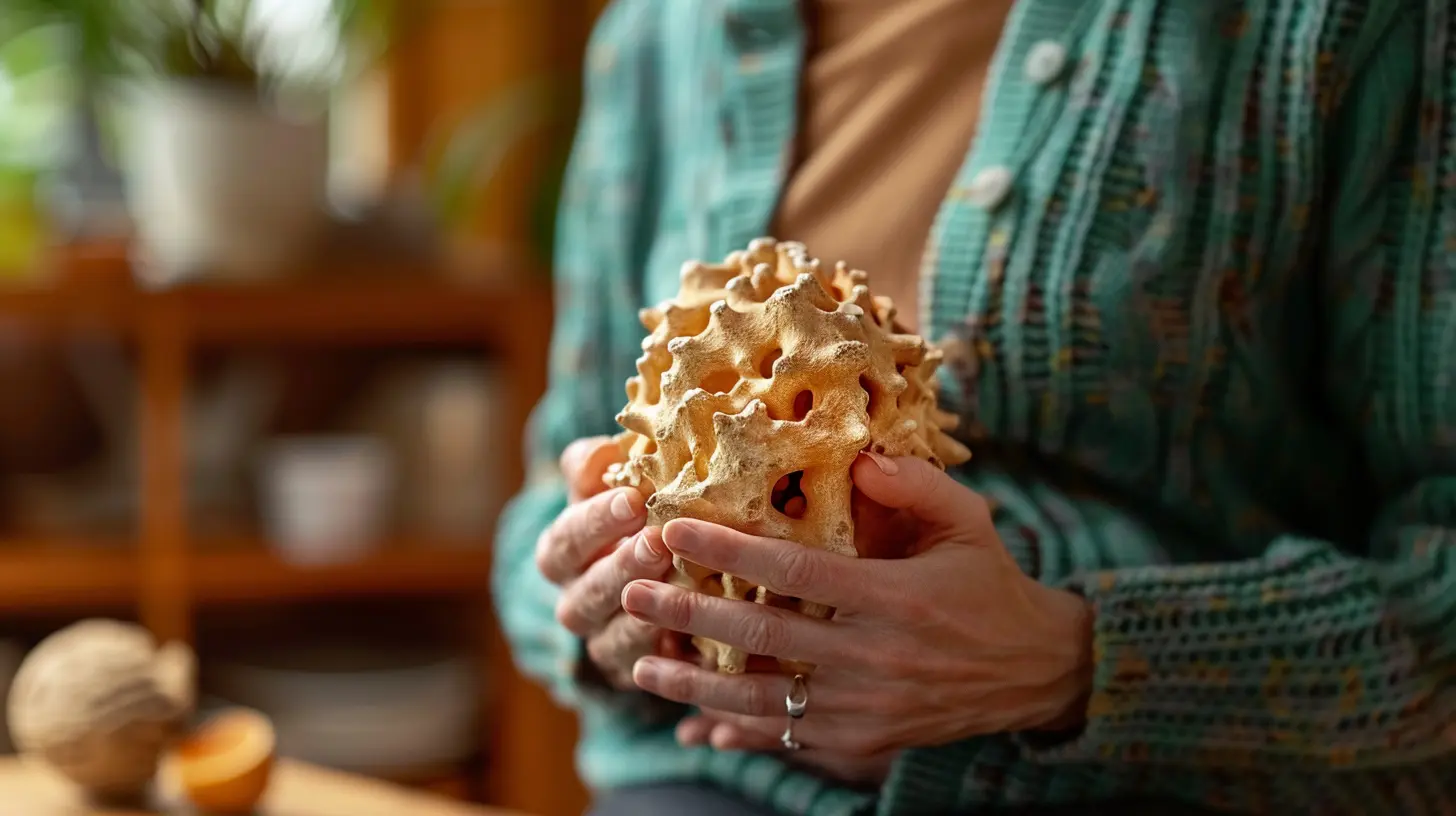
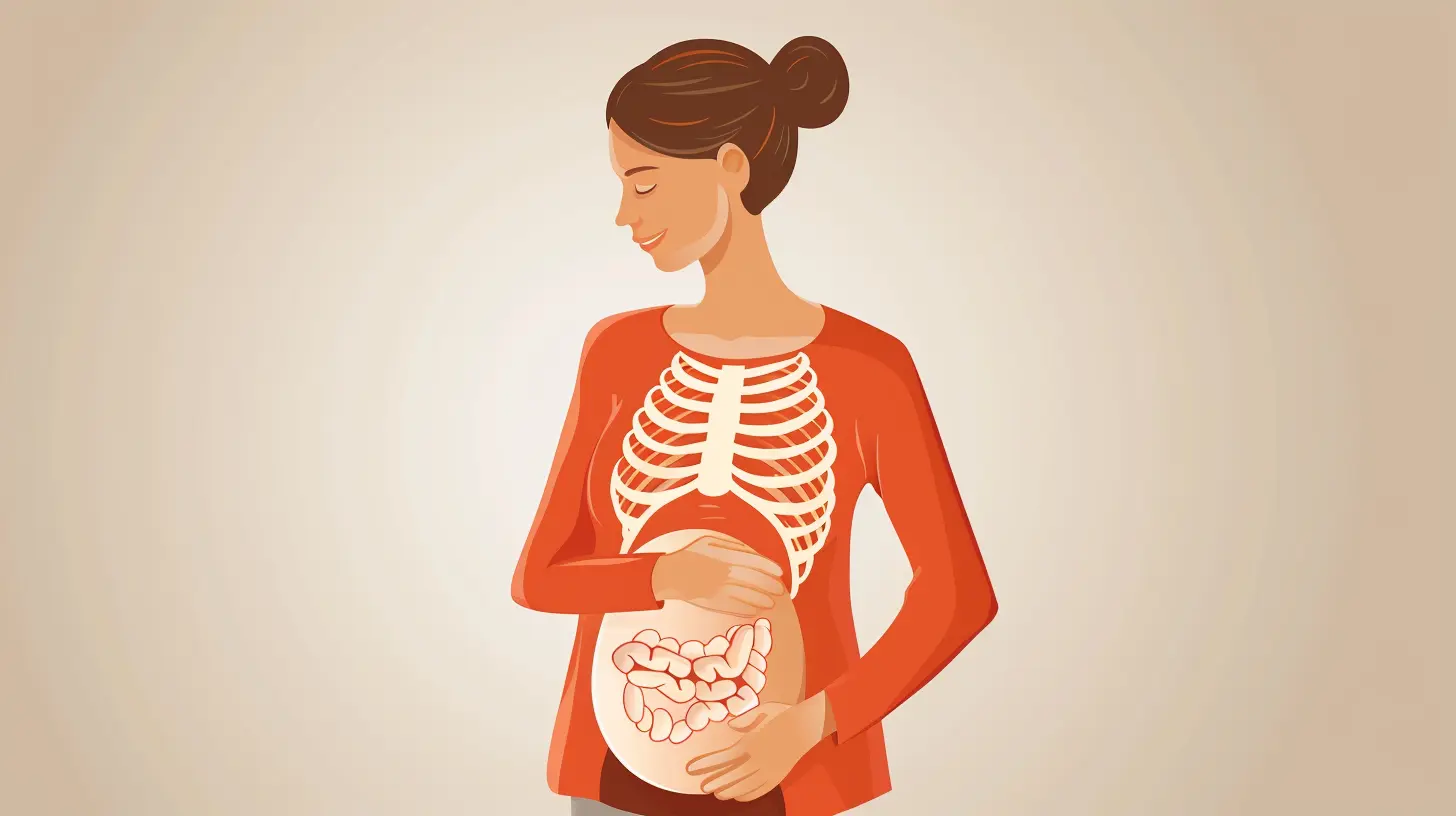
During pregnancy, your body is in overdrive, supplying nutrients to your baby. One crucial mineral? Calcium. Your baby needs it to develop strong bones, teeth, a healthy nervous system, and even a strong heart. If you’re not getting enough calcium from your diet, your body will pull it from your bones, which can weaken them over time.Pregnancy is not the time to ignore your bone health. Neglecting it can increase your risk of osteoporosis later in life. But the good news? With the right diet and lifestyle choices, you can maintain strong bones and support your baby’s growth.
Essential Nutrients for Healthy Bones
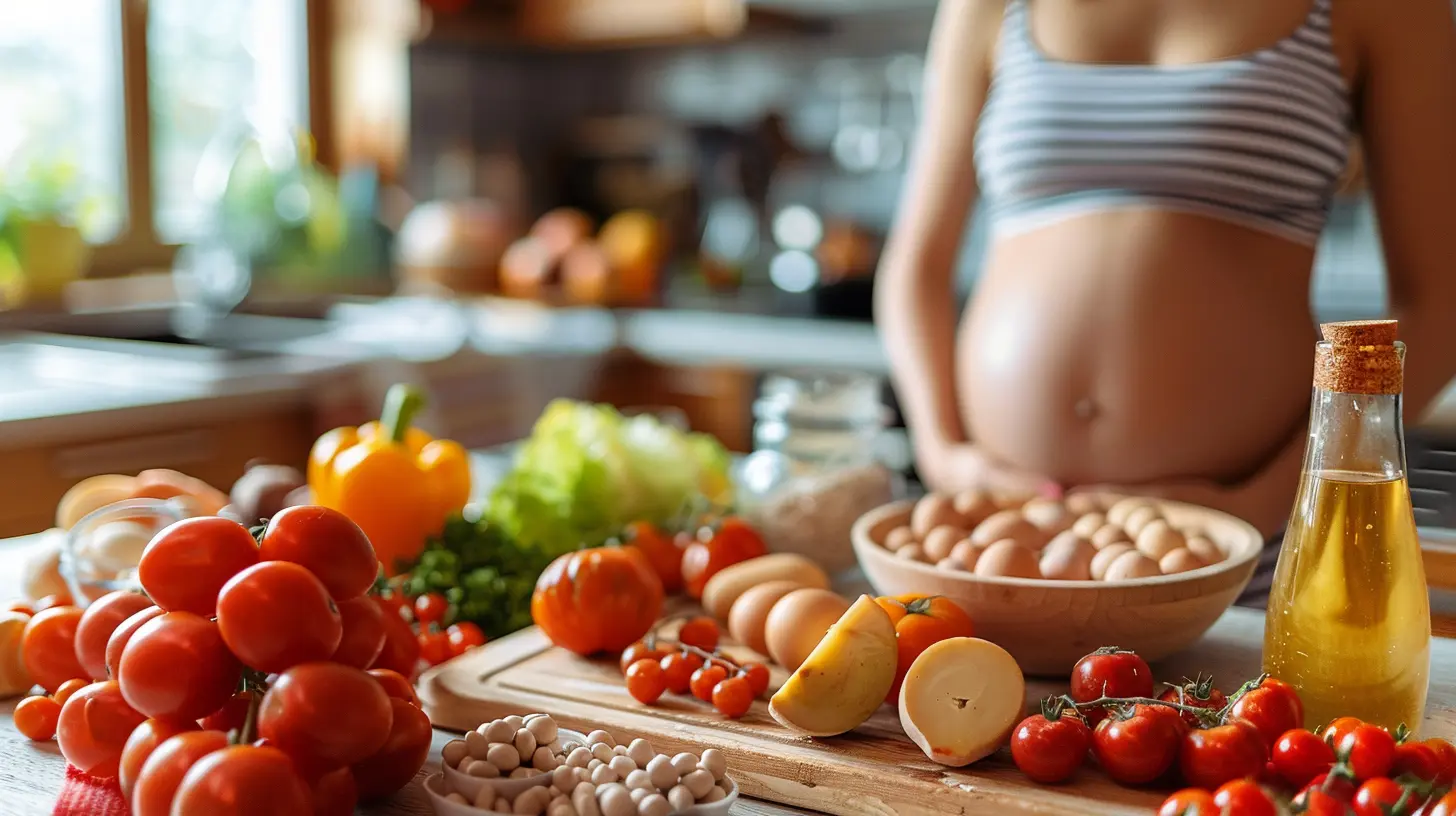
To keep your bones in top shape during pregnancy, make sure you're getting enough of these crucial nutrients:1. Calcium – The Building Block of Bones
Calcium is the foundation of strong bones. Since your baby’s bones are developing rapidly, they absorb a significant amount of calcium from you. If your intake is too low, your body pulls calcium from your bones, leaving them vulnerable.How Much Do You Need?
Pregnant women should aim for 1,000 mg of calcium per day (1,300 mg if you're a teenager).Best Sources of Calcium:
- Dairy products (milk, cheese, yogurt)- Leafy greens (kale, spinach, collard greens)
- Almonds
- Tofu
- Fortified plant-based milk (soy, almond, or oat milk)
2. Vitamin D – The Calcium Absorber
Calcium is great, but without vitamin D, your body won’t absorb it properly. Think of vitamin D as the gatekeeper, making sure calcium gets where it needs to go.How Much Do You Need?
Pregnant women need about 600 IU (International Units) of vitamin D daily.Best Sources of Vitamin D:
- Sunlight (your skin produces vitamin D when exposed to sunlight)- Fatty fish (salmon, sardines, tuna)
- Eggs
- Fortified foods (orange juice, milk, cereal)
3. Magnesium – The Unsung Hero
Magnesium helps regulate calcium and vitamin D levels, ensuring everything stays balanced. Without enough magnesium, your body may struggle with calcium absorption and bone maintenance.How Much Do You Need?
Pregnant women need 350-400 mg of magnesium daily.Best Sources of Magnesium:
- Nuts and seeds (pumpkin seeds, almonds, cashews)- Whole grains (brown rice, quinoa, oats)
- Dark chocolate (yes, really!)
- Avocados
4. Vitamin K – The Bone Strengthener
Vitamin K helps regulate bone metabolism and supports calcium in building strong bones. It plays a key role in preventing bone loss.Best Sources of Vitamin K:
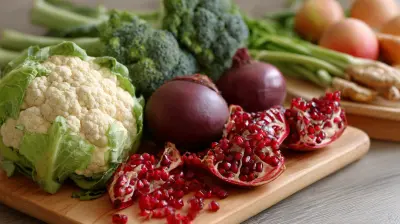
- Leafy greens (kale, spinach, Swiss chard)- Broccoli
- Brussels sprouts
- Fermented foods (natto, sauerkraut)
5. Protein – The Bone Matrix Builder
Bones aren’t just made of minerals—they also contain protein, which helps with bone structure and repair. Without enough protein, your body may struggle to maintain strong bones.Best Sources of Protein:
- Lean meats (chicken, turkey, beef)- Eggs
- Dairy products
- Nuts and seeds
- Beans and lentils
Lifestyle Habits for Stronger Bones
Diet is crucial, but there’s more to bone health than just what you eat. Your daily habits play a major role, too.1. Stay Active (But Safely!)
Weight-bearing exercises help strengthen bones. Activities like walking, light jogging, prenatal yoga, and strength training can keep your bones strong. However, avoid high-impact exercises or activities with a high risk of falling.2. Maintain a Healthy Weight
Gaining the right amount of weight during pregnancy supports both your and your baby’s health. Extreme weight gain or loss can negatively impact bone density. Follow your doctor’s recommendations for a healthy weight gain range.3. Limit Caffeine and Soda
High caffeine intake can interfere with calcium absorption. Limit coffee, tea, and soda, and opt for calcium-rich drinks instead.4. Quit Smoking and Reduce Alcohol
Smoking weakens bones, and alcohol can interfere with calcium absorption. Cutting back on these habits benefits both you and your baby’s health.5. Get Enough Sleep
Your bones rebuild and repair themselves while you sleep. Aim for at least 7-9 hours of quality sleep each night to support overall bone health.
Can Supplements Help?
If you’re struggling to get enough nutrients from food, supplements can be a great option—just check with your doctor first.Recommended Supplements for Bone Health:
- Calcium supplements (if you don’t get enough from food)- Vitamin D supplements (especially if you live in a low-sunlight area)
- Magnesium supplements (if your diet lacks magnesium-rich foods)
- Prenatal vitamins (most contain key bone-supporting nutrients)
Remember, more isn’t always better. Taking excessive calcium supplements can lead to kidney stones or interfere with the absorption of other minerals. Stick to recommended dosages.
Signs You May Need More Bone Support
Are you getting enough nutrients for your bones? Here are some warning signs that you may need to boost your bone health:- Frequent muscle cramps or spasms
- Easily breaking or fracturing bones
- Weak or brittle nails
- Fatigue and low energy
- Joint pain or stiffness
If you experience any of these symptoms, talk to your doctor about adjusting your diet or adding supplements.
Final Thoughts
Pregnancy is a time of incredible changes, and your bones need just as much attention as the rest of your body. By eating a calcium-rich diet, ensuring proper vitamin D levels, staying active, and following bone-friendly habits, you can support both your health and your baby’s development.Strong bones today mean a healthier future for both you and your little one. So, load up on those nutrient-packed foods, get some sunlight, move your body, and rest well—you’ve got this!
all images in this post were generated using AI tools
Category:
Healthy BonesAuthor:

Laura Hudson
Discussion
rate this article
1 comments
Starling Webster
Supporting healthy bones during pregnancy is so important for both you and your baby. Remember to focus on balanced nutrition, including calcium and vitamin D, and stay active with safe exercises. Your efforts now will have lasting benefits for your growing family. Keep it up!
June 15, 2026 at 5:05 PM
Laura Hudson
Thank you for your thoughts! It's true that focusing on nutrition and safe activity can make a big difference for both mom and baby. Appreciate your support!