Hydrating Wisely: Choosing the Right Beverages
20 May 2026
Staying hydrated is essential for our health—but here’s the kicker: not all beverages are created equal. While we often reach for whatever is within arm’s reach, the choices we make can either boost our well-being or leave us sluggish and dehydrated. So, how do you hydrate wisely? Let’s break it down and help you pick the best beverages for optimal health. 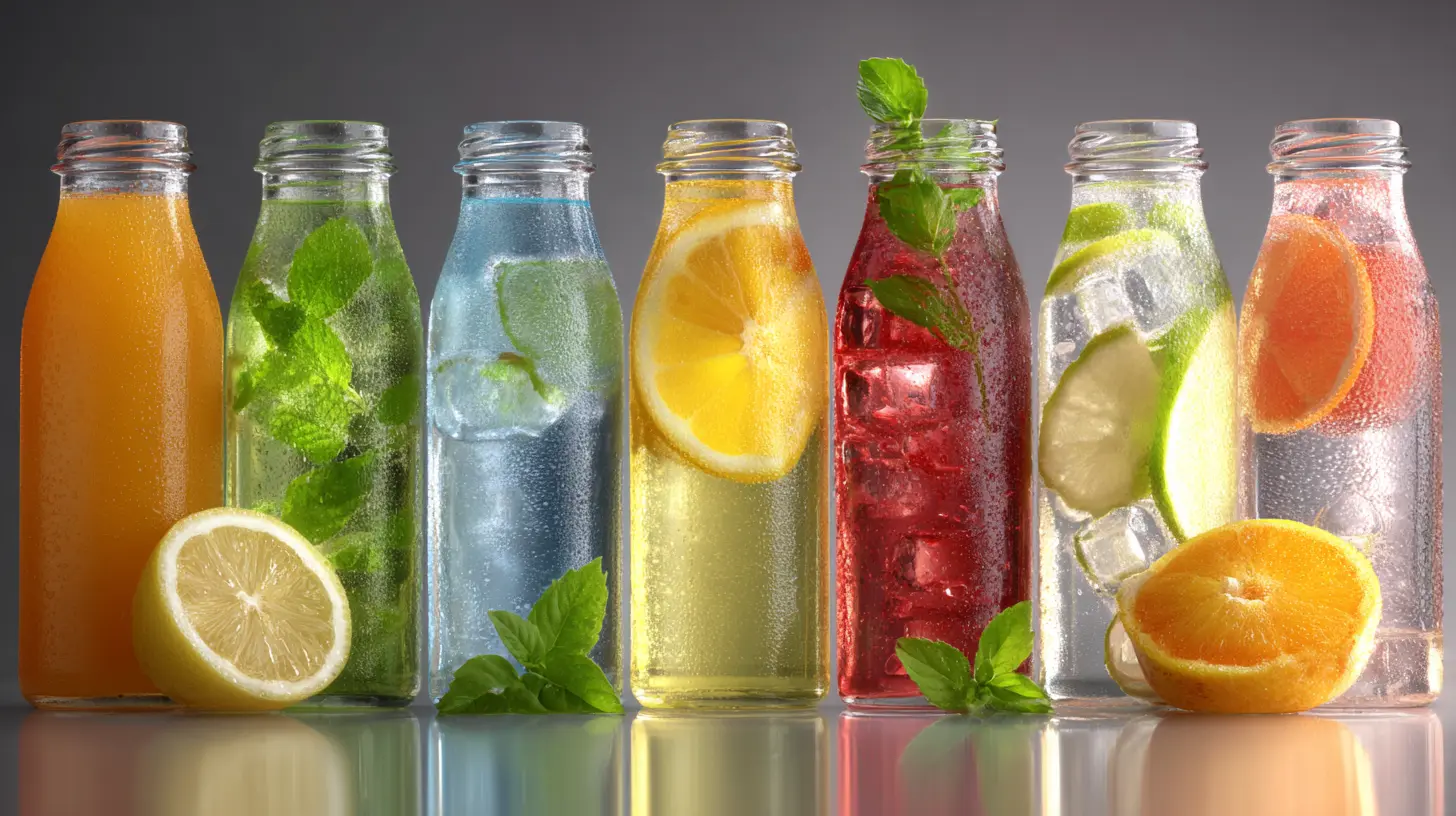
Why Hydration Matters
First things first—why is hydration such a big deal? Well, our bodies are about 60% water, and every cell, organ, and tissue relies on it to function properly. Whether it’s regulating body temperature, flushing out toxins, or keeping our joints lubricated, hydration is the unsung hero of good health.However, not all fluids hydrate equally. Some drinks pack a punch of nutrients, while others sneak in excessive sugars and artificial additives that do more harm than good. The key? Choosing wisely. 
The Best Hydration Choices
When you’re feeling thirsty, these beverages should be your go-to options:1. Water – The Gold Standard
Let’s start with the MVP of hydration—good old H₂O. It’s calorie-free, readily available, and exactly what your body craves. Drinking enough water daily helps with digestion, circulation, and even skin health.? Tip: If plain water doesn’t excite your taste buds, try infusing it with lemon slices, cucumber, or fresh mint for a refreshing twist.
2. Coconut Water – Nature’s Electrolyte Boost
If you need a little extra hydration, especially after exercise, coconut water is a fantastic choice. It’s packed with natural electrolytes like potassium and magnesium, making it a great alternative to sugary sports drinks.Pros:
✔ Low in sugar
✔ Naturally rich in electrolytes
✔ Helps replenish lost fluids after sweating
Cons:
❌ Some brands contain added sugars—always check the label!
3. Herbal Teas – Hydrating and Soothing
Herbal teas, like chamomile, peppermint, and hibiscus, offer hydration with a touch of flavor—without caffeine or sugar. They also come with added health benefits, such as aiding digestion and reducing stress.? Tip: Opt for caffeine-free herbal teas to maximize hydration, as caffeine can have mild diuretic effects.
4. Milk – A Surprising Hydration Hero
Believe it or not, milk is a fantastic hydration option. It contains a balance of carbohydrates, proteins, and electrolytes, making it especially beneficial post-workout.Pros:
✔ Provides calcium and vitamin D
✔ Contains natural electrolytes
✔ Great for muscle recovery
Cons:
❌ Might not be suitable for lactose-intolerant individuals
5. Fruit-Infused Water – Flavor Without the Guilt
If you love flavored drinks but want to avoid artificial sweeteners, fruit-infused water is your best friend. Simply add slices of citrus fruits, berries, or herbs to your water for a natural burst of flavor.? Tip: Let your infused water sit for a few hours in the fridge to enhance the flavor. 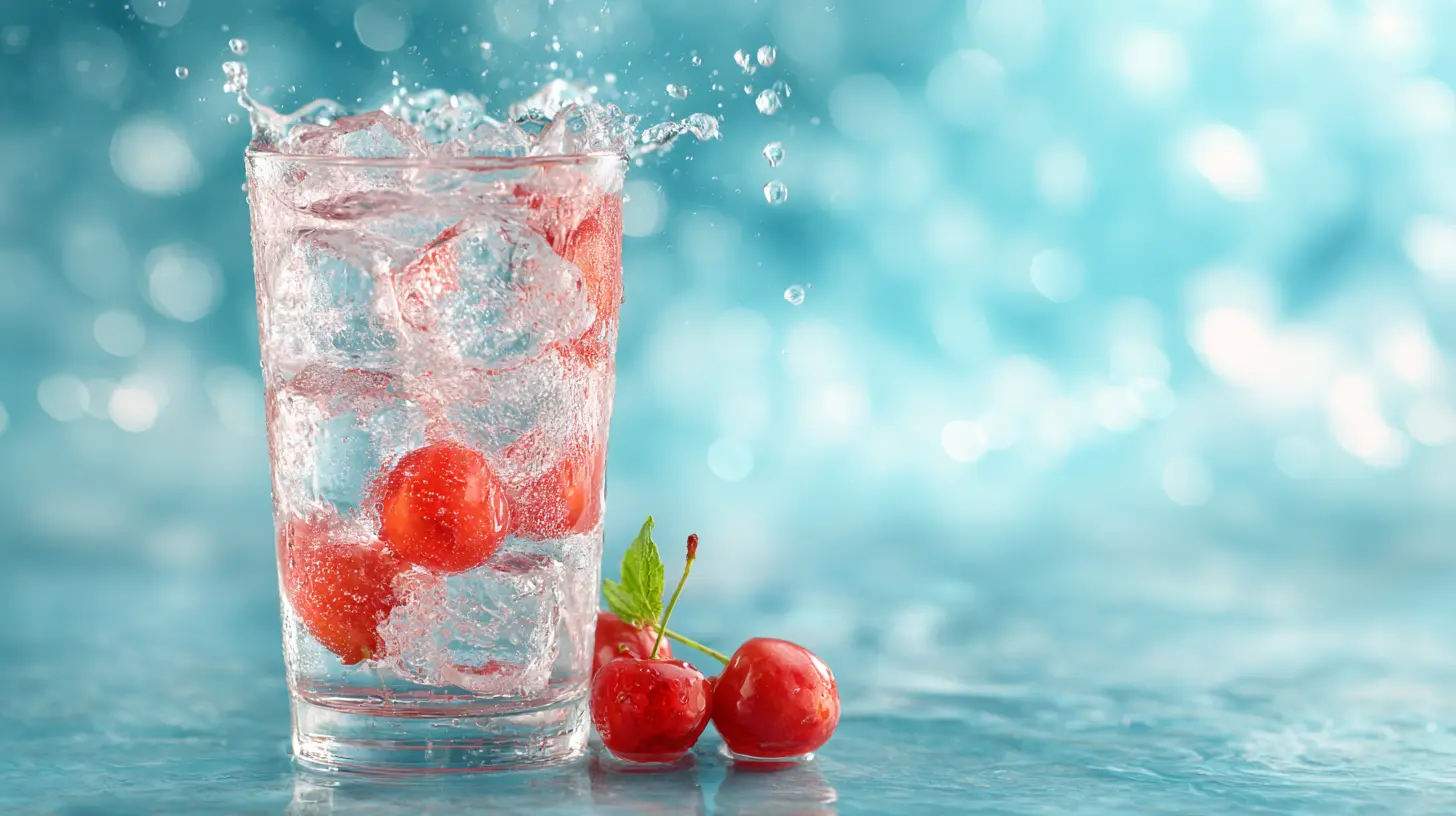
Drinks to Limit (Or Skip Altogether)
While some beverages provide excellent hydration, others can do more harm than good. Here are some common culprits to be mindful of:1. Sugary Sodas – A Hydration Nightmare
Sodas might be tempting, but they’re loaded with sugar and artificial ingredients that can dehydrate rather than hydrate. Plus, they contribute to weight gain and blood sugar spikes.Better Alternative: Sparkling water with a splash of natural fruit juice.
2. Sports Drinks – Not Always Necessary
Sports drinks may seem like a smart choice, especially after a workout, but they’re often packed with unnecessary sugars and artificial flavors. Unless you’re an endurance athlete, stick to coconut water or plain water.3. Coffee and Energy Drinks – Beware of Excess Caffeine
While a morning coffee isn’t a bad thing, excessive caffeine can act as a diuretic, increasing fluid loss. Energy drinks, in particular, are a bad hydration choice due to their high caffeine and sugar content.Better Alternative: Opt for decaffeinated coffee or herbal teas when you need a warm drink.
4. Alcohol – Deceptively Dehydrating
A few drinks at happy hour might be fun, but alcohol dehydrates the body. It increases urine production, leaving you feeling more parched than before.? Tip: If you drink alcohol, sip water between drinks to minimize dehydration. 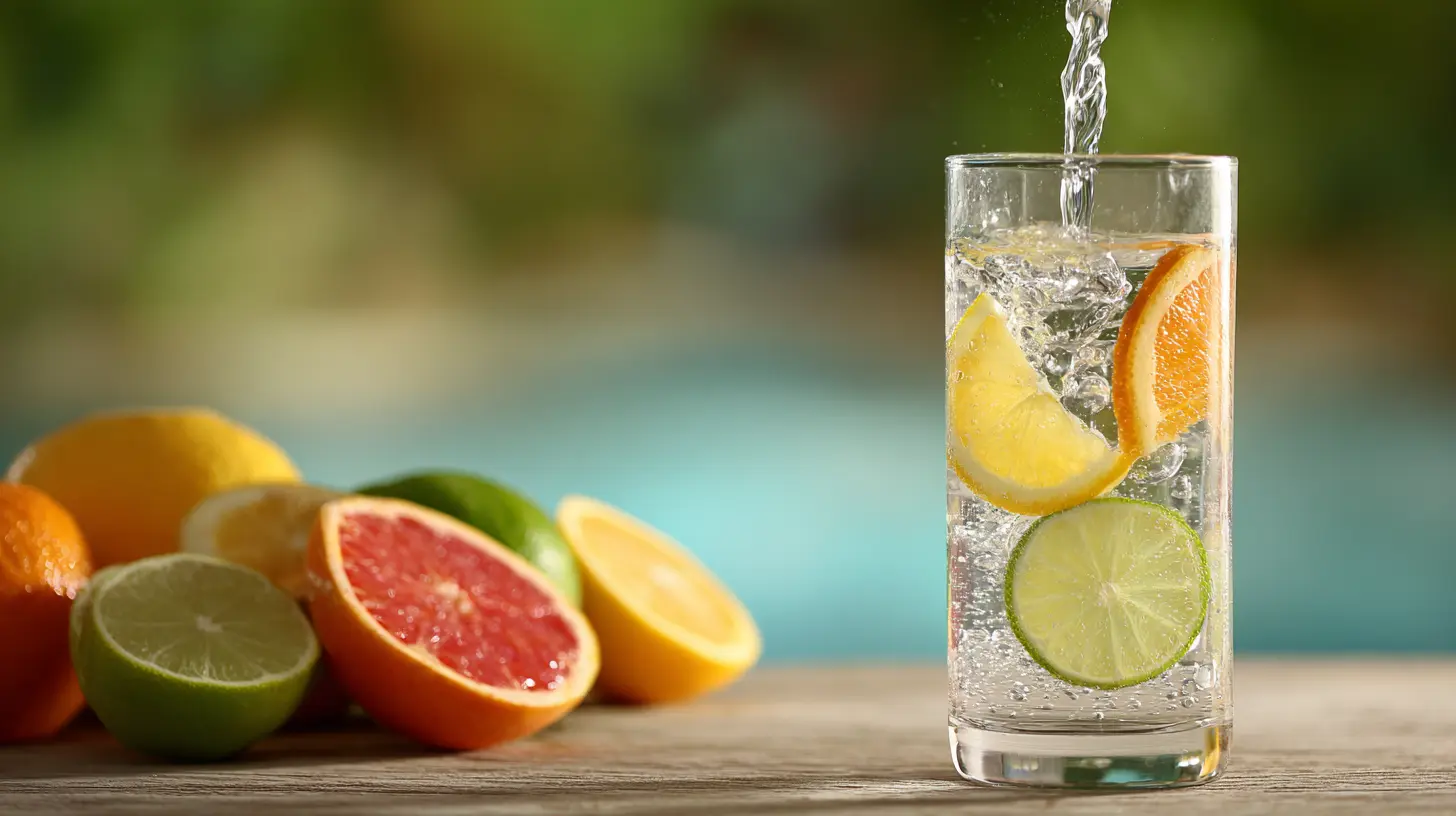
How Much Water Do You Really Need?
You’ve probably heard the “8 glasses a day” rule, but the truth is, hydration needs vary. Factors like age, activity level, climate, and diet all play a role. Here’s a simple way to gauge if you’re drinking enough:✅ Your urine should be light yellow—dark urine is a sign of dehydration.
✅ If you’re feeling sluggish or getting headaches, you might need more fluids.
✅ Thirst is already a late sign of dehydration, so sip regularly throughout the day.
? Tip: Keep a reusable water bottle with you as a reminder to drink up!
Final Thoughts
Hydrating wisely isn’t just about drinking more—it’s about making the right choices. Water should always be your top pick, but options like coconut water, herbal teas, and milk can also contribute to proper hydration. On the flip side, sugary sodas, high-caffeine drinks, and alcohol should be consumed in moderation.At the end of the day, your body knows what it needs—so listen to it, sip smart, and stay hydrated!
all images in this post were generated using AI tools
Category:
HydrationAuthor:

Laura Hudson
Discussion
rate this article
1 comments
Kade McAllister
Great insights on hydration! It's so important to choose beverages that benefit our health. Water should always be the top choice.
May 29, 2026 at 3:39 AM
Laura Hudson
Thank you! I completely agree-staying hydrated with the right beverages is key to our health. Water really is the best choice.