Isometric Strength Training: The Underestimated Workout Style
4 December 2025
When it comes to strength training, most people picture lifting weights, doing push-ups, or even swinging kettlebells. But what if I told you that you could build serious strength by just holding a position? Yep, that's the magic of isometric strength training—an often overlooked yet incredibly effective workout style.
While it may not have the flashy moves of CrossFit or the intensity of powerlifting, this form of resistance training has some serious advantages. If you're ready to challenge your muscles in a whole new way, buckle up because we’re diving deep into the underrated world of isometric training. 
What Is Isometric Strength Training?
Before we dive into why this workout style deserves more attention, let’s break it down in simple terms.Isometric strength training involves holding a muscle contraction without movement. Unlike traditional exercises (like squats or bench presses) that require motion, isometric exercises keep your muscles engaged in one fixed position.
Think of holding a plank or keeping yourself in a wall sit—your muscles are working hard, but you’re not moving. That’s an isometric exercise! 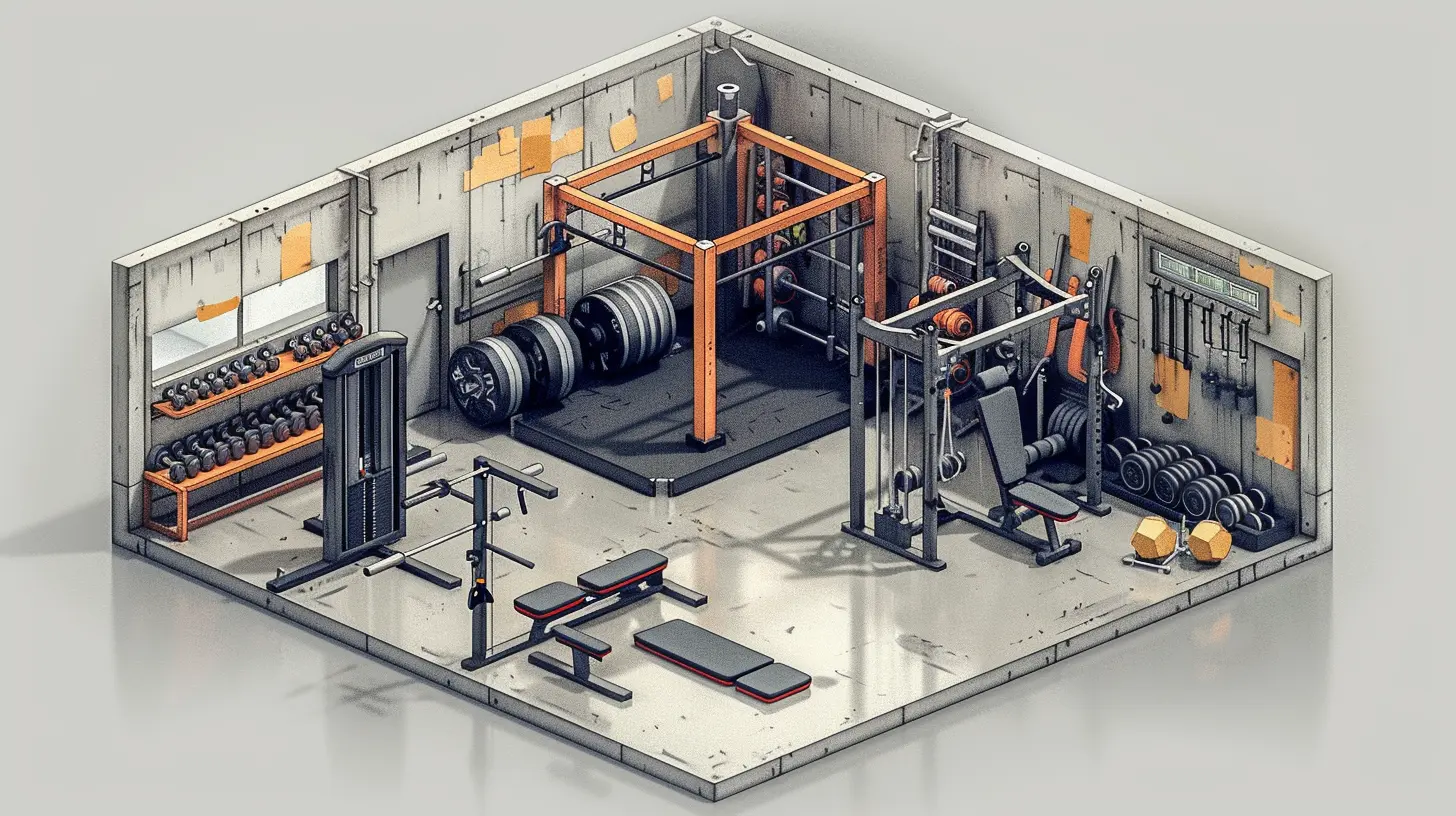
Why Is Isometric Training So Effective?
So, why should you care about this static strength training method? Because when done right, it can supercharge your strength, endurance, and stability—all without lifting heavy weights or doing endless repetitions.Here’s what makes isometric exercises so powerful:
1. Increases Muscle Strength Without Joint Strain
Unlike weightlifting, where repetitive motion can wear down your joints over time, isometric exercises place less stress on them. If you struggle with knee pain, arthritis, or past injuries, this type of training can help you build strength without making things worse.2. Enhances Muscle Endurance
Ever wonder how gymnasts hold those insane positions without shaking? It’s all about isometric strength! Training your muscles to remain engaged for extended periods builds endurance, allowing you to perform better in sports, workouts, and even daily activities.3. Improves Mind-Muscle Connection
One of the underrated benefits of isometric training is that it forces you to focus. Since there's no movement, you have to engage the correct muscles intentionally, improving your mind-muscle connection.4. Boosts Strength Gains and Performance
Isometric exercises help build raw strength by deeply activating muscle fibers. Studies show that adding isometric holds to your routine can enhance performance in lifts like squats and deadlifts.5. Requires No Equipment
Unlike traditional weight training, where you need dumbbells or resistance bands, you can perform most isometric exercises with just your body weight. This makes it perfect for workouts at home, in the office, or even while traveling.
Best Isometric Strength Training Exercises
Ready to give isometric training a shot? Here are some of the best exercises you can start with.1. Plank (Core, Shoulders, Back)
A classic isometric move, the plank is your go-to for enhancing core stability and strength.How to do it:
- Get into a push-up position with your forearms on the floor.
- Keep your body in a straight line, engaging your core and glutes.
- Hold for 30-60 seconds (or longer if you can!).
Why it works:
- Builds core endurance
- Strengthens the lower back
- Improves posture
2. Wall Sit (Legs, Glutes, Core)
This one burns like crazy, but that’s how you know it’s working.How to do it:
- Stand with your back against a wall and lower into a squat position.
- Keep your knees at a 90-degree angle and thighs parallel to the floor.
- Hold for 30-60 seconds (or until your legs start yelling at you).
Why it works:
- Strengthens quads, hamstrings, and glutes
- Boosts leg endurance
- Helps with stability and balance
3. Isometric Push-Up Hold (Chest, Arms, Core)
Want to build upper body strength without repping out push-ups? Hold the position instead.How to do it:
- Get into a push-up position, but stop halfway down.
- Keep your elbows bent at 90 degrees and hold.
- Engage your core, chest, and arms while staying steady.
Why it works:
- Builds explosive strength
- Increases muscular endurance
- Strengthens stabilizing muscles
4. Glute Bridge Hold (Glutes, Hamstrings, Core)
Great for building strong glutes and taking pressure off your lower back.How to do it:
- Lie on your back with knees bent, feet flat on the floor.
- Lift your hips so your body forms a straight line from shoulders to knees.
- Squeeze your glutes and hold for 30-60 seconds.
Why it works:
- Strengthens glutes and hamstrings
- Improves hip stability
- Great for lower back health
5. Isometric Bicep Curl (Arms, Forearms)
You don’t need to lift heavy weights for stronger biceps—just hold the curl position.How to do it:
- Hold a dumbbell (or any weighted object) at a 90-degree angle.
- Keep your biceps engaged and hold for 30-45 seconds.
Why it works:
- Increases bicep endurance
- Strengthens forearms
- Helps in grip training 
How To Incorporate Isometric Training Into Your Routine
Now that you're convinced isometric training is worth a shot, it's time to add it to your fitness regimen.1. Start Small
If you're new to isometric exercises, begin with short holds (10-30 secs) and gradually increase the duration as you get stronger.2. Mix It With Other Workouts
You don’t have to replace your entire workout routine—just add some isometric holds after your lifts or in-between exercises for extra resistance.3. Use It for Strength Plateaus
If you've hit a strength plateau, incorporating isometric holds at your sticking points (like pausing at the bottom of a squat) can help you push through.4. Make It A Daily Habit
Unlike high-impact training, isometric exercises can be done daily without excessive strain on the body.Final Thoughts: Time to Embrace Isometric Strength Training
It's time to stop underestimating isometric strength training. This underrated workout style is a game changer when it comes to building strength, improving endurance, and protecting your joints—all without fancy equipment or complicated movements.So, next time you hit the gym (or your living room floor), throw in some planks, wall sits, and static holds. Your muscles will thank you.
Would you give isometric training a shot? Let me know how it works out for you!
all images in this post were generated using AI tools
Category:
Strength TrainingAuthor:

Laura Hudson
Discussion
rate this article
1 comments
Kairo Middleton
Isometric strength training deserves greater attention, as it effectively builds muscle endurance and stability without the need for equipment. Its low-impact nature makes it accessible for all fitness levels, promoting joint health and reducing injury risk. As awareness grows, integrating isometric exercises into routines may enhance overall strength training outcomes.
December 8, 2025 at 5:29 AM
Laura Hudson
Thank you for your insightful comment! I completely agree that isometric strength training is a versatile and accessible approach that can significantly benefit overall fitness and joint health. Promoting awareness is key to maximizing its potential in our routines.