Natural Ways to Prevent Osteoporosis
20 August 2026
Osteoporosis is a silent disease that weakens bones, making them fragile and more prone to fractures. The scary part? You often don’t realize you have it until a bone breaks. But here’s the good news—there are plenty of natural ways to prevent osteoporosis and keep your bones strong for years to come.
Let’s dive into effective lifestyle changes, diet choices, and habits that can help you maintain bone health naturally. 
1. Eat a Bone-Boosting Diet
Your diet plays a massive role in maintaining bone density. Think of your bones as a savings account—what you deposit today will determine their strength in the future.Calcium-Rich Foods
Calcium is the building block of bones. Adults should aim for about 1,000-1,200 mg of calcium per day. Instead of relying on supplements, try getting your calcium from food sources like:- Dairy products (milk, yogurt, cheese)
- Leafy greens (spinach, kale, collard greens)
- Almonds
- Sardines (with bones)
- Tofu
- Fortified plant-based milk (almond, soy, oat milk)
Vitamin D: The Calcium Helper
Calcium is useless without vitamin D because your body needs it to absorb calcium effectively. The best ways to get enough vitamin D include:- Sunlight: Spend 15-30 minutes a day in the sun.
- Food Sources: Fatty fish (salmon, mackerel), egg yolks, fortified cereals.
- Supplements: If you live in colder climates with limited sun exposure, check with your doctor about vitamin D supplements.
Other Bone-Strengthening Nutrients
- Magnesium: Found in nuts, seeds, whole grains, and dark chocolate.- Vitamin K: Found in leafy greens, broccoli, and Brussels sprouts.
- Protein: Essential for bone structure—get it from lean meat, beans, fish, and dairy.

2. Get Moving: Exercise for Stronger Bones
Think of your bones as muscles—the more you use them, the stronger they get. A sedentary lifestyle weakens bones, making them more susceptible to fractures.Weight-Bearing Exercises
These are exercises where your bones support your body weight. They help slow bone loss and even build new bone. Try:- Walking
- Jogging
- Dancing
- Hiking
- Tennis
Strength Training
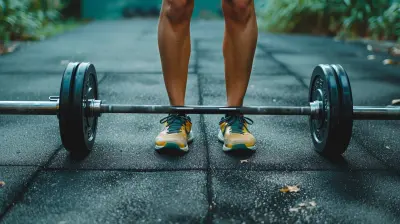
Lifting weights or doing bodyweight exercises (like push-ups and squats) helps build bone density. Strength training puts stress on bones, which signals your body to strengthen them.Balance & Flexibility Exercises
Exercises like yoga and Tai Chi improve balance, reducing the risk of falls and fractures. Strong bones won’t help much if you’re prone to falling!
3. Limit Bone-Damaging Habits
Some lifestyle choices can increase the risk of osteoporosis. Here’s what to avoid:Excess Alcohol
Drinking too much alcohol interferes with calcium absorption and can weaken bones. If you drink, stick to moderation—one drink per day for women, two for men.Smoking
Smoking reduces blood flow to bones and slows the production of bone-forming cells. It also lowers estrogen levels, which protect bone density. Quitting smoking can significantly improve bone health.Too Much Caffeine
While a morning coffee is fine, excessive caffeine can reduce calcium absorption. Try to limit coffee to 2-3 cups a day and balance it with calcium-rich foods.
4. Maintain a Healthy Weight
Being underweight increases the risk of osteoporosis since bones need a certain amount of stress to stay strong. On the flip side, obesity can put extra pressure on bones, increasing fracture risks. Aim for a balanced weight by eating a nutritious diet and staying active.5. Improve Your Posture & Prevent Falls
Bad posture puts unnecessary strain on your bones, leading to fractures and spinal issues over time. Try these posture-friendly habits:- Sit and stand tall: Keep your back straight and shoulders relaxed.
- Use ergonomic furniture: A supportive chair can make a big difference.
- Be mindful of fall risks: Remove clutter, wear sturdy shoes, and add non-slip mats in your home.
Simple changes like these can prevent serious injuries, especially as you age.
6. Manage Stress & Get Enough Sleep
High levels of stress lead to increased cortisol, a hormone that can weaken bones over time. Try stress-reducing activities like:- Meditation
- Deep breathing exercises
- Spending time in nature
- Engaging in hobbies you enjoy
Additionally, poor sleep quality can disrupt bone remodeling. Aim for 7-9 hours of good-quality sleep each night to keep your bones strong.
7. Try Natural Remedies & Herbs
Some natural herbs and supplements may support bone health:- Collagen supplements – Collagen is a key protein in bone structure.
- Red clover & horsetail – Known for their bone-strengthening properties.
- Turmeric – Helps reduce inflammation, which can protect bone health.
Always talk to a healthcare provider before adding supplements to your routine.
8. Get Regular Bone Density Tests
If you're over 50 or have risk factors for osteoporosis, talk to your doctor about getting a bone density test (DEXA scan). Catching bone loss early gives you a chance to take action before major problems arise.Final Thoughts
Preventing osteoporosis naturally isn't about one magic fix—it's about adopting a combination of habits that support bone health. By eating a nutrient-rich diet, staying active, avoiding harmful habits, and taking care of your overall well-being, you can keep your bones strong and reduce the risk of fractures as you age.Start today—your future self will thank you for it!
all images in this post were generated using AI tools
Category:
Healthy BonesAuthor:

Laura Hudson