Plant-Based Diets: Can You Still Have Strong Bones?
9 February 2026
Let’s be real—there’s a stereotype floating around that vegans and plant-based eaters are all fragile little sticks just trying to survive on salad. Sound familiar? You know, the old “Where do you get your protein?” and “Aren’t your bones going to snap?” kind of chatter?
If you've ever thought about ditching meat and dairy, someone has probably warned you that your bones are going to crumble like an old cookie. But is that actually true? Or is it just another food myth cooked up by the dairy lobby?
Well, grab a glass of almond milk (fortified, of course), and let me walk you through the nitty-gritty of what a plant-based diet really means for your bone health. Spoiler alert: You don’t need to gnaw on animal bones to have strong ones of your own.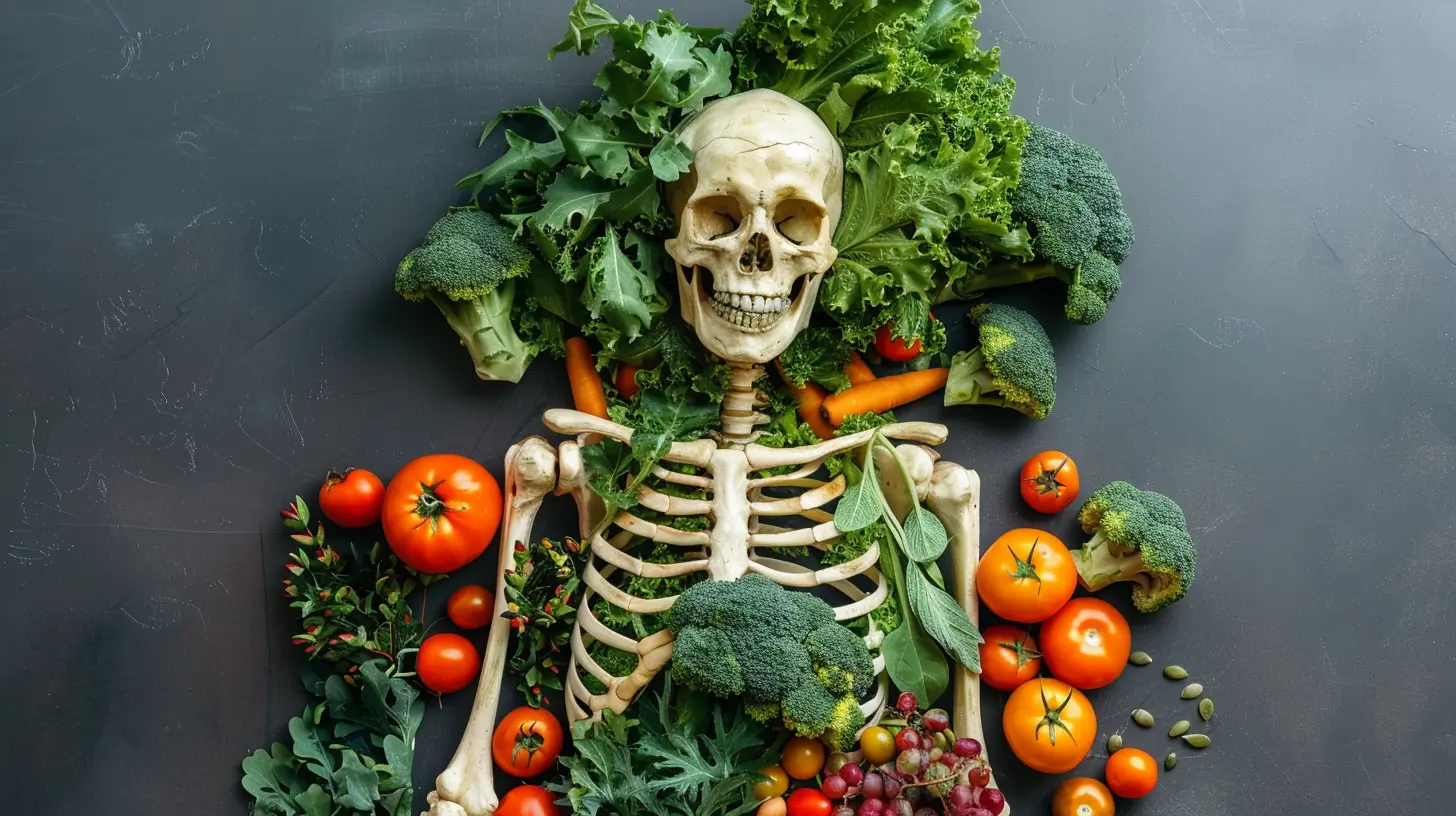
Let’s Talk Bones: What Are They Even Made Of?
Before we jump into tofu and tahini territories, let’s start with the basics. Your bones are living tissues. Yeah, they’re not just lifeless sticks holding you up—they grow, rebuild, and adapt just like the rest of your body.They’re mostly made of:
- Calcium – The superstar mineral for bone strength.
- Collagen – Think of this as the rubbery frame holding things together.
- Phosphorus, magnesium, vitamin D, and vitamin K – The lesser-known (but still important) supporting cast.
So yes, bones need more than just calcium. It’s teamwork, people!
Where Does the Myth Come From?
We’ve been told for decades that dairy = strong bones. Classic milk commercials, anyone? The image of a strong-bodied human lifting weights while chugging a cold glass of cow’s milk is etched in our brains.But here’s the kicker—studies now suggest that countries with the highest dairy consumption also have the highest hip fracture rates. Like…what? That doesn’t quite add up, does it?
So maybe we’ve been asking the wrong questions. Instead of “Where’s the calcium?” maybe we should ask, “How well is the calcium being absorbed and used?”
Can Plants Offer Enough Calcium?
Short answer: Heck yes, they can. Longer answer: You just have to know where to look.Plenty of plant-based foods are loaded with calcium. Sometimes even more so (and better absorbed) than dairy. Yeah, I said it.
Calcium-Rich Plant Foods to Stock Your Pantry With:
- Kale and collard greens (calcium superheroes)- Bok choy
- Tofu (especially if calcium-set)
- Almonds
- Figs
- Sesame seeds and tahini
- Fortified plant milks and cereals
- Chia seeds
Pro tip: Not all leafy greens are created equal. Spinach, for example, has calcium—but it also has oxalates, compounds that block calcium absorption. It’s kind of like inviting your ex to your wedding. Just awkward.
So don’t just pile on the spinach and call it a day—mix it up with calcium-rich greens that actually let calcium do its thing.
The Vitamin D Dilemma
Okay, so here’s the deal. Calcium is like the building block, but vitamin D is the construction crew. Without it, calcium just kind of sits there, confused and directionless.Your body makes vitamin D when you catch some sun (hence the nickname “sunshine vitamin”), but if you’re stuck at a desk, live somewhere gray, or cover up a lot—sunlight might not cut it.
Plant-Based Vitamin D Sources:
- Mushrooms exposed to sunlight (not just any ‘shrooms—those UV-treated ones)- Fortified plant milks and cereals
- Supplements (Vitamin D2 is typically plant-based, but D3 exists in vegan forms now!)
Don’t be shy about getting your levels checked and supplementing. Your bones will thank you.
Protein: Is It a Big Deal?
Yes, protein is important. No, you don’t need steak to get it.Bones are about 50% protein by volume, and getting enough plant-based protein helps maintain bone density, especially as you age.
Plant Protein MVPs:
- Legumes (lentils, chickpeas, black beans—your pantry’s best friends)- Nuts and seeds
- Whole grains like quinoa
- Soy products (tofu, tempeh, edamame)
And hey—don’t underestimate plant diversity. When you eat a variety of plant proteins, your body gets all the essential amino acids it needs, no problem.
What About Bone Mineral Density?
Here’s where things get really interesting.Research shows that well-planned plant-based diets can support healthy bone mineral density (BMD). The trick is making sure the diet isn’t just Oreos and vegan pizza (no judgment—we’ve all had those days).
In fact, some plant-based eaters have stronger bones than meat-eaters. Why? They often eat more fruits, veggies, and whole foods loaded with antioxidants and anti-inflammatory compounds. These reduce bone breakdown and help maintain healthy bone turnover.
Plants That Actually Support Bone Health (Spoiler: Not Just For Rabbits)
Some foods do more than just exist—they actively help you build and protect bone. Let’s show them some love.1. Kale
With low oxalates and loads of calcium, kale is basically leafy green gold.2. Broccoli
Rich in vitamin K and C (which helps collagen formation—a building block for bone).3. Sweet Potatoes
Loaded with potassium and magnesium, both of which help preserve bone health.4. Prunes
Okay, hear me out. They may scream “grandma snack,” but studies show prunes can help prevent bone loss. They're like little wrinkly superheroes.The Importance of Vitamin K
Vitamin K is like the unsung hero here. It helps regulate calcium in the bones. Without it, calcium might wander off to your arteries or kidneys instead. Not cool.Where to Find It:
- Leafy greens (hello, arugula and Swiss chard)- Broccoli
- Brussels sprouts
- Fermented soy (natto, for the adventurous eaters out there)
Magnesium and Phosphorus: The Support Squad
These minerals don't get the spotlight, but they should. Magnesium helps you absorb calcium and convert vitamin D into its active form. Phosphorus helps form bone structure.Best Plant-Based Sources:
- Pumpkin seeds- Quinoa
- Whole wheat bread
- Brown rice
- Beans
Moral of the story: Don’t just focus on calcium alone. It’s like trying to bake a cake with only flour. You need the full recipe.
Lifestyle Habits That Impact Bone Health (Spoiler: It’s Not Just What You Eat)
Let’s zoom out and take a big-picture look. Bones don’t live in a vacuum (wouldn’t that be weird?). Here are some habits to support them beyond your plate.1. Move Your Body
Weight-bearing exercise (think walking, dancing, yoga, resistance training) stimulates bone growth. If you sit all day, your bones might start to hit snooze.2. Don’t Skip the Healthy Fats
Omega-3s (from flax, chia, hemp, walnuts) can reduce bone-breaking inflammation.3. Watch the Caffeine and Alcohol
A couple cups of coffee are fine, but mega doses can mess with calcium absorption. Same goes for excessive alcohol. (Moderation is the name of the game.)4. Quit Smoking
Yeah. Bones don’t like smoke either. Enough said.Common Pitfalls…And How to Dodge 'Em
Let’s be honest—a plant-based diet can be a one-way ticket to nutrient deficiencies if you're not paying attention. But it doesn’t have to be. Here’s how to stay on top of your bone game.Mistake #1: Avoiding Fortified Foods
Think of fortified plant milks and cereals as your secret weapon. They fill in the gaps.Mistake #2: Skipping Supplements
B12, vitamin D, and omega-3s are tough to get on plants alone. Keep it simple. Pop a vegan-friendly multivitamin if needed.Mistake #3: Over-Relying on One Food Group
Living on fruit or starch alone? Not ideal. Variety is your bone-loving friend.Still Think You’ll End Up With Brittle Bones?
Let’s squash that fear once and for all.Science supports that with the right choices, a plant-based eater can have bones as strong as someone who eats dairy or meat—sometimes even stronger.
But it doesn’t happen by accident. You’ve got to eat smart, move your body, and occasionally step into the sun like the magnificent houseplant-human hybrid you are.
Your bones aren’t made of tofu—but they sure love it.
Final Thoughts: Don’t Fear the Plants
Bottom line? You can be strong, athletic, energetic—and plant-based.Your bones are adaptable, resilient, and ready to thrive—if you give them the right stuff. So the next time someone asks, “But what about your bones on a plant-based diet?” feel free to crack a smile, do a yoga pose, and say, “Stronger than ever, thanks!
all images in this post were generated using AI tools
Category:
Healthy BonesAuthor:

Laura Hudson
Discussion
rate this article
2 comments
Axel McGeehan
Absolutely! A well-planned plant-based diet can support strong, healthy bones. Keep thriving!
February 18, 2026 at 4:10 AM
Laura Hudson
Thank you! I'm glad you found the article helpful!
Blaine McCarron
Absolutely! A well-planned plant-based diet can provide all the essential nutrients for strong bones—think leafy greens, nuts, seeds, and fortified foods for optimal health!
February 13, 2026 at 5:28 AM
Laura Hudson
Thank you! Absolutely, a well-planned plant-based diet can definitely support bone health with the right nutrients.