Practicing Gratitude: A Key to a Healthier Mindset
19 March 2026
Introduction
Ever felt stuck in a cycle of negativity? Or maybe you’ve found yourself constantly focusing on what’s going wrong rather than what’s going right? You’re not alone. Life throws curveballs, and sometimes it’s hard to see the silver lining. But what if I told you that there’s a simple yet powerful way to shift your mindset and improve your overall well-being?
Enter gratitude.
Practicing gratitude isn’t just about saying “thank you” or jotting down a few things you appreciate. It’s a mindset shift that can transform how you view the world and, more importantly, how you feel on a daily basis. From reducing stress to improving relationships, gratitude has the power to rewire your brain for positivity. Let’s dive into why and how practicing gratitude can be the key to a healthier mindset.

The Science Behind Gratitude
Gratitude isn’t just a feel-good concept—it’s backed by science. Studies have shown that regularly practicing gratitude can significantly impact mental and physical health.Here’s how:
- Boosts Brain Function: Gratitude activates the brain’s reward system, increasing dopamine and serotonin levels—chemicals responsible for happiness. Essentially, being thankful helps rewire your brain for positivity.
- Reduces Stress and Anxiety: When you focus on what’s good in your life, you naturally reduce stress and anxiety. Instead of fixating on problems, you train your mind to see opportunities and solutions.
- Improves Sleep Quality: Keeping a gratitude journal before bed can lower the amount of negative thoughts that keep you up at night. Better sleep equals a better mood and improved overall health.
- Enhances Emotional Resilience: Life can be tough, but gratitude acts as a mental cushion. People who practice gratitude regularly handle challenges with a more positive outlook, making them more resilient.

Gratitude and Mental Health: A Game-Changer
If you’ve ever struggled with anxiety, stress, or even depression, you know how overwhelming negative thoughts can be. Gratitude offers an antidote.When you shift your focus from what’s wrong to what’s right, your brain starts building a habit of seeking out positives. This doesn’t mean ignoring problems—it means acknowledging them while also recognizing the good. Over time, this mindset change can improve emotional stability, making it easier to handle life’s ups and downs.
How Gratitude Combats Negative Thinking
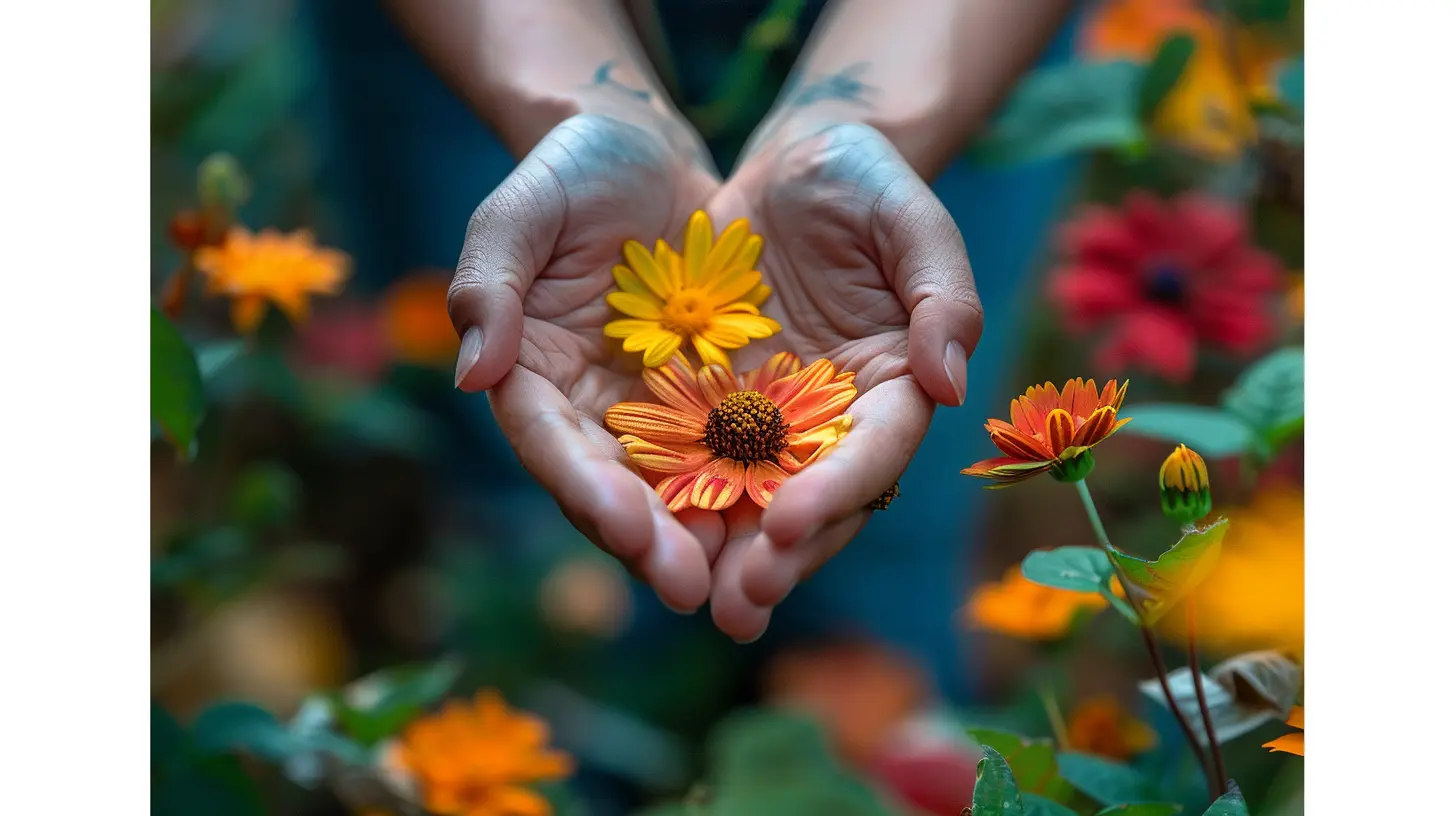
Negative thinking is like a snowball—it starts small but can quickly build into something unmanageable. Gratitude interrupts this cycle.Think of your brain as a garden. If you constantly water the weeds (negative thoughts), they’ll overtake the flowers (positive thoughts). But if you consciously nurture the flowers, they’ll bloom, leaving less room for negativity.
By practicing gratitude, you train your brain to focus on the flowers rather than the weeds.
Simple Ways to Practice Gratitude Daily
You don’t need an elaborate routine to experience the benefits of gratitude. Small, consistent efforts can create a lasting impact. Here are a few easy ways to incorporate gratitude into your daily life:1. Keep a Gratitude Journal
Writing down a few things you’re grateful for each day can make a huge difference. It doesn’t have to be anything groundbreaking—simple things like a kind gesture from a friend or a beautiful sunset count.2. Express Gratitude to Others
A heartfelt thank-you can go a long way. Whether it’s a text, a note, or a face-to-face conversation, letting someone know you appreciate them strengthens your relationships and boosts your mood.3. Practice Gratitude Meditation
Spend a few minutes each day focusing on what you’re grateful for. Close your eyes, take deep breaths, and reflect on positive aspects of your life. This practice helps reinforce a grateful mindset.4. Use Gratitude Affirmations
Affirmations are a great way to rewire your thoughts. Try repeating phrases like:- "I am grateful for the challenges that help me grow."
- "I appreciate the small joys in my daily life."
- "Gratitude fills my heart, making me feel at peace."
5. Reflect Before Bed
Instead of scrolling through social media or dwelling on what went wrong, take a moment to think about three good things that happened during the day. It’s a simple habit that rewires your brain for positivity.
How Gratitude Transforms Physical Health
Believe it or not, gratitude isn’t just good for your mind—it has amazing physical benefits too.- Boosts the Immune System: Research shows that grateful individuals have stronger immune responses, making them less susceptible to illness.
- Lowers Blood Pressure: Practicing gratitude can help reduce stress-related hypertension, leading to better heart health.
- Encourages Healthy Habits: When you appreciate your body and well-being, you’re more likely to engage in healthy behaviors like exercising, eating well, and getting enough sleep.
Overcoming Common Barriers to Gratitude
Let’s be honest—some days, it’s hard to feel grateful. Life gets messy, stress piles up, and practicing gratitude feels like the last thing you want to do. But that’s when it’s most important.Here are a few common roadblocks and how to overcome them:
- "I have nothing to be grateful for."
Look for small wins. Even on tough days, there’s always something—a good meal, a supportive friend, or even just waking up in the morning.
- "Gratitude feels forced."
That’s okay! The more you practice, the more natural it becomes. Think of it like exercise—the first few workouts might feel uncomfortable, but over time, they get easier.
- "I forget to practice gratitude."
Set reminders or link gratitude to a daily habit. For example, make it a habit to think of something you’re grateful for while brushing your teeth.
Final Thoughts
Gratitude isn’t just a buzzword—it’s a life-changing practice. By making it a daily habit, you can rewire your brain, boost your mental and physical health, and cultivate a more positive outlook on life.So, why not start today? Take a moment to appreciate something—big or small. Over time, you’ll see just how powerful this simple practice can be.
all images in this post were generated using AI tools
Category:
Healthy LifestyleAuthor:

Laura Hudson
Discussion
rate this article
2 comments
Carrie Estes
Practicing gratitude is like wearing mental sunscreen: it protects you from negativity's UV rays while making your mind glow brighter than a summer day!
March 29, 2026 at 4:18 AM
Jet Wilson
Thank you for this insightful article on gratitude! It beautifully highlights how a simple practice can significantly improve mental well-being. I'm eager to implement these strategies in my daily life for a healthier mindset. Keep up the great work!
March 24, 2026 at 3:37 AM
Laura Hudson
Thank you for your kind words! I'm glad you found it helpful. Enjoy your gratitude journey!