Prioritizing Mental Health in an Always-On Culture
9 May 2026
In today’s fast-paced world, where being “always-on” is the norm, our mental health often takes a backseat. We glorify busyness, thrive on digital connectivity, and measure productivity by hours worked instead of well-being maintained. But at what cost?
If you’ve ever felt stretched too thin, mentally exhausted, or emotionally drained, you’re not alone. The pressure to stay available 24/7 can take a serious toll on our mental well-being. That’s why prioritizing mental health isn’t just self-care—it’s survival.
Let’s dive into why mental health matters, how our "always-on" culture affects us, and, most importantly, how we can break free from this cycle and reclaim balance.
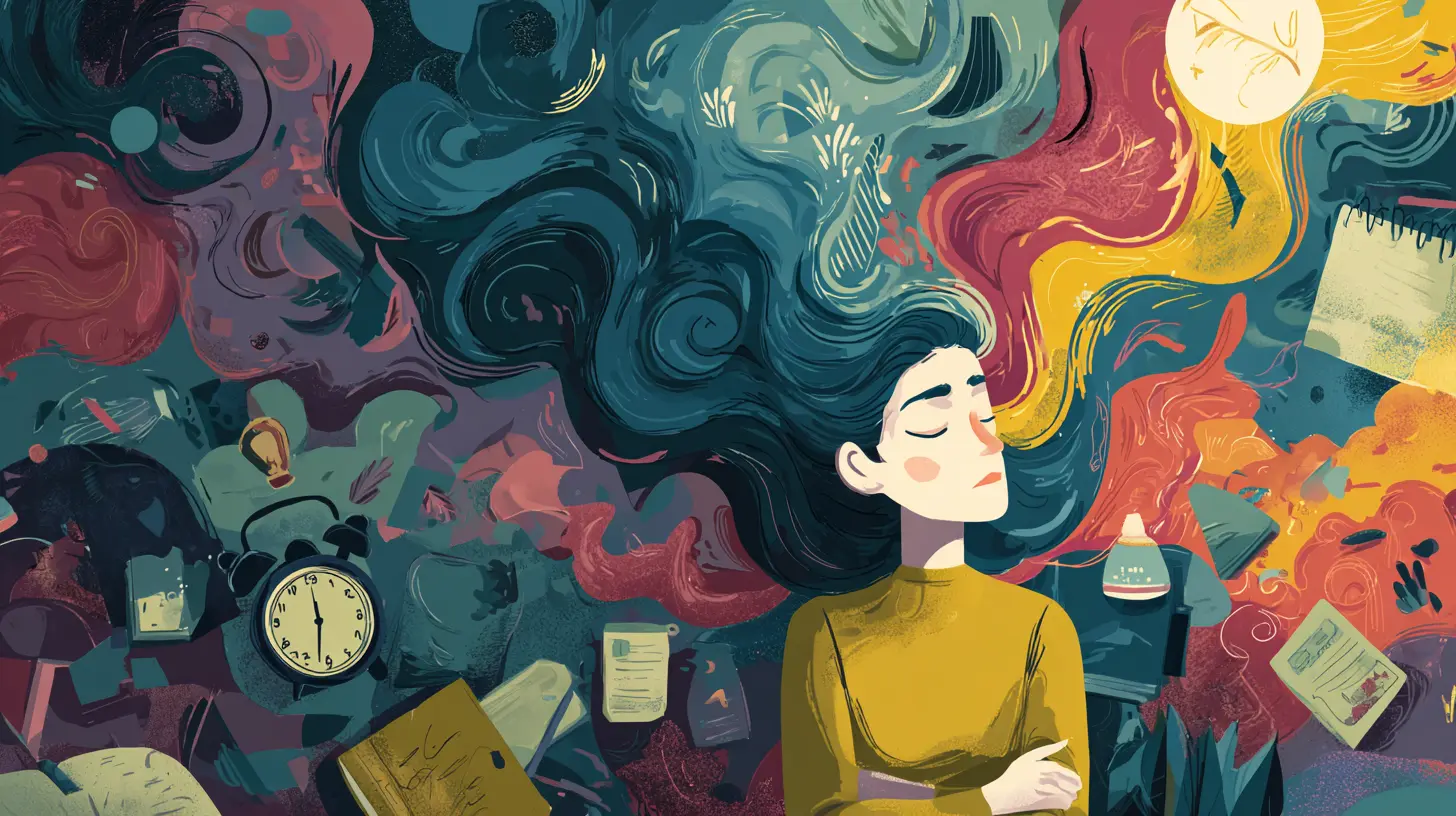
The Impact of an Always-On Culture on Mental Health
We live in a world where time off feels like a luxury, and unplugging seems impossible. But constantly being available—whether for work, social media, or personal responsibilities—can lead to:1. Chronic Stress and Anxiety
Constant notifications, endless to-do lists, and the expectation to respond instantly keep our brains in a never-ending fight-or-flight mode. This can result in:- Increased anxiety
- Difficulty concentrating
- Trouble sleeping
2. Burnout and Emotional Exhaustion
Burnout isn’t just feeling tired—it’s complete emotional and mental depletion. Symptoms include:- Lack of motivation
- Emotional numbness
- Physical fatigue
When work and life blur together, we risk losing the energy needed to function effectively.
3. Poor Sleep Quality
Scrolling through emails before bed? Checking social media late at night? These habits can mess with your sleep cycle, leading to:- Insomnia
- Restless sleep
- Grogginess the next day
Your brain needs downtime before bed to recharge properly.
4. Strained Relationships
When you’re constantly glued to screens or preoccupied with work, personal relationships suffer. Whether it’s missing out on quality time with loved ones or being too mentally drained to engage in meaningful conversations, the always-on culture can create distance between us and the people who matter most.
How to Prioritize Mental Health Without Losing Productivity
The good news? You can find balance without falling behind. It’s all about setting boundaries, cultivating awareness, and making mental well-being a priority.1. Set Boundaries with Work and Technology
If your phone feels like an extra limb, it’s time to set some limits:- Create digital-free zones – Keep your phone out of the bedroom to improve sleep.
- Set work boundaries – Unless it’s an emergency, avoid checking emails after work hours.
- Use “Do Not Disturb” mode – Give yourself permission to unplug.
Taking control of your screen time allows you to reclaim your mental space.
2. Schedule Breaks (And Actually Take Them!)
Your brain isn’t designed to work nonstop. Taking breaks boosts productivity and creativity. Try:- The Pomodoro Technique – Work for 25 minutes, then take a 5-minute break.
- Movement breaks – Take a short walk, stretch, or do deep breathing exercises.
- Lunch breaks away from screens – Eat mindfully instead of scrolling.
Small pauses throughout the day can make a huge difference in how you feel.
3. Practice Mindfulness and Stress Management
Mindfulness isn’t just for yogis—it’s a powerful tool to ground yourself in the present moment. Strategies include:- Deep breathing exercises – A few slow, deep breaths can instantly reduce stress.
- Journaling – Writing down your thoughts helps process emotions.
- Meditation – Even 5 minutes a day can help quiet mental chatter.
The key is to find what works for you and make it a habit.
4. Prioritize Sleep and Rest
Sleep is non-negotiable when it comes to mental health. Here’s how to improve it:- Stick to a sleep schedule – Try to go to bed and wake up at the same time daily.
- Limit screen time before bed – Shut down electronic devices at least an hour before sleep.
- Create a bedtime routine – Read, listen to calming music, or practice gratitude journaling.
Rest isn’t just about sleep—it’s about taking intentional breaks to recharge.
5. Connect with Others (Offline!)
Human connection is essential for mental well-being. Replace digital interactions with real-life moments by:- Grabbing coffee with a friend
- Calling a loved one instead of texting
- Engaging in hobbies that involve social interaction
Nothing beats genuine, face-to-face connection.
6. Seek Professional Help When Needed
If you’re feeling overwhelmed, don’t hesitate to reach out for support. Therapy and counseling can provide the tools you need to navigate challenges and improve your mental health. There’s no shame in seeking help—it’s one of the bravest things you can do.
Redefining Success: Mental Health Over Hustle
Success isn’t about working harder; it’s about working smarter while maintaining well-being. Let’s normalize:✅ Taking mental health days
✅ Saying “no” without guilt
✅ Unplugging without feeling unproductive
The world won’t stop if you take a break—but your mental health might if you don’t.

Final Thoughts
We’ve been conditioned to believe that being constantly available means being productive, but that mindset is a fast track to burnout. Prioritizing mental health doesn’t mean neglecting responsibilities—it means showing up as your best self without sacrificing your well-being.So, take a deep breath. Set boundaries. Rest when needed. Because at the end of the day, your mental health isn’t a luxury—it’s a necessity.
all images in this post were generated using AI tools
Category:
WellnessAuthor:

Laura Hudson
Discussion
rate this article
2 comments
Izaak McDonough
Nurture your mind, thrive in a busy world.
July 8, 2026 at 3:53 AM
Archer McCool
This article highlights the importance of mental health amidst constant connectivity. It's crucial to find balance and take breaks to support our well-being in today's fast-paced world.
May 14, 2026 at 5:05 AM
Laura Hudson
Absolutely. Finding that balance is essential for maintaining our mental health in such a demanding environment. Thanks for your insight!