Simple Strategies for Tracking Outdoor Fitness Progress
18 February 2026
Sticking to an outdoor fitness routine is fantastic for both the mind and body. But how do you know if you're actually making progress? Tracking your outdoor fitness journey doesn’t have to be complicated or high-tech; you just need the right approach.
In this guide, we'll break down simple strategies to measure your progress effectively—without the hassle of expensive gadgets or confusing metrics. 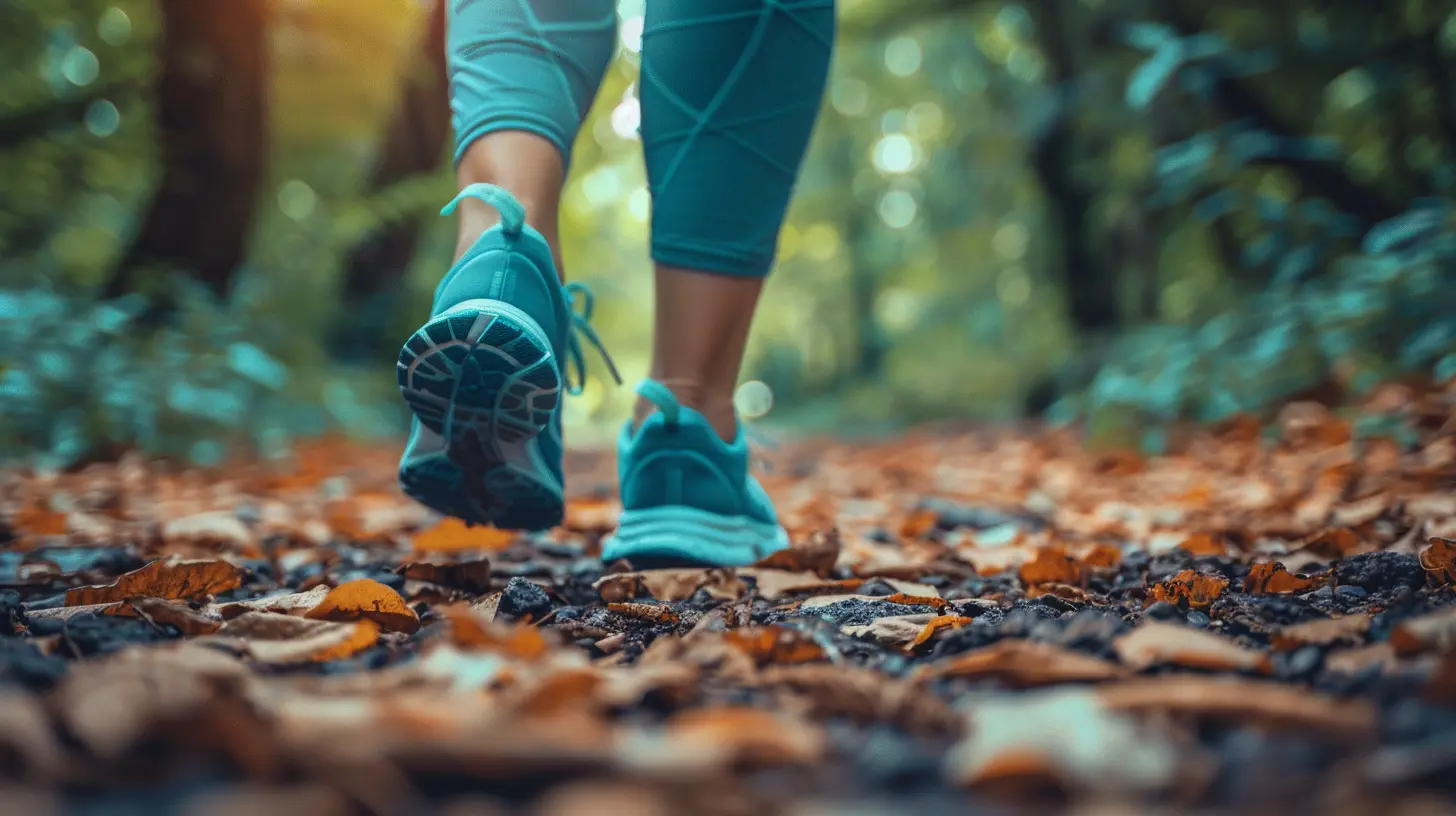
Why Tracking Outdoor Fitness Progress Matters
Let's be real—it’s easy to fall into a rut without realizing it. You might feel like you're putting in the effort, but without tracking, it's hard to tell if you're actually improving.Measuring progress gives you:
- Motivation: Seeing results keeps you going.
- Accountability: It's harder to slack when you have records.
- Insights: You’ll know what works and what doesn’t.
- Goals: Clear data makes it easier to set and achieve realistic fitness targets.
Now, let’s dive into the simple ways to track your outdoor workouts. 
1. Keep a Fitness Journal
A fitness journal might seem old school, but it's a powerful tool. Writing things down helps reinforce habits and keeps you mindful of your progress.What to Track in Your Journal:
- Date & Time: Helps track consistency.- Workout Type: Running, cycling, hiking, etc.
- Duration & Distance: Useful for setting time-based goals.
- Weather Conditions: Can impact performance.
- How You Felt: Note energy levels and recovery times.
Tip: Use a small notebook or even your phone’s notes app—it doesn’t have to be fancy! 
2. Use Free or Simple Apps
Not a fan of handwriting? No problem. Free fitness apps can do the tracking for you.Best Free Apps for Outdoor Fitness Tracking:
- Strava: Perfect for runners and cyclists.- MapMyRun: A great GPS tool for tracking distance and pace.
- Google Fit: A simple tracker with step counting.
- Nike Run Club: Great for structured running progress tracking.
These apps make it easy to review progress without getting too caught up in complex data. 
3. Take Progress Photos
Numbers aren’t the only way to measure progress. Photos tell a story that the scale or a stopwatch can’t.How to Take Effective Progress Photos:
- Wear the same outfit each time.- Take pictures in the same lighting and location.
- Capture front, side, and back views.
- Compare photos every 2-4 weeks.
You might not notice small daily changes, but over time, these pictures will clearly show your transformation.
4. Use Landmarks as Checkpoints
One of the simplest ways to track outdoor fitness is by using the environment around you.How Does This Work?
- Pick a landmark (like a tree, park bench, or hill).- Time yourself from start to finish.
- Track how you feel—do you need fewer breaks? Are you less winded?
- Challenge yourself to beat your previous time.
This strategy is great because it’s visual, tangible, and doesn’t require any equipment.
5. Measure Effort Instead of Just Distance
A 5K run isn’t always the same level of effort. Hills, wind, and even your energy levels can change how hard a workout feels.How to Track Effort:
- Use the RPE Scale (Rate of Perceived Exertion): Rank your effort from 1 (easy) to 10 (all-out effort).- Monitor your heart rate: If you're using a smartwatch, track heart rate zones.
- Check your breathing: If you can’t talk, you’re working hard; if you can carry a full conversation, you might want to push a little more.
By tracking exertion, you ensure steady progression without burning out.
6. Set Small, Achievable Goals
One of the best ways to stay motivated is by setting small wins. Instead of aiming for a vague "get fit" goal, try these instead:- Shave 30 seconds off your mile time.
- Run without stopping for an extra 2 minutes.
- Increase your hiking distance by half a mile.
- Improve speed on a familiar route.
Small, clear goals provide measurable progress, helping you stay engaged in your fitness journey.
7. Track Recovery & Energy Levels
Improvement isn’t just about faster times or longer runs—it’s also about how well your body responds.Signs of Fitness Progress:
- Faster recovery: Soreness doesn’t last as long.- More endurance: Activities feel easier over time.
- Stronger stamina: You can push further without feeling exhausted.
If you find that you're recovering quicker and feeling stronger, it’s a great sign that you’re making solid progress.
8. Reward Yourself for Milestones
Tracking progress is great, but celebrating it is even better. Set up small rewards for milestones you hit:- Buy new workout gear.
- Take a rest day guilt-free.
- Treat yourself to a healthy meal.
- Plan an outdoor adventure as a "reward run" or hike.
Recognizing progress keeps things fun and exciting!
9. Track Steps & Movement
If structured workouts aren’t your thing, tracking your daily movement might be a better approach.Ways to Track Steps:
- Use a phone pedometer (most smartphones have one).- Get a simple fitness tracker (like Fitbit or a budget-friendly pedometer).
- Set a daily step goal (e.g., 10,000 steps a day).
Even small increases in daily movement add up to big health benefits over time.
10. Stay Consistent & Reflect
Tracking progress only works if you're consistent. Regularly review your data, photos, and notes to see how far you've come.Each week or month, take a few minutes to reflect:
- What’s improving?
- What needs adjusting?
- How do I feel compared to when I started?
A little reflection helps fine-tune your approach and keeps you motivated.
Final Thoughts
Tracking outdoor fitness progress doesn’t have to be complicated. Whether you use an app, a journal, or just your surroundings, the key is consistency. Small changes over time lead to big results—so stick with it!Remember, progress isn’t just about numbers; it’s about feeling stronger, faster, and more energized. Keep going, and the results will follow!
all images in this post were generated using AI tools
Category:
Outdoor WorkoutsAuthor:

Laura Hudson
Discussion
rate this article
2 comments
Tala Rocha
Great tips! Consistent tracking really boosts motivation and progress. Keep it up!
March 3, 2026 at 3:53 AM
Laura Hudson
Thanks! Consistent tracking truly makes a difference. Glad you found the tips helpful!
Isla Wilkerson
Thank you for sharing these practical strategies for tracking outdoor fitness progress. Implementing these approaches will undoubtedly help many individuals stay motivated and accountable. I appreciate the emphasis on simplicity, making fitness tracking accessible for everyone. Keep up the great work!
February 19, 2026 at 4:02 AM
Laura Hudson
Thank you for your kind words! I'm glad you found the strategies helpful and accessible. Stay motivated!