Skincare Ingredients to Avoid for Anti-Aging
5 June 2026
Let’s be real—aging is a beautiful part of life. But that doesn’t mean we can’t age gracefully, right? We’re all on the quest for skin that glows, feels firm, and shows off our confidence—not our fine lines. But here’s the kicker: even with the best intentions, your skincare routine might actually be working against you. Yep, hiding behind fancy packaging and bold claims are ingredients that could be speeding up the very process you’re trying to slow down.
In this article, we’re diving deep into the skincare ingredients to avoid for anti-aging. Think of it as your ultimate “no-go” list—kind of like that toxic ex you finally blocked for good. Ready to clean up your skincare shelf and get real about what your skin truly needs? Let’s do it.
Why Ingredients Matter More Than Branding
Here’s the thing: the beauty industry is wild. With so many products screaming “anti-aging,” it’s easy to assume they know what they’re doing. But marketing and skincare science don’t always play nice. Just because something smells like magic and costs a small fortune doesn’t mean it’s good for your skin—especially over time.What you put on your face is just as critical as what you put in your body. And much like junk food, low-quality skincare ingredients can lead to breakouts, redness, irritation, and—you guessed it—premature aging. Yikes.
The Red Flag List: Skincare Ingredients to Steer Clear Of
Let’s unpack the most common culprits that could be sabotaging your anti-aging efforts. Some of these might surprise you!1. Alcohol (The Drying Kind)
We’re not talking about a glass of wine here (cheers to that!). We mean the harsh alcohols often found in toners and acne treatments—like ethanol, denatured alcohol, and isopropyl alcohol.Why They're Bad:
- They strip your skin of its natural oils.- Long-term use leads to dryness, irritation, and yes... more wrinkles.
- They damage your skin barrier, making it more susceptible to environmental stressors.
Better Alternatives:
Look for hydrating ingredients like glycerin, hyaluronic acid, or aloe vera. These help retain moisture without drying you out.2. Fragrances and Perfumes
We all love a good-smelling product. But that luxurious scent could be masking a whole lot of trouble.Why They're Bad:
- Fragrances are a top cause of skin allergies.- They trigger inflammation, which can accelerate aging over time.
- Often hidden under vague labels like “parfum” or “fragrance,” they’re hard to identify and avoid.
Better Alternatives:
Go fragrance-free or look for naturally scented options from essential oils—lavender, rose, or chamomile—but use even those cautiously if you have sensitive skin.3. Parabens (Methylparaben, Propylparaben, etc.)
Parabens are preservatives found in just about everything to keep products shelf-stable. Sounds useful, right? Think again.Why They're Bad:
- They mimic estrogen in the body, which can disrupt hormone function.- Linked to accelerated skin aging, especially with sun exposure.
- May increase the risk of certain health issues—still under debate, but why risk it?
Better Alternatives:
Look for “paraben-free” on the label. Natural preservatives like vitamin E and rosemary extract are safer bets.4. Sulfates (Sodium Lauryl Sulfate - SLS)
Sulfates are the ingredients that make your cleanser or shampoo foam up. Fun? Sure. Good for your skin? Not so much.Why They're Bad:
- They’re known skin irritants, especially for sensitive or mature skin.- They strip away natural oils, leading to dryness.
- Disrupt your skin’s natural pH balance—hello, fine lines!
Better Alternatives:
Choose sulfate-free cleansers or cleansing oils that gently wash without wrecking your moisture barrier.5. Mineral Oil & Petrolatum
These are petroleum by-products often praised for their occlusive (moisture-locking) abilities.Why They're Bad:
- They create a barrier on your skin, not for your skin.- They can clog pores and trap bacteria underneath.
- They do nothing to nourish or benefit aging skin.
Better Alternatives:
Go for nourishing oils like jojoba, argan, or rosehip seed oil—they hydrate, repair, and actually penetrate the skin.6. Artificial Dyes (FD&C Colors)
Bright pink moisturizer? Cute. But what’s causing that shade? Likely artificial colorants.Why They're Bad:
- Often derived from coal tar or petroleum.- Known to cause skin irritation and sensitivity.
- Zero skin benefits—purely aesthetic.
Better Alternatives:
Who needs dyes anyway? Choose products that celebrate their natural color instead of hiding behind pigments.7. Phthalates
Often found in products with synthetic fragrances or used to increase product flexibility and longevity (like nail polish).Why They're Bad:
- Endocrine disruptors—affect your hormones negatively.- Can contribute to aging by messing with your body’s natural balance.
- Linked with reproductive health concerns (more reasons to ditch them!).
Better Alternatives:
Look for “phthalate-free” and stick with clean beauty brands that fully disclose their ingredient lists.8. Formaldehyde & Formaldehyde-Releasing Preservatives
Yes, some skincare products contain ingredients that release formaldehyde over time. Ew, right?Why They're Bad:
- Highly irritating to the skin and eyes.- Long-term exposure could be carcinogenic.
- Damages cellular structure of skin—definitely not what you want in an anti-aging product.
Better Alternatives:
Look out for ingredients like DMDM hydantoin, quaternium-15, and imidazolidinyl urea—all potential formaldehyde releasers—and avoid them like the plague.9. Oxybenzone (Found in Sunscreens)
Sunscreen is absolutely essential for anti-aging—but not all sunscreens are created equal.Why It's Bad:
- Known hormone disruptor.- Can cause allergic reactions and photo-sensitivity.
- Environmentally harmful—especially to coral reefs.
Better Alternatives:
Opt for mineral (physical) sunscreens with zinc oxide or titanium dioxide. They sit on top of the skin and reflect UV rays without the chemical chaos.
How to Check for These Ingredients
Okay, so now that you’ve got the knowledge, how do you actually put it into practice?- Read the label: Even if the font is tiny, check the ingredients list, not just the front of the package.
- Use an ingredient-checker app: Tools like INCI Decoder or Think Dirty help you spot the nasties instantly.
- Start simple: A shorter ingredient list often means fewer chances for irritation or hidden chemicals.
- Rotate mindfully: Don’t overhaul your entire routine overnight. Switch in products slowly to monitor how your skin reacts.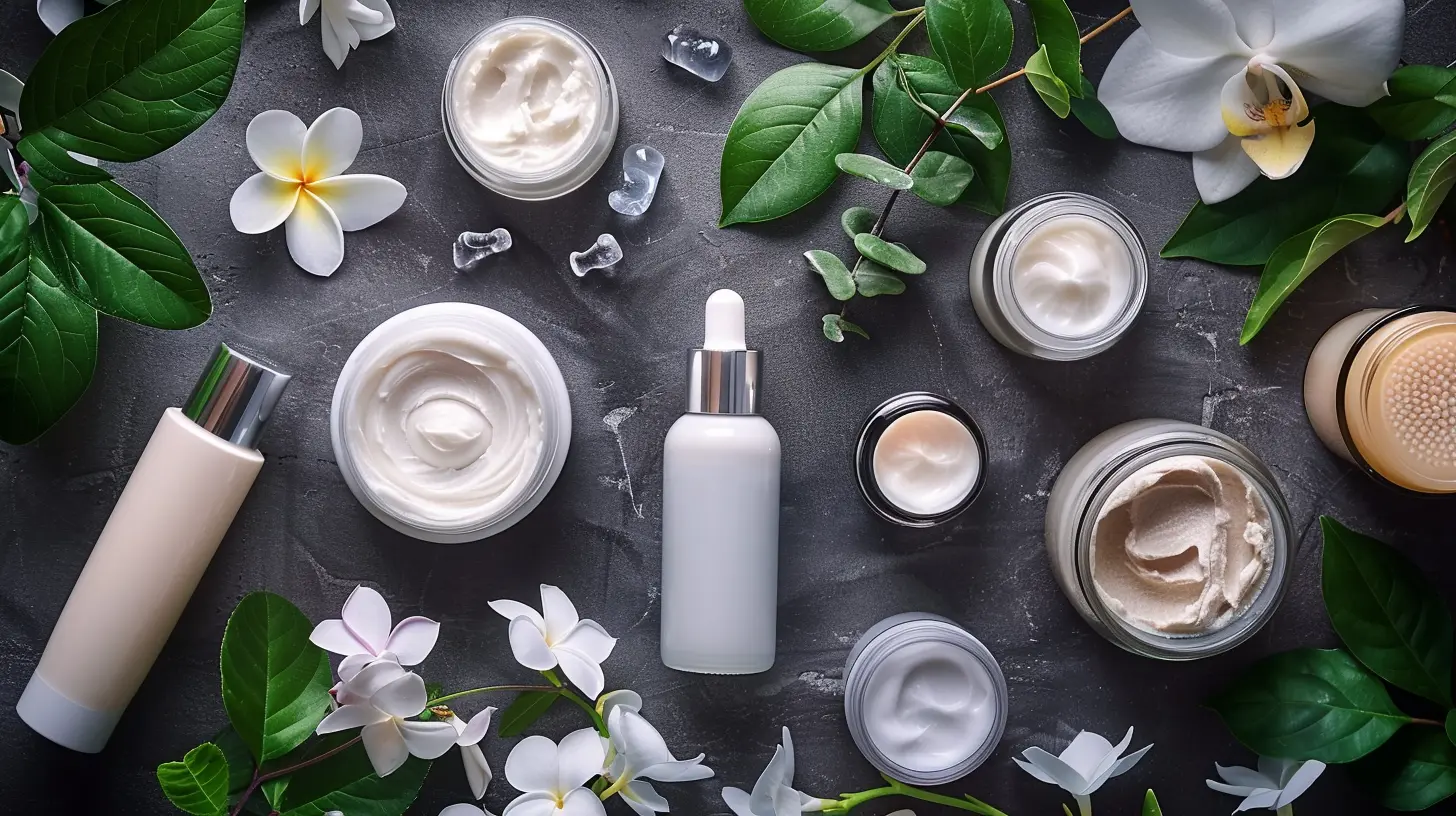
What Should Be in Your Anti-Aging Routine Instead?
If we're tossing out the bad stuff, what’s worth keeping?- Antioxidants like vitamin C and niacinamide.
- Retinoids (aka vitamin A derivatives)—the gold standard for fine lines.
- Peptides—they help with skin firmness.
- Hyaluronic Acid—pure hydration magic.
- Ceramides—support your skin barrier like a personal bouncer.
Final Thoughts: Your Skin Deserves Better
Look, aging isn’t the enemy—neglect is. You don’t need a 10-step skincare routine or a drawer full of miracle serums to age gracefully. What you do need is awareness. The ingredients you avoid are just as powerful as the ones you embrace.So next time you’re tempted by that trendy bottle with gold foil lettering, flip it over, and do a little detective work. Because clear, healthy, youthful skin doesn’t come from hype—it comes from informed choices.
all images in this post were generated using AI tools
Category:
Anti AgingAuthor:

Laura Hudson
Discussion
rate this article
1 comments
Azriel Hunter
Great article! It's important to know which ingredients to avoid. I appreciate the detailed explanations for each one. Thanks!
June 15, 2026 at 5:05 PM
Laura Hudson
Thank you for your kind words! I'm glad you found the ingredient details helpful.