Sleep Paralysis: Myths, Causes, and Coping Strategies
21 October 2025
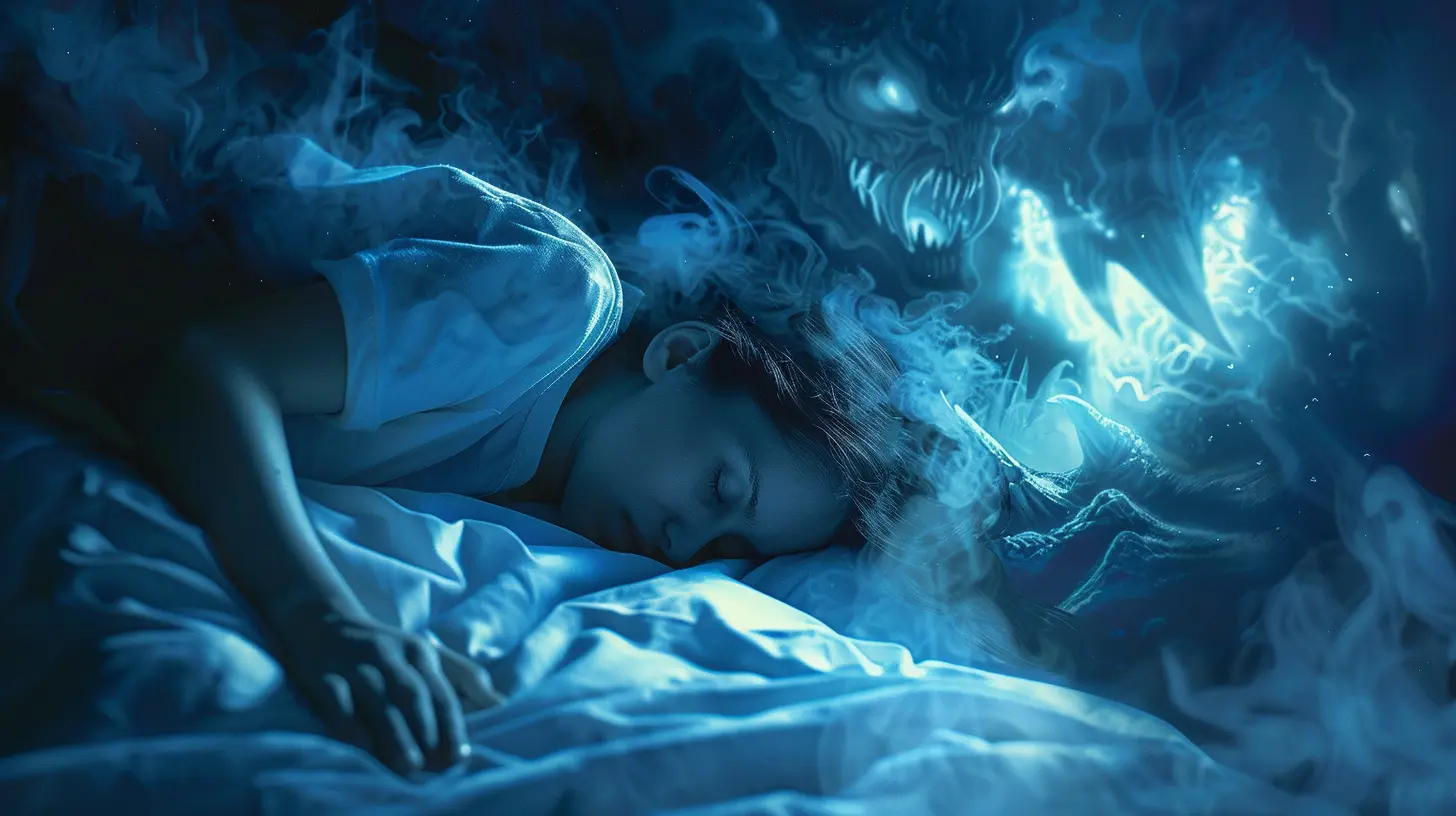
Sleep paralysis is one of the most unsettling sleep experiences a person can have. Imagine waking up in the middle of the night, fully aware of your surroundings, but completely unable to move. Even worse, you feel a heavy presence in the room—sometimes sitting on your chest, whispering in your ear, or lurking in the shadows. Sounds terrifying, right?
While sleep paralysis has been linked to paranormal encounters and supernatural forces for centuries, the truth is much more straightforward (and less spooky). So, what exactly causes sleep paralysis, and how can you deal with it? Let’s break it down.
What Is Sleep Paralysis?
Sleep paralysis is a temporary inability to move or speak that occurs when you’re falling asleep or waking up. Your mind is alert, but your body refuses to cooperate. It typically lasts a few seconds to a couple of minutes, and while it’s harmless, it can be downright terrifying.This phenomenon happens because your body remains in a state of muscle atonia (paralysis) even after your mind has woken up. The body naturally “paralyzes” itself during REM (rapid eye movement) sleep to prevent you from acting out your dreams. But sometimes, there’s a glitch in the system, and you wake up before your body gets the memo to start moving again.

Common Myths About Sleep Paralysis
There are plenty of misconceptions surrounding sleep paralysis—some based on cultural beliefs, while others are just plain misinformation. Let’s unpack a few of them.1. Sleep Paralysis Is Caused by Demons or Ghosts
Many people who experience sleep paralysis report feeling a sinister presence in the room. Some even describe seeing shadowy figures or feeling extreme pressure on their chest, which has led to various myths about demonic attacks or ghostly encounters.However, science explains these hallucinations as a mix of dream imagery and the brain's response to fear. When your body is paralyzed, your brain can enter a heightened state of panic, causing it to create terrifying illusions. It’s scary, but it’s not supernatural.
2. It Only Happens to People with Mental Illness
Another common myth is that sleep paralysis only affects people with mental health disorders. While conditions like anxiety and PTSD can increase the likelihood of experiencing sleep paralysis, it can happen to anyone—regardless of mental health status. In fact, studies suggest that nearly 8% of the general population has experienced sleep paralysis at least once.3. You Can Die from Sleep Paralysis
As terrifying as it is, sleep paralysis won’t kill you. Your body isn’t in any physical danger, and it always resolves on its own. The key is to stay as calm as possible and remind yourself that it’s temporary.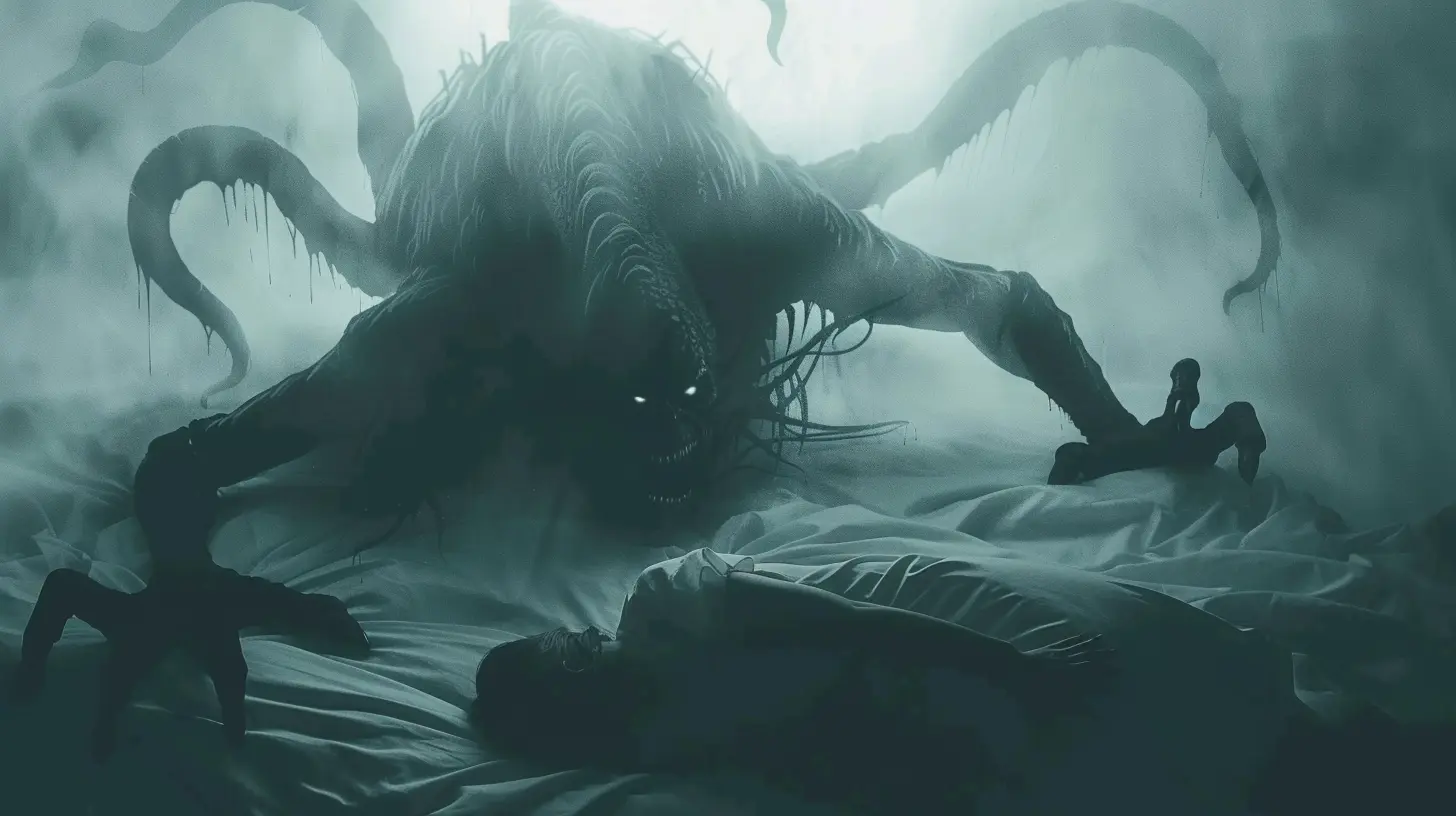
What Causes Sleep Paralysis?
Now that we've debunked the myths, let's get into the real reasons why sleep paralysis happens.1. Disrupted Sleep Cycles
Poor sleep habits—like staying up too late, sleeping at irregular hours, or frequently waking up at night—can mess with your REM cycle, increasing your chances of experiencing sleep paralysis.2. Sleep Deprivation
Not getting enough sleep? Your brain might struggle to transition smoothly between sleep stages, leading to episodes of sleep paralysis.3. Sleeping on Your Back
Interestingly, studies suggest that sleeping on your back can make sleep paralysis more likely. This position can restrict airflow and make it easier for your body to slip into a paralyzed state while your mind stays alert.4. Stress and Anxiety
High levels of stress or anxiety can contribute to disrupted sleep patterns, making sleep paralysis more frequent. Your brain stays hyper-aware even when you’re trying to rest.5. Narcolepsy or Sleep Disorders
People with narcolepsy—who experience excessive daytime sleepiness—are more prone to sleep paralysis. Other undiagnosed sleep disorders could also be a contributing factor.
How to Cope With Sleep Paralysis
While sleep paralysis isn’t dangerous, it’s definitely unpleasant. The good news? There are ways to reduce the chances of it happening and to handle it better when it occurs.1. Improve Your Sleep Hygiene
Having a consistent sleep schedule and getting enough rest every night can help regulate your sleep cycle, reducing the risk of sleep paralysis. Aim for 7-9 hours of sleep per night.2. Reduce Stress Before Bed
Since stress and anxiety can trigger sleep paralysis, try to incorporate relaxing bedtime habits. Practices like meditation, deep breathing, or reading a book can help calm your mind.3. Change Your Sleeping Position
If you tend to sleep on your back, try switching it up. Sleeping on your side or stomach may reduce the likelihood of experiencing sleep paralysis.4. Avoid Stimulants Before Bed
Caffeine, nicotine, and even alcohol can interfere with your sleep cycle, making you more prone to disruptions. Try to avoid these at least a few hours before bedtime.5. Recognize What’s Happening
If you do experience sleep paralysis, remind yourself that it’s temporary and harmless. Try to focus on controlling your breathing and moving small muscles (like your fingers or toes) to gradually break out of paralysis.6. Seek Professional Help if Needed
If sleep paralysis becomes a frequent issue and interferes with your overall sleep quality, consider speaking to a doctor or sleep specialist. They can help rule out underlying sleep disorders and suggest treatments if necessary.Final Thoughts
Sleep paralysis may feel like something out of a horror movie, but it’s actually just a quirky sleep phenomenon. It’s not caused by demons, and it won’t harm you—it’s simply your brain and body not syncing up properly.By maintaining good sleep habits, managing stress, and understanding the science behind it, you can reduce the chances of sleep paralysis and take back control of your nights. So, if you ever find yourself frozen in bed, just remember: it's all in your head, and it will pass.
all images in this post were generated using AI tools
Category:
Sleep HealthAuthor:

Laura Hudson
Discussion
rate this article
1 comments
Summer Stevens
Thank you for shedding light on this!
November 13, 2025 at 5:53 AM
Laura Hudson
You're welcome! I'm glad you found it helpful.