Strength Training Myths that Need to be Debunked
2 January 2026
Let’s be real—strength training still has a ton of myths floating around that need to be benched for good. Whether you’re lifting gym newbies or seasoned weightlifters, it’s easy to get caught up in the noise. Thanks to outdated advice, gym bros with megaphones, and internet misinformation, strength training has more myths than a tabloid headline section.
But here’s the truth: Strength training is one of the most effective ways to transform your body, boost your confidence, and increase your overall health. The problem? False beliefs hold a lot of people back from even picking up a dumbbell.
So let’s grab those myths by the horns and pull the plug on the nonsense. Ready? Let's debunk some common strength training myths once and for all.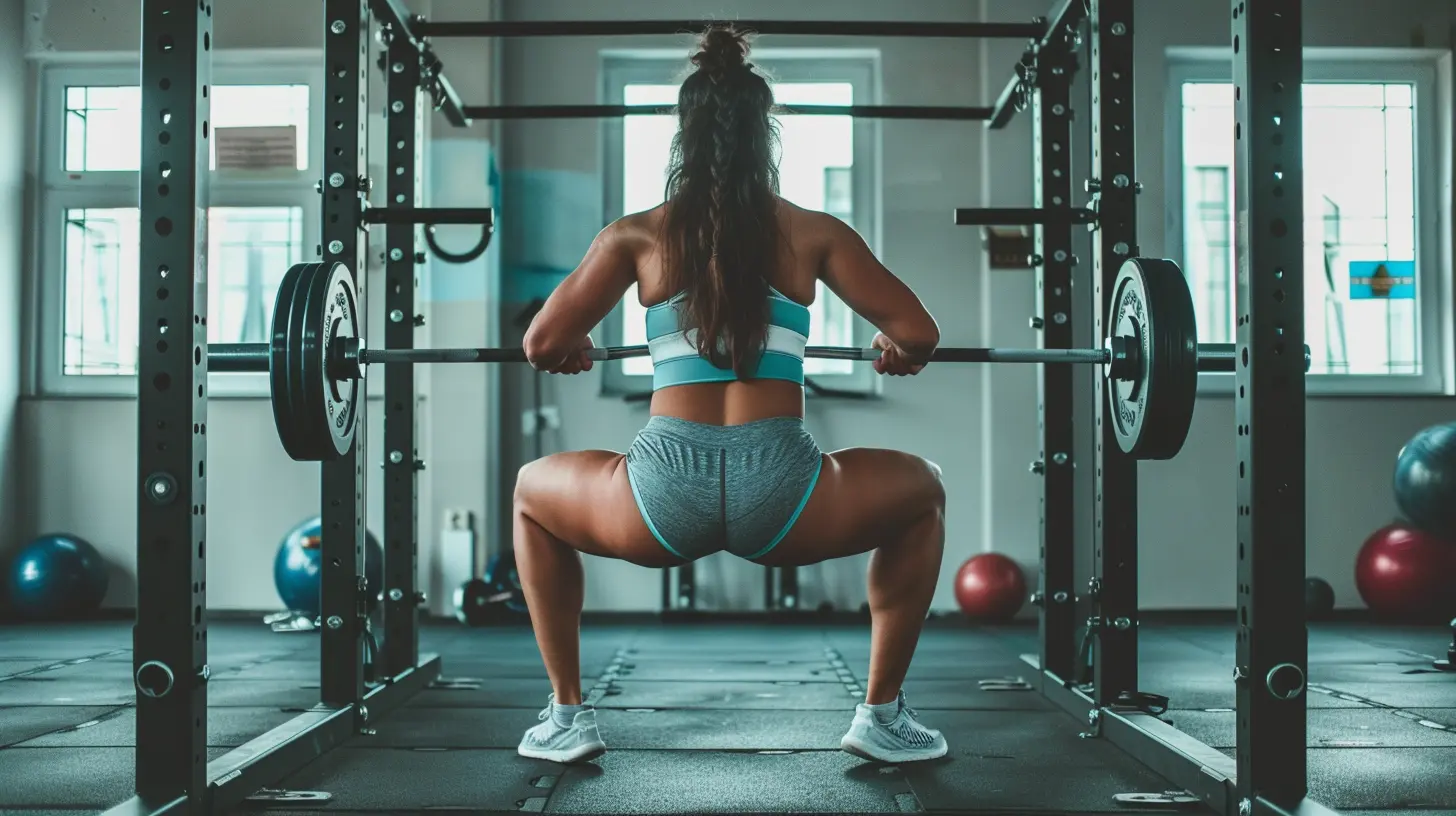
Myth #1: Lifting Weights Makes You Bulky
Let’s kick things off with the heavyweight champion of fitness myths.The Truth:
No, lifting weights won't turn you into The Hulk overnight.That "bulky" look people fear so much? It takes years of consistent heavy training, an intense calorie surplus, and a specific genetic makeup to get there—especially for women. In fact, the average person gains lean muscle gradually, and that muscle actually helps you look leaner, not bulkier.
Picture this: fat is like a fluffy pillow, while muscle is like a tight elastic band. When your body replaces fat with muscle, your shape becomes more toned and defined, not puffed up.
Ladies, I’m especially talking to you—don’t be afraid of the weight section. Strength training will sculpt your curves, not make you look like a bodybuilder.
Myth #2: You Have to Lift Heavy to See Results
This one gets tossed around a lot: “Go big or go home,” right?The Truth:
Not exactly.Sure, lifting heavy has its place, especially if you're looking to increase raw strength. But it's not the only route to transformation. You can still build muscle, burn fat, and gain strength using moderate weights, proper form, and consistent progressive overload.
Ever heard of time under tension (TUT)? It's the concept of making your muscles work longer during each repetition. That means you can get an insane burn even with lighter weights—if you're doing it right.
It’s all about strategy over ego. And let’s be honest, lifting with poor form just to push bigger weights is a fast track to injury lane.
Myth #3: Strength Training Is Only for the Young
A lot of older adults shy away from strength training thinking it's a "young person’s sport."The Truth:
Strength training is actually more important as you age.As we get older, our bodies naturally start to lose muscle mass—a condition called sarcopenia. That loss can mess with balance, mobility, and overall strength. But strength training helps combat all that. It keeps your bones strong, your body balanced, and your metabolism revving like a well-oiled machine.
No matter your age, it’s never too late to pick up a pair of dumbbells and start making gains. So yes, grandma can lift, and she probably should.
Myth #4: Strength Training Doesn’t Help With Weight Loss
People often assume if you're not drenched in sweat from cardio, you’re not burning calories.The Truth:
Strength training torches fat—often better than cardio.When you lift, you build muscle. And the more muscle you have, the more calories you burn at rest. That’s right! Your body becomes a lean, calorie-burning machine even when you're just chilling on the couch.
Also, strength training kicks up something called EPOC (Excess Post-Exercise Oxygen Consumption), which is just a fancy way of saying your body keeps burning calories after your workout is over.
So if your goal is fat loss, don't skip the weights—embrace them.
Myth #5: You Should Train Every Day for the Best Results
We've all heard that more is better, right? Not when it comes to training.The Truth:
Your muscles grow when you rest—not when you're constantly breaking them down.Recovery days are crucial. Lifting every day without proper rest and sleep doesn’t make you stronger—it leads to burnout, fatigue, and even injury.
Think about building a house: if you keep hammering nails without giving the concrete time to dry, it’s all going to fall apart. Your muscles need downtime to repair and come back stronger.
Even elite athletes schedule rest days into their training. You should too.
Myth #6: Cardio Is Better for Heart Health
Cardio has been the king of heart health for decades. But strength training deserves a seat at the table.The Truth:
Research shows strength training also provides serious cardiovascular benefits.Lifting weights can lower your blood pressure, improve circulation, and reduce the risk of heart disease. It strengthens not just your muscles, but also the heart itself—especially when combined with a balanced lifestyle.
And here’s something cool: strength training improves insulin sensitivity too, which can reduce your risk of Type 2 diabetes. That’s heart and metabolic health in one go.
Myth #7: You Need a Gym for Strength Training
No gym? No problem.The Truth:
You can build strength just about anywhere.Sure, a gym has all the bells and whistles, but you don’t need expensive machines or heavy barbells to get strong. Your body weight is one of the best tools you have—think push-ups, squats, planks, lunges.
Add a pair of resistance bands or a few dumbbells to your home setup, and you're golden.
The environment doesn’t matter nearly as much as your consistency and effort. The best gym? The one you’ll actually use.
Myth #8: If You Stop Lifting, Your Muscle Turns to Fat
Ever heard someone say, “I don’t want to lift because if I stop, all that muscle turns into fat”?The Truth:
Muscle and fat are completely different tissues, and one can’t magically turn into the other.What actually happens is this: when you stop training, your muscles shrink over time (atrophy), and if your calorie intake doesn’t change, you might start storing more fat. That’s it. Your muscles don’t morph into fat like some body-swap movie.
Bottom line? Stay active, adjust your food, and keep moving. Even a break from lifting doesn’t mean your body will betray you.
Myth #9: Strength Training Isn’t for Women
Hey, we’ve been dodging this myth for far too long.The Truth:
Strength training is not only "for" women—it’s essential for women's health.Building strength helps women boost metabolism, balance hormones, protect bone density, and increase confidence. It’s one of the best tools for preventing osteoporosis later in life, especially post-menopause.
Gone are the days when the weight room was a "guy zone." Women belong in the gym just as much as anyone else—and honestly, many are crushing it way harder than men.
Ladies, own your power.
Myth #10: Strength Training Is Dangerous
Let’s wrap things up with a myth based in fear.The Truth:
Like any physical activity, strength training has its risks—but with proper form, progression, and guidance, it's incredibly safe.In fact, it's safer than most contact sports and even some cardio activities. Injuries usually come from ego-lifting (trying to lift too much too soon), bad form, or skipping warm-ups and cooldowns.
Respect the process. Start with manageable weights, learn correct technique, and don’t be afraid to ask for help.
Your safety doesn’t lie in avoiding strength training—it lies in approaching it smartly.
Final Thoughts: Lift the Truth
Strength training isn’t just about building muscle—it’s about reclaiming your health, boosting your confidence, and showing yourself what you’re capable of.Don’t let outdated myths or internet noise stop you from stepping into your power. The next time someone hits you with one of these myths, you’ll be ready to drop some knowledge like a barbell on leg day.
And remember, everyone starts somewhere. You don’t have to be perfect—you just have to begin.
Build strength. Build confidence. And most importantly, build you.
all images in this post were generated using AI tools
Category:
Strength TrainingAuthor:

Laura Hudson
Discussion
rate this article
2 comments
Brittany Lozano
This article effectively debunks common strength training myths, empowering readers with accurate information. Understanding these truths is crucial for achieving fitness goals and promoting overall health.
January 16, 2026 at 5:35 AM
Laura Hudson
Thank you for your insightful comment! I'm glad you found the article helpful in dispelling myths and promoting informed fitness practices.
Quinn Lopez
Embrace strength training! Debunking myths empowers you to unlock your true potential and achieve vibrant health.
January 8, 2026 at 3:54 PM
Laura Hudson
Thank you! Embracing strength training is indeed key to realizing our full potential and achieving optimal health.