The Impact of Intermittent Fasting on Anti-Aging
24 July 2026
Aging—it’s one of those inevitable facts of life, right? Wrinkles, gray hairs, aching joints, and slower metabolism seem like the default destiny for all of us. But what if I told you there’s a way to potentially slow down the clock? Enter intermittent fasting (or IF for short), a lifestyle hack that’s been making some serious waves not only for weight loss but also for its potential anti-aging benefits. Sounds intriguing, doesn’t it? Let’s dive in.
What is Intermittent Fasting?
Before we get into the nitty-gritty, let’s clarify what intermittent fasting actually is. Basically, it’s not so much about what you eat but when you eat. Think of it as cycling between periods of eating and fasting.Popular methods include:
- 16/8 Method: Fasting for 16 hours and eating during an 8-hour window (e.g., noon to 8 p.m.).
- 5:2 Diet: Eating normally for five days a week and consuming only 500–600 calories on the other two.
- 24-Hour Fasts: Eating no food for a full 24 hours, usually once or twice a week.
Unlike diets that ban certain foods, IF focuses more on timing. This lifestyle has gained a reputation for its simplicity, adaptability, and surprising health benefits—anti-aging being one of them. But how exactly does fasting tie into aging? Let’s explore.
How Does Aging Work, Anyway?
Before understanding how intermittent fasting affects aging, it helps to know what’s happening inside our bodies as we age. Spoiler alert: It isn’t pretty.Oxidative Stress
Think of your body like a car; as it runs, it produces exhaust fumes. Similarly, your cells create byproducts like free radicals during normal metabolic processes. Over time, these free radicals damage DNA, proteins, and lipids in your cells—a process known as oxidative stress. Hello, wrinkles and inflammation.Cellular Senescence
As we age, some cells stop dividing but don’t die off. Instead, they become "senescent" (basically zombie cells), releasing inflammatory signals that harm neighboring cells. This contributes to tissue damage, age-related diseases, and—you guessed it—aging.Shortened Telomeres
Telomeres are like the plastic caps at the end of shoelaces. They protect our chromosomes, but every time a cell divides, telomeres get shorter. Over time, they become so short that cells stop functioning properly, another hallmark of aging.
The Science of Intermittent Fasting and Anti-Aging
Now let’s connect the dots: How does intermittent fasting help combat the effects of aging? It turns out, IF taps into several biological processes that promote cellular repair and longevity.1. Reduction in Oxidative Stress
When you fast, your body takes a break from constant processing of food. This means fewer free radicals are being produced, which lowers oxidative stress. Think of it as giving your cells time to clean up the mess rather than piling on more work. Less oxidative stress equals fewer wrinkles and less inflammation.2. Stimulates Autophagy
Autophagy is like spring cleaning for your cells. The term literally means “self-eating,” and it’s a natural process where your body removes damaged cells and recycles their components. During fasting, autophagy kicks into high gear, helping your body clear out zombie cells (remember those senescent cells?) and make room for fresh, healthy ones.3. Boosts Human Growth Hormone (HGH) Production
HGH is often called the “fountain of youth” hormone. It helps maintain muscle mass, skin elasticity, and bone health. During fasting, your HGH levels can skyrocket—sometimes by up to five-fold! This can have serious anti-aging benefits, helping you maintain a youthful appearance and vitality.4. Improves Mitochondrial Function
Mitochondria are like tiny power plants inside your cells, providing the energy you need to function. As you age, mitochondrial efficiency declines. Intermittent fasting has been shown to enhance mitochondrial health, giving your cells the energy boost they need to function optimally.5. Protects Telomeres
Here’s where it gets really futuristic. Studies suggest fasting may actually help preserve telomere length by reducing cellular damage. Longer telomeres = healthier, younger cells.
What Does the Research Say?
Alright, I know what you're thinking: “This sounds great, but what does science actually say about all of this?” I'm glad you asked.Animal Studies
Researchers have studied the effects of calorie restriction (a cousin of fasting) on lifespan for decades. In rodents, fasting has been shown to extend lifespan by reducing inflammation, improving brain function, and enhancing cellular repair mechanisms.Human Studies
While research on humans is still catching up, early results are promising. A 2019 study published in Cell Metabolism found that time-restricted eating reduced markers of aging and oxidative stress in overweight adults. Another study in Nature Communications showed improvements in metabolic health and reduced cellular aging in humans practicing intermittent fasting.While we still need more long-term studies, the evidence so far suggests that IF might just be the real deal when it comes to anti-aging.
Practical Tips for Starting Intermittent Fasting
Ready to give intermittent fasting a shot? Here’s how to start without overwhelming yourself.1. Pick a Method That Fits Your Lifestyle
If you’re not ready to commit to a 24-hour fast, start small with the 16/8 method. It’s as simple as skipping breakfast and eating lunch and dinner within an 8-hour window. Easy peasy.2. Stay Hydrated
Fasting doesn’t mean giving up fluids. Water is your best friend, and herbal teas or black coffee can also keep you going during fasting periods.3. Break Your Fast Wisely
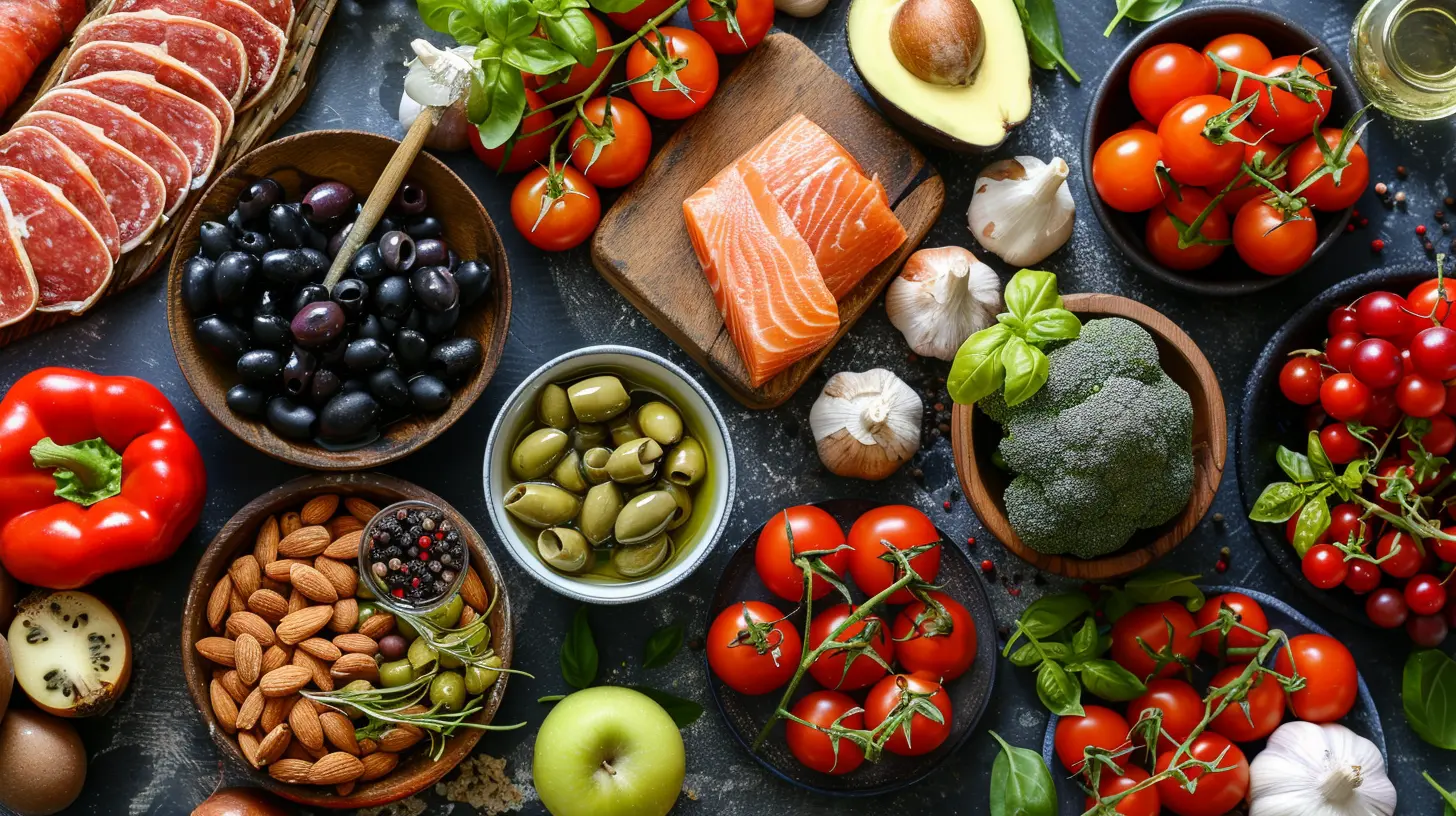
Don’t use fasting as an excuse to binge on junk food later. Break your fast with nutrient-dense, whole foods like fruits, veggies, lean proteins, and healthy fats.4. Listen to Your Body
Fasting isn’t one-size-fits-all. If you feel weak, irritable, or overly fatigued, it’s okay to adjust your approach or even take a break. The goal is to enhance your quality of life, not make it miserable.5. Be Patient
Anti-aging benefits won’t appear overnight. Consistency is key. Stick with it, and remember: Your cells are working behind the scenes, even if you don’t see the results right away.The Bottom Line
Intermittent fasting is more than just a trendy diet fad. By tapping into your body’s natural repair systems, it has the potential to combat aging at a cellular level. From reducing oxidative stress to preserving telomeres, this eating pattern is like hitting the slow-motion button on the aging process.No, fasting won’t turn you into a wrinkle-free vampire, but it might just help you feel (and look) more youthful for longer. Think of it as giving your body the gift of time—literally.
So, what do you think? Ready to give intermittent fasting a shot and see if it can help you age a little more gracefully? It’s worth a try. After all, your future self might just thank you.
all images in this post were generated using AI tools
Category:
Anti AgingAuthor:

Laura Hudson