The Importance of Collagen for Bone Health
14 January 2026
When we think about bones, we usually picture a rigid, unchanging structure that holds us upright. But did you know that your bones are constantly renewing themselves? And at the heart of this process is collagen—a protein that plays a critical role in keeping your bones strong, flexible, and healthy.
If you're looking for a natural way to support your bone health, then buckle up—because collagen might just be your new best friend! 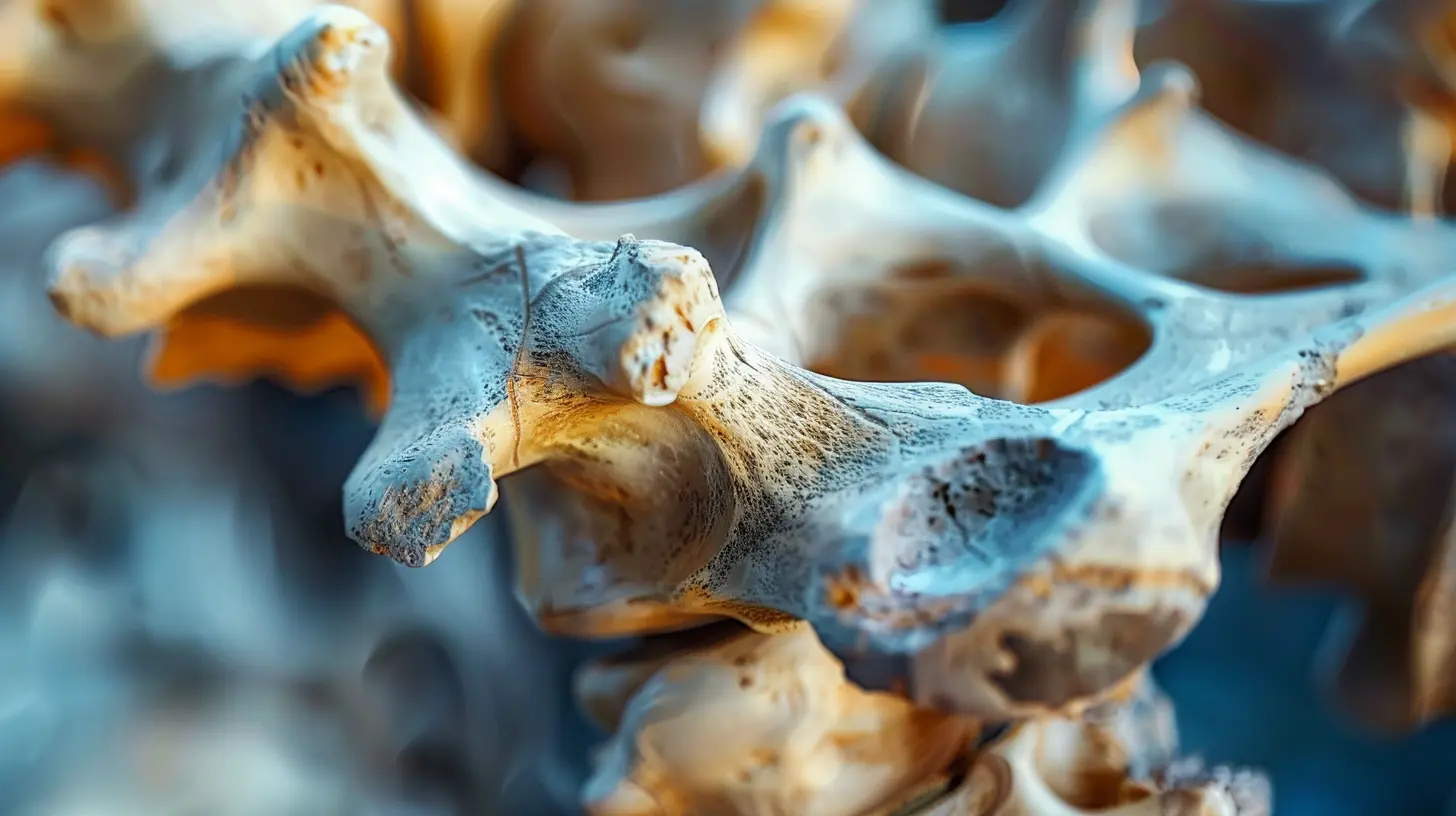
What Is Collagen?
Collagen is the most abundant protein in the human body. Imagine it as the glue that holds everything together—your skin, muscles, tendons, and yes, even your bones. Without it, your body would lack structure and strength.There are several types of collagen, but when it comes to bone health, Type I collagen is the MVP. It forms the scaffolding that gives bones their durability while maintaining the flexibility needed to absorb impact and reduce the risk of fractures. 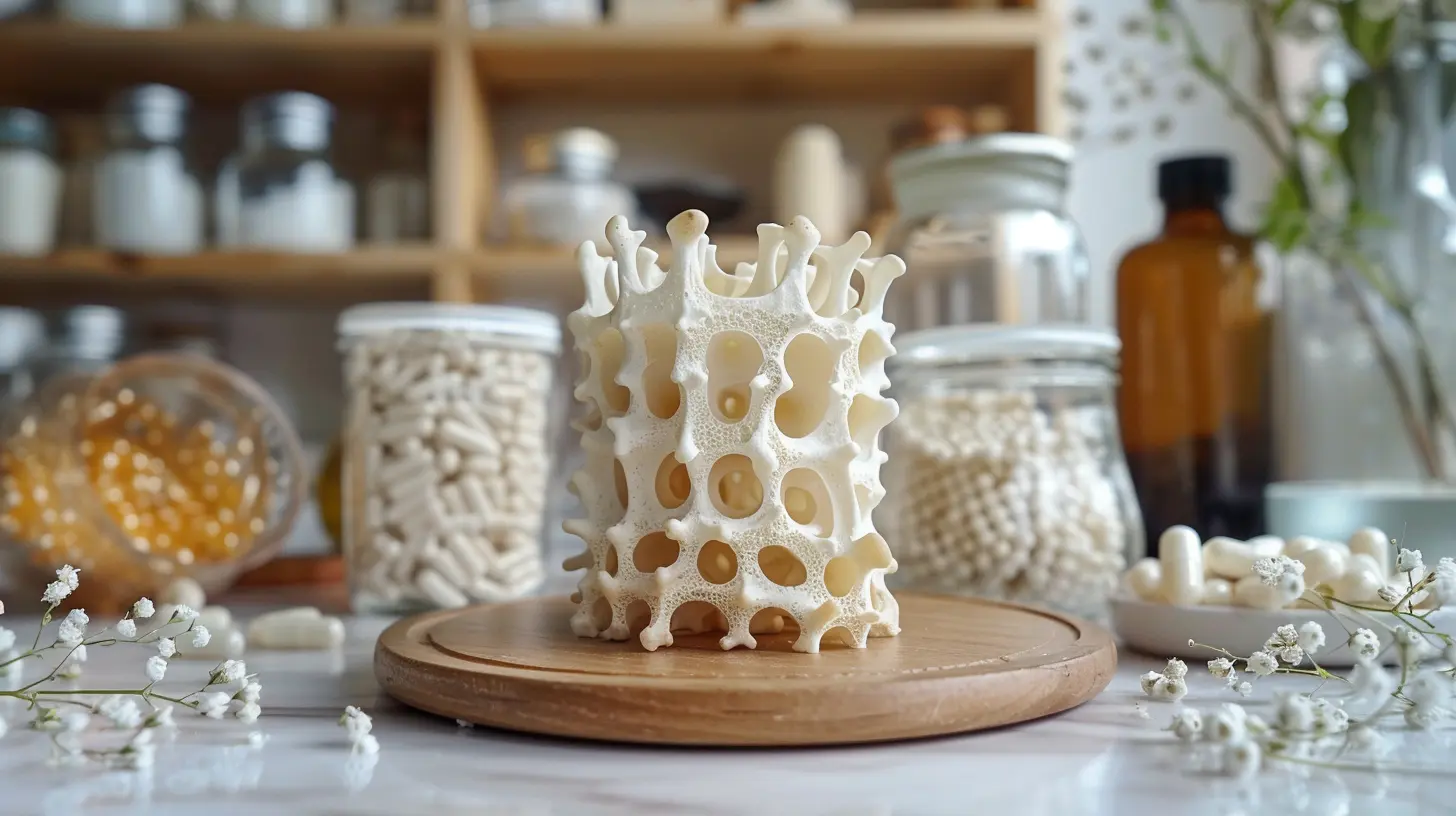
How Collagen Supports Bone Health
1. Strengthens Bone Structure
Bones may seem rock-solid, but they're actually made up of collagen fibers intertwined with minerals like calcium and phosphorus. Picture collagen as a steel frame inside a concrete building—it provides the foundation, while minerals fortify the structure. Without collagen, bones would be brittle and prone to breaking.2. Enhances Bone Flexibility
Bones shouldn't just be strong; they need to bend under pressure to avoid fractures. Collagen gives bones a certain degree of elasticity, helping them withstand stress. Think of it like a tree swaying in the wind—without flexibility, it would snap under pressure!3. Supports Bone Regeneration
Your bones are living tissues that constantly break down and rebuild. Osteoblasts (cells that build bones) and osteoclasts (cells that break down old bone) work together in a cycle of renewal. As we age, collagen production decreases, leading to weaker bones. By replenishing collagen levels, we support this natural repair process and maintain strong bones as we get older.4. Improves Calcium Absorption
We all know calcium is vital for bones, but did you know collagen actually helps your body retain and utilize calcium more efficiently? Without enough collagen, all that calcium you’re consuming might not be as effective in strengthening your bones.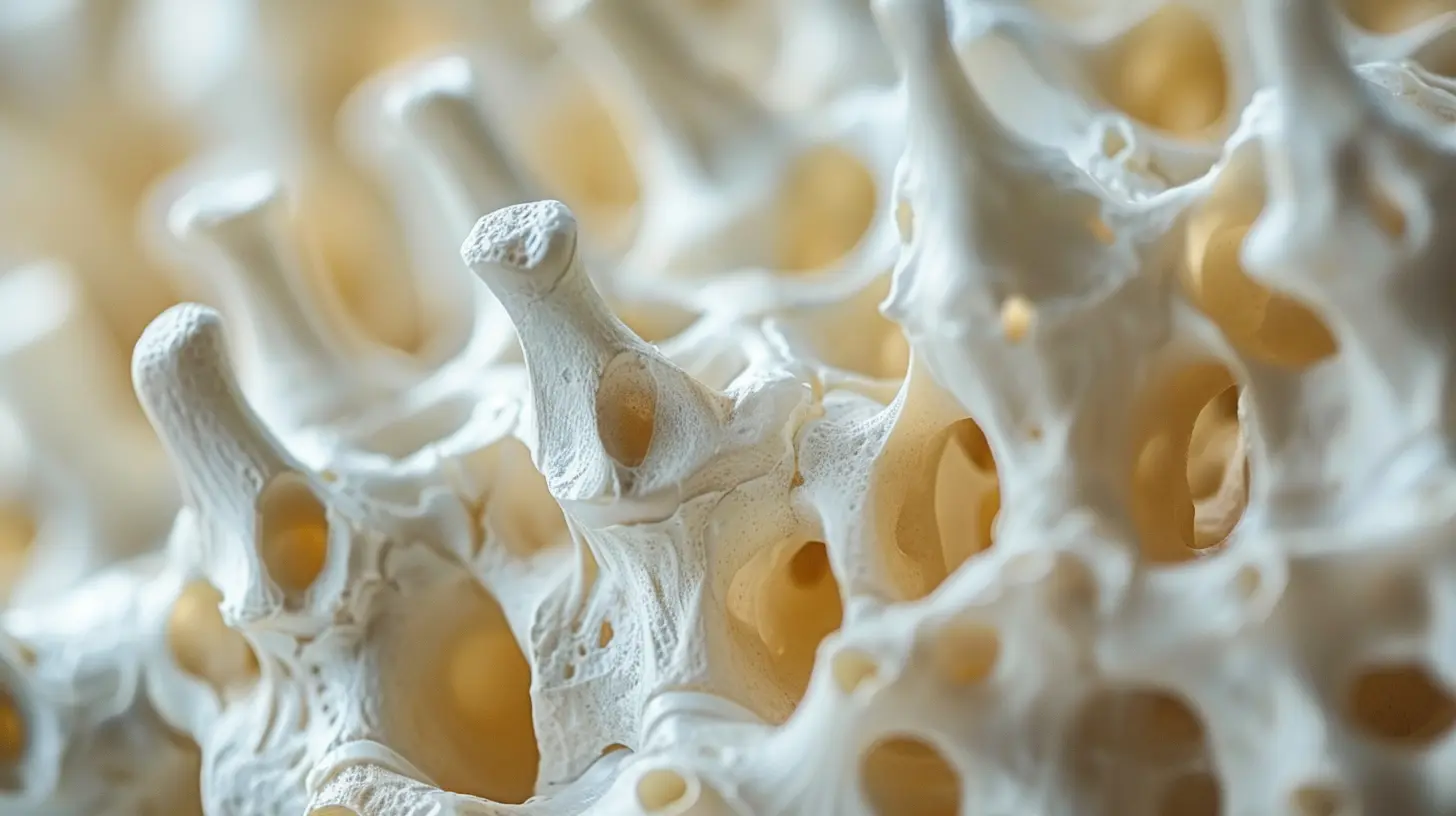
Why Collagen Declines with Age
Unfortunately, collagen levels start to drop as early as your mid-20s—and by the time you hit your 50s, your body produces drastically less. Factors like poor diet, excessive sun exposure, smoking, and chronic stress can further accelerate collagen depletion.Less collagen means weaker bones, stiffer joints, and an increased risk of fractures, especially in postmenopausal women who are already prone to osteoporosis. That’s why supporting collagen production is crucial at any age! 
Ways to Boost Collagen for Better Bone Health
So, how can you ensure that your body gets enough collagen to keep your bones strong? Here are some easy and natural ways to boost collagen production:1. Eat Collagen-Rich Foods
Your diet plays a huge role in collagen formation. Consider adding these collagen-boosting foods to your meals:- Bone broth: One of the best natural sources of collagen.
- Egg whites: High in proline, an amino acid essential for collagen production.
- Chicken & fish: Rich in collagen-building proteins.
- Leafy greens: Packed with vitamin C, which helps your body synthesize collagen.
- Berries & citrus fruits: Offer antioxidants that protect collagen from breaking down.
2. Take Collagen Supplements
If maintaining a collagen-rich diet feels tricky, collagen supplements can be a great alternative. Hydrolyzed collagen peptides are easily absorbed by the body and help replenish lost collagen. Studies suggest that taking collagen supplements regularly can improve bone density and reduce fracture risks.3. Increase Vitamin C Intake
Your body can't produce collagen without vitamin C, so make sure you're getting enough from foods like oranges, bell peppers, strawberries, and kiwi. This powerhouse nutrient acts like a spark plug, igniting your body's natural collagen production.4. Avoid Collagen-Damaging Habits
Some lifestyle choices can hinder collagen production. Try to:- Cut back on sugar – Excess sugar can break down collagen fibers.
- Limit smoking and alcohol – These speed up collagen degradation.
- Protect your skin from UV rays – Too much sun exposure depletes collagen levels.
- Manage stress – Chronic stress elevates cortisol, which can weaken collagen.
5. Exercise Regularly
Weight-bearing exercises (like strength training, walking, and yoga) stimulate collagen production in bones. Think of it like applying pressure to a sponge – your bones respond by producing more collagen and strengthening themselves.Who Should Consider Collagen Supplementation?
While everyone can benefit from collagen, certain groups may need it more:- Older adults: Natural collagen production declines with age.
- Postmenopausal women: Higher risk of osteoporosis due to hormonal changes.
- Athletes and active individuals: Extra collagen helps with joint and bone recovery.
- People with joint pain or fractures: Collagen aids in faster healing.
If you're in one of these categories, incorporating collagen into your routine might be a game-changer for your bone health!
Final Thoughts
Collagen is much more than a beauty buzzword—it’s your bone’s best friend. From maintaining strength and flexibility to aiding in repair and regeneration, this powerhouse protein is essential for lifelong bone health.Since collagen production naturally declines with age, it’s crucial to support your body with the right foods, supplements, and lifestyle choices. Whether you're in your 20s thinking about prevention or in your 50s looking to maintain bone strength, boosting collagen should be a top priority.
So, what’s stopping you? Start fueling your body with collagen today, and keep your bones strong, flexible, and fracture-free for years to come!
all images in this post were generated using AI tools
Category:
Healthy BonesAuthor:

Laura Hudson
Discussion
rate this article
2 comments
Nadia McCabe
Great article! It's fascinating how collagen impacts bone health—definitely something to consider for overall wellness!
January 24, 2026 at 4:19 AM
Laura Hudson
Thank you! I'm glad you found it interesting. Collagen truly plays a vital role in maintaining strong bones.
Christopher Henderson
This article beautifully highlights collagen's crucial role in maintaining strong bones. Investing in our bone health through collagen can lead to a happier, more active life. Remember, every small step counts toward lasting wellness. Thank you for sharing this valuable insight!
January 21, 2026 at 5:03 PM
Laura Hudson
Thank you for your thoughtful comment. I'm glad you found the article valuable. Every step toward better bone health is indeed important!