The Importance of Correct Form in Weightlifting
25 April 2026
Weightlifting isn't just about lifting heavy weights—it's about lifting them correctly. Whether you're a beginner or an experienced lifter, proper form is the foundation of strength training. Ignoring good form not only reduces your gains but also puts you at risk of serious injuries.
So, why is correct form so important? And how can you ensure you’re doing it right? Let’s break it all down. 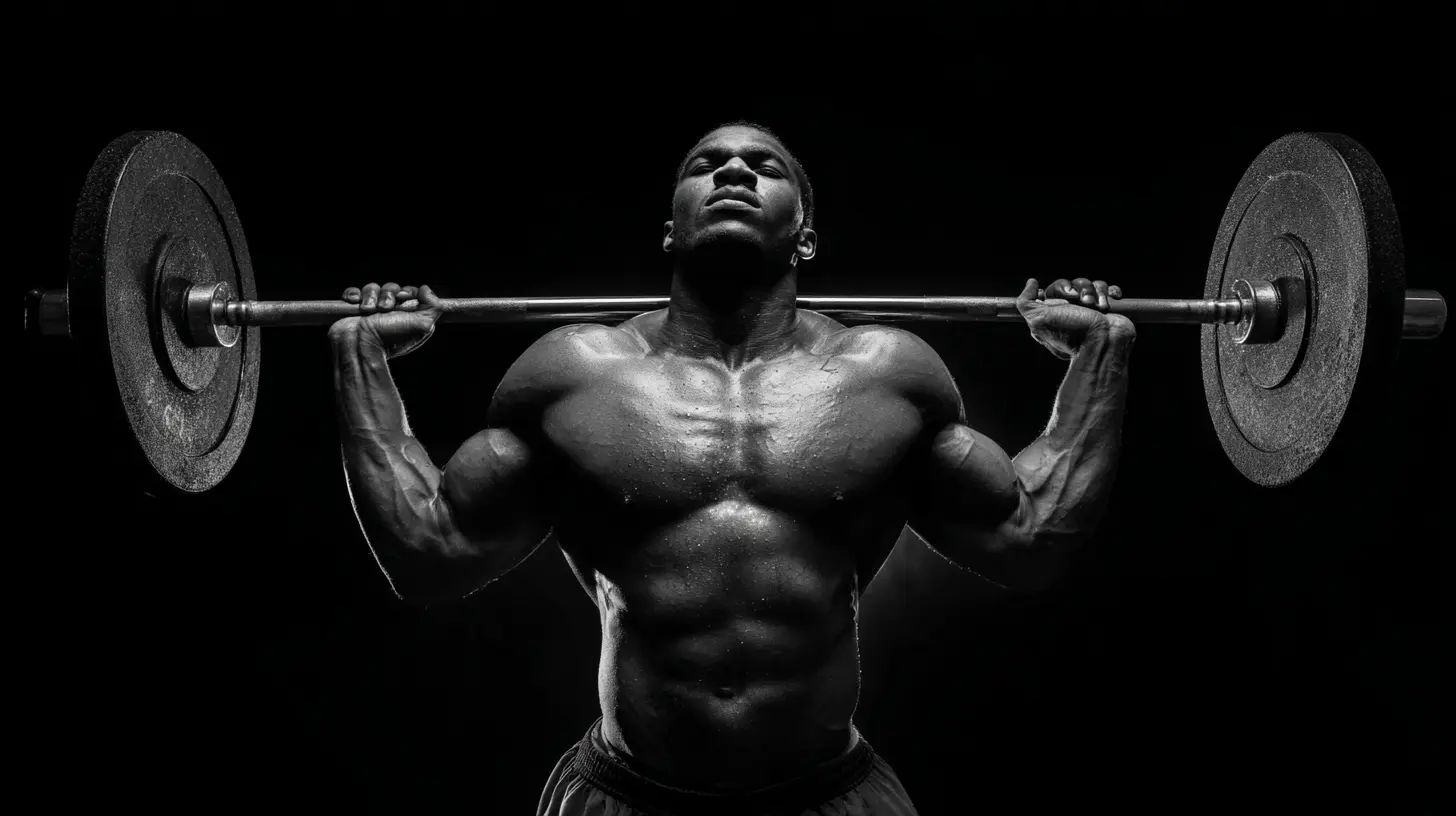
Why Proper Form Matters in Weightlifting
1. Prevents Injuries
Lifting weights with bad form is like driving a car with faulty brakes—it’s an accident waiting to happen. Poor technique increases strain on your muscles, joints, and spine. This can lead to injuries like:- Strains and sprains
- Herniated discs
- Rotator cuff injuries
- Knee damage
An injury can set you back weeks, if not months. So, before you load up that barbell, make sure you're lifting the right way.
2. Maximizes Muscle Engagement
Lifting with proper technique ensures that the right muscles are activated during each movement. For example, when performing a squat, if your form is off, you might be putting unnecessary pressure on your lower back rather than engaging your glutes and quads.Using strict form ensures that each rep does what it's supposed to do—help you build muscle efficiently.
3. Boosts Strength and Performance
Good form isn’t just about safety—it directly impacts your progress. When you lift with correct posture and technique, you move through the full range of motion (ROM), leading to better strength development. Plus, it helps you lift more weight over time without hitting unnecessary plateaus.Would you rather lift lighter weights correctly or heavier weights with bad form and get injured? The choice is obvious.
4. Improves Posture and Balance
Good lifting mechanics promote better posture and core stability. Many people suffer from back pain due to poor posture, and weightlifting can either fix it—or make it worse if done incorrectly.Movements like squats, deadlifts, and overhead presses require strict core engagement. Over time, this strengthens your stabilizer muscles and improves your overall posture, reducing the risk of chronic pain. 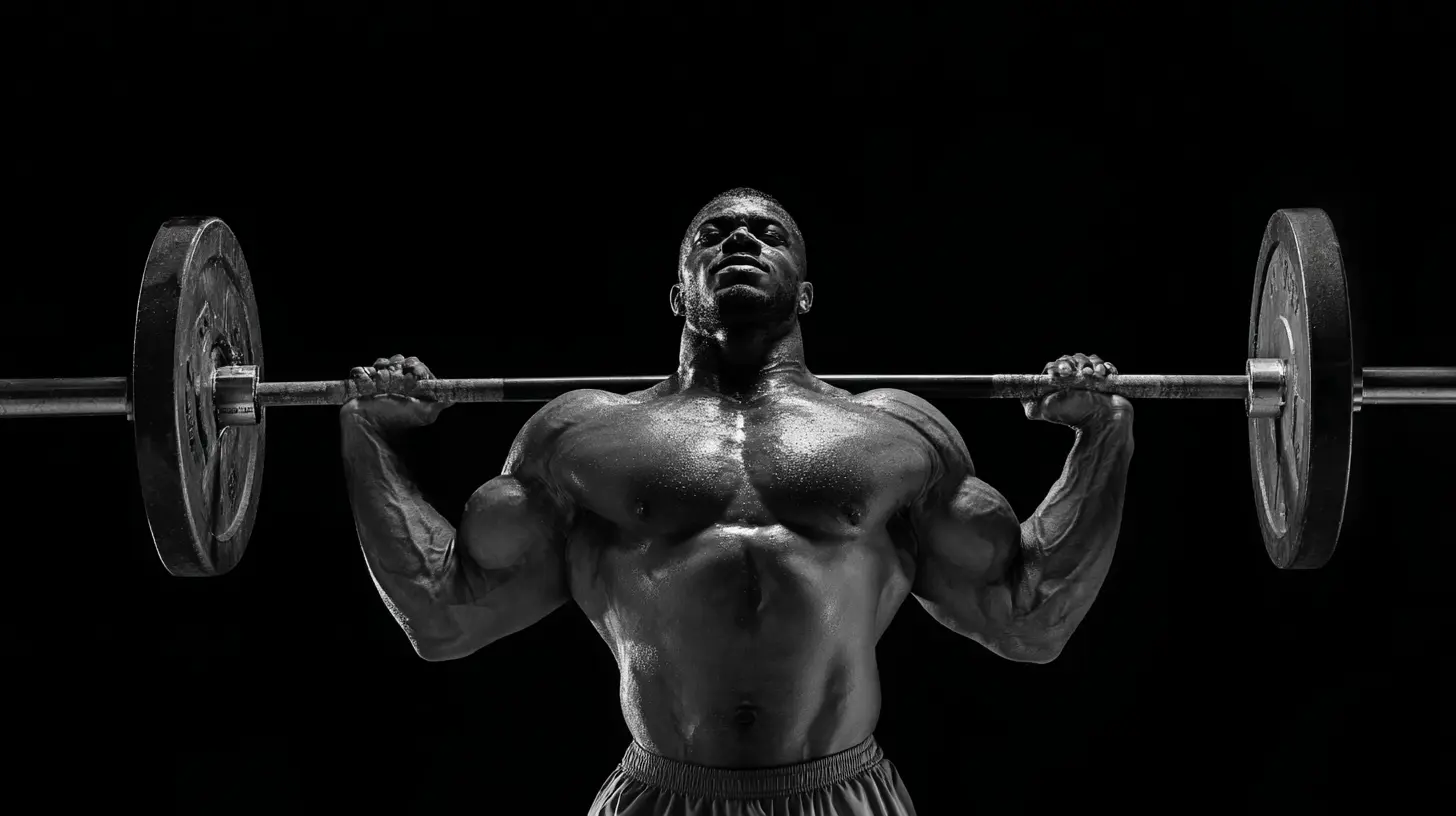
Common Weightlifting Mistakes (And How to Fix Them)
Even seasoned lifters make mistakes. Here are some of the most common form errors and simple ways to correct them:1. Rounding Your Back During Deadlifts
Bad habit: Many lifters round their backs when pulling heavy weights, which puts unnecessary pressure on the spine.✅ Fix it: Keep your chest up, shoulders back, and engage your core. Think of your spine as a steel rod—it should stay neutral from start to finish.
2. Half-Repping Squats
Bad habit: Dropping only halfway down instead of doing a full-depth squat means you’re missing out on proper muscle activation.✅ Fix it: Lower yourself until your hips are at least parallel to your knees. If flexibility is an issue, work on mobility exercises.
3. Using Momentum Instead of Muscle Control
Bad habit: Swinging weights instead of lifting with controlled movements reduces effectiveness and increases injury risk.✅ Fix it: Slow down. Focus on mind-muscle connection—feel the muscles working with each rep.
4. Flaring Elbows Too Much on Bench Press
Bad habit: Keeping your elbows too wide during a bench press strains your shoulders unnecessarily.✅ Fix it: Tuck your elbows slightly (about a 45-degree angle) to protect your shoulder joints while maximizing chest engagement.
5. Ego Lifting (Lifting Too Heavy, Too Soon)
Bad habit: Trying to lift heavier than your capability leads to bad form, poor results, and injury.✅ Fix it: Master the movement before increasing weight. If your form breaks down, lower the weight. Strength takes time—rushing it only slows progress. 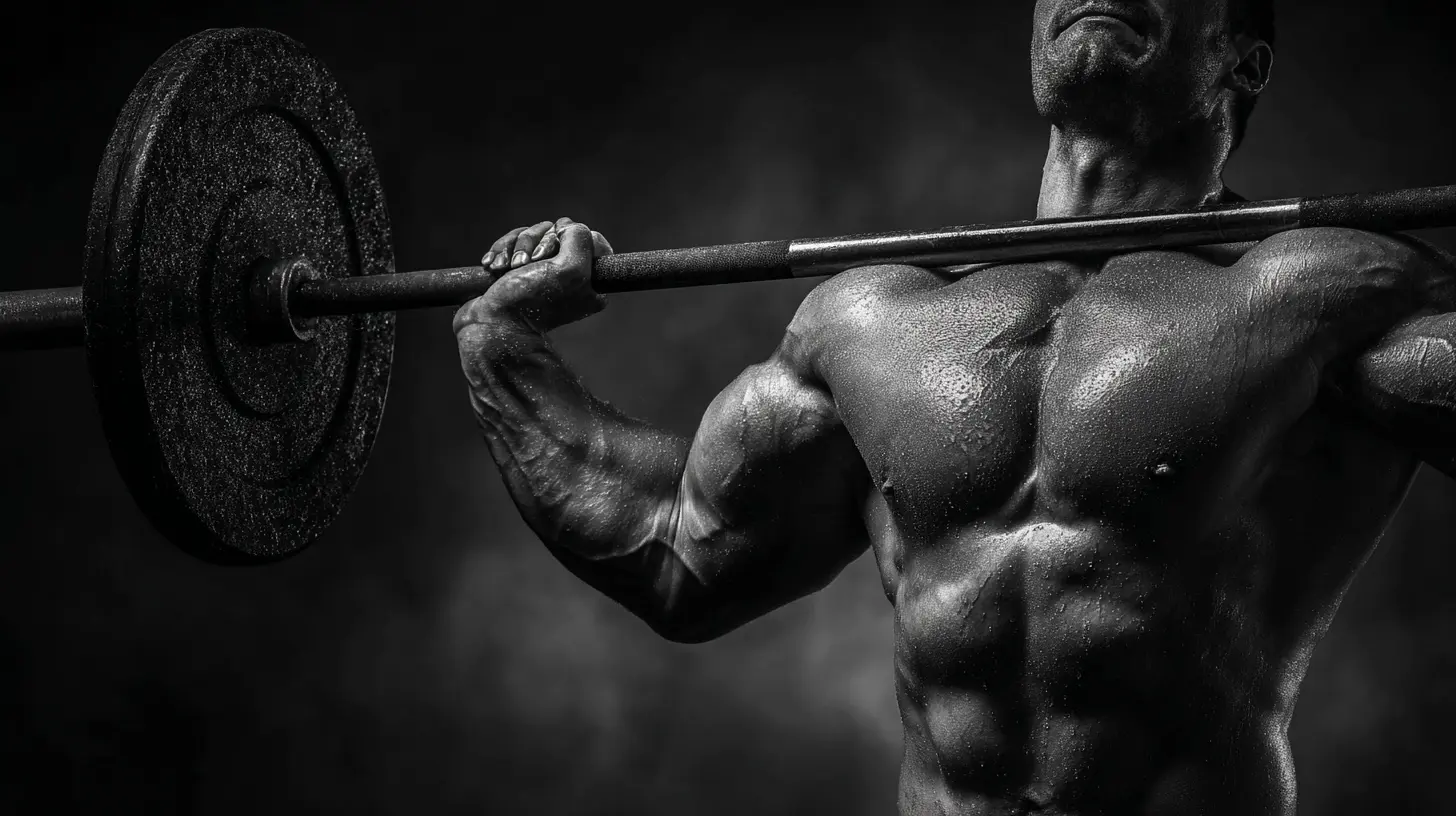
How to Maintain Correct Form
Here are some essential tips to keep your form on point every time you step into the gym:1. Start With Bodyweight Exercises
Before adding weights, perfect your movement patterns using just your body weight. Mastering exercises like squats, lunges, and push-ups ensures that you are using the right muscles when the weights come into play.2. Use a Mirror or Record Yourself
Watching yourself lift can highlight flaws in your technique. Set up a camera or use a mirror to check your posture, positioning, and range of motion.3. Engage Your Core
A strong core acts as a natural weightlifting belt, keeping your posture solid and preventing injuries. Always brace your core before lifting—imagine someone is about to punch you in the stomach.4. Warm Up Properly
Skipping a warm-up is like racing a cold engine—it won’t end well. Proper dynamic stretching and mobility work increase flexibility and prepare your muscles for heavy lifting.Some effective warm-up exercises include:
- Bodyweight squats
- Hip openers
- Arm circles
- Light cardio (jump rope, brisk walking)
5. Get a Spotter or Trainer
If you’re unsure about your form, have an experienced lifter observe your movements or hire a personal trainer. A small adjustment can make a big difference.6. Follow a Structured Training Program
Jumping from one exercise to another without a plan results in inconsistent form and progress. Follow a structured program that prioritizes gradual weight increases while maintaining proper technique.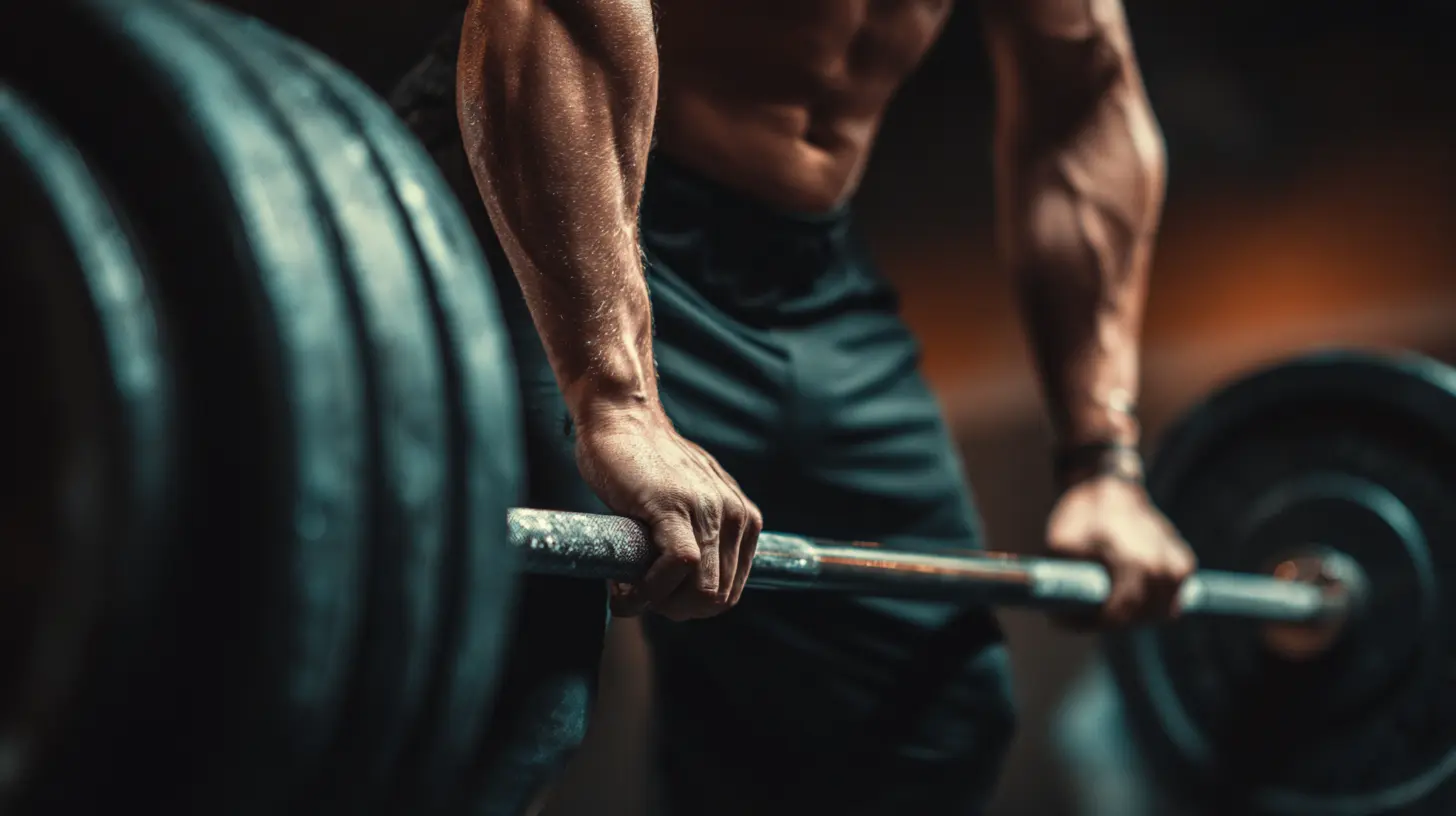
The Role of Mobility and Flexibility in Good Form
Lifting weights isn’t just about strength—mobility and flexibility play a huge role, too.Why Does Mobility Matter?
Mobility determines how well your joints move through their full range of motion. Poor mobility can cause compensatory movements, leading to injuries and bad lifting habits.For example, if you have tight hips, your squat depth will suffer. If your shoulders are tight, overhead presses become painful.
How to Improve Mobility for Better Form
- Stretch regularly (especially post-workout)- Foam roll tight muscles
- Perform dynamic mobility drills before lifting
- Take time to warm up properly
Lifting with poor mobility is like driving with flat tires—you might still move, but you're not getting anywhere efficiently.
Final Thoughts
Weightlifting is not just about lifting heavy—it’s about lifting right. Prioritizing correct form sets the foundation for long-term success, fewer injuries, and better muscle gains.So, the next time you step into the gym, ask yourself: Am I lifting with proper form? If the answer is no, take the time to fix it. Your body (and future gains) will thank you!
all images in this post were generated using AI tools
Category:
BodybuildingAuthor:

Laura Hudson
Discussion
rate this article
2 comments
Stacey Henderson
Proper form in weightlifting is crucial to prevent injuries and maximize gains. A few mistakes can lead to setbacks—focus on technique first!
April 25, 2026 at 4:37 PM
Laura Hudson
Thanks for emphasizing that! Proper form truly is the foundation for safe and effective weightlifting.
Annette McNaughton
Thank you for this insightful article! It's a vital reminder that proper form in weightlifting not only maximizes gains but also prevents injuries. As someone who has faced setbacks due to poor technique, I appreciate the emphasis on safety and longevity in fitness. Great advice for both beginners and seasoned lifters!
April 25, 2026 at 4:03 AM
Laura Hudson
Thank you for your thoughtful comment! I'm glad the article resonated with you. Proper form really is key to safe and effective lifting.