The Importance of Prenatal Vitamins for You and Your Baby
23 April 2026
Bringing a new life into the world is an incredibly exciting journey! From the moment you find out you're expecting, a whirlwind of emotions, planning, and changes begin. One of the most crucial steps for a healthy pregnancy? Making sure you're getting the right nutrients—specifically, prenatal vitamins.
But why do doctors emphasize them so much? Can’t you just eat a balanced diet and get everything you need? Let’s break it all down and see why prenatal vitamins are an absolute must for both you and your growing baby. 
What Are Prenatal Vitamins?
Prenatal vitamins are specially formulated supplements designed to support a healthy pregnancy. They contain a blend of essential nutrients that help fill any gaps in your diet while ensuring your baby gets everything they need to grow and develop properly.While a healthy diet is always the foundation of good nutrition, pregnancy increases your body's demand for specific vitamins and minerals, making supplementation necessary in most cases. 
Why Are Prenatal Vitamins So Important?
You might be wondering—if I eat healthy foods, do I really need prenatal vitamins? The short answer: Yes! Pregnancy puts extra strain on your body, and certain nutrients are needed in much higher amounts than usual. Prenatal vitamins ensure you're covering all your bases.Here’s a closer look at some game-changing benefits:
1. Supports Baby’s Brain and Spine Development
One of the most crucial nutrients during early pregnancy is folic acid. It helps prevent neural tube defects, which affect the brain and spinal cord. Neural tube defects, like spina bifida, can occur within the first month of pregnancy—sometimes before you even know you're expecting.That’s why doctors recommend starting prenatal vitamins before you even conceive! Think of folic acid as a safety net, ensuring your little one’s brain and spinal cord develop properly.
2. Reduces the Risk of Birth Defects
In addition to folic acid, other essentials like iodine, choline, and vitamin B12 help prevent various birth defects and support overall fetal development. These nutrients contribute to a strong nervous system, healthy cell formation, and proper brain function.3. Boosts Your Energy Levels
Growing a tiny human is exhausting—literally! Many pregnant women experience fatigue due to increased energy demands and low iron levels. Iron, found in prenatal vitamins, helps prevent anemia, which can lead to extreme tiredness, dizziness, and even complications during delivery.If you've been feeling like you could sleep for days, iron deficiency might just be the culprit.
4. Supports Strong Bones and Teeth
Your baby’s bones and teeth start forming early in pregnancy, and they need calcium and vitamin D to grow strong and healthy. If your diet lacks these nutrients, your body will take calcium from your bones to support your baby—which could lead to bone density loss for you.Think of it as a tug-of-war between your baby’s needs and your own health. A good prenatal vitamin ensures you both win!
5. Helps Prevent Pregnancy Complications
Deficiencies in key nutrients can lead to complications like preeclampsia, low birth weight, and even premature birth. Prenatal vitamins contain crucial nutrients like magnesium, DHA (an omega-3 fatty acid), and iodine—all of which contribute to a smoother, healthier pregnancy.
Key Nutrients in Prenatal Vitamins (And Why They Matter)
Not all prenatal vitamins are created equal. While most contain the basics, here’s a list of the must-have nutrients and why they matter:1. Folic Acid (400-800 mcg)
- Prevents neural tube defects- Supports brain and spinal cord development
2. Iron (27 mg)
- Helps prevent anemia- Supports red blood cell production
3. Calcium (1,000 mg)
- Strengthens baby's bones and teeth- Prevents bone loss in moms
4. Vitamin D (600 IU)
- Important for calcium absorption- Supports immune function
5. Omega-3 Fatty Acids (DHA & EPA)
- Helps with brain and eye development- Supports heart health
6. Iodine (220 mcg)
- Crucial for proper thyroid function- Supports baby’s brain development
7. Vitamin B12 (2.6 mcg)
- Essential for healthy nerve function- Supports red blood cell creation
Make sure your prenatal vitamin includes these essentials so both you and baby are getting the best possible nutrition. 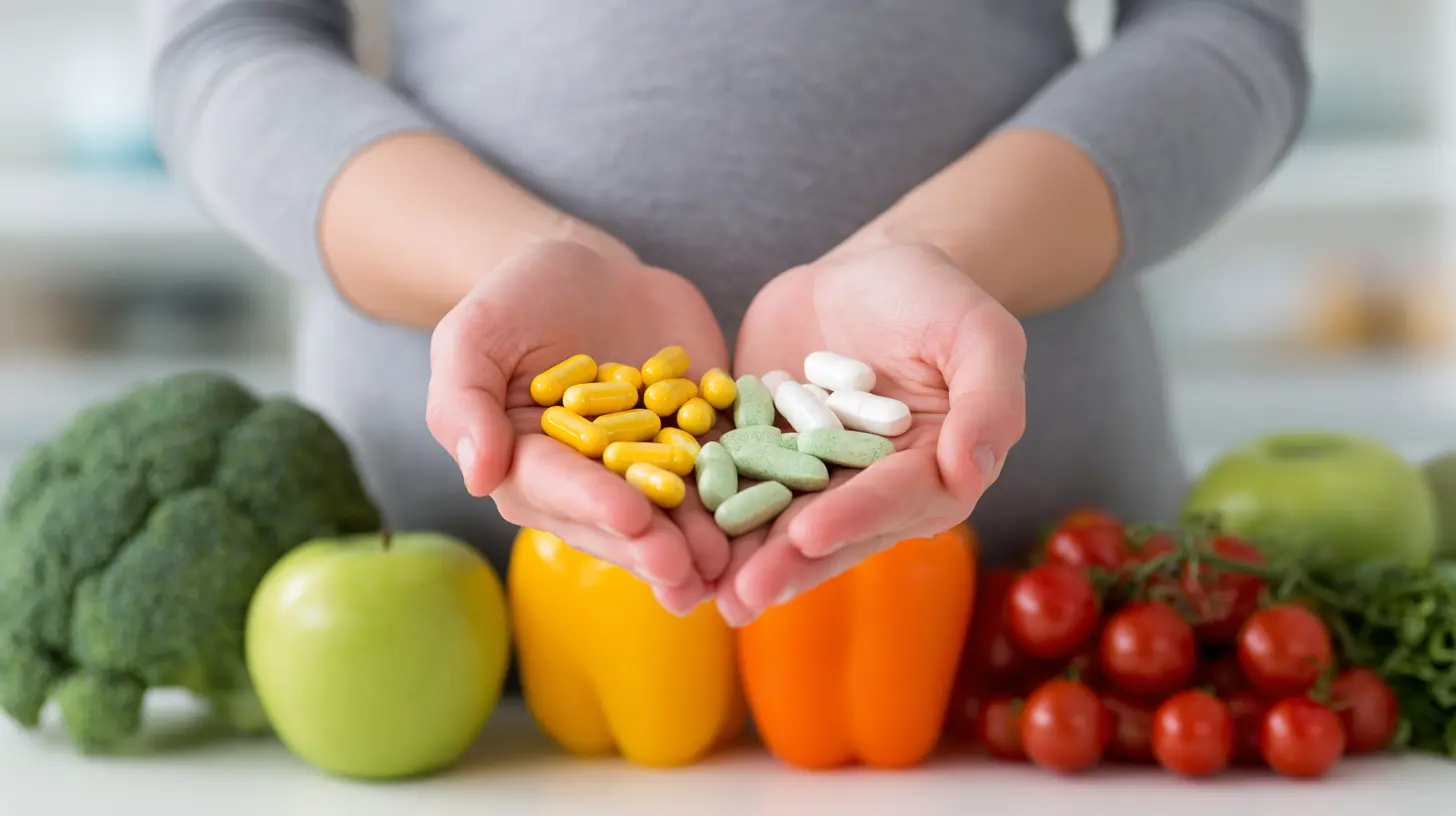
When Should You Start Taking Prenatal Vitamins?
Ideally, you should start taking prenatal vitamins before you get pregnant. Since neural tube defects can form in the earliest weeks of pregnancy (before many women even realize they’re expecting), having folic acid in your system beforehand gives your baby the best start.If you’re already pregnant and haven’t started yet—don’t panic! Begin as soon as possible to reap the benefits.
Can I Get All These Nutrients from Food Alone?
While a well-balanced diet is essential, it’s tough to get everything you need from food alone—especially during pregnancy. Here’s why:- Morning sickness may make it hard to eat nutrient-rich foods
- Increased blood volume means your body needs more iron than usual
- Dietary restrictions (vegetarian, vegan, or lactose intolerant) can make it challenging to meet certain nutrient requirements
Think of prenatal vitamins as a backup plan. They don’t replace a healthy diet, but they ensure you’re not missing out on anything critical.
Common Myths About Prenatal Vitamins
When it comes to pregnancy, there’s no shortage of advice (and myths). Let’s bust a few misconceptions about prenatal vitamins:1. “Prenatal Vitamins Will Make My Baby Bigger”
Nope! They won’t make your baby too big. Nutrients help your baby develop properly—not grow into a giant.2. “I’ll Just Take a Regular Multivitamin Instead”
Regular multivitamins don’t contain enough folic acid, iron, or DHA. Prenatal vitamins are specifically designed for pregnancy needs, so stick with those.3. “I Only Need to Take Them During Pregnancy”
It’s actually a great idea to continue taking prenatal vitamins while breastfeeding! Your body still needs extra nutrients, and they help ensure your baby gets what they need through breast milk.Choosing the Right Prenatal Vitamin
With so many options on the market, how do you choose the best one? Here are some tips:- Look for one with at least 400 mcg of folic acid
- Check that it includes iron, calcium, and vitamin D
- If you don’t eat much fish, opt for one with DHA
- If you have trouble swallowing pills, there are gummy versions available
Of course, always check with your doctor before starting any supplement to make sure it meets your specific needs.
Final Thoughts
Pregnancy is a beautiful (and sometimes overwhelming) journey, but taking care of your body should be a top priority. Prenatal vitamins are an easy yet powerful way to support your health and give your baby the best possible start in life.So, if you’re trying to conceive, currently pregnant, or even postpartum, make sure you’re getting the right nutrients. Your future self (and your little one) will thank you!
all images in this post were generated using AI tools
Category:
Pregnancy HealthAuthor:

Laura Hudson
Discussion
rate this article
2 comments
Sybil McQuade
Prenatal vitamins: the superhero sidekick every expectant mom needs! 🦸♀️💊 They’re like a power-up for you and your little one, ensuring you both have the right nutrients to thrive. Cheers to healthy beginnings and glowing moms! 🌟👶
April 29, 2026 at 5:08 AM
Laura Hudson
Absolutely! Prenatal vitamins are essential for both mom and baby, providing crucial nutrients that support a healthy pregnancy. Cheers to strong starts!
Jacob Larsen
Great article! Prenatal vitamins are essential for ensuring both mother and baby's health, providing vital nutrients for a healthy pregnancy.
April 23, 2026 at 3:37 AM
Laura Hudson
Thank you! I'm glad you found the article helpful. Prenatal vitamins really do make a difference.