The Influence of Exercise on Sleep Quality and Duration
12 May 2026
Good sleep and regular exercise go together like peanut butter and jelly. If you've ever had a day packed with physical activity, you probably noticed how much easier it was to drift off at night. But why does exercise have such a profound impact on sleep? And how can you maximize its benefits?
In this article, we’ll break down how exercise influences both sleep quality and duration, and how you can tweak your workout routine to get the best possible rest.

How Exercise Affects Sleep
1. Helps You Fall Asleep Faster
Tossing and turning at night? Exercise might be your secret weapon. When you engage in physical activity, your body burns energy and releases endorphins, which naturally help regulate your mood and stress levels. As a result, your mind becomes calmer when it's time to sleep, making it easier to doze off.Ever noticed how kids crash after a long day of running around? That’s exactly what happens to adults—just on a different scale. Your body craves rest after exertion, and sleep kicks in as the ultimate recovery tool.
2. Improves Sleep Quality
Falling asleep is one thing, but staying asleep and getting deep, restorative rest is another. Exercise helps with that too. It promotes slow-wave sleep—also known as deep sleep—where your body repairs muscles, strengthens the immune system, and processes memories.Without enough deep sleep, you might wake up feeling groggy, even after a full night in bed. By exercising regularly, you help train your body to reach these crucial sleep stages, resulting in a more refreshing rest.
3. Balances Sleep Hormones
Your body has its own internal sleep-wake cycle, driven by hormones like melatonin. Exercise plays a crucial role in regulating these hormones.- Reduces Cortisol: Cortisol, the stress hormone, tends to keep you wired and restless. Exercise lowers cortisol levels naturally, making it easier to relax at night.
- Boosts Melatonin Production: Regular physical activity helps your body release melatonin at the right time, signaling your brain that it’s time to wind down.
When these hormones are in harmony, falling asleep and staying asleep becomes effortless.
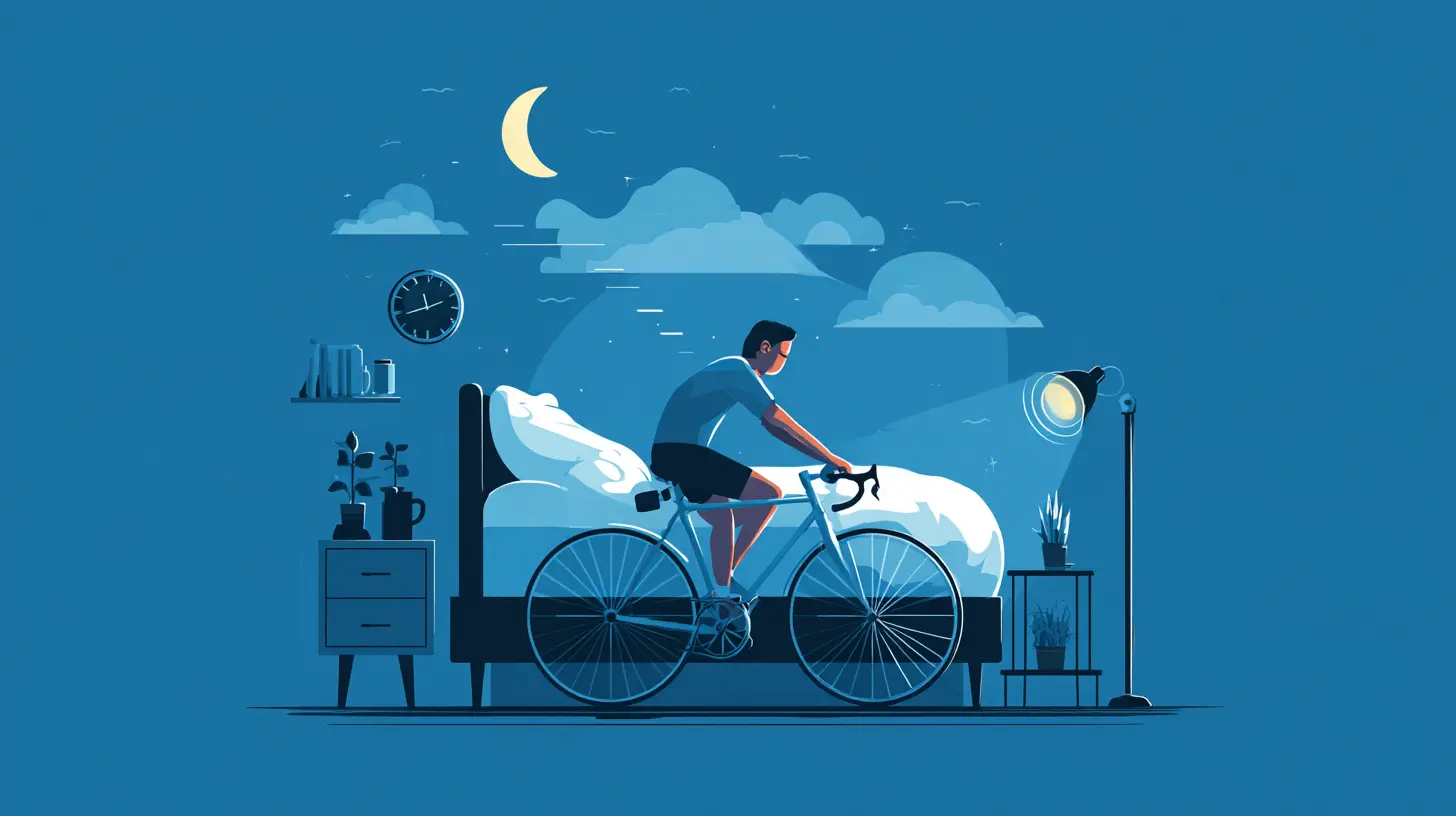
The Connection Between Exercise Type and Sleep
Not all workouts affect sleep in the same way. Some promote restfulness, while others can leave you too energized to sleep right away. Here’s how different types of exercise influence sleep:1. Aerobic Exercise (Cardio)
Running, swimming, cycling, or brisk walking—these activities increase your heart rate and oxygen circulation. Studies show that moderate-intensity cardio can improve sleep efficiency, meaning you spend more time in deep, restful sleep.However, if you push too hard close to bedtime, your body might stay in an alert state, making it difficult to wind down. The key is timing—more on that in a bit.
2. Strength Training
Lifting weights or doing bodyweight exercises can improve sleep quality, particularly for people suffering from insomnia. Strength training reduces stress levels and lowers anxiety, both of which are common sleep disruptors.Interestingly, resistance training also leads to an increase in growth hormone levels, which plays a major role in muscle recovery during deep sleep.
3. Yoga and Stretching
If you struggle with stress or an overactive mind at bedtime, yoga and stretching can be game-changers. These exercises activate the parasympathetic nervous system (your "rest and digest" mode), helping you relax before hitting the pillow.Breathing exercises and mindfulness techniques in yoga also reduce heart rate and blood pressure, further promoting sleep readiness.
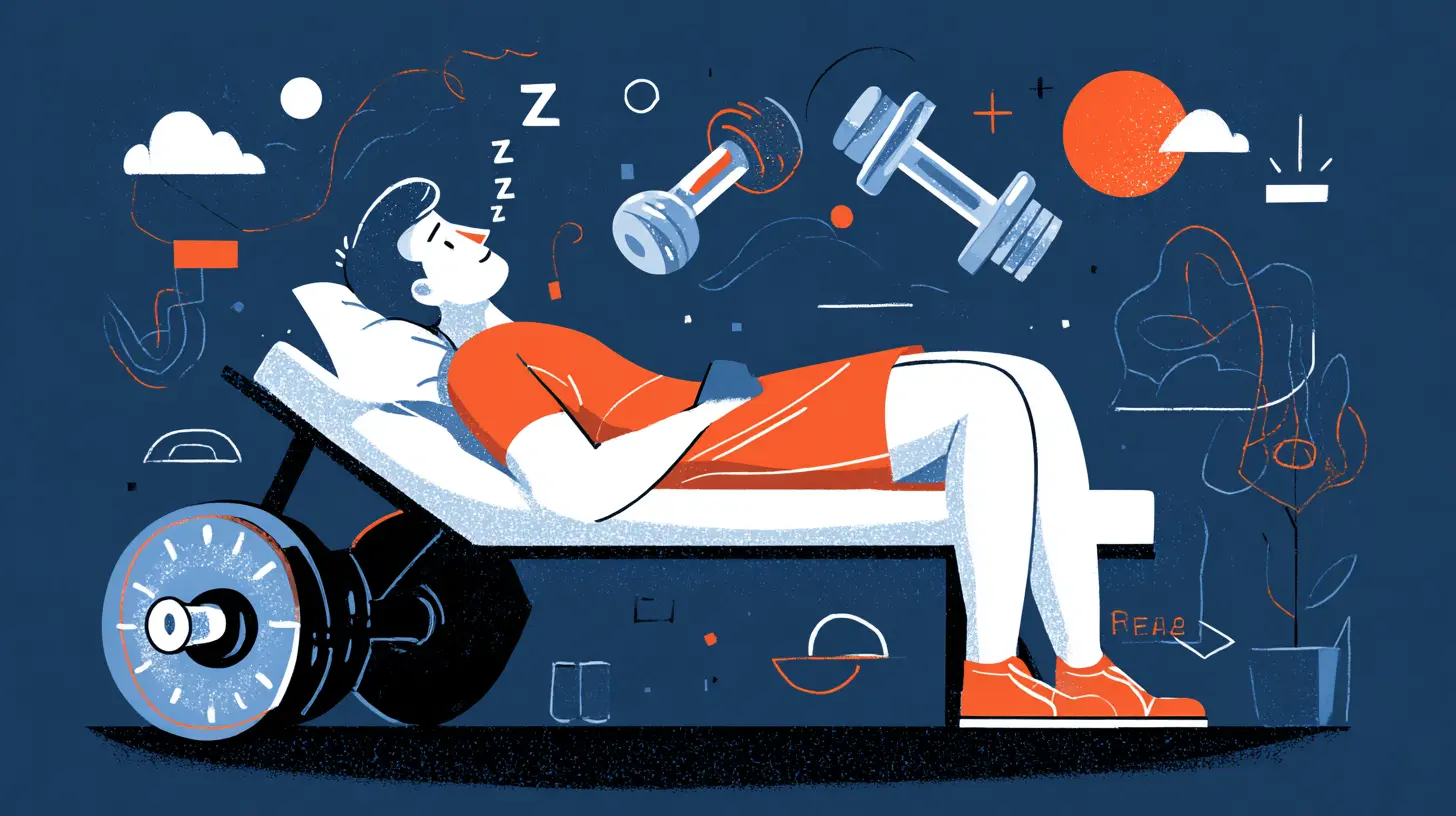
Best Time of the Day to Exercise for Better Sleep
Exercise is great, but timing matters too. Consider how different workout schedules impact your sleep:1. Morning Exercise
Does working out in the morning improve sleep? Absolutely! Morning workouts regulate your circadian rhythm by exposing you to natural sunlight earlier in the day. This helps synchronize your internal clock, making it easier to fall asleep at night.Plus, morning exercise keeps your energy levels high throughout the day but lowers them by bedtime, making nighttime sleep smoother.
2. Afternoon or Early Evening Workouts
Many sleep experts believe this is the best time for exercise. By late afternoon, your body temperature is at its peak, making muscles more flexible and workouts more effective. Strength training or cardio in the early evening helps release built-up stress and stabilizes energy levels before bed.3. Late-Night Workouts (Proceed with Caution)
Some people can hit the gym late at night and sleep like a baby, while others experience racing heartbeats and alertness right before bed.High-intensity workouts too close to bedtime may delay melatonin release, making it harder to fall asleep. If you must exercise late, stick to lighter activities like yoga, stretching, or a casual stroll.
How Much Exercise Do You Need for Better Sleep?
The good news? You don’t need to become a marathon runner to see benefits. According to sleep researchers, just 30 minutes of moderate exercise most days of the week can significantly improve your sleep quality.Here’s how different levels of activity impact sleep:
- Mild Exercise (e.g., walking, yoga): Improves relaxation and sleep duration.
- Moderate Exercise (e.g., jogging, swimming): Enhances deep sleep and reduces stress.
- High-Intensity Exercise (e.g., HIIT, heavy lifting): Boosts sleep cycles but should be timed properly.
The key is consistency. Even small daily movements—like taking the stairs, gardening, or stretching—can add up to better sleep over time.
Tips to Maximize Sleep Benefits from Exercise
Want to make sure your workouts help—rather than hinder—your sleep? Follow these tips:✅ Stick to a Routine: Exercise at the same time every day to help regulate your sleep cycle.
✅ Get Some Sunlight: Outdoor workouts help regulate your body's sleep-wake rhythm.
✅ Avoid Stimulants Before Bed: Skip caffeine, energy drinks, or pre-workout supplements in the evening.
✅ Cool Down Properly: Give yourself at least an hour to relax after intense workouts before sleeping.
✅ Listen to Your Body: If a workout disrupts your sleep, tweak the timing or intensity.
The Bottom Line
Exercise and sleep have a powerful relationship—when one improves, so does the other. By incorporating regular physical activity into your routine, you’ll not only fall asleep faster, but also enjoy deeper, more restorative sleep.The trick is to find the right balance. Timing your workouts, choosing the right intensity, and staying consistent will ensure you reap the full benefits of exercise for better sleep.
So, if you’re tired of restless nights, it might be time to lace up your sneakers and get moving—your body (and sleep schedule) will thank you!
all images in this post were generated using AI tools
Category:
Sleep HealthAuthor:

Laura Hudson
Discussion
rate this article
1 comments
Tempest Hodge
Great read! It's amazing how exercise can transform our sleep patterns. Prioritizing movement not only boosts our health but also helps us enjoy restful nights. Looking forward to incorporating these tips into my routine!
May 14, 2026 at 4:11 PM
Laura Hudson
Thanks for your thoughtful comment! I'm glad you found the tips helpful. Enjoy your journey to better sleep through movement!