The Magic of Peptides in Anti-Aging Skincare
15 December 2025
Aging is inevitable, but looking older than you feel? That's optional! Skincare has seen massive advancements, and one of the most exciting breakthroughs is peptides. These tiny yet powerful compounds have been making waves in the anti-aging world—and for good reason!
But what exactly are peptides, and how do they work their magic on your skin? Let’s dive deep into the science, benefits, and why they just might be the missing piece in your skincare routine.
What Are Peptides?
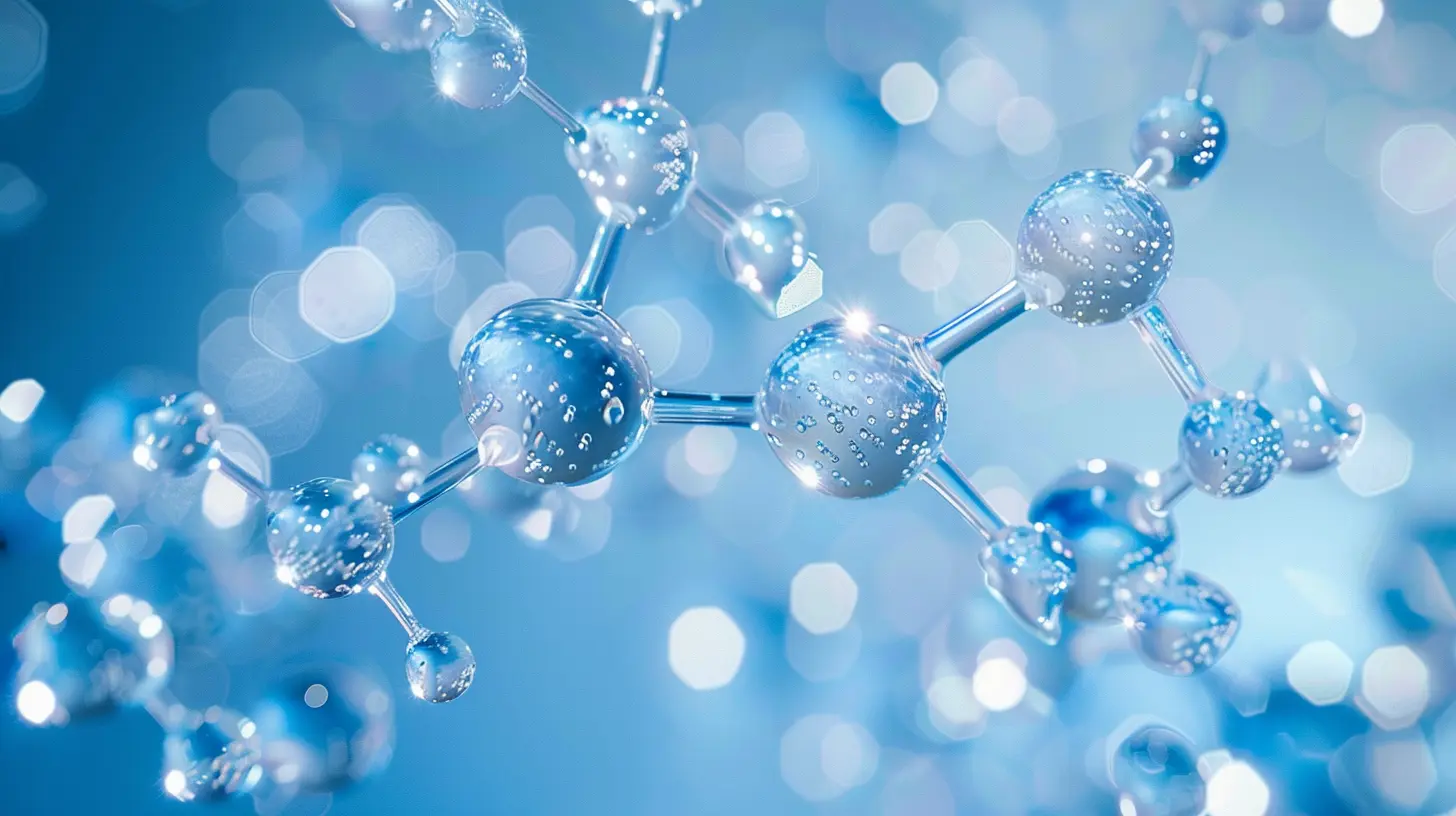
Let’s keep it simple—peptides are short chains of amino acids, the building blocks of proteins. Think of them as tiny messengers sending signals to your skin to repair, rejuvenate, and boost collagen production.Collagen, elastin, and keratin—these are the proteins that keep your skin firm, smooth, and youthful. As we age, our body produces less of them, leading to wrinkles, sagging, and dullness. That’s where peptides step in, telling your skin to wake up and fight back!
How Do Peptides Work in Skincare?
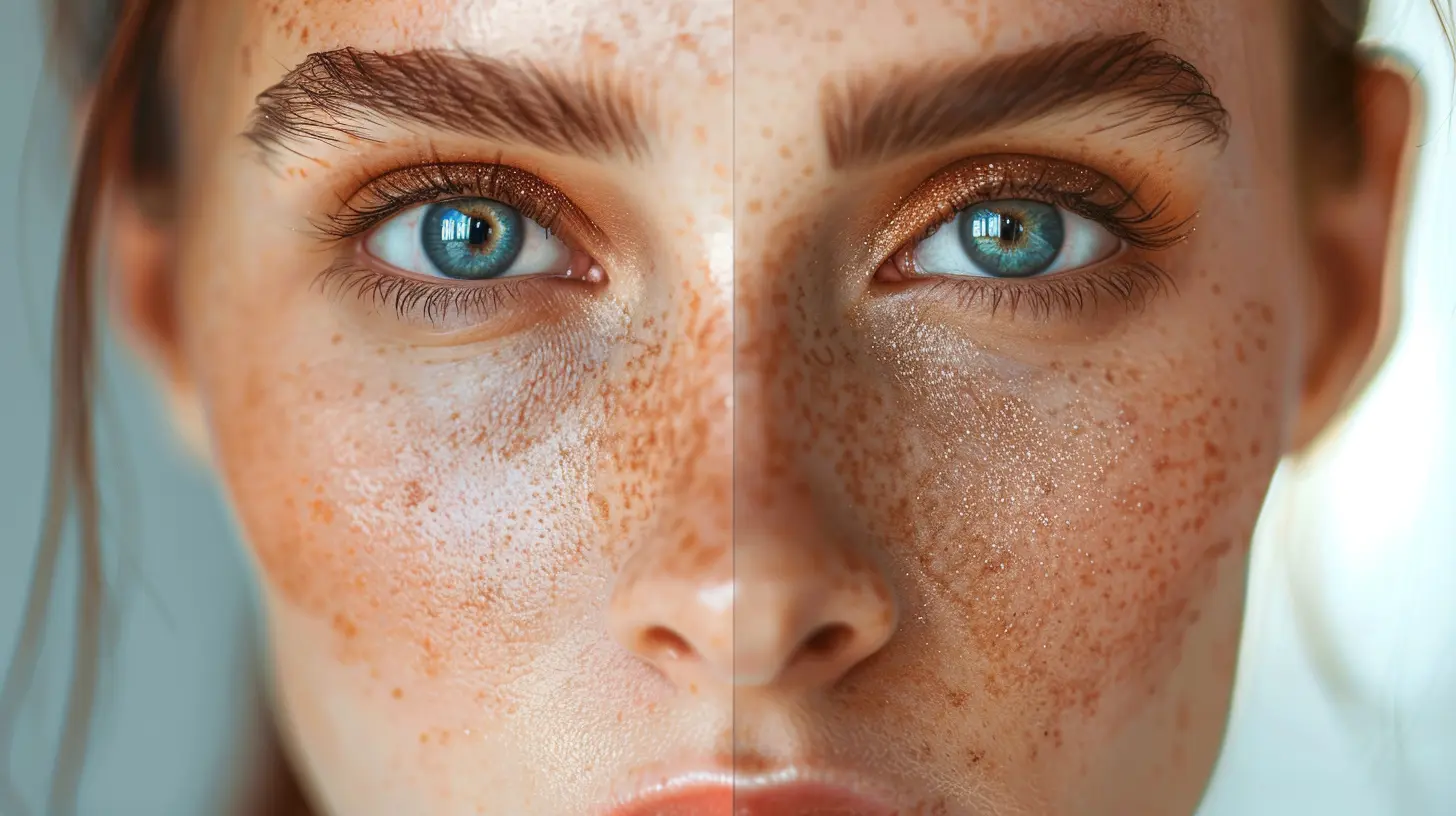
Peptides work behind the scenes, ensuring your skin gets the message to regenerate and protect itself. Here’s how they work their magic:1. Boosts Collagen Production
Collagen is what gives your skin that bouncy, plump look. As collagen levels drop, wrinkles start appearing. Peptides stimulate collagen synthesis, helping to restore firmness and elasticity.2. Strengthens the Skin Barrier
Your skin barrier is like a protective shield against environmental damage. Peptides reinforce this barrier, making your skin more resilient to pollution, UV rays, and irritants.3. Reduces Fine Lines and Wrinkles
By promoting collagen and elastin, peptides help smooth out fine lines and wrinkles, making your skin look younger and fresher.4. Hydrates and Firms the Skin
Certain peptides boost hyaluronic acid production, improving skin hydration and making it appear dewy and firm.5. Soothes Inflammation and Repairs Damage
Peptides contain anti-inflammatory properties, which help in soothing redness, irritation, and even acne breakouts.
Types of Peptides in Skincare
Not all peptides are created equal! Different types serve different purposes. Here are a few key players you should know about:1. Signal Peptides
Think of these as the coaches of your skin. They tell your cells to produce more collagen and elastin, leading to firmer and smoother skin.2. Carrier Peptides
These peptides deliver essential minerals like copper and magnesium to your skin, aiding in repair and regeneration.3. Neurotransmitter Peptides
Often referred to as “Botox in a jar,” these peptides relax facial muscles, reducing expression lines and wrinkles without the need for injections.4. Enzyme-Inhibitor Peptides
These work to slow down collagen breakdown, helping to maintain youthful skin for longer.
Why Peptides Are a Must-Have in Your Skincare Routine
Still wondering why peptides are such a big deal? Here’s why they deserve a spot in your skincare lineup:- They’re Suitable for All Skin Types
Unlike some harsh anti-aging ingredients (looking at you, retinol), peptides are gentle and work well for sensitive skin.
- They Work Well with Other Ingredients
Peptides play nicely with hyaluronic acid, niacinamide, and antioxidants, enhancing their effects for even better results.
- They Offer Long-Term Benefits
Consistently using peptides helps in preventing premature aging while repairing existing damage.
How to Use Peptides in Your Routine
Now that we know how powerful peptides are, the next question is—how do you use them?1. Look for Peptide-Infused Serums & Creams
Peptides work best when left on the skin—so opt for serums, moisturizers, and eye creams rather than cleansers (which just wash off).2. Use Them Twice a Day
For maximum benefit, apply peptide-based products morning and night.3. Pair with Complementary Ingredients
Combine peptides with hyaluronic acid for hydration, vitamin C for brightening, and SPF for protection.4. Be Patient
Like all good things in skincare, peptides take time! Stick with them for at least 4–8 weeks to see noticeable improvements.
Peptides vs. Other Anti-Aging Ingredients
How do peptides compare to other well-known anti-aging powerhouses?| Ingredient | Benefits | Drawbacks |
|------------|----------|----------|
| Peptides | Boost collagen, repair skin, hydrate | Slower results than retinoids |
| Retinol | Speeds up cell turnover, reduces wrinkles | Can cause irritation, peeling |
| Hyaluronic Acid | Hydrates and plumps | Does not directly boost collagen |
| Vitamin C | Brightens skin, fights free radicals | Can be unstable, may irritate sensitive skin |
At the end of the day, peptides are gentle yet highly effective, making them a fantastic addition to any anti-aging routine.
Are There Any Side Effects?
The beauty of peptides is that they are well-tolerated by most skin types! Unlike retinol or acids, peptides typically don’t cause irritation, redness, or flaking. However:- If you have very sensitive skin, always do a patch test first.
- Avoid peptide products with too many added fragrances or harsh preservatives.
Choosing the Right Peptide Skincare Product
With so many peptide-infused products on the market, how do you pick the right one? Here’s what to look for:- Look for the word "peptide" in the ingredients list (e.g., palmitoyl pentapeptide, copper peptides, or acetyl hexapeptide).
- Choose a well-formulated product—serums and creams are best for penetration.
- Avoid cheap knock-offs—quality matters when it comes to skincare.
Final Thoughts
Peptides truly are a game-changer in anti-aging skincare. They signal your skin to create more collagen, boost hydration, and reduce wrinkles—without the irritation that some harsh ingredients bring.If you're looking for a powerful, yet gentle way to keep your skin youthful, peptides are the magic you’ve been waiting for!
all images in this post were generated using AI tools
Category:
Anti AgingAuthor:

Laura Hudson
Discussion
rate this article
2 comments
Adam McCollum
Great article! It's amazing how peptides can rejuvenate our skin. Understanding their benefits truly empowers us to make informed skincare choices. Thank you!
December 24, 2025 at 3:50 PM
Laura Hudson
Thank you for your kind words! I'm glad you found the article informative. Peptides really are a game changer in skincare!
Sloane Blevins
Love this! Peptides are game-changers!
December 21, 2025 at 4:39 AM
Laura Hudson
Thank you! I'm glad you enjoyed it—peptides truly are transformative in skincare!