The Power of Deadlifts: Why You Shouldn’t Skip Them
9 December 2025
Let’s be real for a second—deadlifts don’t get the love they truly deserve. You walk into the gym, and everyone’s crowding around the bench press. The squat rack? Maybe. But deadlifts? Poor things are often left lonely in the corner.
If you've been sleeping on deadlifts, it's time to wake up. They’re not just for powerlifters or bodybuilders with chalk-covered hands and lifting belts. Nope, deadlifts are for everyone. Whether you’re trying to get stronger, leaner, or just want to stop throwing your back out while lifting groceries—deadlifts can change your life.
Let’s break it all down.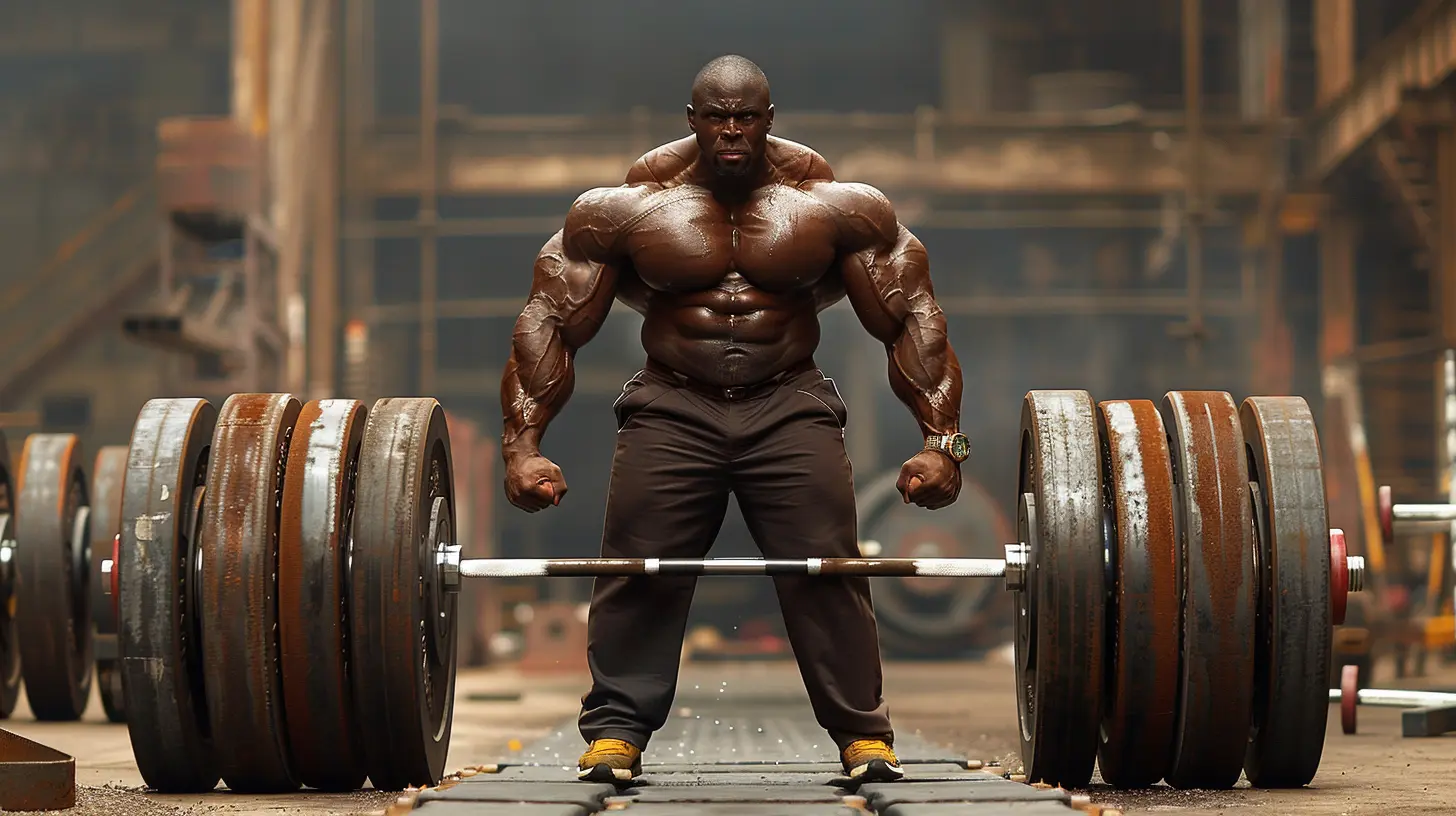
What Exactly Is a Deadlift?
Before we talk about why they rock, let’s clear the air: a deadlift is a compound movement where you lift a weight (usually a barbell) off the ground until you're standing up straight, then lower it back down. It might sound simple, but it’s a full-body workout in one clean motion.Your legs push. Your back supports. Your core stabilizes. Your arms grip. Everything works together like a symphony, making it one of the most effective exercises out there. Seriously, it’s like a Swiss Army knife for fitness.
Why Deadlifts Should Be in Your Workout Routine
1. They Build Real, Functional Strength
Deadlifts don’t just make you stronger in the gym. They help you in real life too. Picking up your kid, moving furniture, lifting boxes—deadlifts train your body for all of it.Unlike machines that isolate muscles, deadlifts teach your body to move as one solid unit. That’s functional strength, and it’s way more useful than bulging biceps that can’t even lift a suitcase.
2. They Torch Calories Like Crazy
Trying to lose weight? Deadlifts are your new best friend. Because you’re engaging multiple muscle groups, your heart rate spikes, metabolism revs up, and you burn more calories—not only during the workout but for hours afterward.It’s kind of like turning your body into a fat-burning furnace. And let’s be honest, who doesn’t want that?
3. They Boost Your Hormones Naturally
Here’s some science for you—deadlifts stimulate the release of powerful hormones like testosterone and human growth hormone (HGH). These guys are key players in muscle building, fat burning, and even improving your mood and focus.No need for gimmicky supplements. Just lift some heavy stuff.
4. Deadlifts Strengthen Your Core (Without Sit-Ups)
Forget crunches. If you really want to build a strong, stable core, you need to deadlift. Every time you pull that bar off the ground, your core muscles kick into overdrive to keep your spine stable.Think of your core like a tree trunk. The stronger it is, the less likely you are to snap (a.k.a. get injured).
Muscle Groups Deadlifts Target
What makes deadlifts a superstar lift is how many muscles they hit at once. It’s like a full-body workout disguised as one move.Here’s a breakdown of the muscles deadlifts light up:
- Glutes – Say hello to a stronger, more defined booty.
- Hamstrings – These often-neglected muscles get a serious wake-up call.
- Quads – Front of your thighs are fully engaged during the lift.
- Core – Your abs and lower back work hard to keep everything locked in.
- Traps and Upper Back – Help keep your posture solid.
- Forearms and Grip – Holding a heavy bar does wonders for grip strength.
In short, deadlifts are a one-stop shop for building full-body strength.
Different Deadlift Variations (So You Never Get Bored)
Deadlifts aren’t one-size-fits-all. There are actually several variations to fit different goals, mobility levels, and preferences. Here are a few you might want to try:Conventional Deadlift
The classic. Feet shoulder-width apart, grip outside your legs. Hits the back and hamstrings hard.Sumo Deadlift
Wider stance, hands inside your knees. Puts more focus on inner thighs and is often easier on the lower back.Romanian Deadlift (RDL)
Keep your legs slightly bent and push your hips back. This one targets your hamstrings and glutes like no other.Trap Bar Deadlift
Lifting inside a hex bar. Great for beginners and easier on the back due to more upright posture.Deficit Deadlift
Standing on a platform increases your range of motion. Advanced move but killer for leg and hip strength.Mixing up these variations keeps training fresh and continues challenging your muscles in new ways.
Deadlifts and Injury Prevention
Here’s the twist. A lot of people shy away from deadlifts because they’re “bad for your back.” But the truth? When done correctly, they actually prevent injuries.Deadlifts strengthen the posterior chain—the group of muscles on the backside of your body that keep you stable, balanced, and injury-resistant.
We’re talking stronger lower back, better hip mobility, improved spine alignment. It’s like building an internal armor around your body.
The key word here is: form. Deadlifts done wrong can absolutely wreck you. But done right? They’ll keep you strong and pain-free for life.
How to Nail Deadlift Form (Without Breaking Your Back)
Let’s walk through the basics real quick. Here’s how you deadlift smart and safe:1. Approach the bar so it's over mid-foot.
2. Bend at the hips and knees to grab the bar with both hands (just outside your legs).
3. Chest up, back flat, eyes looking forward.
4. Brace your core like someone’s about to punch you in the stomach.
5. Drive through your heels and lift—think "push the floor away."
6. Stand tall at the top (don’t lean back).
7. Reverse the movement to lower the bar with control.
Start light. Record yourself or get a coach to check your form. The ego can wait.
And yes—chalk, lifting belts, and proper shoes can really help if you’re going heavy.
How Often Should You Deadlift?
This depends on your goals and experience:- Beginner? Once or twice a week is plenty.
- Intermediate lifter? 2–3 times weekly, mixing variations.
- Recovery? Deadlifts are taxing—give yourself 48 hours rest after heavy sessions.
The big thing is to listen to your body. Fatigue and poor recovery often lead to breakdowns in form.
Remember, consistency beats intensity in the long game.
Common Mistakes to Avoid
Even seasoned lifters mess these up. Don’t let it be you:- Rounded Back – Recipe for disaster. Keep your spine neutral.
- Jerking the Bar – Deadlifts are about controlled power, not speed.
- Hyperextending at the Top – Stand up straight, don’t lean back.
- Skipping Warm-Ups – Gets your muscles ready and prevents injuries.
- Overtraining – More isn’t always better. Form trumps weight.
Fix these, and your lifts (and body) will thank you.
Deadlifts Can Be Mentally Empowering
Okay, this might sound a bit woo-woo, but hear me out…There’s something incredibly empowering about lifting heavy weight off the ground. You’re literally overcoming gravity. It builds mental grit. Every rep is a test—and passing makes you feel like a total beast.
It teaches discipline, patience, and resilience. It puts you face-to-face with your limits...and then dares you to push beyond them.
The deadlift isn’t just physical—it’s personal.
Are Deadlifts for Everyone?
Short answer? Pretty much, yes.Deadlifts are super versatile and adaptable. Anyone—young, old, beginner, advanced—can benefit from doing some type of deadlift.
If you’ve got back problems or mobility issues, no worries. You can start with:
- Dumbbell or kettlebell deadlifts
- Romanian or rack pulls
- Trap bar variations
Talk to a trainer or physical therapist to tailor a version that works for your body.
Wrap-Up: Don’t Skip the Deadlift
Let’s be honest—deadlifts are tough. They take effort, focus, and a dash of humility. But the benefits? Totally worth it.They make you stronger, leaner, better-balanced, and harder to break. They can fix posture, prevent injury, and give you functional power you didn’t know you had.
So next time leg day rolls around, don’t skip the deadlift. Make it your main event.
Your body (and your mirror) will thank you.
all images in this post were generated using AI tools
Category:
Strength TrainingAuthor:

Laura Hudson
Discussion
rate this article
1 comments
Hesper O'Neal
Great insights! Deadlifts truly transform fitness routines.
December 9, 2025 at 3:57 AM
Laura Hudson
Thank you! I'm glad you found the insights valuable—deadlifts really are a game changer for fitness!