The Power of Plant-Based Meals in Promoting Longevity
25 December 2025
Introduction
What if the secret to a longer, healthier life was right on your plate? It's no surprise that what we eat plays a crucial role in our overall well-being. But did you know that plant-based meals could be the key to unlocking longevity?
From reducing the risk of chronic diseases to enhancing energy levels, a plant-based diet is more than just a trend—it's a lifestyle with profound benefits. In this article, we'll dive deep into how plant-based meals can help you live a longer, healthier life. 
Understanding Longevity and Diet
Longevity isn't just about living longer—it's about living better. While genetics do play a role, research suggests that diet and lifestyle choices have a far greater impact on how long and how well we live.Many of the world’s longest-living populations, such as those in the Blue Zones (Okinawa, Sardinia, and Loma Linda), follow plant-forward diets. Their secret? A nutrient-dense, minimally processed diet rich in whole plant foods.
But how exactly do plant-based meals contribute to longevity? Let’s break it down. 
The Science Behind Plant-Based Diets and Longevity
1. Rich in Antioxidants and Phytochemicals
Plant-based foods are packed with antioxidants and phytochemicals—natural compounds that protect cells from damage caused by oxidative stress. When our cells stay healthy, they function better, repair faster, and slow down the aging process.Fruits, vegetables, nuts, and seeds are loaded with these plant compounds, helping to reduce inflammation and lower the risk of chronic diseases like heart disease and cancer.
2. Supports Heart Health
Heart disease is one of the leading causes of death worldwide, but a plant-based diet can significantly lower the risk. Research shows that plant-based diets reduce LDL (bad) cholesterol, regulate blood pressure, and improve overall heart function.Fiber-rich foods like oats, legumes, and leafy greens help to keep arteries clear and blood circulation strong, reducing the strain on the heart.
3. Promotes a Healthy Gut Microbiome
Did you know your gut health directly impacts lifespan? A thriving gut microbiome—rich in beneficial bacteria—supports digestion, strengthens immunity, and even affects mental health.Plant-based diets provide prebiotic fiber, which feeds good gut bacteria and helps maintain a balanced microbiome. This, in turn, reduces inflammation and enhances overall health.
4. Lowers the Risk of Chronic Diseases
A diet centered around whole plant foods helps prevent chronic illnesses such as:- Diabetes – Studies show that plant-based diets improve insulin sensitivity and reduce the risk of type 2 diabetes.
- Cancer – The antioxidants and fiber in plant foods play a role in cancer prevention by reducing oxidative damage and promoting healthy cell function.
- Neurodegenerative Diseases – Nutrient-dense plant foods support brain health, reducing the risk of cognitive decline and diseases like Alzheimer’s.
5. Maintains a Healthy Weight
Excess weight is associated with a range of health issues that can shorten lifespan. Plant-based meals are generally lower in calories yet high in fiber, promoting fullness and preventing overeating.Unlike highly processed foods, whole plant foods provide sustained energy, making it easier to maintain a healthy weight without restrictive dieting. 
Key Components of a Longevity-Boosting Plant-Based Diet
Eating plant-based isn’t just about cutting out meat—it’s about focusing on nutrient-dense, whole foods that nourish the body. Here are some key components:1. Leafy Greens and Colorful Vegetables
Think kale, spinach, broccoli, carrots, and bell peppers. These are packed with vitamins, minerals, and disease-fighting antioxidants.2. Whole Grains
Quinoa, brown rice, oats, and whole wheat provide essential fiber and slow-digesting carbohydrates that support energy and gut health.3. Legumes and Beans
Lentils, chickpeas, black beans, and peas are excellent sources of plant-based protein, fiber, and essential nutrients like iron and magnesium.4. Nuts and Seeds
Almonds, walnuts, flaxseeds, and chia seeds provide healthy fats, protein, and anti-inflammatory properties that promote heart and brain health.5. Fruits
Berries, citrus fruits, apples, and bananas are rich in vitamins and antioxidants that support immune function and skin health.6. Healthy Fats
Avocados, olive oil, and coconut provide essential fatty acids that enhance brain function and reduce inflammation.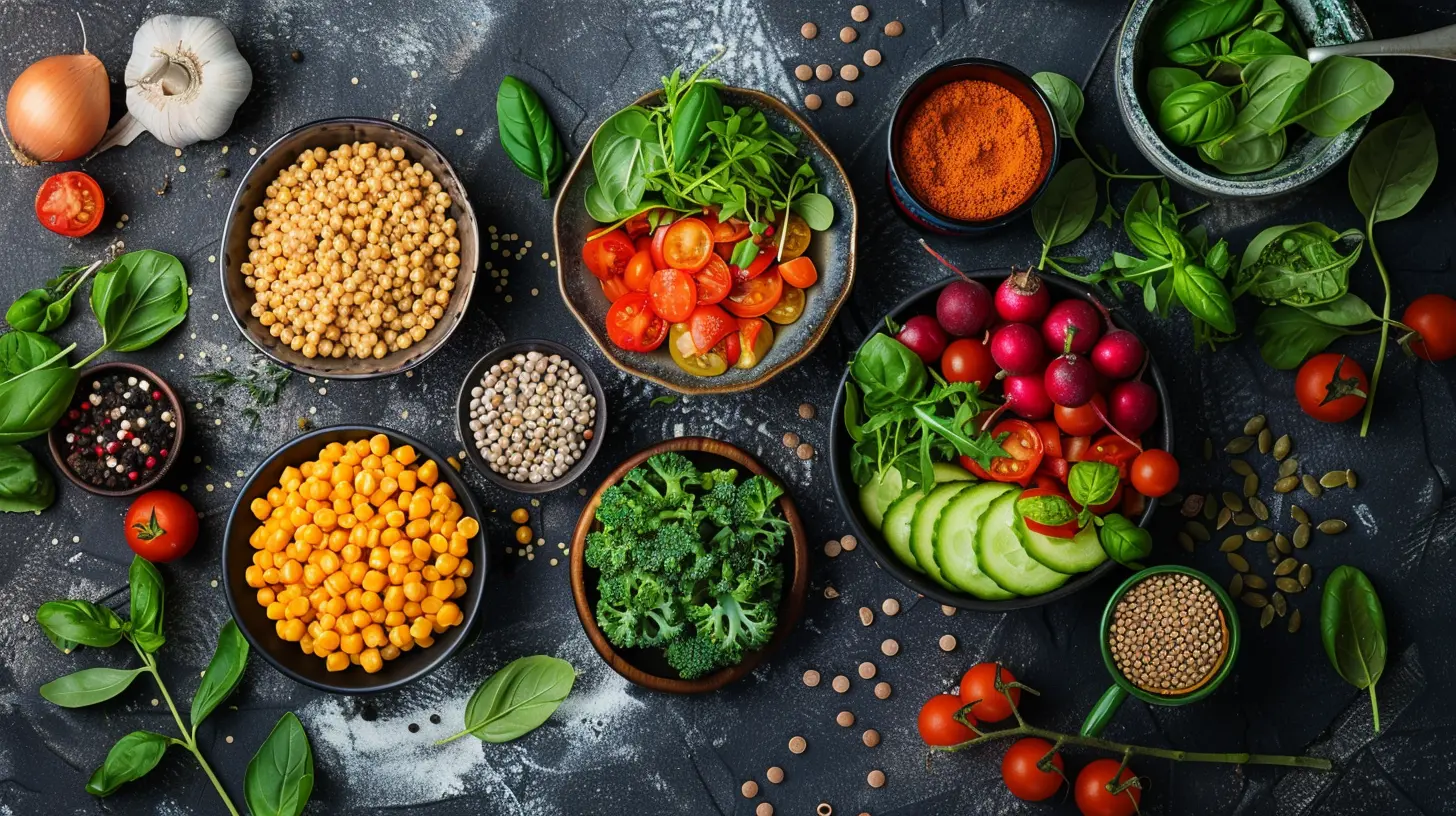
Tips for Transitioning to a Plant-Based Diet
Thinking about adopting a plant-based diet for longevity? Here are some simple ways to make the transition easier:1. Start Small
You don’t have to go fully plant-based overnight. Begin by incorporating more plant-based meals into your week and gradually increase the frequency.2. Focus on Whole Foods
Avoid processed vegan alternatives that may contain added sugars and unhealthy fats. Stick to whole, natural ingredients whenever possible.3. Experiment with Plant-Based Proteins
Try tofu, tempeh, lentils, and chickpeas to ensure you’re getting enough protein. Experiment with different recipes to keep things exciting.4. Plan Your Meals
Meal planning can help you stay on track and prevent the temptation of unhealthy convenience foods. Batch cooking plant-based meals can make things easier.5. Listen to Your Body
Everyone’s nutritional needs are different. Pay attention to how your body feels, and make adjustments to ensure you’re getting enough essential nutrients.Common Myths About Plant-Based Diets
Despite the overwhelming benefits, there are still misconceptions about plant-based eating. Let’s debunk some of the most common myths:“You Can’t Get Enough Protein”
Plant-based diets can provide all the protein you need! Foods like lentils, quinoa, tofu, and nuts are packed with protein and essential amino acids.“Plant-Based Diets Are Boring”
On the contrary! A plant-based diet introduces a variety of flavors, textures, and cuisines. From hearty Buddha bowls to flavorful curries, the options are endless.“It’s Expensive to Eat Plant-Based”
Plant-based eating can actually be more budget-friendly! Staples like beans, rice, and seasonal vegetables are often cheaper than meat and processed foods.Conclusion
The power of plant-based meals in promoting longevity is undeniable. By filling your plate with nutrient-dense, plant-based foods, you can support your heart, gut, and overall health while reducing the risk of chronic diseases.It's not about restricting yourself—it’s about nourishing your body with foods that fuel a long, vibrant life. So why not give it a try? Your future self will thank you.
all images in this post were generated using AI tools
Category:
Healthy LifestyleAuthor:

Laura Hudson
Discussion
rate this article
2 comments
Eli Schultz
Embracing plant-based meals not only nourishes the body but also fosters a deeper connection with nature. A mindful approach to eating can enhance longevity and overall well-being. Choose wisely!
January 9, 2026 at 6:08 AM
Laura Hudson
Thank you for your insightful comment! Embracing plant-based meals truly enriches our health and our relationship with nature. Choose wisely and thrive!
Veronica Ross
“Eating plant-based meals for longevity? Finally, a reason to justify my obsession with kale! Who knew I could live longer while pretending my salad is a gourmet feast? Here’s to adding years to my life… one avocado toast at a time! 🥑😄”
December 27, 2025 at 5:46 AM
Laura Hudson
Absolutely! Embracing plant-based meals not only makes your plate vibrant but also enhances your health and longevity. Cheers to those gourmet salads and avocado toasts! 🥗✨