The Role of Antioxidants in Slowing Down Cellular Aging
29 July 2026
Aging is a natural part of life. But have you ever wondered why some people seem to age slower than others? The secret might lie in something as simple yet powerful as antioxidants. These tiny compounds play a massive role in protecting our cells from damage, keeping us feeling and looking younger for longer.
Let’s dive into the fascinating world of antioxidants and discover how they help slow down cellular aging.
What Are Antioxidants?
Think of antioxidants as your body’s defense squad. They fight against harmful molecules called free radicals, which are unstable and can wreak havoc on your cells.Free radicals are produced naturally during processes like metabolism, but they can also come from external sources like pollution, stress, and unhealthy food. When these unstable molecules build up, they contribute to oxidative stress, a key factor in aging and many chronic diseases.
Antioxidants step in to neutralize free radicals, preventing them from causing damage. That’s why they’re essential for maintaining healthy cells and slowing down the aging process.
The Connection Between Free Radicals and Aging
Aging is more than just wrinkles and gray hair—it happens at a cellular level. Over time, free radical damage accumulates, causing cells to deteriorate. This leads to:- Skin aging – Wrinkles, fine lines, and loss of elasticity.
- Memory decline – Affected brain cells can contribute to cognitive decline.
- Weakened immune system – Free radical damage can make the body more vulnerable to illness.
- Chronic diseases – Conditions like heart disease, diabetes, and cancer have been linked to oxidative stress.
The good news? Antioxidants help combat this damage, giving your cells a fighting chance at staying healthy.
How Antioxidants Slow Down Cellular Aging
Now that we know free radicals play a major role in aging, it’s time to understand how antioxidants help keep them in check. Here are some of the ways antioxidants slow down cellular aging:1. Protecting Cells from Oxidative Stress
Antioxidants act as a shield, blocking free radicals before they cause harm. This slows down the breakdown of cells and keeps tissues healthy for longer.2. Boosting Collagen Production
Collagen is the protein responsible for keeping your skin firm and youthful. Unfortunately, free radicals can break it down, causing sagging and wrinkles. Antioxidants like vitamin C help stimulate collagen production, keeping skin smooth and resilient.3. Supporting Brain Health
Oxidative stress can speed up cognitive decline, leading to memory loss and neurodegenerative diseases like Alzheimer’s. Antioxidants such as flavonoids and polyphenols, found in berries and dark chocolate, protect brain cells and may even improve memory.4. Reducing Inflammation
Chronic inflammation is a major driver of aging and disease. Certain antioxidants, like curcumin (found in turmeric) and resveratrol (found in red wine), have powerful anti-inflammatory properties that help keep your body in balance.5. Enhancing DNA Repair
Damage to DNA accelerates aging, but antioxidants assist in repairing and maintaining DNA integrity. This means your cells function better for longer!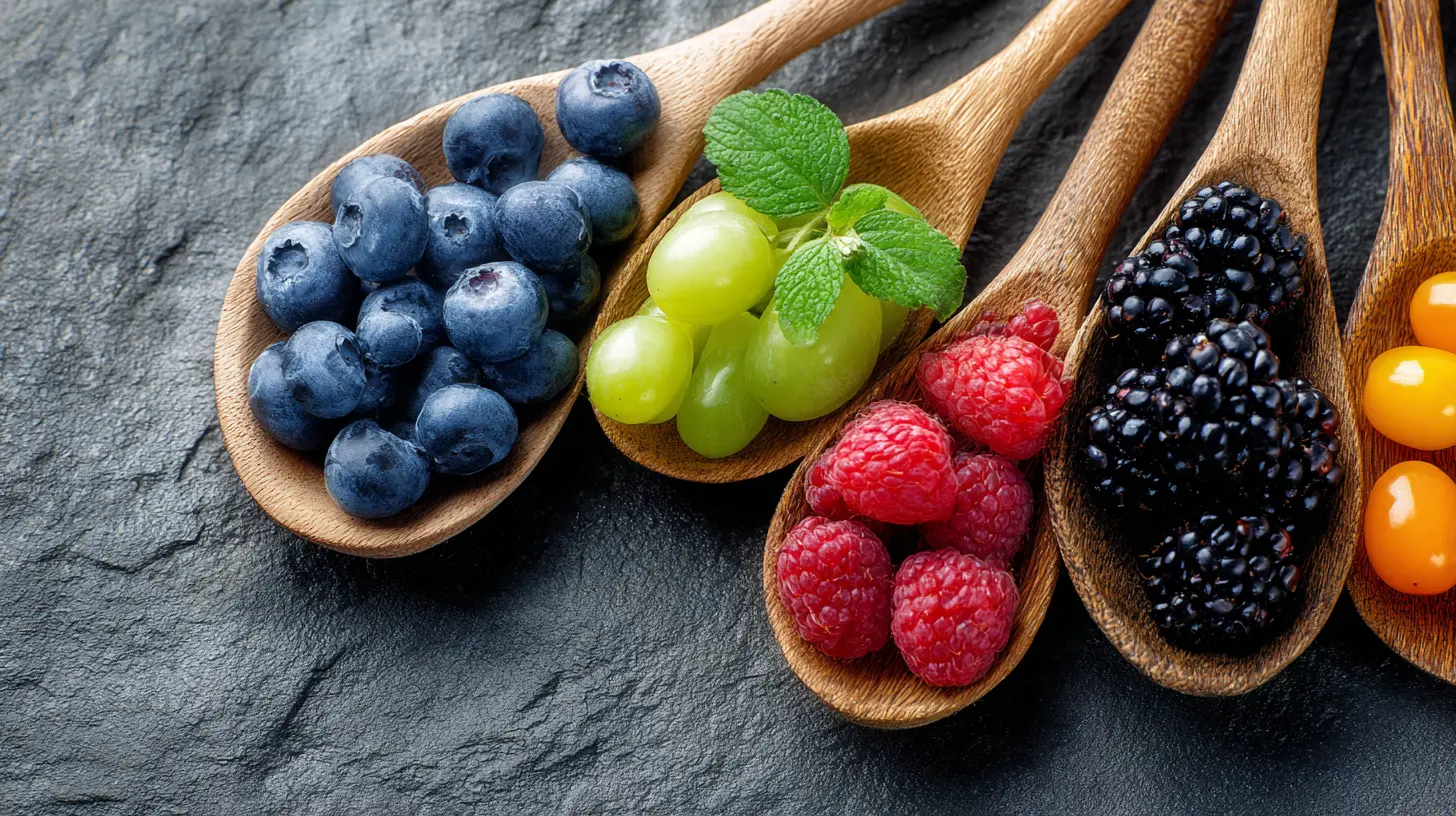
Best Sources of Antioxidants
If you want to increase your antioxidant intake, nature has provided plenty of delicious options. Here are some of the best antioxidant-rich foods:1. Fruits
- Berries (blueberries, strawberries, raspberries) – Packed with flavonoids and vitamin C.- Pomegranates – Rich in polyphenols that help fight oxidative damage.
- Oranges and citrus fruits – Loaded with vitamin C, an essential skin-protecting antioxidant.
2. Vegetables
- Spinach and kale – High in lutein and beta-carotene, which promote eye and skin health.- Broccoli – Contains sulforaphane, a powerful compound that supports detoxification.
- Carrots – Rich in beta-carotene, which converts to vitamin A for skin repair.
3. Nuts and Seeds
- Almonds and walnuts – Full of vitamin E, which protects cell membranes.- Chia seeds and flaxseeds – Loaded with omega-3 fatty acids that reduce inflammation.
4. Beverages
- Green tea – Contains catechins, which combat oxidative stress and boost metabolism.- Red wine (in moderation) – Rich in resveratrol, known for its anti-aging effects.
5. Herbs and Spices
- Turmeric – Contains curcumin, a potent anti-inflammatory compound.- Cinnamon – Helps regulate blood sugar and fights oxidative stress.
Lifestyle Tips to Maximize Antioxidant Benefits
Eating antioxidant-rich foods is just one piece of the puzzle. To fully reap the benefits, try incorporating these lifestyle habits:1. Eat a Colorful Diet
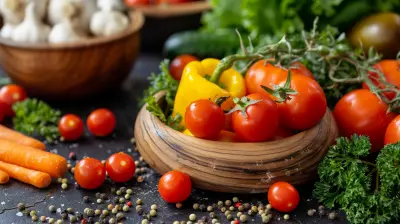
The more colors on your plate, the wider variety of antioxidants you’ll consume. Think of it as fueling your body with nature’s best defense system.2. Reduce Processed Foods and Sugar
Processed foods often lack nutrients and can increase oxidative stress. Opt for whole, natural foods instead.3. Stay Hydrated
Water helps flush out toxins and supports overall cellular health. Herbal teas and infused water are great alternatives to plain water.4. Exercise Regularly
Moderate exercise enhances antioxidant activity and improves circulation, helping your body function at its best.5. Get Enough Sleep
Your body repairs and regenerates during sleep. Aim for 7-9 hours of quality sleep each night.6. Manage Stress
Chronic stress can increase free radical production. Practice mindfulness, meditation, or deep breathing exercises to keep stress levels in check.
Should You Take Antioxidant Supplements?
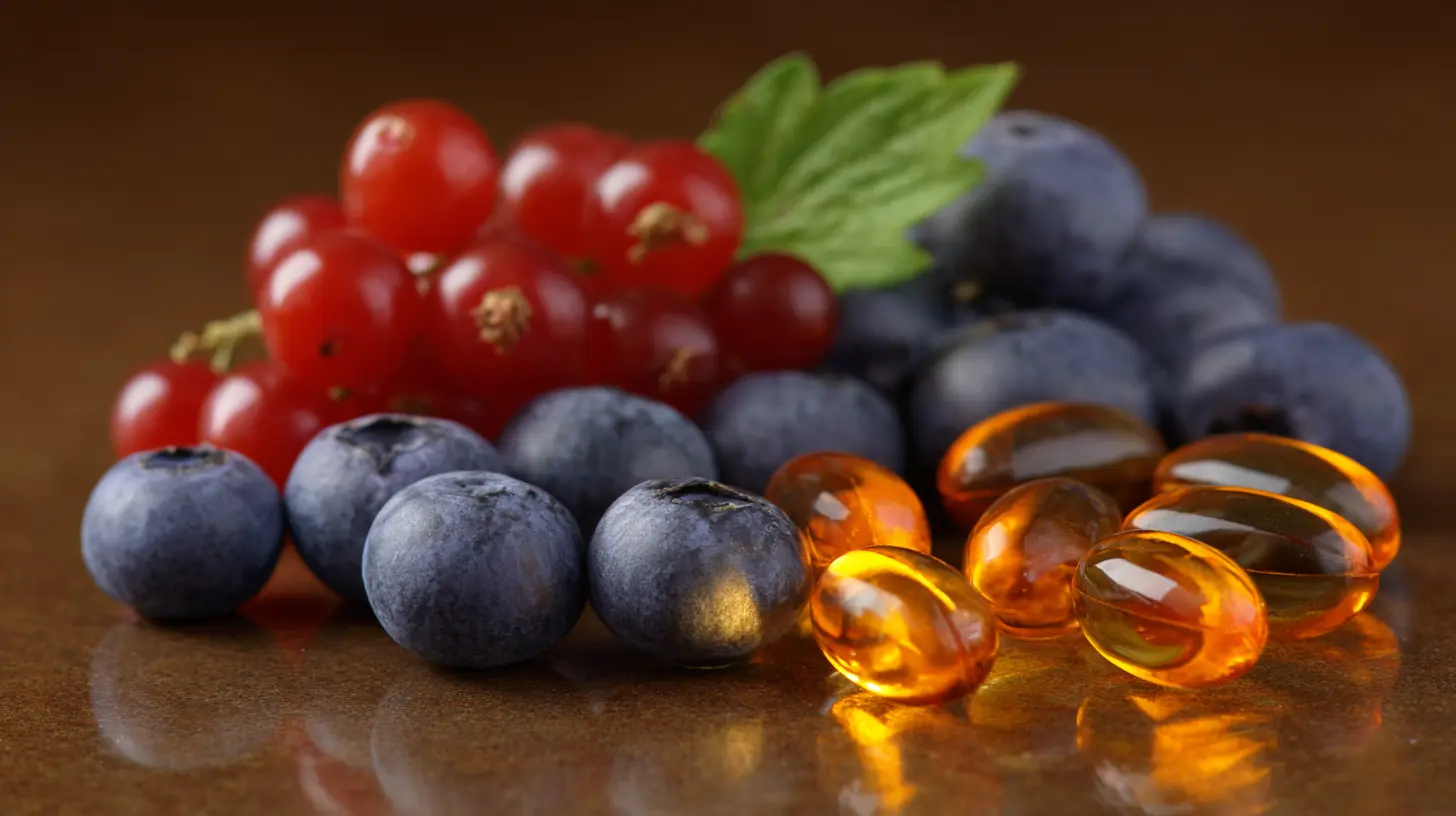
While antioxidant supplements are available, natural sources are always the best choice. Whole foods contain a mix of antioxidants and other nutrients that work together for maximum benefits.However, if you struggle to get enough from your diet, certain supplements like vitamin C, vitamin E, and coenzyme Q10 might help. Always consult with a healthcare professional before adding supplements to your routine.
Final Thoughts
Aging is inevitable, but how fast we age is something we can influence. By adopting an antioxidant-rich diet and a healthy lifestyle, you’re giving your cells the best chance to fight free radical damage and stay youthful.So, next time you're reaching for a snack, consider swapping processed foods for a handful of berries or a handful of nuts. Your future self will thank you for it!
all images in this post were generated using AI tools
Category:
Anti AgingAuthor:

Laura Hudson