The Role of Hydration in Maintaining Youthful Skin
29 June 2026
Ever noticed how your skin looks a little lackluster when you’ve skimped on drinking water? It’s like your body’s alarm bells ringing softly, reminding you that hydration is key. And guess what? It’s not just about quenching your thirst—hydration plays a starring role in maintaining that youthful, glowing skin we all dream of. If you're wondering how water impacts your skin and why you should grab that water bottle like your life depends on it—stick around. Let’s dive deep (pun intended) into the role of hydration in keeping your skin healthy, vibrant, and aging like fine wine.
Why Hydration Matters for Your Skin
Alright, let’s start with the basics. Your skin is the largest organ in your body. Yep, bigger than your lungs, bigger than your liver—it’s like the giant protective shield you didn’t know you had. And just like any other organ, your skin needs water to function properly. Think of it like a plant: if you don’t water it regularly, it starts to wilt, lose its color, and look lifeless.Hydration helps your skin:
- Maintain elasticity (meaning fewer wrinkles).
- Balance oil production (less acne chaos).
- Improve cell regeneration (goodbye, dull skin).
- Boost its natural barrier to protect against environmental damage (looking at you, pollution).
Sounds like a superhero, right? Well, water is the sidekick. Without it, your skin simply can't perform at its best.
The Science Behind Hydrated Skin
Let’s geek out for a second, shall we? Your skin is made up of three main layers: the epidermis (outer layer), the dermis (middle layer), and the hypodermis (deep layer). The epidermis relies on water to stay plump and smooth. When you’re dehydrated, this layer can start to dry out, leading to flakiness, tightness, and fine lines that seem to appear out of nowhere.What’s even cooler? The skin cells in the dermis are like little sponges, storing water and distributing it where it’s needed. When you drink water, it gets absorbed into your bloodstream, and some of it gets delivered to your skin cells via the dermis layer. So, when you wonder if drinking water actually impacts your skin—the answer is a resounding YES.
On the other hand, if you’re constantly dehydrated (hello, coffee lovers), your body prioritizes sending water to your vital organs first. Unfortunately, your skin gets left out, leading to dry, saggy, and prematurely aged skin. And no one wants that.
Signs Your Skin is Dehydrated
How do you know if your skin is crying out for a tall glass of water? Here are some telltale signs:- Dullness: You’re missing that healthy glow.
- Tightness: Your skin feels like it’s about to crack.
- Flakiness: It’s peeling, especially around your nose or forehead.
- Fine lines: Wrinkles show up more prominently than usual.
- Inflammation or redness: Your skin might look angry and irritated.
Think of dehydrated skin as a “thirsty” plant—it’s dry and brittle, whereas hydrated skin is like a lush, green garden. Your goal? Be the garden.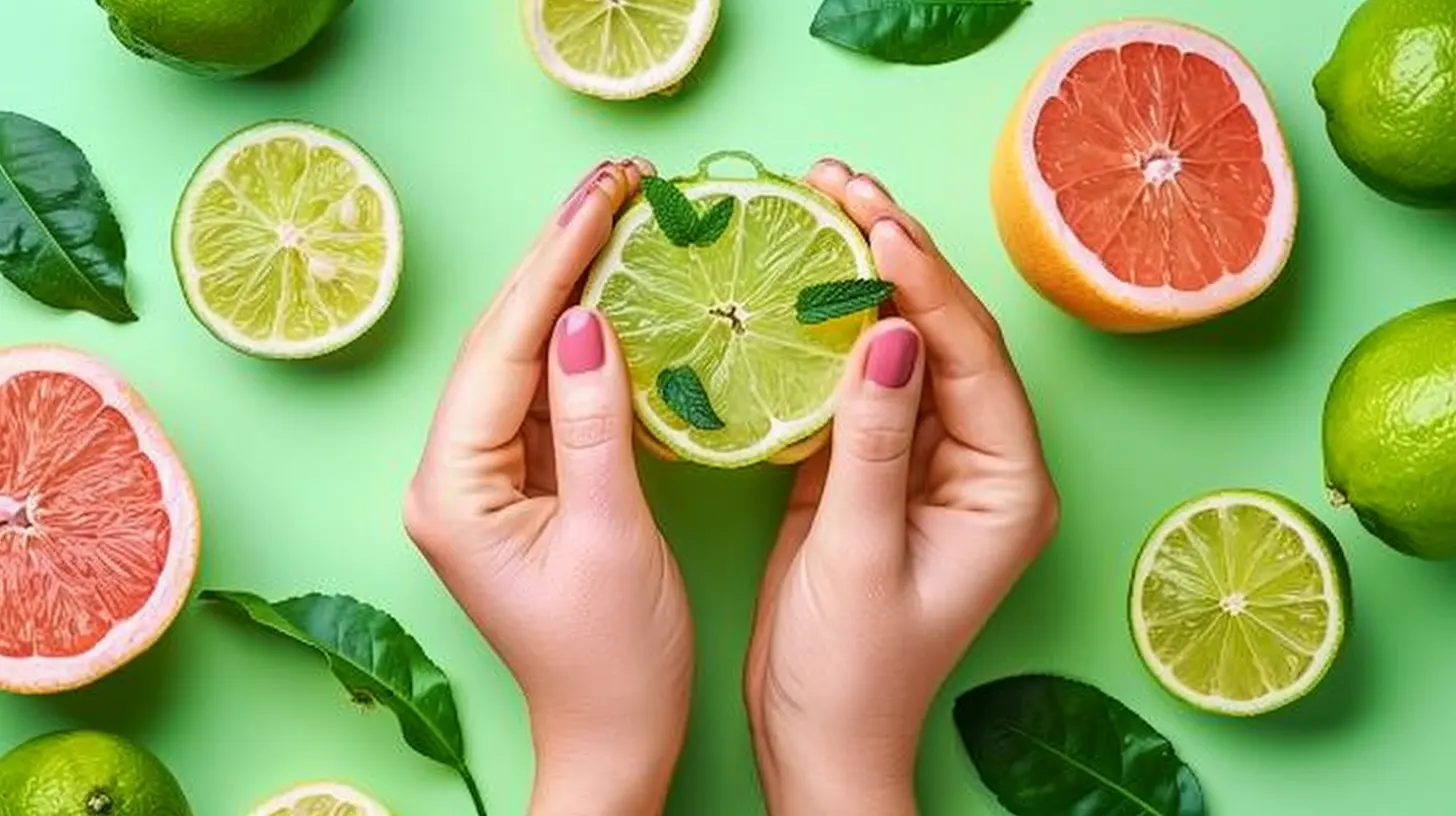
How Hydration Impacts Skin Aging
Let’s talk about the elephant in the room: aging. We all age—it’s a fact of life. But we can do it gracefully with the right habits, and hydration is a biggie.When your skin is hydrated, it’s plump. And when it’s plump, fine lines and wrinkles aren’t as noticeable. Water also helps maintain collagen production—a protein that keeps your skin firm and bouncy. As we age, our natural collagen levels start to deplete (cue the sad music), but staying hydrated can help slow this process down.
Think of collagen like the springs in a mattress. When the springs are intact, the mattress is firm and smooth. But when the springs are worn out, the mattress sags—and your skin does too. Water? It’s like the oil that keeps those springs working for longer.
Can You Hydrate Your Skin Without Drinking Water?
This is a question I get ALL the time. And the answer is: Yes and no. While drinking water is crucial, you can pair it with external hydration to double up on the benefits.Here’s how:
1. Moisturizers
A good moisturizer acts as a barrier, locking in the water your skin already has. Look for products with humectants like hyaluronic acid or glycerin—they’re like magnets for moisture.2. Serums
Hydrating serums can give your skin an instant burst of water (perfect for those rough, dry patches).3. Face Masks
A hydrating face mask is like a spa day for your skin. It delivers intense moisture directly to the surface.4. Humidifiers
Use a humidifier, especially during winter months or in air-conditioned spaces. It adds moisture to the air, preventing your skin from drying out.But remember: external hydration is only part of the equation. You can't moisturize your way out of dehydrated skin if you’re not drinking enough water.
Foods and Drinks That Hydrate Your Skin
Here’s a fun fact: About 20% of our water intake comes from the food we eat. So, if plain water isn’t your thing, load up on these hydrating foods:- Cucumbers (95% water—basically edible water bottles).
- Watermelon (it’s called WATERmelon for a reason).
- Oranges and citrus fruits (hydrating + vitamin C for extra glow).
- Tomatoes (adds water AND lycopene, a great antioxidant).
- Leafy greens (spinach and kale are like skin’s best friends).
Drinks like coconut water, herbal teas, and infused water can also make staying hydrated less of a chore.
Tips for Staying Consistently Hydrated
Let’s face it—drinking water all day can feel, well, boring. But with a little creativity, you can turn it into an effortless habit.- Invest in a good water bottle. One you actually enjoy carrying around. Bonus points if it keeps your water cold.
- Set reminders. Use an app, alarm, or sticky note—whatever works for you.
- Infuse your water. Toss in some lemon, cucumber, or mint for a flavor boost.
- Drink water with every meal. It’s an easy way to get three extra glasses in without trying.
- Snack on hydrating foods. Keep fruits and veggies on hand for munchies.
And remember, consistency is what counts. It’s better to drink water regularly throughout the day than to chug three glasses at once and call it good.
Myths About Hydration and Skin
Before we wrap this up, let’s debunk a few common myths:- "Drinking water instantly clears acne." While hydration helps manage oil production, it’s not a magic acne cure. Combine it with a solid skincare routine for best results.
- "You only need 8 glasses a day." The “8x8 rule” is a good starting point, but your needs might vary depending on your activity levels, climate, and body size.
- "Coffee and tea dehydrate you." Not true! While they are mildly diuretic, they still contribute to your overall water intake.
Final Thoughts
So, there you have it—hydration is the unsung hero of youthful, healthy skin. It’s simple, affordable, and something you can start doing right now. Sure, serums and skincare products are great, but they can’t replace the foundational role of water. Think of hydration as the baseline of your skincare routine; everything else builds on top of it.Your skin is like a mirror, reflecting what’s going on internally. So, if you’re not drinking enough water, it’s going to show. The good news? It’s never too late to turn things around. Start small—grab your favorite water bottle, sip throughout the day, and watch as your skin transforms from dull to dazzling. Hydration really is the fountain of youth—you just have to drink from it!
all images in this post were generated using AI tools
Category:
Anti AgingAuthor:

Laura Hudson
Discussion
rate this article
1 comments
Faelith Lambert
Drinking water for youthful skin? Great, now I need a bigger water bottle!
June 30, 2026 at 3:16 AM
Laura Hudson
A bigger water bottle sounds like a fun plan! Staying hydrated can really make a difference for your skin. Cheers to that!