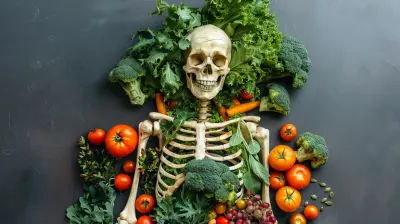
The Role of Soy in a Vegan Diet: Myths and Facts
8 December 2025
Introduction
Soy has been a staple in many diets worldwide, but when it comes to a vegan lifestyle, it often takes center stage. Some people swear by it, while others fear its supposed health risks. So, what's the real deal? Should you embrace soy as a plant-based powerhouse, or steer clear of it entirely?
In this article, we’ll break down the myths and facts surrounding soy, so you can decide whether it deserves a place in your vegan diet. 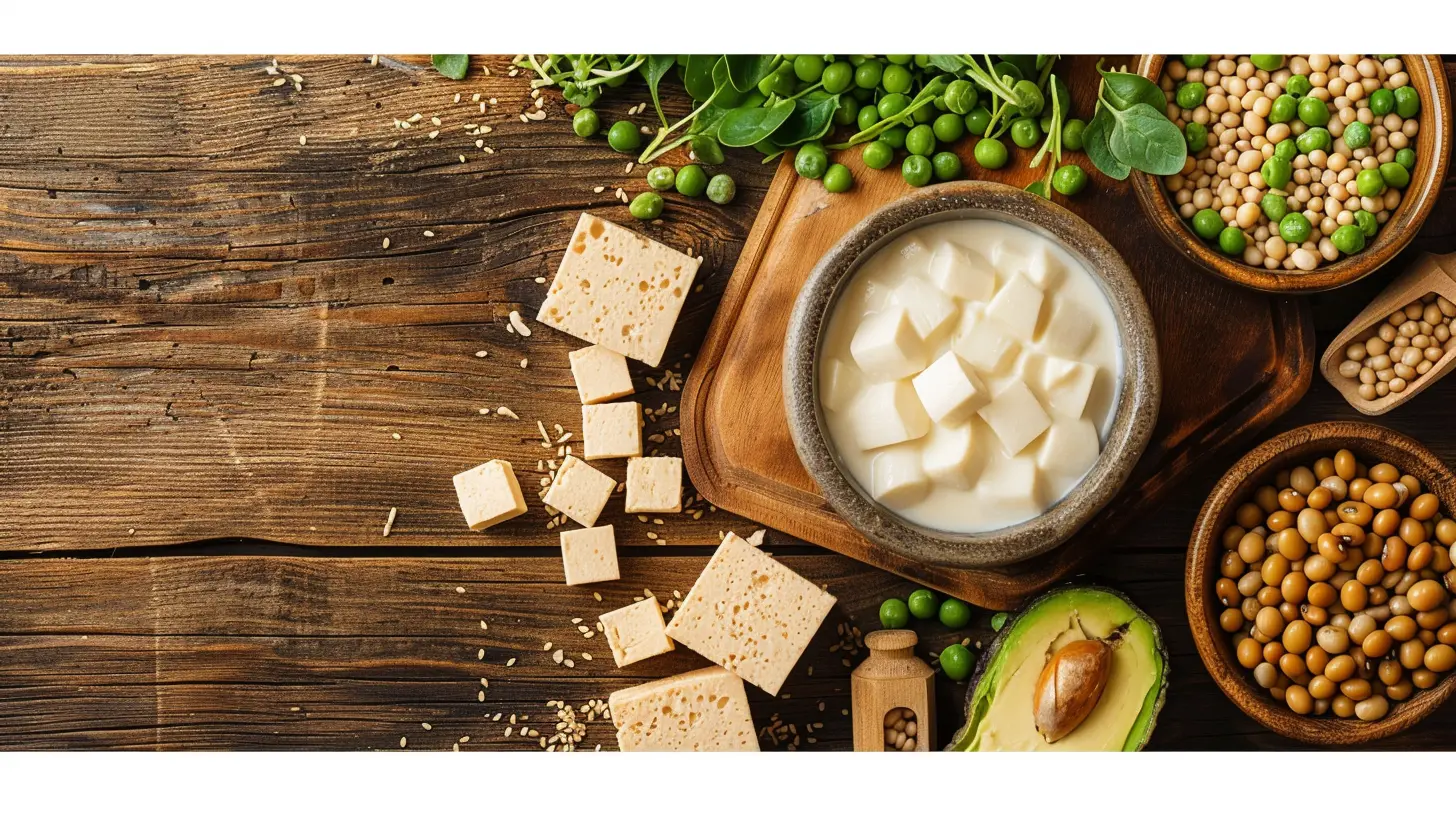
What Is Soy?
Soy comes from soybeans, a legume native to East Asia. It’s used in a wide variety of foods, from tofu and tempeh to soy milk and edamame. Packed with protein, fiber, and essential nutrients, soy is a go-to ingredient for many vegans looking for a complete protein source.But with all the conflicting opinions out there, it’s important to separate fact from fiction. 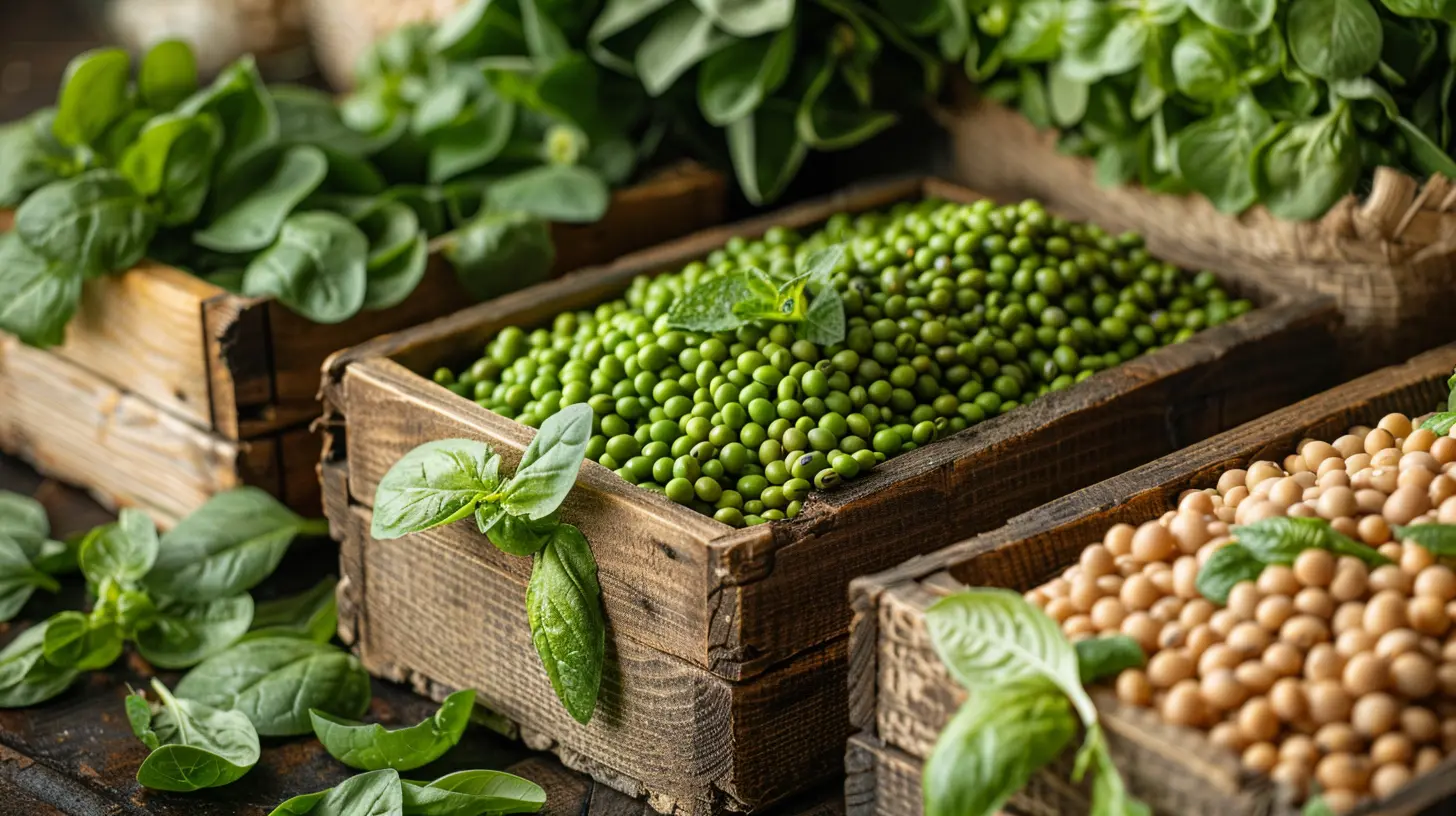
Myth #1: Soy Is Bad for Hormones
One of the biggest concerns about soy is its effect on hormones, especially estrogen. Soy contains phytoestrogens, plant compounds that can mimic estrogen in the body. This has led to fears that eating soy might disrupt hormone levels, particularly in men.Fact: Soy Doesn't Negatively Impact Hormones
The truth? Phytoestrogens are much weaker than human estrogen, and research shows that moderate soy consumption does not cause hormonal imbalances in men or women. In fact, studies suggest that soy might even help balance hormone levels, particularly in postmenopausal women by providing a mild estrogenic effect that can ease symptoms like hot flashes.For men worried about testosterone levels, multiple studies have found that soy does not decrease testosterone or lead to feminizing effects. You’d have to consume unrealistically high amounts of soy for any noticeable impact. 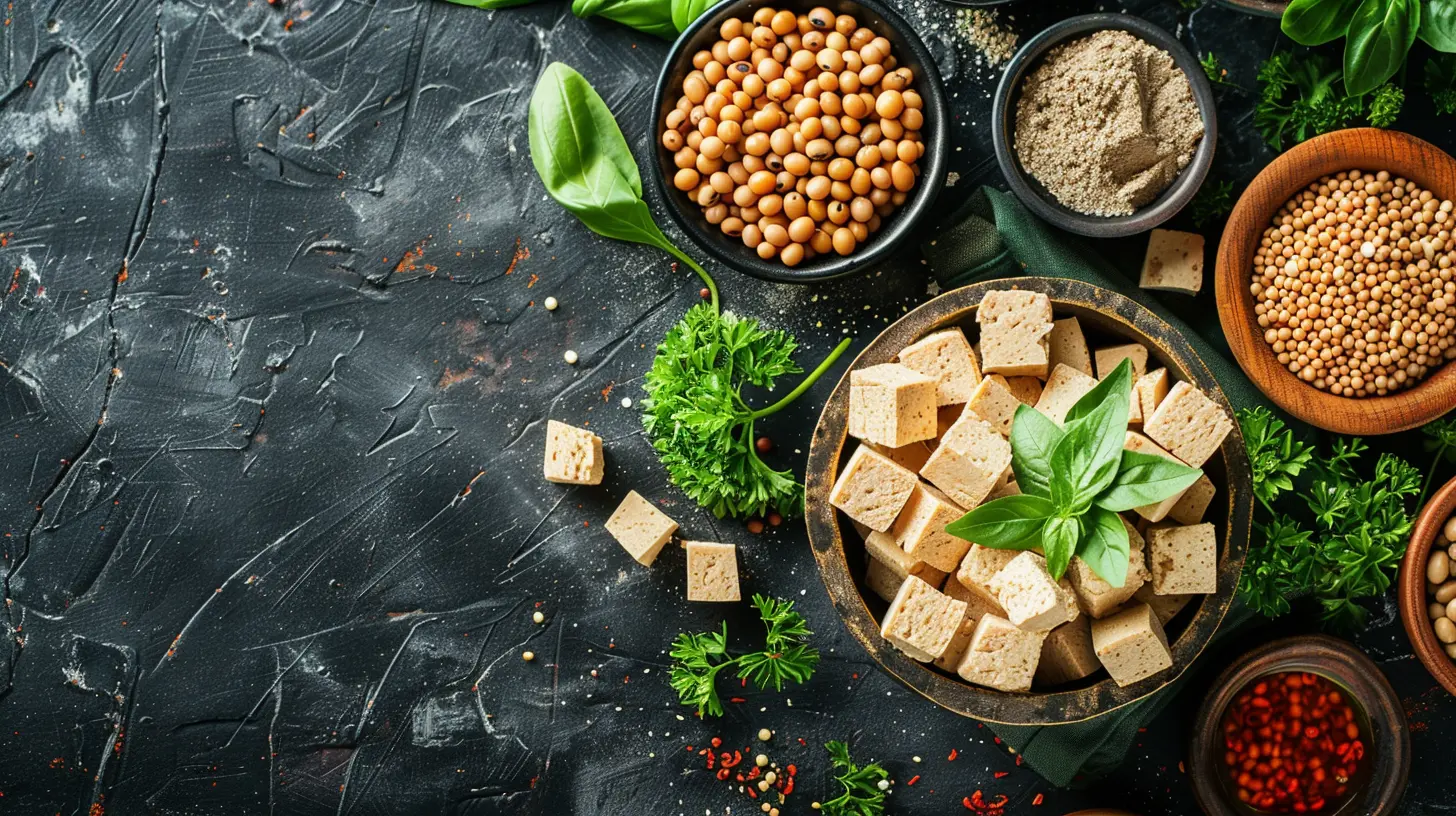
Myth #2: Soy Causes Cancer
This myth stems from the fact that estrogen can fuel certain cancers, particularly breast cancer. Since soy contains phytoestrogens, some believe it might increase the risk of developing cancer.Fact: Soy Might Actually Protect Against Certain Cancers
Numerous studies have debunked this myth. Research suggests that soy consumption is not linked to an increased risk of breast cancer. In fact, in Asian countries where soy consumption is higher, breast cancer rates tend to be lower. Scientists believe that the isoflavones in soy may actually have a protective effect by blocking stronger human estrogen from binding to cells.Furthermore, soy has been associated with a reduced risk of prostate cancer in men. The key takeaway? Moderate soy consumption is not only safe but might actually help protect against certain cancers. 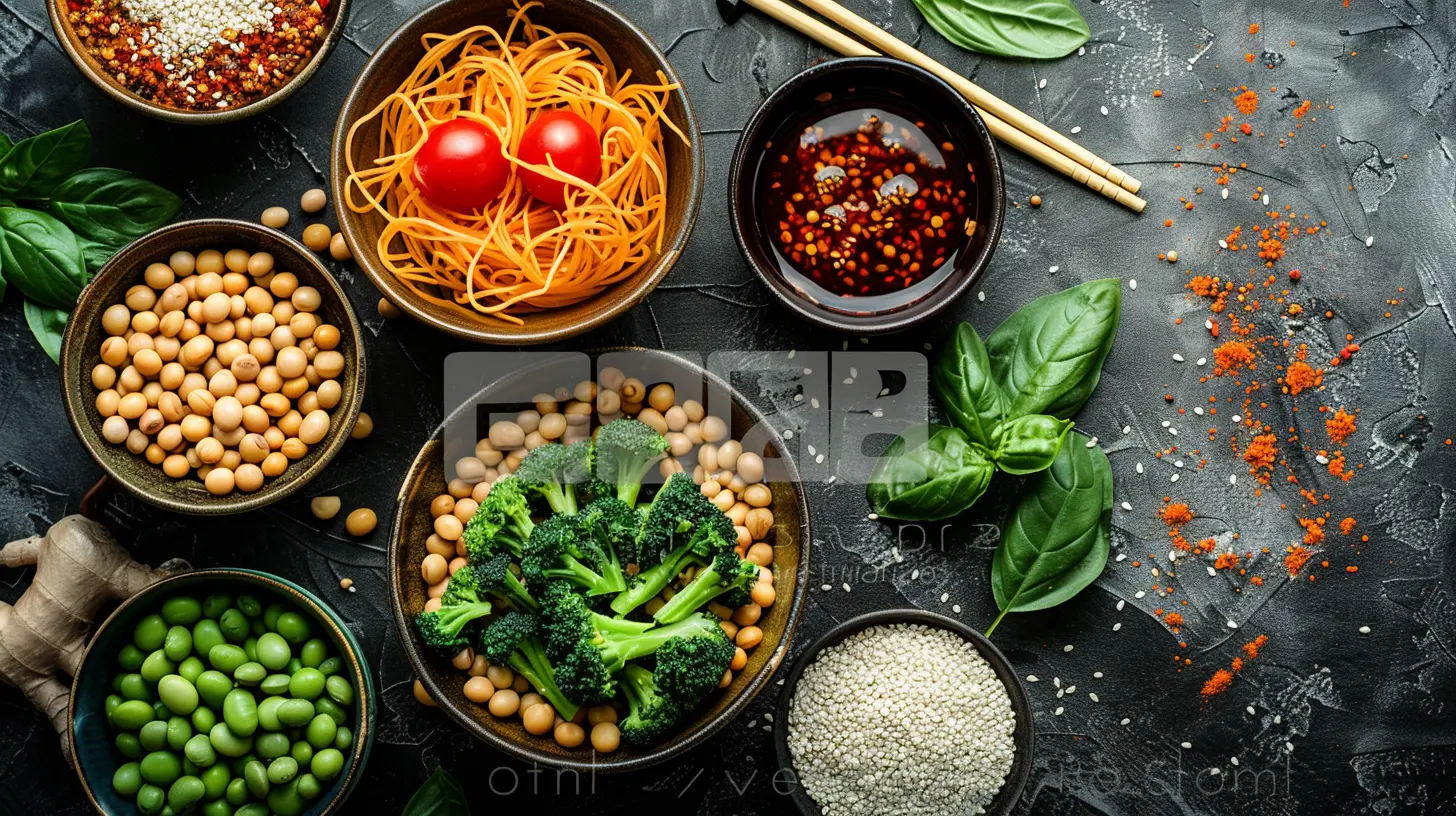
Myth #3: Soy Is Highly Processed and Unhealthy
Some critics argue that soy is always ultra-processed and unhealthy. They point to products like soy protein isolates found in fake meats and protein powders.Fact: Whole Soy Foods Are Nutritious and Healthy
Not all soy is created equal. Just like with any food, whole and minimally processed soy products are the healthiest choices. Think tofu, tempeh, miso, natto, and edamame. These foods are packed with protein, fiber, and essential vitamins like calcium, iron, and B vitamins.On the flip side, highly processed soy products, like soy protein isolates and soy-based junk foods, are often stripped of nutrients and loaded with additives. The same goes for any processed food—moderation is key!
If you’re consuming soy as part of a well-balanced diet and choosing whole soy sources, there’s nothing to worry about.
Myth #4: Soy Is Bad for Thyroid Health
Some people claim that soy interferes with thyroid function, leading to hypothyroidism. This concern comes from research suggesting that soy can inhibit iodine absorption.Fact: Soy Only Affects Thyroid Function if Iodine Intake Is Low
Here's the thing—iodine is an essential mineral for thyroid health, and soy does contain goitrogens, compounds that can slightly interfere with iodine absorption. However, this is only an issue if you're not getting enough iodine in your diet.For most people, consuming soy in normal amounts will not cause thyroid problems, especially if they eat iodine-rich foods like seaweed, iodized salt, and fortified plant-based foods. If you have a diagnosed thyroid condition, speak with your doctor about your soy intake, but for the average vegan, soy won’t pose a threat.
The Benefits of Including Soy in a Vegan Diet
Now that we've busted the biggest myths about soy, let’s highlight why it can be a great addition to your vegan diet.1. A Complete Protein Source
Soy is one of the few plant-based complete proteins, meaning it contains all nine essential amino acids that your body needs. This makes it a fantastic protein source, especially for vegans looking to maintain muscle mass and overall health.2. Promotes Heart Health
Studies show that soy protein can help lower bad LDL cholesterol levels, reducing the risk of heart disease. The combination of fiber, healthy fats, and plant compounds in soy makes it a heart-friendly food.3. Supports Bone Health
Soy is rich in calcium, magnesium, and other bone-supporting nutrients, making it great for long-term bone health. Some soy products like tofu and soy milk are even fortified with extra calcium, making them excellent dairy alternatives.4. May Reduce Menopausal Symptoms
For menopausal women, soy can be helpful in managing symptoms like hot flashes due to its mild estrogen-like effects. It’s not a magic cure, but it can provide some relief for those experiencing hormonal shifts.5. Can Help with Weight Management
Because soy is high in protein and fiber, it helps keep you fuller for longer. This can be beneficial for weight management by reducing cravings and unnecessary snacking.How to Include Soy in Your Diet
If you’re ready to add more soy to your meals, here are some easy and delicious ways to do it:- Tofu: Perfect for stir-fries, scrambles, or even blending into smoothies for extra protein.
- Tempeh: A fermented soy product with a nutty taste, great for grilling or adding to salads.
- Edamame: Young soybeans that are a great snack or salad topping.
- Soy Milk: A fantastic plant-based milk alternative, great for coffee, cereal, or smoothies.
- Miso: A fermented soybean paste that adds depth to soups and sauces.
- Natto: A traditional Japanese dish rich in probiotics, great for gut health (though its strong flavor is not for everyone!).
Final Thoughts
Soy has gotten a bad rap over the years, but as science evolves, it's clear that most concerns are based on myths rather than actual evidence. When consumed in moderation and in minimally processed forms, soy is a nutrient-dense, plant-based powerhouse that can benefit your health in multiple ways.So, should you be afraid of soy? Absolutely not. If you enjoy it, go ahead and include it in your vegan diet without worry. Just remember to choose whole soy foods over highly processed alternatives, and as always, maintain a balanced diet for optimal health.
What do you think about soy? Have you experienced any benefits from including it in your diet? Let’s chat in the comments!
all images in this post were generated using AI tools
Category:
Vegan DietAuthor:

Laura Hudson
Discussion
rate this article
1 comments
Kimberly Clarke
Great insights! Understanding soy's benefits empowers healthier vegan choices. Keep sharing!
December 10, 2025 at 3:48 AM
Laura Hudson
Thank you! I'm glad you found the insights helpful. Stay tuned for more information on plant-based nutrition!