The Science Behind a Perfectly Balanced Breakfast Plate
15 July 2026
We’ve all heard the saying, “Breakfast is the most important meal of the day.” But what does that actually mean? Is grabbing a muffin on the way to work enough? Or does it go deeper than just eating anything in the morning?
Let’s break it down together and dive into the nitty-gritty—the delicious, energizing science behind a perfectly balanced breakfast plate. This isn't about counting calories or obsessing over macros. It's about understanding what your body needs after that overnight fast and how to fuel it the smart way.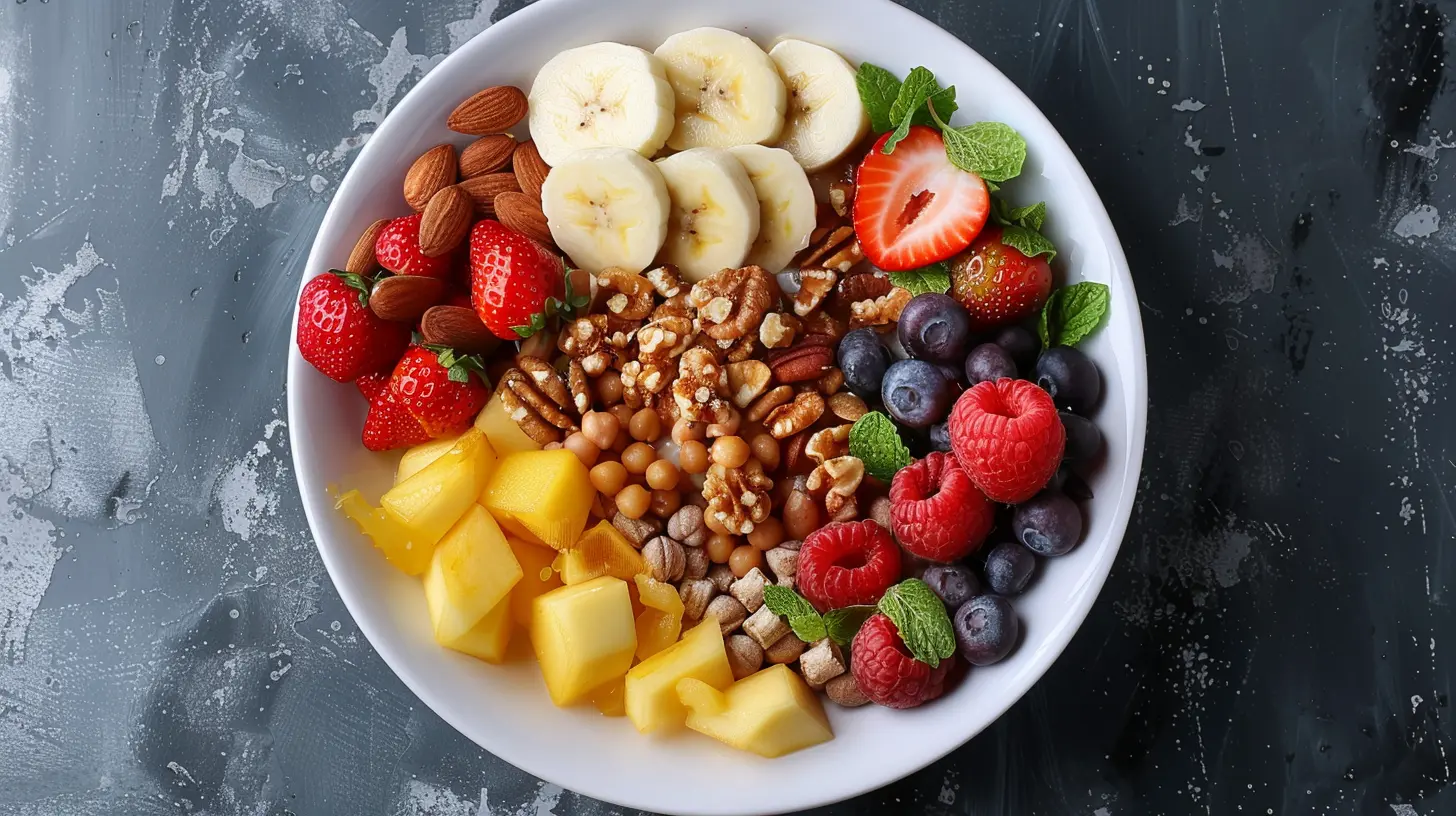
Why Breakfast Matters More Than You Think
Think about your body like a car. When you wake up, your fuel tank is nearly empty. You haven't eaten in 8–12 hours. Breakfast is your pit stop—it jump-starts your metabolism, stabilizes blood sugar levels, and gives you the energy to tackle your day.Skipping breakfast? It’s like trying to drive with your gas warning light flashing. Sure, you might get by for a bit. But soon, you'll stall. Cue brain fog, hunger pangs, and probably bad decisions like devouring that jelly donut by 10 a.m.
What Makes a Breakfast “Balanced”?
A balanced breakfast is all about getting the right mix of the three macronutrients: protein, carbohydrates, and healthy fats. Like a tripod, you need all three legs for stability.Let’s break it down further:
1. Protein: The Building Block
Protein isn't just for bodybuilders. After a night of repair, your muscles and cells are craving amino acids. Without enough protein, you’ll feel hungry again way too soon.Benefits of Protein at Breakfast:
- Keeps you full longer
- Helps maintain or build lean muscle
- Stabilizes blood sugar levels
Great Breakfast Protein Sources:
- Eggs (duh, but don’t forget the yolks!)
- Greek yogurt
- Cottage cheese
- Nut butters
- Protein shakes or smoothies
2. Carbohydrates: The Quick Energy
Carbs are your body's favorite energy source—especially in the morning. But here’s the kicker: not all carbs are created equal. You want complex carbs, not the sugary, simple ones.Benefits of the Right Carbs:
- Boost immediate energy
- Fuel brain function
- Provide fiber (hello, smooth digestion!)
Smart Carb Choices:
- Whole-grain toast or oatmeal
- Berries, apples, or bananas
- Sweet potatoes
- Quinoa or brown rice (yes, even at breakfast!)
3. Healthy Fats: The Satiety Factor
Fats are like the slow-burning logs on your energy fire. They help you stay full and satisfied while supporting hormone balance and brain health.Why Fats Matter:
- Keep you full longer
- Help absorb fat-soluble vitamins (A, D, E, K)
- Support cognitive function
Best Fats for Breakfast:
- Avocado slices
- Nuts and seeds
- Olive oil drizzle
- Chia seeds
The Role of Micronutrients
Let’s not forget the “small but mighty” players: vitamins and minerals.Having fruits and veggies in your breakfast brings:
- Vitamin C (immune support)
- Potassium (muscle and nerve function)
- Iron (oxygen transport)
- Fiber (satiety and digestion)
Think adding a handful of spinach to your eggs or tossing berries into your oatmeal. Color equals nutrients.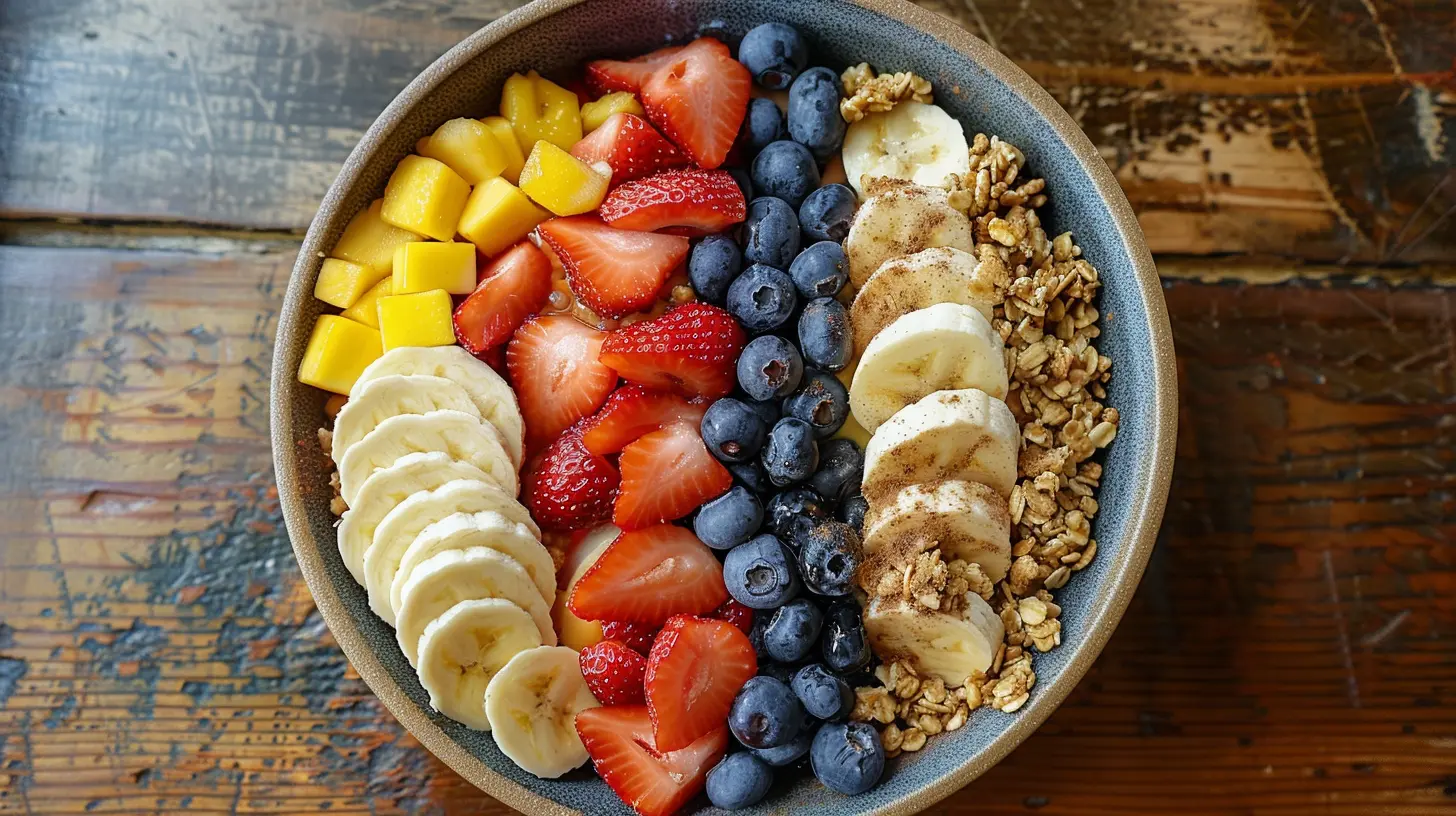
Hydration: The Overlooked Hero
Ever wake up parched? That’s because your body loses water overnight through breathing and sweating. Before you sip that steaming cup of coffee, drink a glass of water. Seriously, your organs will thank you.Hydrating first thing:
- Kickstarts metabolism
- Aids digestion
- Helps flush toxins
Then, feel free to go for your caffeinated potion—but hydrate first.
Timing Is Everything: When Should You Eat?
We all have different wake-up times and morning routines. But the general rule? Eat within 1–2 hours of waking.Why?
- Helps prevent mid-morning crashes
- Keeps hunger hormones (like ghrelin) in check
- Supports consistent energy levels
Skipping breakfast entirely can lead to that afternoon "hangry" slump. You know the one—when you’d trade your soul for a bag of chips.
The Gut-Brain Connection: It Starts in the Morning
Your gut does more than digest food. It's home to trillions of microbes that affect mood, energy, and even immunity. Giving your gut the right start in the morning can set you up for a more balanced day—physically and emotionally.That means:
- High-fiber foods (whole grains, fruits, seeds)
- Probiotics (yogurt, kefir)
- Prebiotics (bananas, garlic, oats)
A happy gut = a happy brain.
Breakfast Plate Blueprints: Real-Life Ideas
Let’s make it practical. Here are some foolproof breakfast combos that tick all the right boxes:1. Classic Power Plate
- Scrambled eggs with spinach and tomatoes- Whole-grain toast with avocado
- A side of berries
- Green tea or lemon water
2. Sweet But Balanced
- Oatmeal made with almond milk- Topped with banana, chia seeds, and almond butter
- Hard-boiled egg on the side
- Black coffee or herbal tea
3. On-the-Go Smoothie Bowl
- Protein powder + frozen berries + spinach + unsweetened Greek yogurt- Topped with granola and pumpkin seeds
- Water with a splash of lemon
4. Low-Carb Lovers
- Omelet with mushrooms, bell peppers, and feta- Side of avocado slices
- Handful of mixed nuts
- Herbal tea
Common Breakfast Mistakes (And How to Fix Them)
Let’s call them out, shall we?Mistake #1: Only Eating Carbs
Having just toast or cereal spikes blood sugar and leaves you drained. Add protein or fat to round it out.Mistake #2: Skipping It Altogether
Thinking coffee is breakfast? Think again. You’re more likely to overeat at lunch and snack all day.Mistake #3: Opting for Sugary Cereals
They’re basically dessert disguised in a box. Check the label—if sugar is one of the first 3 ingredients, ditch it.Mistake #4: Not Planning Ahead
Breakfast isn't your enemy—it’s poor planning. Prep overnight oats or boil a batch of eggs in advance.But What If I’m Not Hungry in the Morning?
Totally normal. Especially if you’re eating late at night. But trying to eat something small—even a smoothie or banana with peanut butter—can help reset your hunger cues.Your body will adapt over time and actually start to crave that morning energy boost.
The Long-Term Benefits of a Balanced Breakfast
This isn’t just about today—it’s about the big picture. Regular, balanced breakfasts are linked to:- Healthier body weight
- Lower risk of type 2 diabetes
- Better heart health
- Improved focus and productivity
- Better mood regulation
It’s like investing in a good day, every day.
Final Thoughts: Build Your Breakfast, Build Your Day
The truth is, breakfast doesn’t have to be complicated or Instagram-worthy. It just needs to feed your body what it’s really asking for: a mix of nutrients, hydration, and a little love.Start simple. Start small. But start somewhere.
Think of your breakfast plate like a tool kit: protein for strength, carbs for energy, fats for endurance, and micronutrients for the fine-tuning. When you give your body the full package, it pays you back in energy, focus, and wellness.
So tomorrow morning? Skip the bland bagel. Build your plate like you mean it.
all images in this post were generated using AI tools
Category:
Healthy BreakfastAuthor:

Laura Hudson