The Science Behind Outdoor Exercise and Stress Reduction
8 February 2026
We’ve all felt it—that overwhelming sense of relief after a long walk in the park or a jog through the neighborhood. But have you ever wondered why outdoor exercise makes you feel so good? It’s not just in your head—there's actual science behind it!
In today’s fast-paced world, stress has become an unwelcome companion. The good news? Nature has a built-in remedy—outdoor exercise. From lowering cortisol levels to boosting mood-enhancing hormones, moving your body outside can work wonders for your mind. Let’s dive into the science behind outdoor exercise and stress reduction.
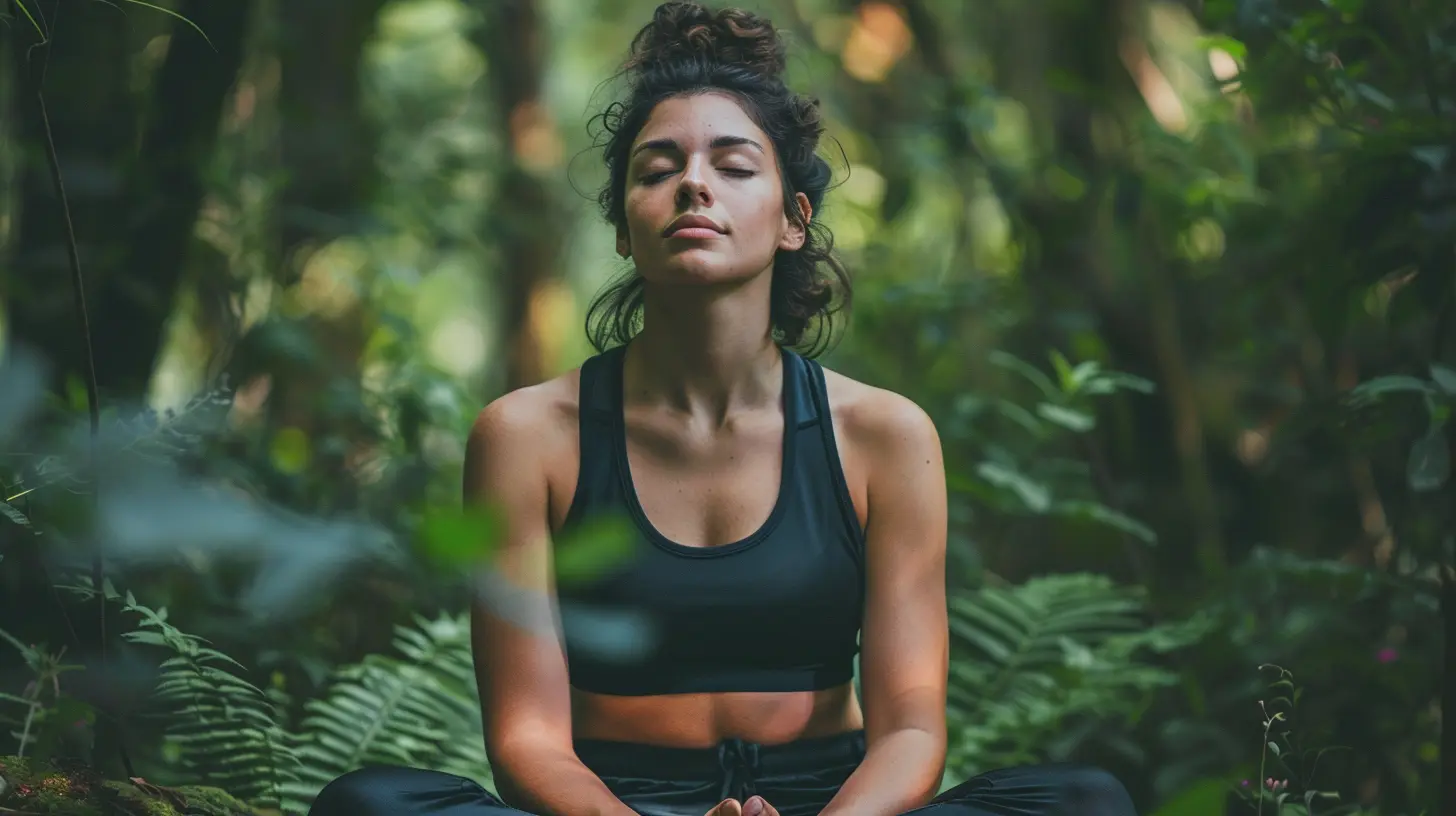
Why Is Stress So Harmful?
Before we talk about solutions, let’s address the problem. Stress isn’t just a mental burden—it wreaks havoc on your body, too.When you’re stressed, your body releases cortisol, the infamous stress hormone. In short bursts, cortisol is helpful—it gives you energy and keeps you alert. But when stress becomes chronic, elevated cortisol levels can lead to:
- Anxiety and depression
- High blood pressure
- Poor sleep
- Weakened immune function
- Increased risk of heart disease
No wonder stress is called the “silent killer”! But here’s where outdoor exercise enters the picture.
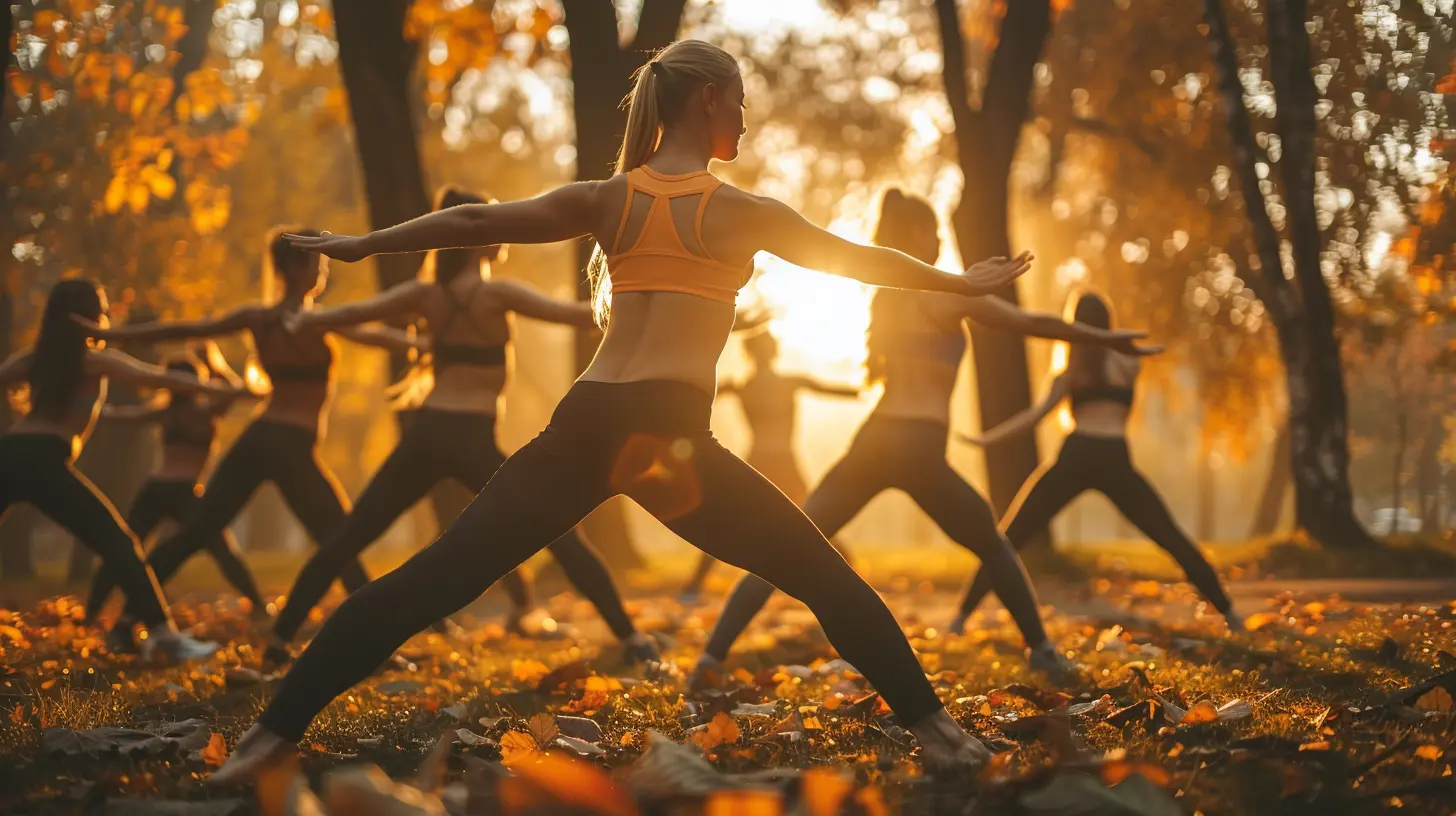
The Link Between Outdoor Exercise and Stress Reduction
1. Nature Lowers Cortisol Levels
Research has consistently shown that being in nature reduces cortisol. A study published in Frontiers in Psychology found that spending just 20 minutes in a natural setting significantly lowers cortisol levels. Now, imagine combining that with exercise.When you exercise outdoors, you’re getting a double dose of stress relief—physical activity helps burn off excess cortisol, while nature itself has a calming effect on your nervous system.
2. Fresh Air Enhances Oxygen Intake
Ever noticed how breathing deeply in an open field or by the ocean feels different from breathing in a gym? That’s because outdoor air is often richer in oxygen and less polluted.More oxygen means better circulation, which helps:
- Reduce blood pressure
- Improve brain function
- Lower stress levels
Basically, your brain loves fresh air—it helps clear mental fog and improves mood.
3. Sunlight Boosts Your Mood
Sunlight is like nature’s antidepressant. Exposure to natural light triggers the production of serotonin, the hormone responsible for happiness and well-being.Not getting enough sunlight can lead to Seasonal Affective Disorder (SAD), a type of depression that occurs in darker months. But exercising outdoors, even for a short time, can:
- Increase serotonin production
- Improve overall mood
- Regulate sleep by balancing melatonin levels
So, next time you’re feeling down, swap the treadmill for a quick jog outside—your brain will thank you!
4. Green Spaces Encourage Mindfulness
Ever heard of “forest bathing”? It’s a Japanese practice called Shinrin-yoku, which means immersing yourself in nature. The idea is simple: spending time in green spaces reduces stress and enhances mindfulness.Exercising in parks, forests, or even your backyard:
- Helps you disconnect from technology
- Lowers your heart rate and blood pressure
- Encourages a state of relaxation
Mindfulness while exercising outdoors helps you stay present. Instead of stressing over emails or deadlines, you focus on the rhythm of your breath, the crunch of leaves under your feet, or the warmth of the sun on your skin.
5. Outdoor Exercise Increases Endorphins
We can’t talk about stress reduction without mentioning endorphins—your body’s natural painkillers and mood boosters.Exercise, especially aerobic activities like running or cycling, stimulates endorphin production. These feel-good chemicals help:
- Reduce anxiety
- Minimize pain perception
- Promote a sense of euphoria ("runner’s high")
When you exercise outdoors, you combine endorphins, fresh air, nature, and sunlight—the ultimate stress-relief cocktail!

The Best Outdoor Exercises for Stress Reduction
Not all workouts are created equal when it comes to stress relief. Some outdoor exercises work better than others in calming the mind.1. Walking or Hiking
A simple walk in the park or a hike in the mountains can do wonders. Walking is low-impact and meditative, helping to clear your mind while getting your blood flowing.Bonus points if you leave your phone in your pocket and focus on the sights and sounds around you.
2. Running or Jogging
If you enjoy a more intense workout, running can be incredibly therapeutic. The rhythmic motion, combined with deep breathing and the scenic views, creates a meditative flow state that clears mental clutter.3. Cycling
Cycling not only provides a fantastic cardio workout but also allows you to explore new areas, enjoy the breeze, and feel a sense of freedom—all of which are great stress busters.4. Outdoor Yoga
Yoga in a natural setting takes relaxation to the next level. Practicing deep breathing and stretching in a tranquil environment enhances the stress-relieving benefits of yoga.5. Swimming in Natural Water
Swimming in the ocean, a river, or a lake is therapeutic. The sensation of water reduces cortisol, relaxes muscles, and promotes a sense of peace. Plus, water naturally supports your body, relieving tension and improving circulation.
Tips to Maximize Stress Relief During Outdoor Exercise
Getting outside is a great start, but here are some tips to make your outdoor workouts even more effective for stress reduction:- Ditch the headphones sometimes – Let nature’s sounds calm your mind.
- Practice deep breathing – Take slow, deep breaths to activate your parasympathetic nervous system (your body's relaxation mode).
- Stay in the moment – Focus on your surroundings, the colors, smells, and sensations.
- Exercise with a friend – Social support enhances stress relief.
- Try early morning workouts – Morning light boosts mood and energy for the rest of the day.
Final Thoughts
Outdoor exercise isn’t just about staying fit—it’s about staying sane. The combination of physical movement, fresh air, sunlight, and nature creates a powerful stress-reducing effect that no indoor workout can match.So, the next time you’re feeling overwhelmed, lace up your sneakers and step outside. Whether it's a quiet walk, a jog through the park, or a yoga session under the trees, your mind and body will reap the benefits.
all images in this post were generated using AI tools
Category:
Outdoor WorkoutsAuthor:

Laura Hudson
Discussion
rate this article
2 comments
Xeno O'Neal
This article effectively highlights the physiological and psychological benefits of outdoor exercise in reducing stress. By integrating nature's calming effects with physical activity, it underscores the importance of environment in mental health. The research presented convincingly connects green spaces with improved mood, making a compelling case for outdoor fitness routines.
February 21, 2026 at 4:25 AM
Laura Hudson
Thank you for your insightful comment! I'm glad you found the article effective in linking outdoor exercise and stress reduction through the benefits of green spaces.
Tyler O'Brien
Who knew chasing butterflies could be a workout? Nature's gym is open, and stress has no membership here! 🌼🏃♂️💨
February 10, 2026 at 4:27 AM
Laura Hudson
Absolutely! Outdoor activities like chasing butterflies not only provide physical benefits but also enhance mental well-being by reducing stress. Nature truly is the best gym! 🌿✨