The Science Behind Slowing Down the Aging Process
1 March 2026
Let’s face it, aging is one ride we’re all on — no detours, no shortcuts. But what if I told you it's actually possible to hit the brakes a little on Father Time? Not to completely stop him (we're not wizards), but to slow him down. You’ve heard the buzzwords: antioxidants, telomeres, collagen, longevity. But what do they all mean? Let’s dive into the science behind slowing down the aging process and actually make sense of it… in everyday terms.
Whether you're in your 20s looking to stay ahead of the game or in your 50s trying to turn things around, there's something in here for you.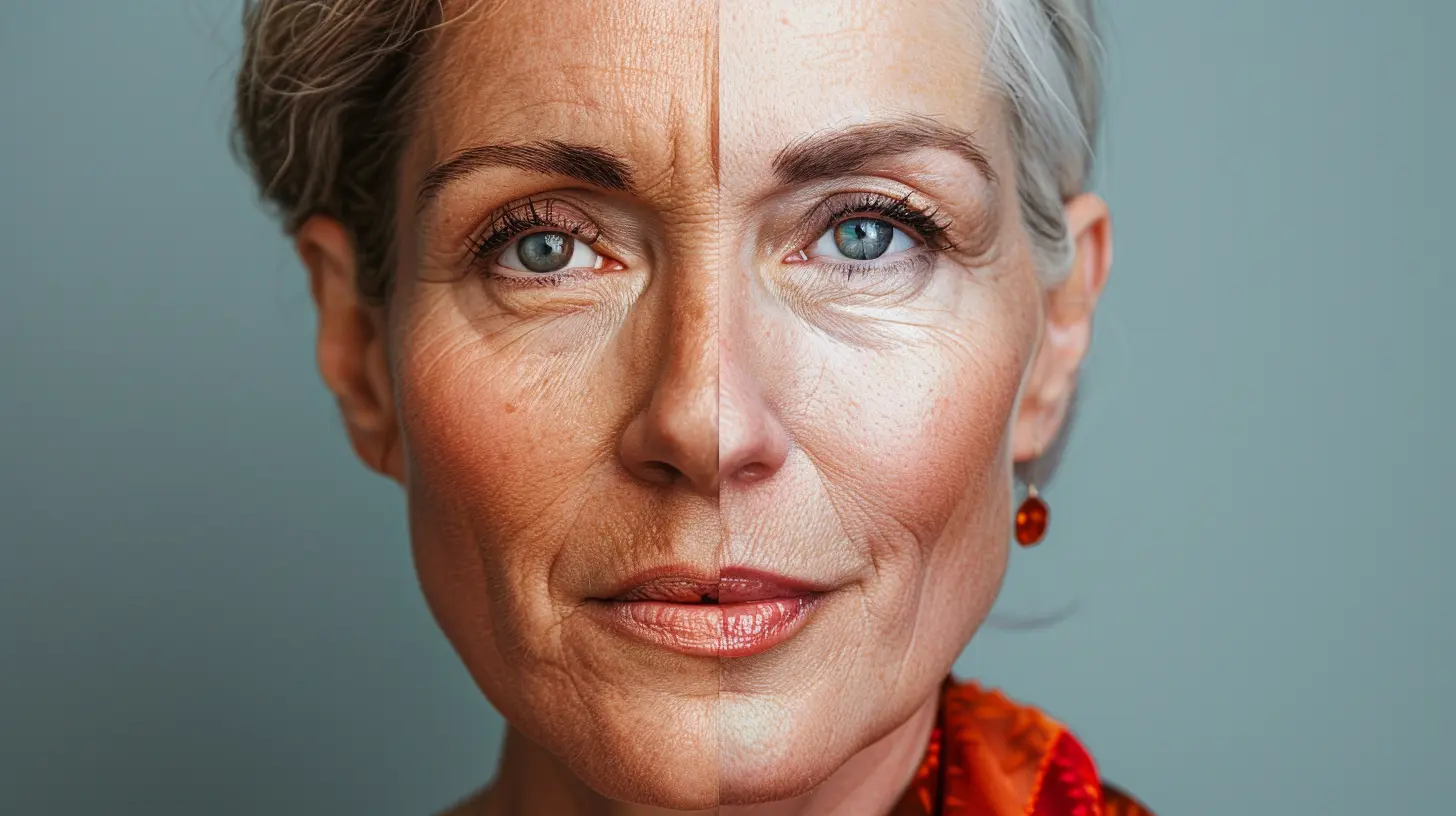
Aging: More Than Just Wrinkles and Gray Hair
Before we can understand how to slow aging, we have to understand what it is. Spoiler alert: It’s not just about what you see in the mirror.Aging is a gradual decline in how your body functions. On the inside, your cells are getting older, less efficient at regenerating, and more prone to damage. You might feel more tired, take longer to recover from workouts, or notice your skin losing its elasticity.
At a scientific level, aging involves:
- Cellular senescence: Old cells that stop dividing and start building up.
- Telomere shortening: The protective caps on the ends of your chromosomes wear down.
- Oxidative stress: Too many free radicals causing damage to your cells.
- Mitochondrial dysfunction: Your cellular power plants start losing fuel.
- Genetic and hormonal changes: These alter everything from metabolism to skin health.
But here’s the good news: We’re not powerless. Not even close.
The Power of Lifestyle: You’re More in Control Than You Think
1. Nutrition: Feeding Your Body Youthfulness
You are what you eat — cliché, but oh-so-true. If you’re loading up on sugar, processed junk, and soda, you’re basically giving aging a green light.Antioxidants Are Your BFFs
Think of antioxidants as your body’s cleanup crew. They fight oxidative stress caused by free radicals — unstable molecules that mess with everything. Foods rich in antioxidants include:- Blueberries (tiny, mighty anti-aging machines)
- Dark chocolate (yes, really!)
- Leafy greens
- Nuts and seeds
- Green tea
Go Anti-Inflammatory
Chronic inflammation is like a slow-burning fire inside your body. Douse the flames with foods like:- Fatty fish (omega-3s, anyone?)
- Turmeric (curcumin is the magic)
- Ginger
- Extra virgin olive oil
2. Exercise: Not Just for Weight Loss
Move it to improve it — your brain, heart, joints, skin, everything!Regular physical activity boosts:
- Mitochondrial health (hellooo, more energy!)
- Hormone balance (especially stress-lowering cortisol and youth-boosting HGH)
- Telomere length (yes, exercise literally protects your chromosomes)
And no, you don’t need to become a gym rat. A mix of cardio, strength training, and flexibility exercises (like yoga or pilates) 3-5 times a week can do wonders.
3. Sleep: The Underestimated Fountain of Youth
Sleep isn’t just rest — it’s repair time. Your body goes into maintenance mode during deep sleep, fixing cellular damage and making new cells.Skimp on sleep and you’re inviting:
- Brain fog
- Wrinkled skin
- Weakened immunity
- Mood swings
Aim for 7-9 hours of quality shut-eye. Keep a regular sleep schedule, limit screens before bed, and make your bedroom a sleep sanctuary.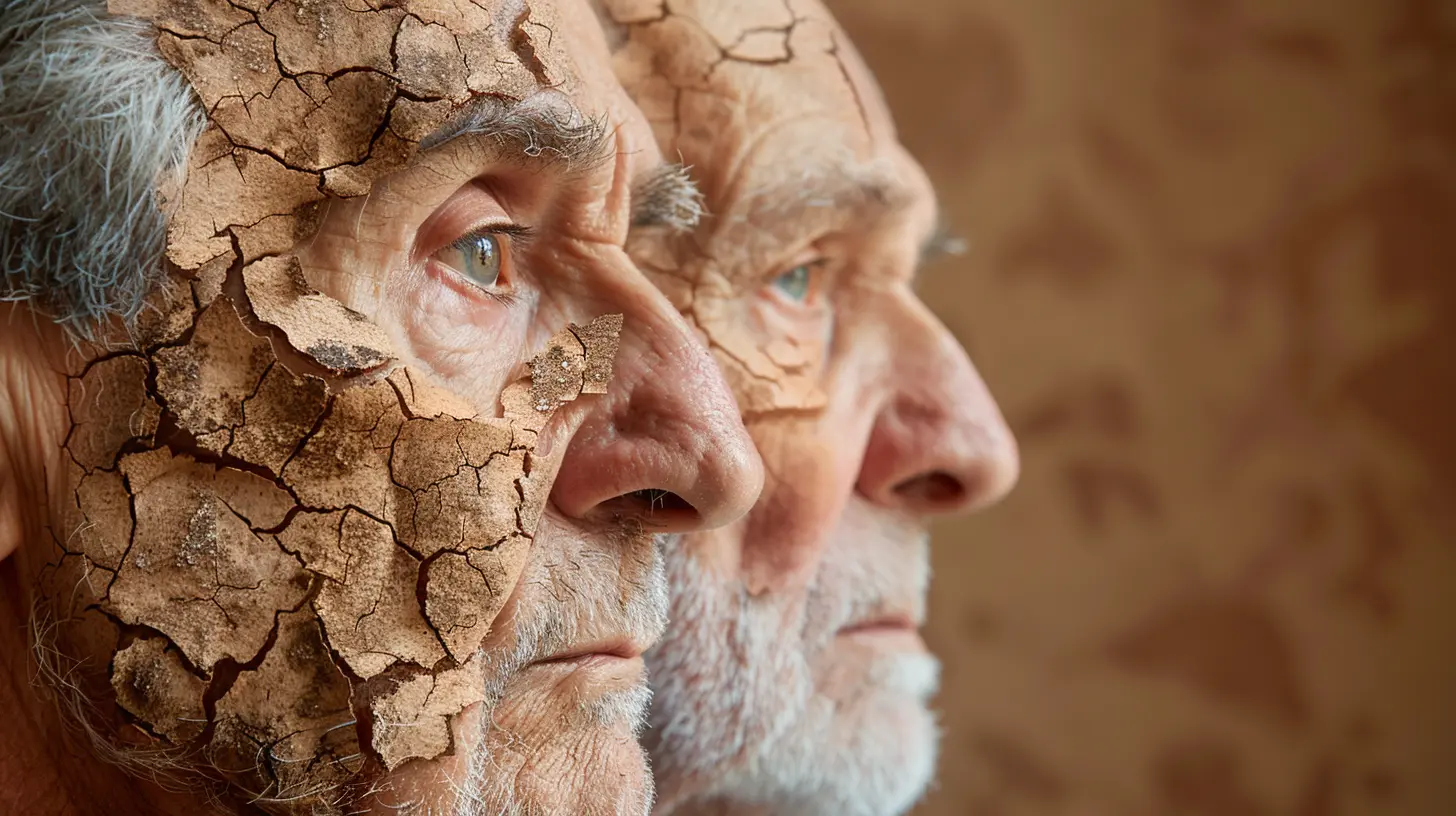
Hormones and Aging: The Hidden Drivers
When we talk hormones, most people think puberty or menopause. But hormones are lifelong influencers that affect everything from your mood to metabolism to muscle mass.As we age, key hormones decline:
- Estrogen and progesterone in women
- Testosterone in men
- Growth hormone in everyone
This leads to lower muscle tone, more body fat, and thinning skin.
Can we naturally support hormone health? You bet.
- Healthy fats (avocados, nuts, olive oil) help hormone production.
- Strength training stimulates testosterone and growth hormone.
- Managing stress is vital. Chronic stress = cortisol overload = havoc.
In some cases, hormone replacement therapies (HRT) may be suitable, but always under a doctor’s supervision.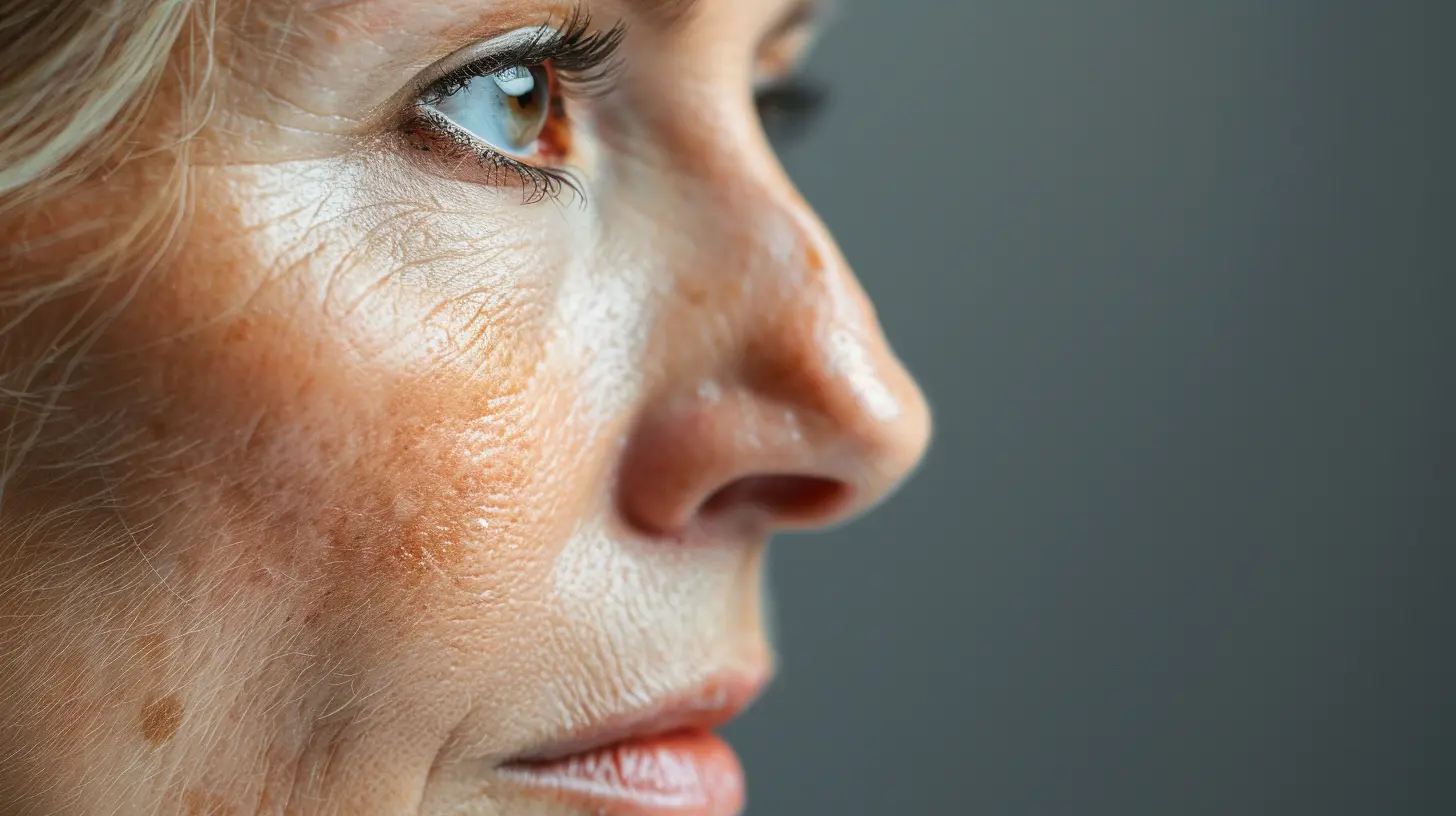
Telomeres: The Tiny Timekeepers Inside You
Let’s geek out for a sec.Telomeres are like the plastic tips on shoelaces — they protect your DNA from unraveling. Every time a cell divides, telomeres get shorter. Short telomeres = aged cells.
But here’s the kicker: You can influence their length.
Dr. Elizabeth Blackburn, a Nobel Prize-winning scientist, found that lifestyle changes — yes, the ones we’ve already mentioned — can actually help maintain or even lengthen telomeres.
So, take care of those tiny shoelace caps. They’re keeping your cells younger.
Stress is a Silent Ager
We all feel stress — it's part of being human. But chronic stress? That’s a fast pass to accelerated aging.Why? Because long-term stress unleashes cortisol, which:
- Breaks down collagen (hello, wrinkles)
- Weakens the immune system
- Causes inflammation
- Messes with memory and mood
What can you do?
- Meditate: Just 10 minutes a day helps.
- Breathe deeply: Simple, powerful, and free.
- Laugh more: Seriously, watch a comedy tonight.
- Connect with others: Relationships = resilience.
The Role of Supplements: Helpful or Hype?
Okay, so you’re eating right, sleeping well, and exercising. Should you pop pills for extra support?Some supplements have legit science backing their anti-aging effects:
- Collagen: Supports skin elasticity and joint health.
- Coenzyme Q10 (CoQ10): Fuels mitochondria.
- Nicotine adenine dinucleotide (NAD+) boosters: Helps DNA repair and energy metabolism.
- Vitamin D: Keeps bones strong and supports immunity.
- Omega-3s: Fight inflammation and support brain health.
Just remember — supplements are… well, supplemental. They’re not magic pills.
Biohacking and Modern Longevity Science: The Future is Here
You might’ve heard of "biohacking" — using science and tech to optimize health and longevity. It's not just for Silicon Valley millionaires anymore.Some cutting-edge therapies include:
- Cold therapy (ice baths, cryotherapy): Boosts circulation and reduces inflammation.
- Red light therapy: May promote cellular regeneration.
- Fasting protocols (like intermittent fasting): Enhances autophagy (cell cleanup mode).
- Stem cell therapy: Still experimental but promising.
- Genetic testing: Helps personalize aging strategies.
Sure, some of these are still on the fringes. But many are already accessible and based in solid science.
Mindset Matters: The Aging-Attitude Connection
This one might surprise you: Your mindset can actually impact your biological age.A long-term study from Yale University found that people with a positive view of aging lived nearly 7.5 years longer than those with a negative outlook. That’s not woo-woo — that’s science.
So, embrace aging gracefully. Focus on thriving, not surviving.
So, Can We Really Slow Down Aging?
Short answer: Yes. Totally. Not stop it, but definitely slow it down.With the right mix of lifestyle choices, stress reduction, smart nutrition, and a sprinkle of science-backed interventions, you can stay vibrant, strong, and full of life well into your golden years.
And no, it’s never too late to start. Whether you’re 25 or 65, your body is always listening. Give it the right signals.
So drink your water, eat your blueberries, lift those weights, sleep like a baby, and laugh like a child… because your future self will thank you.
Final Thoughts
Aging is inevitable — but aging poorly is not. You have way more control over the process than you think. And with modern science showing us what really works, it’s now more about choices than chance.So go ahead… Age smart, not fast.
all images in this post were generated using AI tools
Category:
Anti AgingAuthor:

Laura Hudson
Discussion
rate this article
2 comments
Harper McFee
Great insights on aging! This article beautifully highlights how simple lifestyle changes can make a big difference. Excited to incorporate these tips into my routine!
March 2, 2026 at 4:38 PM
Laura Hudson
Thank you! I'm glad you found the insights helpful. Best of luck with your new routine!
Dana Carter
Understanding the biological mechanisms of aging can empower individuals to adopt lifestyle changes that promote longevity. Scientific advancements reveal practical strategies to slow down age-related decline effectively.
March 2, 2026 at 3:37 AM
Laura Hudson
Absolutely. Knowledge of these mechanisms can lead to informed choices that enhance health and extend life.