The Ultimate Guide to Staying Hydrated During Outdoor Workouts
27 June 2026
If you’re crushing outdoor workouts, sweating buckets, and pushing your limits—fantastic! But here’s the deal: if you’re not staying properly hydrated, your performance (and health) could take a serious hit. Dehydration sneaks up quicker than you think, zapping your energy and leaving you feeling sluggish, dizzy, or worse.
Water isn’t just "good for you"—it’s essential. Your muscles, organs, and even your brain depend on it. So, let’s break it down. How do you stay hydrated, optimize your workout, and keep your body functioning at its peak during outdoor training?
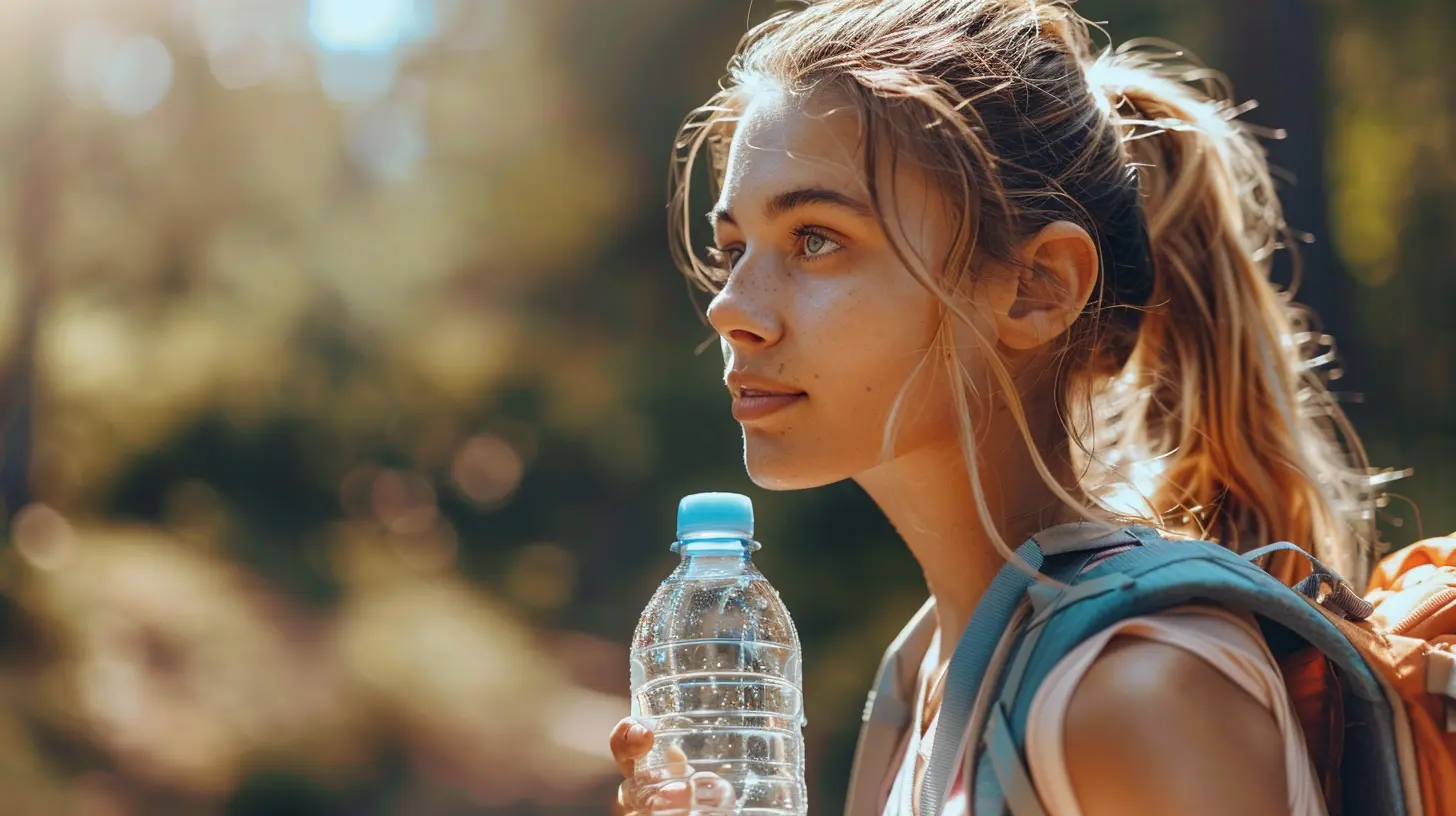
Why Hydration Matters More Than You Think
Picture this: you’re out for a run, the sun is blazing, and you’re sweating like crazy. Your body’s losing water faster than a leaky faucet. The problem? When you don’t replenish those fluids, your body starts to break down—literally.- Fatigue Kicks In – Dehydration makes everything harder. Your heart has to work overtime, and your muscles fatigue way faster.
- Heat Cramps & Exhaustion – Ever felt those painful muscle cramps mid-workout? That’s your body begging for fluids.
- Dizziness & Lack of Focus – Your brain needs water too! When you’re dehydrated, concentration tanks, and reaction time slows.
- Long-Term Damage – Chronic dehydration can mess with your kidneys, digestion, and even your heart health.
Bottom line? Staying hydrated isn’t just about quenching thirst—it’s about keeping your entire body functioning at its best.
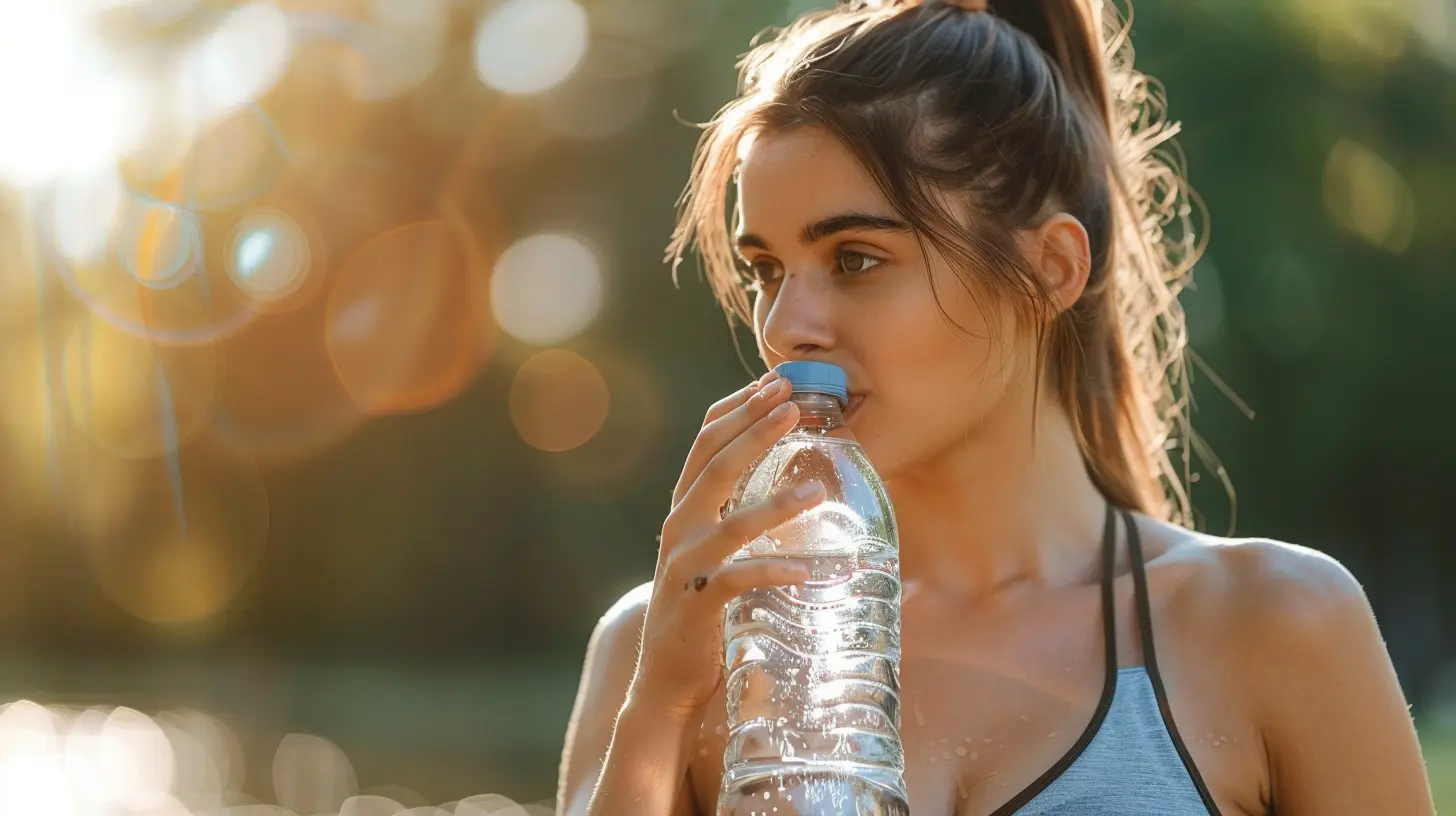
How Much Water Do You Actually Need?
The age-old advice of "drink eight glasses a day" is outdated. The amount of water you need depends on factors like:- Your body weight – Bigger bodies need more water.
- Workout intensity – The harder you train, the more you sweat.
- Temperature & humidity – Hotter, stickier days = more fluid loss.
Quick Hydration Formula
A simple rule of thumb: Drink around half your body weight (in pounds) in ounces of water per day.Example: If you weigh 160 lbs, aim for about 80 oz of water daily—more if you're sweating heavily.

Best Hydration Strategies for Outdoor Workouts
Now that we know hydration is non-negotiable, let’s get to the good stuff—how to stay hydrated no matter how intense or long your workout is.1. Pre-Hydrate Before You Even Step Outside
Waiting until you're thirsty to drink? Too late. Thirst is your body's way of saying, "Hey, we're already dehydrated!"- Drink 16-20 oz of water about 2 hours before your workout.
- Down another 8-10 oz 30 minutes before hitting the pavement.
This ensures you're starting off fully hydrated, not playing catch-up.
2. Drink Smart During Your Workout
A sip here and there won’t cut it—especially on a hot day.- Short workouts (under 30 minutes) – Sip 5-10 oz if you feel thirsty.
- Moderate workouts (30-60 minutes) – Drink 10-20 oz per hour to replace lost fluids.
- Intense workouts (over 60 minutes) – You’re losing more than just water at this point. You NEED electrolytes (more on that next).
3. Replace Electrolytes—Water Alone Isn’t Enough
Sweating doesn’t just drain water. It flushes out essential minerals like sodium, potassium, and magnesium—your body's natural Gatorade.Ever felt lightheaded after a long run? That’s a sign of depleted electrolytes. Water alone won’t fix it.
Best Ways to Replenish Electrolytes
- Sports drinks – Look for ones with low sugar & high electrolyte content.- Electrolyte tablets or powders – Easy to add to your water bottle.
- Coconut water – Nature’s sports drink (packed with potassium).
- Salty snacks – A handful of pretzels or salted nuts can help balance sodium levels.
4. Hydrate Based on the Weather
Hot, humid days? Your sweat rate skyrockets. But did you know cold weather can also dehydrate you?In the heat, you sweat more. In the cold, you breathe out moisture, leading to dehydration you don’t even notice.
- Hot & Humid: Increase water & electrolyte intake.
- Cold & Dry: Drink water even if you don’t feel thirsty—it’s deceiving.
5. Post-Workout Hydration: Refill the Tank
Hydration doesn’t stop when your workout ends. You’ve lost water, burned through electrolytes, and now it’s time to recover.- Drink 16-24 oz of water for every pound of sweat lost.
- Pair water with a post-workout snack (banana, protein shake, etc.) to replenish energy & minerals.
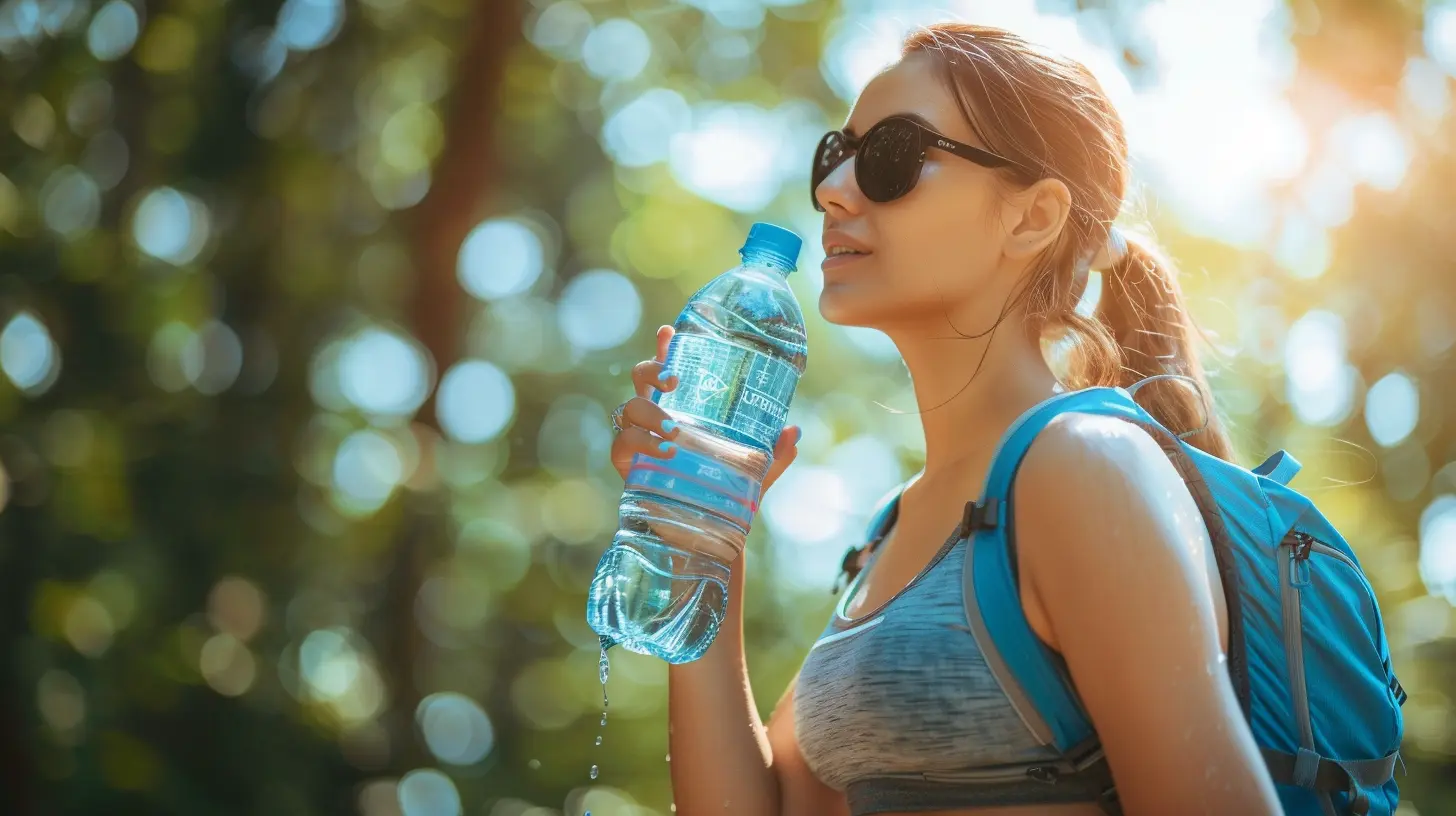
Signs You’re Not Drinking Enough Water
How do you know if you’re dehydrated? Look out for these warning signs:❌ Dark yellow urine (it should be light & pale)
❌ Dry mouth or extreme thirst (already dehydrated!)
❌ Dizziness & headaches
❌ Fatigue, sluggishness, or trouble focusing
❌ Muscle cramps or weakness
If you’re checking off more than one of these—grab your water bottle ASAP!
Hydration Hacks for Every Athlete
Let’s be real. Drinking enough water throughout the day can be tough. Here are some hacks to make it effortless:✔ Carry a Water Bottle Everywhere – If it's nearby, you’ll drink more.
✔ Set Reminders on Your Phone – A quick nudge makes a huge difference.
✔ Flavor Your Water – Lemon, berries, or cucumber keep things interesting.
✔ Drink Before Meals – Helps digestion & sneaks in extra hydration.
✔ Invest in a Hydration Pack – Perfect for runners, cyclists, or hikers.
Hydration Myths You Need to Forget
? “If I’m not thirsty, I don’t need to drink.” Wrong! Thirst kicks in when you’re already dehydrated.? “Coffee and tea dehydrate you.” Not necessarily. In moderation, they still count toward your fluid intake.
? “Drinking too much water is harmless.” Actually, over-hydration (hyponatremia) can be dangerous. Balance is key.
The Bottom Line
Hydration isn’t just about drinking water—it’s about keeping your body powered, energized, and ready to crush every outdoor workout. Whether you're hitting the trails, lifting under the sun, or sprinting on the pavement, water and electrolytes are your best workout partners.Listen to your body, stay ahead of dehydration, and fuel yourself properly. Your performance, health, and overall well-being depend on it!
all images in this post were generated using AI tools
Category:
Outdoor WorkoutsAuthor:

Laura Hudson
Discussion
rate this article
1 comments
Natalia Stewart
This article offers practical tips on hydration for outdoor workouts. Staying hydrated is crucial for performance and health. It's a great resource for anyone looking to improve their routine.
June 29, 2026 at 2:39 AM
Laura Hudson
Thank you! I'm glad you found the tips helpful. Staying hydrated can make a big difference in performance.