Trail Running Tips for Beginners: The Ultimate Guide
16 August 2026
Have you ever looked at a winding dirt trail and wondered what it would be like to ditch the pavement and run through the woods instead? Good news—you’re not alone. Trail running is picking up serious momentum, and it’s not hard to see why. Whether you’re craving adventure, tired of the same old city streets, or just trying to escape the treadmill (no shame), trail running can rejuvenate your love for running.
But stepping into the world of off-road running takes more than just tying your sneakers and hitting the trails. It’s a whole new ball game. You’re dealing with nature—roots, rocks, hills, mud, and even wild animals. Sounds intimidating? Don’t worry! This ultimate guide is packed with trail running tips for beginners that will help you start strong, stay safe, and actually enjoy the journey.
What is Trail Running, Really?
Trail running is exactly what it sounds like—running on anything that’s not paved. Think dirt paths through the forest, gravel roads in the mountains, or even sandy coastal trails. Unlike road running, the terrain is uneven and unpredictable, which means it's a whole lot more engaging, both mentally and physically.It’s not just a workout—it’s an experience. You’re breathing in fresh air, taking in breathtaking views, and maybe even dodging a few tree branches for fun. What’s not to love?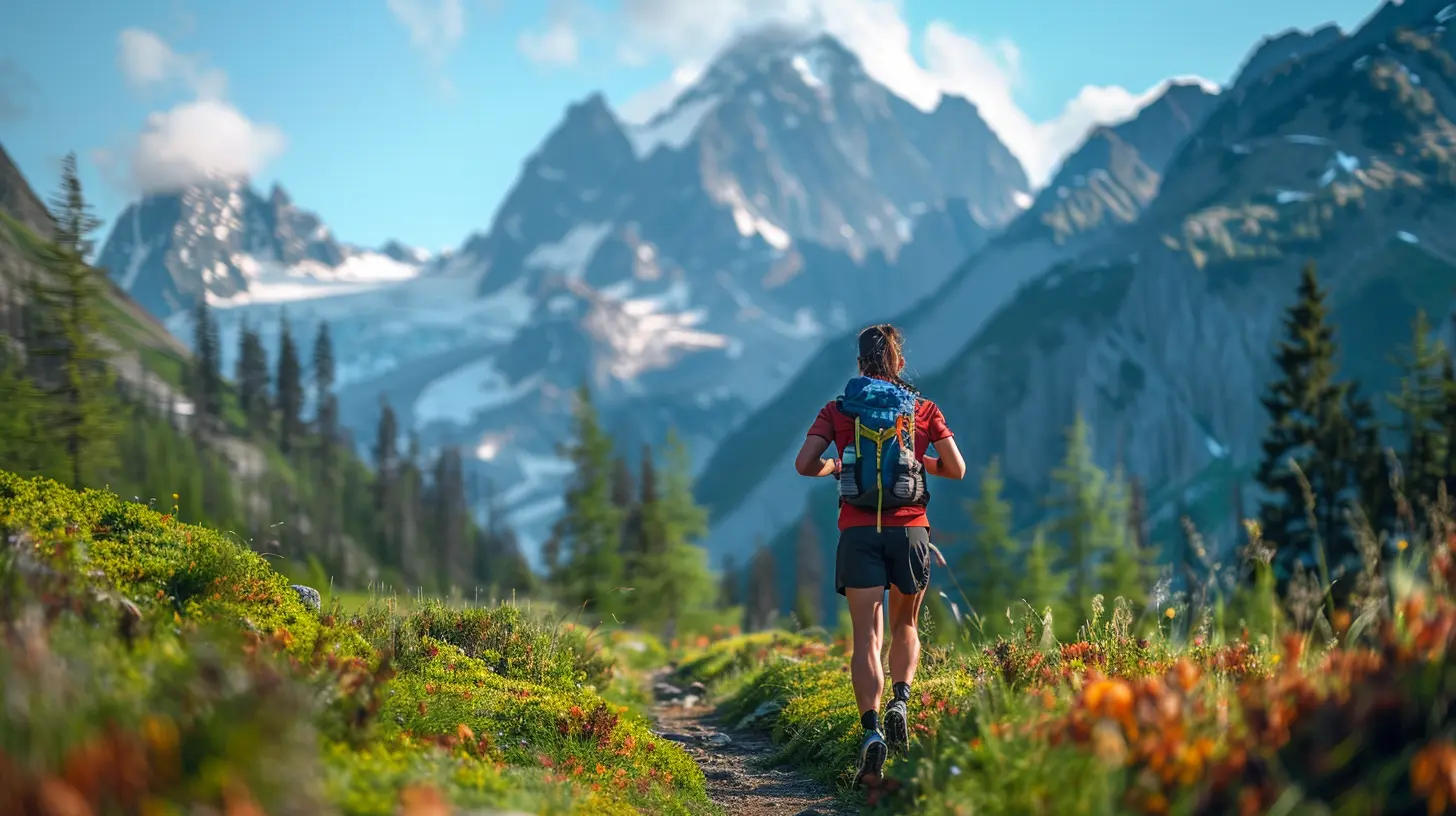
Road Runner vs. Trail Runner: What’s the Difference?
If you’ve been pounding city sidewalks for years, you’re already ahead of the game in terms of cardio fitness. But trail running is a different beast.Here’s what sets it apart:
- Pace Matters Less: Times are slower on trails (trust us, it’s normal!). You're climbing hills, navigating uneven surfaces, and maybe stopping to admire the view.
- Terrain Variety: You’re not running on flat, smooth pavement. Be ready for mud, rocks, roots, and sudden elevation changes.
- Engaged Muscles: Trail running activates more stabilizer muscles because of the uneven terrain.
- Focus and Awareness: You’ve got to watch your every step. One wrong footing and it's hello, twisted ankle.
Choosing the Right Trail Running Shoes
Regular running shoes? Not gonna cut it. Trail-specific shoes are designed with grippy soles for traction, reinforced toes for protection, and tougher soles to withstand rugged terrain.Here’s what to look for:
1. Grip: Deep lugs (the treads on the sole) help with traction on soft, muddy, or rocky trails.
2. Durability: Tougher materials to resist abrasion from rocks and roots.
3. Support and Cushioning: Depends on the terrain. Go cushier for long distances or rocky trails.
4. Waterproofing: Gore-Tex shoes keep your feet dry, but may compromise breathability.
Pro Tip: Visit a specialty running store. They'll have staff who actually trail run and can offer solid advice (not just sell you the newest model).
Essential Gear for Trail Running
You don’t need to go full Bear Grylls, but having the right gear can make your run smoother and safer. Here’s a simple checklist:- Hydration Vest or Handheld Water Bottle: Trails don’t have water fountains.
- Snacks or Energy Gels: Trails often take longer than road runs.
- Running Watch or GPS App: Trails can get confusing—know where you are.
- Sun Protection: Hat, sunscreen, sunglasses.
- Lightweight Jacket: Weather can shift fast! That cozy 60°F morning can quickly turn into a chilly rainfest.
- Trail Running Socks: Avoid cotton. Look for moisture-wicking, blister-resistant socks. Your feet will thank you.
Optional but awesome:
- Trekking Poles: Especially helpful for long climbs or technical terrain.
- Headlamp: If you're anywhere near sunset time, pack one—trails get dark fast.
How to Start Trail Running: Step-By-Step
1. Start With Easy Trails
Look for beginner-friendly trails. That means:- Shorter distances (2-4 miles)
- Lower elevation gain
- Well-marked paths
- Close to home (in case you want to bail early)
Apps like AllTrails, TrailForks, or Gaia GPS can help you find local routes. Read reviews to see if others think it’s beginner-friendly.
2. Don’t Worry About Speed
Seriously—no one’s setting PRs on the trail. Between the elevation gains, uneven footing, and photo breaks (hello, majestic pine trees), your mile splits will be slower.Adjust your mindset. Focus on effort and how your body feels, not your pace per mile.
3. Practice Power Hiking Uphill
Yup, it’s 100% acceptable—and even smart—to walk the hills. Seasoned trail runners hike steep ascents to conserve energy and avoid burning out early. Lean forward, use your hands on your thighs, and power up.4. Look Down, But Not Too Much
Trail running is a constant game of “look ahead, look down, repeat.” Keep your eyes a few feet ahead to scan for obstacles, but don't stare at your feet the entire time or you'll trip… ironically.5. Stay Safe
Let someone know where you’re going. Run with a buddy if you can. Bring a basic first aid kit, especially if you're going longer or to remote areas.Also, keep an ear out—some animals roam the trails too. No need to panic, just be aware.
Dealing with Common Trail Running Challenges
What if You Get Lost?
Use a GPS app or stick to marked trails. When in doubt, turn around and head back the way you came.What if You Fall?
Falls happen—even to pros. If you trip, pause and do a quick check. Minor scrapes? Clean it with water and move on. But if it feels serious, don’t risk it; call for help or head back slowly.How to Handle Weather Shifts?
Keep an eye on the sky. Mountain and forest weather can change FAST. Always carry a light jacket and check the forecast before heading out.Building Endurance and Trail-Specific Strength
Running on trails builds its own type of endurance. You're working your legs, lungs, heart, and brain all at once. But a little cross-training goes a long way.Try these:
- Hill repeats: Boost leg power and cardio.
- Strength training: Especially core, glutes, and ankles.
- Balance exercises: Standing on one leg, using a wobble board, or trail agility drills can help prevent injuries.
Trail Etiquette: Yes, It’s a Thing
Trails are shared spaces, and with great trails comes great responsibility.Here’s the rundown:
- Yield to hikers and mountain bikers: Uphill traffic has the right of way.
- Leave No Trace: Pack out your trash—even fruit peels.
- Stay on the trail: Don’t cut switchbacks or make your own paths.
- Keep it quiet (or at least pleasant): Loud music or shouting? Not cool.
Nutrition and Hydration on the Trail
Hydration is way more important on trails. You’re sweating more and water sources are scarce.Rules of thumb:
- Drink small sips regularly.
- Snack every 45-60 minutes if running over an hour.
- Electrolytes help, especially on hot days or longer runs.
Trail running burns more calories than you might expect—fuel up before, during, and after!
Mental Game: Patience and Presence
Trail running will humble even the most experienced road runner. You might feel slow, clumsy, or exhausted—but that’s part of the magic.What’s the rush anyway?
Take a break. Walk. Snap a photo. Listen to the wind rustling through the trees. Trail running is as much about mindfulness as it is movement. Embrace the now.
Common Beginner Mistakes to Avoid
1. Going Too Far, Too Soon: Build slowly. Your ankles, calves, and quads need time to adapt.2. Ignoring Weather: Storms or heatwaves can turn trails dangerous fast.
3. Wearing the Wrong Shoes: No grip = more slips.
4. Running Alone in Remote Areas Without Telling Anyone: Always let someone know your plan.
5. Sticking to the Same Trail: Mix it up—not just for variety, but to learn different terrain.
Staying Motivated
New to trail running and feel a little out of your depth? That’s normal. But don’t let early frustrations keep you off the dirt path. Set small goals like:- Running your first 5k trail race
- Exploring a new trail each week
- Logging 10 trail miles in a month
And remember, improvement isn't always linear—some days are just about surviving and soaking in the view.
Final Thoughts
Trail running is more than a workout—it’s a wild, wonderful way to reconnect with nature and yourself. It builds strength, tests your limits, and brings a kind of peace you can't find dodging traffic lights during a road run.So gear up, start slow, and give yourself the grace to learn as you go. Before you know it, you’ll be the one offering tips to other newbies trying to find their way down the trail.
Ready to trade the treadmill for tree roots?
all images in this post were generated using AI tools
Category:
Outdoor WorkoutsAuthor:

Laura Hudson