Training for Definition: The Key to Achieving a Shredded Physique
1 May 2026
So, you’ve been hitting the gym hard, lifting heavy, maybe even eating clean. But when you look in the mirror, you’re just not seeing the “cut” look — the definition, the separation, the truly shredded physique you’ve been grinding for. Sound familiar?
Fortunately, you're not alone. A lot of fitness lovers, from beginners to seasoned lifters, get stuck in that limbo between building muscle and actually showing it off. Here's the deal: building mass and getting shredded are two different beasts, and they require different strategies. If you're ready to carve that chiseled look into your frame, then training for definition needs to be your new mission.
Let’s dive deep into what it really takes to shed fat, dial in your workouts, and finally reveal those hard-earned muscles lurking beneath the surface.
What Does “Training for Definition” Really Mean?
First off, let’s get this straight: training for definition isn't about getting huge. It’s about getting lean, revealing muscle shape, and maximizing visibility of every curve, line, and striation of muscle you’ve developed.Think of it like sculpting. You’ve already built the clay — now you want to carve out the details.
To get there, your approach needs to combine strength training, fat-burning strategies, and smart nutrition. Without one, the others fall short.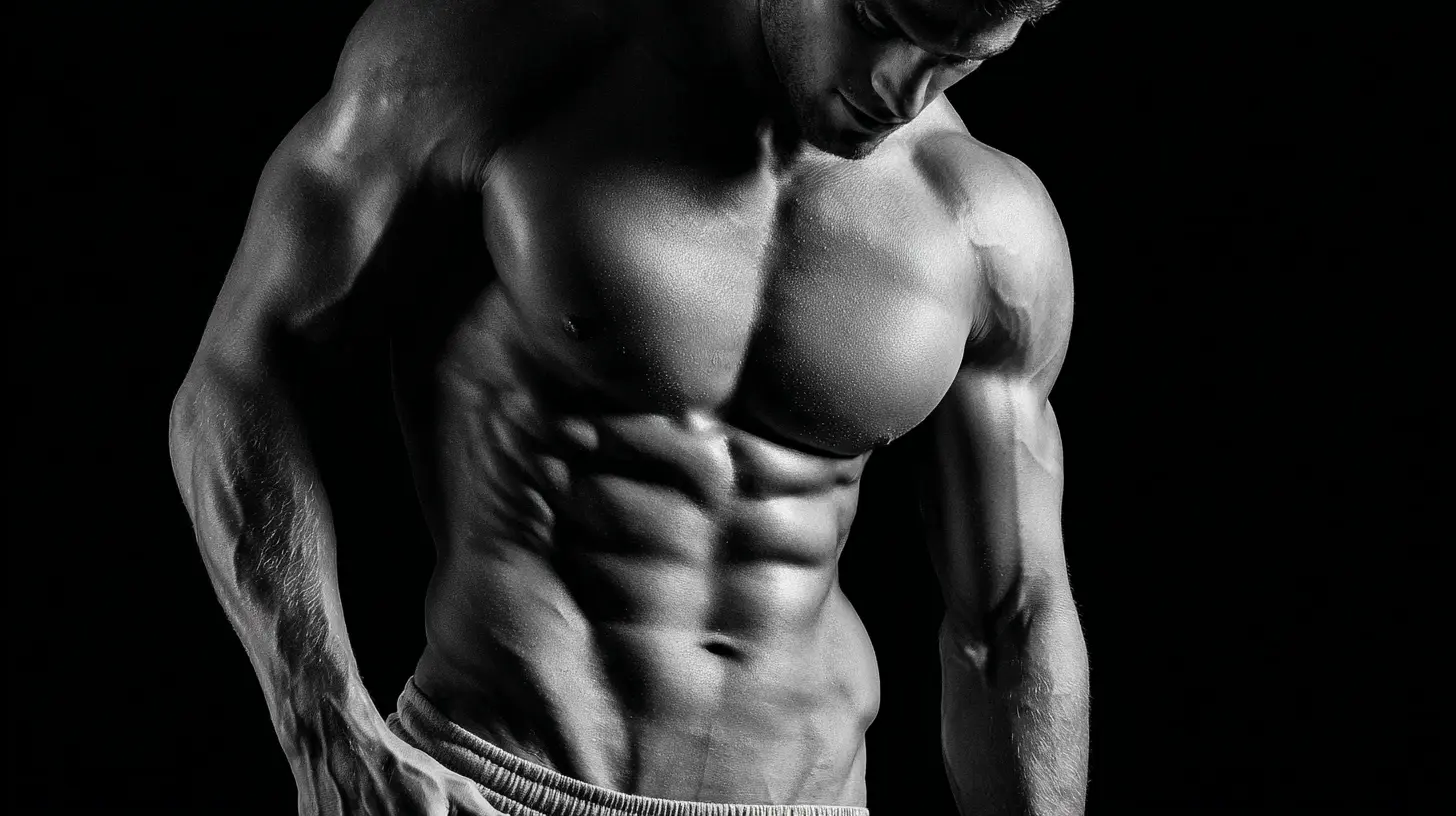
The Foundation: Muscle Mass Comes First
Here’s the truth no one likes to hear — you can’t “define” something that isn’t there.Definition depends on two things:
1. Muscles to reveal
2. Low enough body fat to expose them
If you haven’t already spent time building muscle mass, start there. No amount of fat loss will give you a shredded look if your muscles are underdeveloped. This phase is often referred to as “bulking,” but let's not confuse it with sloppy weight gain. Lean muscle-building through progressive overload and adequate nutrition is key.
> “You can’t carve a pebble into a statue. Build your base first.”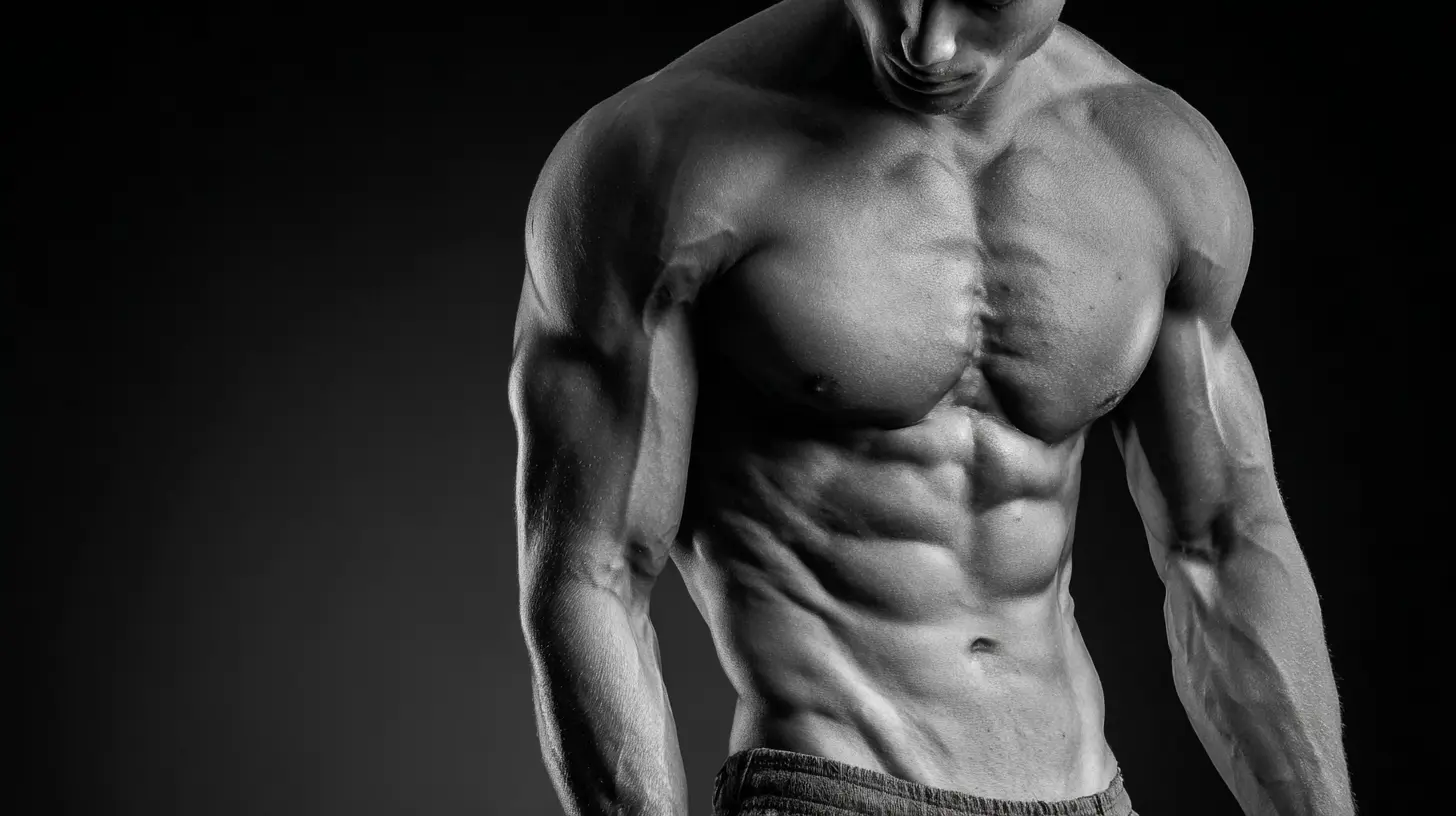
The Calorie Game: You Need a Deficit
Once you’ve built a solid muscular foundation, the next step is cutting — which means creating a caloric deficit.This is where most people mess up. They drop calories too low too fast, lose energy, and start burning precious muscle along with fat. The goal is to preserve muscle while cutting fat. Save the crash diets for wedding season; we’re playing a longer, smarter game here.
Tips for an Effective Caloric Deficit:
- Reduce calorie intake by 15-20% to start- Adjust gradually every 2-3 weeks based on progress
- Use a macro-based approach: higher protein, moderate carbs, lower fats
- Monitor biofeedback: energy, sleep, mood, and strength

Macros Matter: Eat Like You Lift
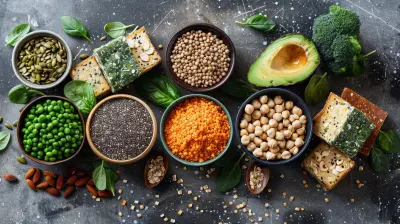
You might’ve heard it a million times, but it still holds true – abs are made in the kitchen.For training for definition, your nutrition strategy needs to support fat loss while keeping your muscle tissue intact.
Protein: Your Shred’s Best Friend
Aim for 1.0 to 1.2 grams of protein per pound of body weight per day. This helps maintain lean muscle mass and keeps you feeling fuller for longer (trust me, hunger will be real).Carbs: Your Energy Source (Not the Enemy!)
Carbohydrates aren’t the villain. When timed right—around workouts especially—they help fuel performance and preserve muscle.Fats: Hormonal Harmony
Don’t cut out fats entirely. Your hormones depend on it. Stick with healthy fats from sources like avocados, nuts, and olive oil, keeping it around 20-30% of your total intake.Training for Definition: Lift with Intention
Alright. We’ve talked food. Now let’s talk gym time.Here’s where we flip the script. Training for size often involves heavier lifts, longer rest periods, and lower reps. When you’re dialing in training for definition, your focus shifts to:
- Volume
- Intensity
- Time under tension
- Muscle isolation
High Reps, Moderate Weight
We're talking 10–15 reps, sometimes even up to 20. The idea is to keep the muscles under tension for longer, which enhances metabolic stress and encourages increased blood flow (hello, pump!).Shorter Rest Times
Cutting rest between sets to 30–60 seconds will keep your heart rate up and push your conditioning. Think of your workout like cardio with weights — your sweat game should be strong.Technique Over Ego
Let go of the “how much can I bench?” mentality. Focus on form, mind-muscle connection, and movement control. Every rep should be a mini masterpiece.Cardio: The Underrated Fat-Stripping Tool
Cardio doesn’t mean living on a treadmill. But when it comes to revealing muscle, calorie burn matters.You’ve got two main options here:
Steady-State Cardio (LISS)
Good ol’ steady runs, cycling, or incline walks. Less taxing on recovery and easy to do in a fasted state. Great for early mornings.High-Intensity Interval Training (HIIT)
Short, intense bouts of work followed by rest. More efficient, burns calories even after the workout ends, and keeps your metabolism spiked.> "Think of LISS as the slow burn and HIIT as the controlled explosion."
Both have their place in your training schedule. Choose based on your time, energy, and how your body responds.
The Importance of Recovery
Let’s face it: shredding can be demanding. Between calorie deficits, hard workouts, and cardio, your body needs time to rebuild.Here’s what recovery looks like:
- 7-9 hours of quality sleep.
- Active recovery days: light walking, stretching, mobility work.
- Manage stress — cortisol is a sneaky fat-hoarder.
Listen to your body. If your performance is tanking or you're always sore, it's time to back off a bit.
Supplements: The Cherry on Top
Do you need supplements? No. Can they help? Definitely — if you’ve dialed in the basics.Here are a few worth considering:
- Whey Protein: Easy way to hit daily targets.
- Creatine: Helps preserve strength and muscle fullness, even during a cut.
- Caffeine/Pre-workout: Boosts workout intensity when calories are low.
- EAAs/BCAAs: May help during fasted training, though not essential if protein intake is solid.
- Fish Oil: Reduces inflammation and supports heart health.
Just remember — supplements supplement, they don’t substitute.
The Mental Side: Stay the Course
Truth bomb: getting shredded requires patience.There will be cravings. There will be days you feel flat. There will be plateaus.
But that’s all part of the process. You’re transforming your body at a cellular level, not slapping on a filter for Instagram.
Celebrate small wins — the new vein in your bicep, the dip in your shoulders, that notch tighter on your belt. These things add up.
> “Definition isn’t just about discipline. It’s about consistency powered by a crystal-clear goal.”
Final Thoughts: Are You Ready to Get Shredded?
Training for definition is more than just flipping a switch from “bulk” to “cut.” It’s an art — one that fuses smart training, strategic eating, and mental toughness.If you’re willing to sacrifice some comfort, stay consistent with your workouts, and clean up your diet without falling into extremes, that shredded physique isn't just possible — it's inevitable.
No shortcuts. No magic pills. Just science, sweat, and a relentless drive.
So… are you ready to carve your masterpiece?
all images in this post were generated using AI tools
Category:
BodybuildingAuthor:

Laura Hudson
Discussion
rate this article
2 comments
Phaedra McAuley
Focus on form, not just weight.
June 18, 2026 at 4:52 AM
Laura Hudson
Absolutely, form is crucial. It ensures you target the right muscles and reduces the risk of injury. Quality over quantity always matters in training.
Elara Malone
Achieving a shredded physique requires dedication to training and nutrition. A balanced approach focusing on strength, conditioning, and diet can lead to great results.
May 11, 2026 at 4:21 AM
Laura Hudson
Absolutely. Commitment to training and a smart diet is essential for anyone looking to get shredded. The right balance makes all the difference.