Understanding Blood Pressure in Children and Adolescents
18 April 2026
Let’s get real—when most people think about blood pressure issues, they picture middle-aged adults clutching their chest after a salty fast-food meal. But here’s something that might surprise you: blood pressure problems don’t only affect adults. Yep, kids and teens can have them too. And it’s becoming more common thanks to lifestyle changes, obesity, and genetics.
So if you're a parent, caregiver, healthcare worker, or just curious, buckle up. We’re diving deep (and I mean deep) into the world of blood pressure in children and adolescents—without the boring medical jargon. I’m breaking it all down in a way that actually makes sense.
What Is Blood Pressure, Anyway?
Let’s start with the basics. Blood pressure is the force that your blood exerts against the walls of your arteries as your heart pumps it around your body. Think of it like water running through a garden hose. If there’s too much pressure, the hose might burst. Same deal with your arteries.Blood pressure is measured in two numbers:
- Systolic pressure (top number): This is the pressure when the heart beats and pumps blood.
- Diastolic pressure (bottom number): This is the pressure when the heart is resting between beats.
So if the doctor says your kid’s BP is 110/70 mmHg, that’s 110 systolic over 70 diastolic. Simple, right?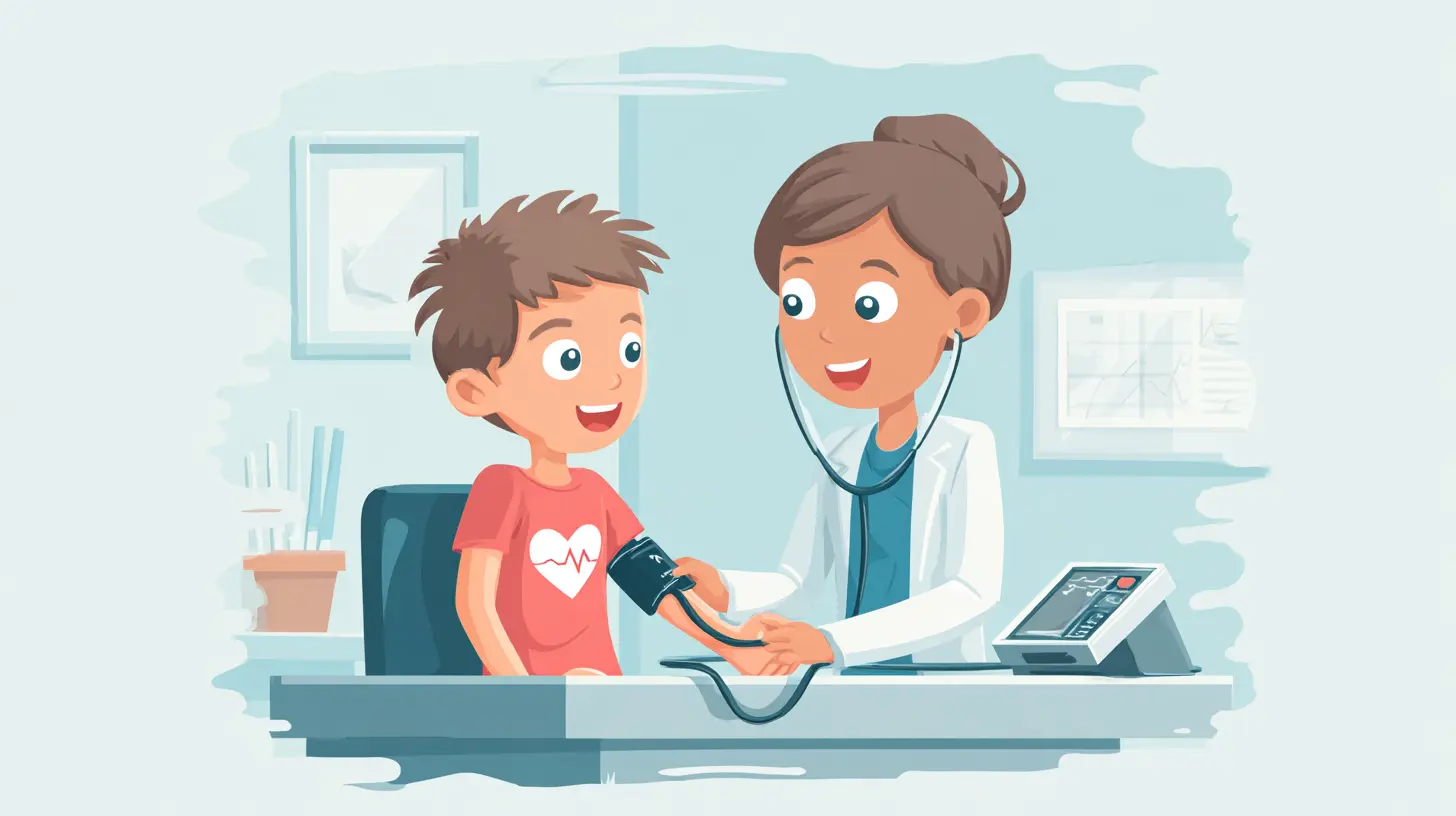
Wait, Don’t Kids Just Have Naturally Low Blood Pressure?
Yeah, kind of! Generally speaking, children have lower blood pressure than adults because they’re smaller and their hearts don’t have to work as hard. But here's the kicker: there’s no one-size-fits-all number for kids.Why? Because normal blood pressure in children varies based on age, sex, and height. That’s right—you can’t just Google “normal blood pressure for 10-year-old” and expect a straight answer. Pediatricians use blood pressure percentile charts to determine if a child’s BP is on track.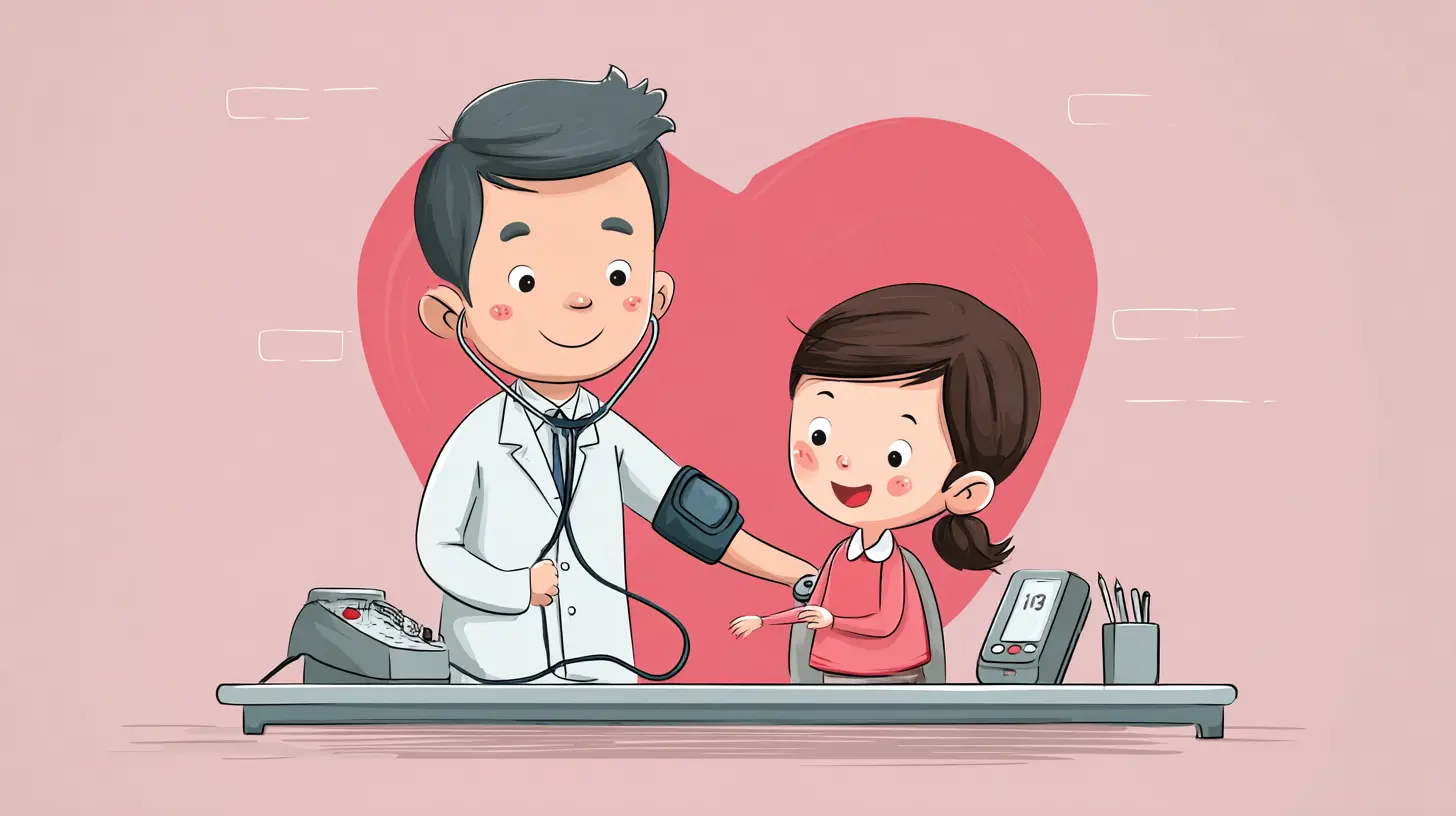
What’s Considered High Blood Pressure (Hypertension) in Kids?
Believe it or not, pediatric high blood pressure (aka pediatric hypertension) is a real thing. And it's on the rise, especially with childhood obesity taking center stage.Here’s the general breakdown:
- Normal: Below the 90th percentile for age, gender, and height.
- Elevated BP (prehypertension): 90th–95th percentile, or 120/80 mmHg to 129/80 mmHg for teens.
- Stage 1 Hypertension: 95th–99th percentile + 5 mmHg.
- Stage 2 Hypertension: Above the 99th percentile + 5 mmHg.
I know—those percentiles make it sound like math class. But pediatricians use these thresholds to decide when it’s time to take action.
Signs and Symptoms: Spoiler Alert, There Usually Aren’t Any
That’s the messed up part. High blood pressure is a silent ninja. Most kids with elevated BP don’t show obvious symptoms. Sometimes, if it’s really high, they might complain about:- Headaches
- Fatigue
- Nosebleeds
- Blurred vision
- Difficulty concentrating
But more often than not? It flies under the radar. That’s why regular checkups are so critical.
What Causes Abnormal Blood Pressure in Kids?
There are two types of hypertension in children:1. Primary (Essential) Hypertension
This is the “lifestyle-related” kind and it’s becoming more common in teens, especially with obesity rates spiking.Risk factors include:
- Overweight or obesity
- Lack of physical activity
- High-sodium diets
- Family history of hypertension
- Stress (yes, kids get stressed too—school, social media, you name it)
2. Secondary Hypertension
This one's rarer, but more serious. It’s usually tied to underlying health issues, like:- Kidney disease or abnormalities
- Heart defects
- Hormonal disorders
- Certain medications (like corticosteroids or ADHD meds)
So yeah—if a 7-year-old has high blood pressure, doctors will likely dig deeper.
Why Should You Even Care About BP in Kids?
Listen, I get it—if your kid seems healthy, it’s easy to brush off stuff like blood pressure. But here’s the harsh truth. High blood pressure in childhood can lead to full-blown cardiovascular disease in adulthood. It's like planting a seed that grows into a nasty, thorny bush later.Unchecked hypertension in kids can cause:
- Heart damage (left ventricular hypertrophy—a fancy way of saying the heart muscle gets too thick).
- Kidney problems
- Vision issues
- Cognitive challenges (poor memory, attention issues)
- Higher risk of stroke and heart attack as adults
It’s not just a "grown-up problem" anymore.
How Is High Blood Pressure in Kids Diagnosed?
Step one? Catching it early. That means:- Regular screenings starting at age 3 (earlier if there are risk factors)
- Use of proper BP cuffs that fit their arm size (no cheating with an adult cuff on a little arm)
- Multiple readings over different visits to confirm the diagnosis
Doctors also look at the child’s growth charts, medical history, and lifestyle before labeling them with hypertension.
Managing High Blood Pressure in Kids: No, It’s Not All About Pills
Here’s some good news: most kids with mildly elevated BP don’t need meds—at least, not right away. Lifestyle changes can work wonders if you commit to them.? Lifestyle Fixes That Actually Work:
- Healthy diet: Focus on fruits, veggies, whole grains, and low-fat dairy. Cut back on salty snacks and sugary drinks.- Weight management: If your child is overweight, shedding even a few pounds can drop their BP significantly.
- Physical activity: 60 minutes a day of movement can make a huge difference. No, scrolling TikTok doesn’t count.
- Screen time reduction: Less screen time = more time moving and sleeping right.
- Stress management: Yoga, journaling, counseling—whatever helps your child chill out.
? What About Meds?
Medications are usually reserved for:- Severe or Stage 2 hypertension
- Kids with secondary hypertension
- When lifestyle changes don't lower BP enough
Common meds include ACE inhibitors, beta-blockers, and calcium channel blockers. Of course, dosing is tailored for kids.
Low Blood Pressure in Kids: Is That Even a Thing?
Absolutely. While the spotlight is on high BP, low blood pressure (hypotension) can also be an issue, especially if it causes symptoms like:- Dizziness
- Fainting
- Cold extremities
- Fatigue
In most cases, slight drops in BP aren’t dangerous—especially during growth spurts or after standing too quickly. But if it’s persistent or severe, it needs medical attention.
Blood Pressure Checks Don’t Have to Be a Fight
Let’s be honest. Getting your kid to sit still for a blood pressure check can be... well, chaotic. But it doesn’t have to be a nightmare.Pro tips for parents:
- Let them know what to expect—no surprises.
- Practice deep breathing together before the measurement.
- Use the right cuff size.
- Make it part of a routine check-up so it becomes normal.
Consistency is key. One off-the-chart reading isn’t the end of the world, but regular monitoring is what paints the whole picture.
Final Thoughts: It’s Time to Take Pediatric BP Seriously
We’ve talked about a lot here—from what blood pressure is, to why it matters in young ones, to how to manage it. The bottom line? Your kid’s blood pressure deserves the same level of attention as their height, weight, and grades. It's not just numbers on a doctor’s clipboard—it’s a vital sign of their future health.So don’t wait until problems show up on the radar. Be proactive. Ask questions. Keep an eye on those numbers. After all, keeping their hearts healthy today means a stronger, safer tomorrow.
all images in this post were generated using AI tools
Category:
Blood PressureAuthor:

Laura Hudson
Discussion
rate this article
2 comments
Summer Vaughn
Blood pressure: teaching kids early so they don’t raise eyebrows later!
April 22, 2026 at 3:36 AM
Laura Hudson
Absolutely! Early education on blood pressure can set the foundation for lifelong health. It's crucial for kids to understand their bodies from a young age.
Stephanie Heath
Who knew blood pressure could be so complicated? Let’s keep our kids’ hearts healthy—because chasing them around is exhausting enough!
April 20, 2026 at 4:41 AM
Laura Hudson
Absolutely! Keeping our kids healthy is key, especially when they keep us on our toes!