Understanding Bone Health Beyond Calcium and Vitamin D
13 January 2026
When we think about bone health, calcium and vitamin D are usually the first things that come to mind. And while they're essential, they’re not the only nutrients that matter. Your bones are like the foundation of a house—strong when properly maintained, but weak and brittle when neglected.
So, what else should we focus on to keep our bones strong and resilient? There’s a whole world beyond calcium and vitamin D that plays a crucial role in bone health. Let’s dive into some lesser-known but equally important factors that contribute to strong and healthy bones.
Why Bone Health Matters More Than You Think
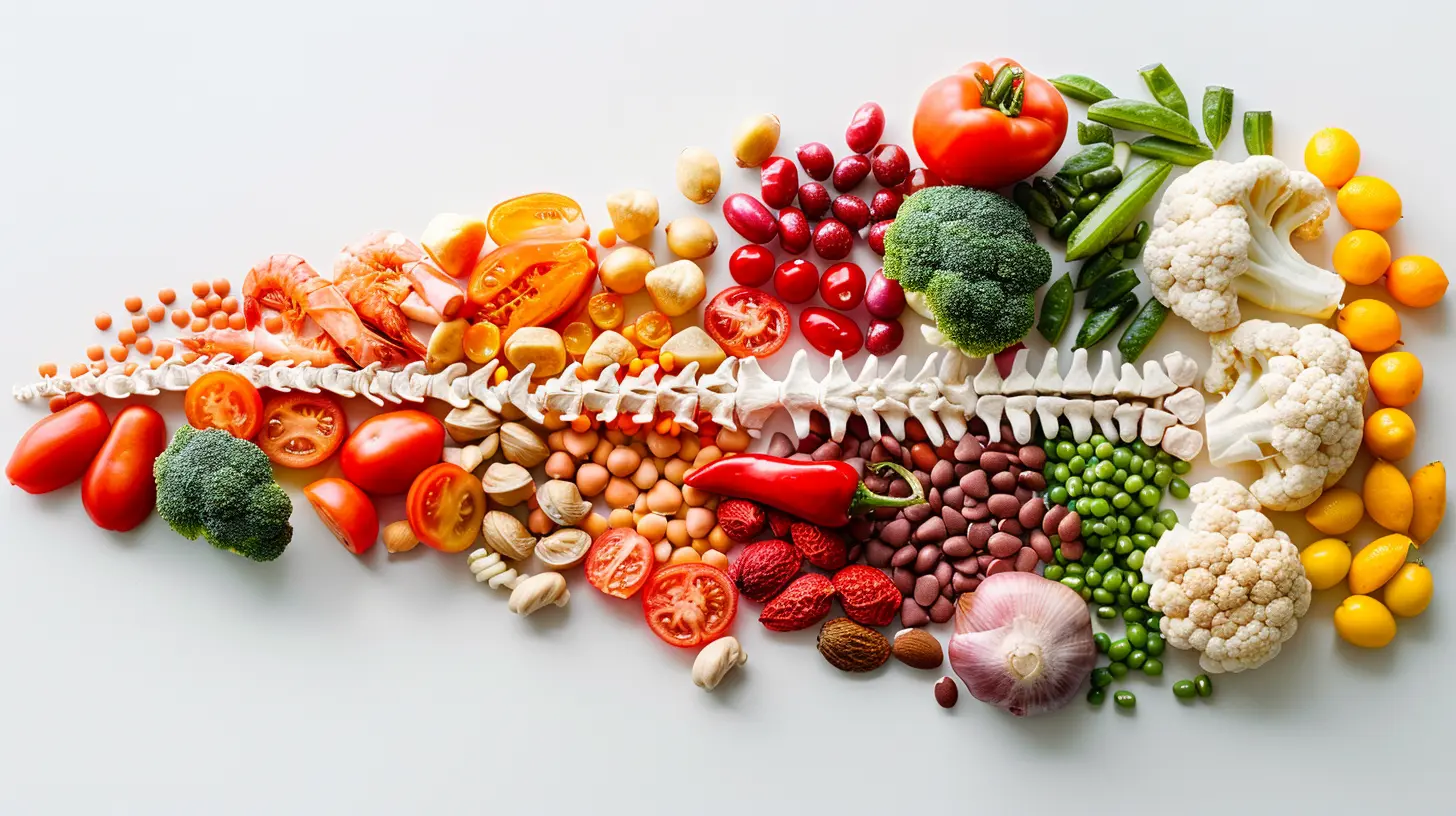
Bones do a lot more than just hold us up. They protect vital organs, anchor muscles, and store minerals that keep our bodies functioning properly. But over time, bone density naturally decreases, leading to conditions like osteoporosis, which makes bones fragile and prone to fractures.The good news? A well-rounded approach to bone health can help keep your skeleton strong for life. And no, it’s not just about drinking more milk! 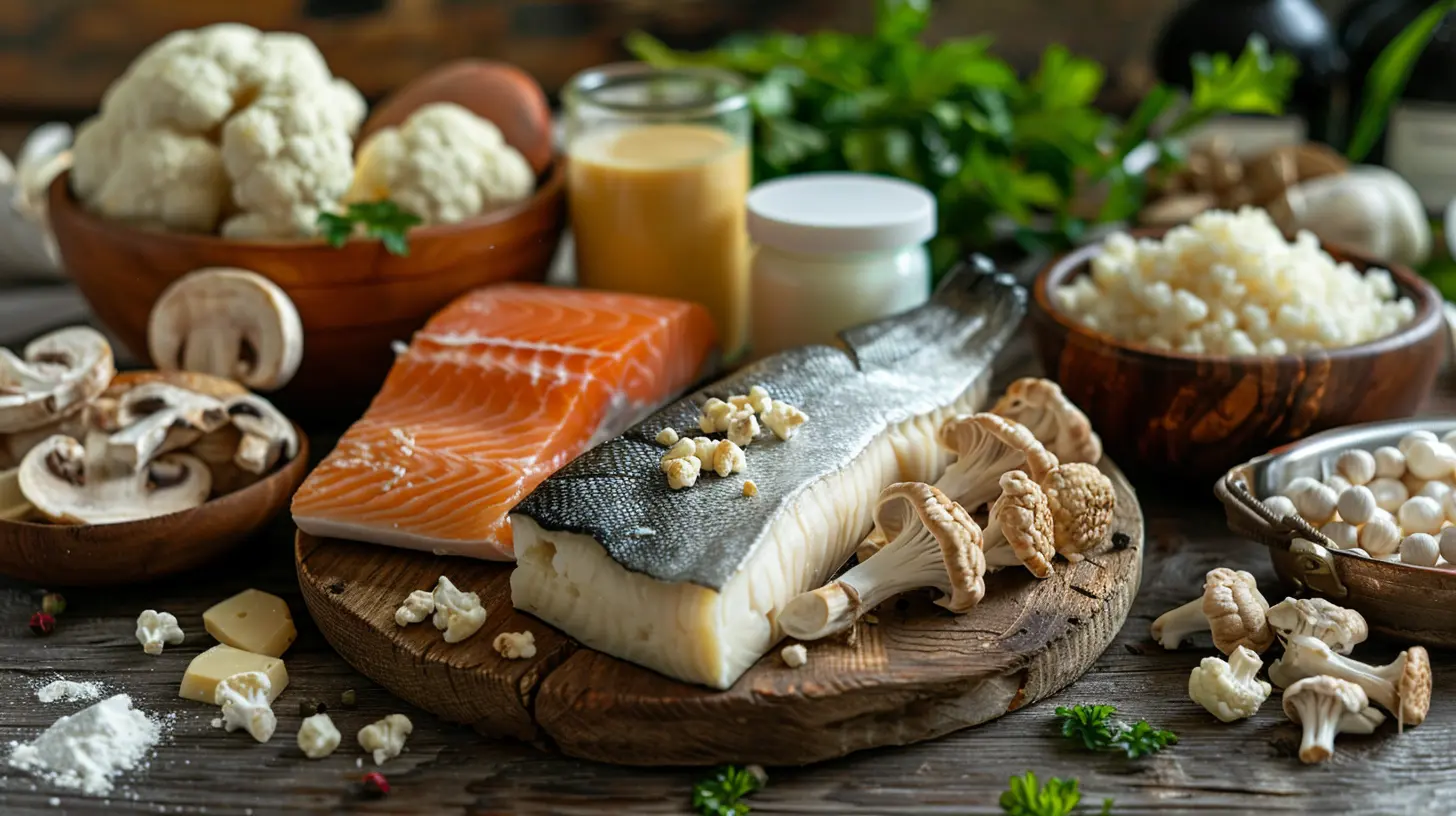
Beyond Calcium and Vitamin D: Other Key Nutrients for Strong Bones
1. Magnesium: The Unsung Hero of Bone Strength
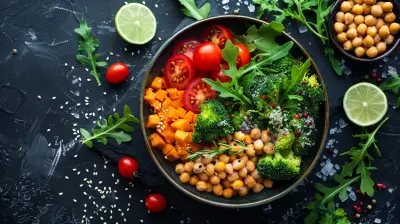
Did you know that about 50-60% of your body's magnesium is stored in your bones? Magnesium helps convert vitamin D into its active form, which boosts calcium absorption. Without enough magnesium, calcium wouldn’t be as effective in strengthening bones.Where to find it: Almonds, spinach, avocado, pumpkin seeds, and whole grains.
2. Vitamin K: The Bone Protector
Vitamin K plays a crucial role in bone metabolism. It helps activate osteocalcin, a protein that binds calcium to bones, making them stronger. A deficiency in vitamin K can lead to an increased risk of fractures.Where to find it: Leafy greens like kale, spinach, and Brussels sprouts, as well as fermented foods like natto.
3. Zinc: The Growth Booster
Zinc is essential for bone tissue growth and repair. It stimulates bone-building cells and helps prevent excessive bone breakdown. Studies have shown that a zinc deficiency can lead to weaker bones.Where to find it: Meat, shellfish, nuts, seeds, and legumes.
4. Potassium: The Bone Preserver
Potassium helps neutralize acids in the body that can cause calcium loss from bones. It’s like a protective shield against bone degradation. If you’re not getting enough potassium, you might be losing more calcium than you think.Where to find it: Bananas, oranges, potatoes, sweet potatoes, and beans.
5. Protein: The Building Block of Bones
Many people think protein is just for muscles, but bones need it too! Collagen, a major component of bone, is made up of protein. Without enough protein, bones can become brittle over time.Where to find it: Lean meats, fish, eggs, dairy, legumes, and nuts. 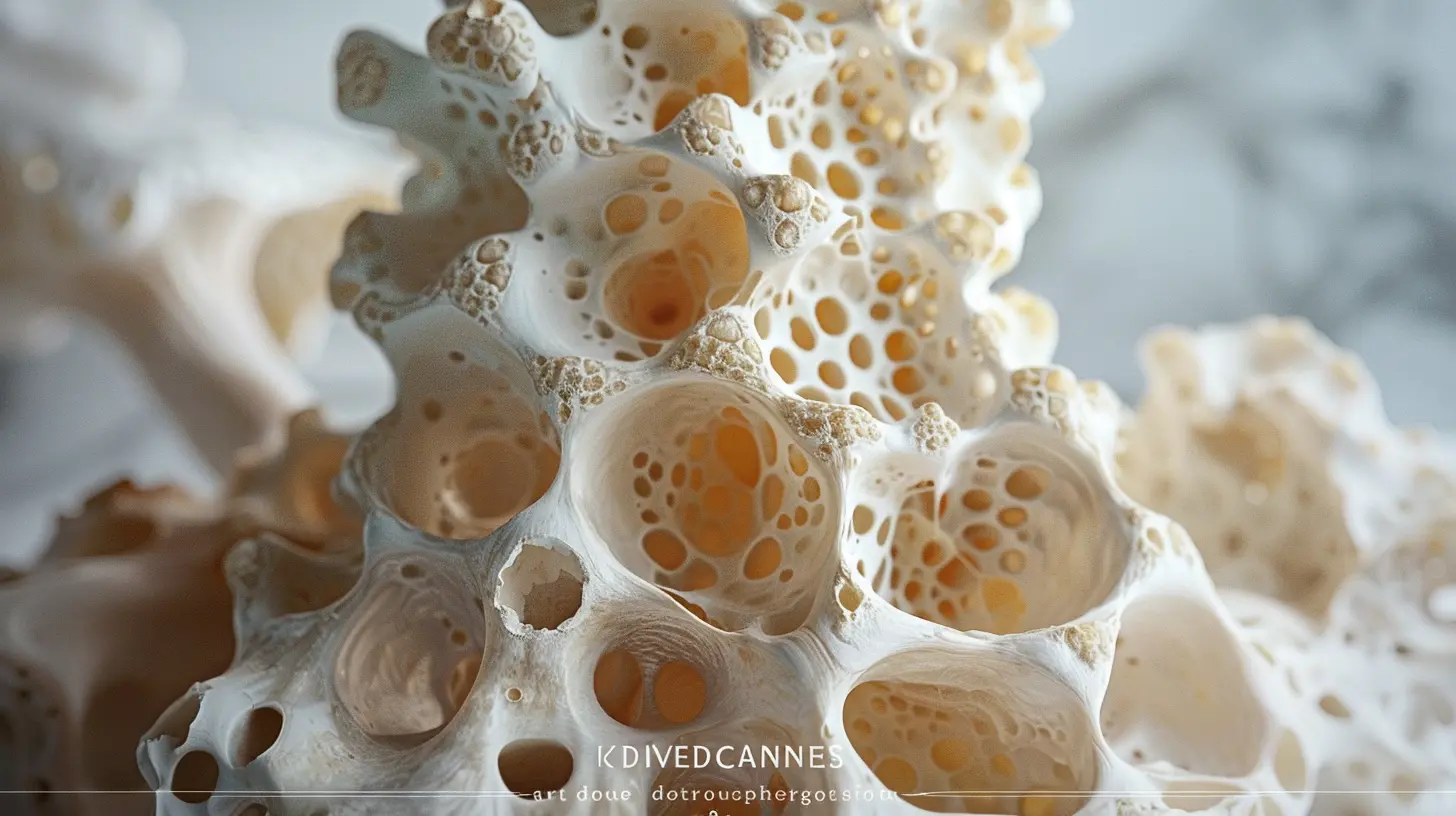
The Role of Physical Activity in Bone Health
It’s not just about what you eat—what you do matters too! Your bones thrive on movement. Just like muscles grow when you exercise, bones get stronger when they’re used.Weight-Bearing Exercises: The Bone Builders
Activities that put stress on your bones force them to adapt and become denser. This includes:✔️ Walking
✔️ Jogging
✔️ Dancing
✔️ Hiking
✔️ Jump rope
Strength Training: More Than Just Muscles
Lifting weights or doing resistance exercises helps improve bone density. When you lift weights, your muscles pull on your bones, signaling them to grow stronger.✔️ Squats
✔️ Push-ups
✔️ Lunges
✔️ Resistance band exercises 
The Impact of Lifestyle Choices on Bone Health
1. Limit Sugar and Processed Foods
Too much sugar and processed food can lead to inflammation and lower bone density. Plus, excessive sugar can cause your body to excrete more calcium through urine.2. Cut Back on Soda and Excess Caffeine
Phosphoric acid in soda can interfere with calcium absorption, and too much caffeine can leach calcium from your bones. Moderation is key!3. Get Enough Sleep
Your bones repair and regenerate while you sleep. Poor sleep quality has been linked to reduced bone density over time. Aim for 7-9 hours per night.4. Avoid Smoking and Limit Alcohol
Smoking slows down bone formation, while excessive alcohol consumption interferes with calcium absorption. If strong bones are your goal, it’s best to ditch these habits.Gut Health and Bone Health: A Surprising Connection
Your gut plays a huge role in how well your body absorbs bone-supporting nutrients. A healthy gut microbiome enhances the absorption of calcium, magnesium, and other minerals.How to Improve Gut Health for Better Bones
✔️ Eat fiber-rich foods (fruits, vegetables, whole grains)✔️ Consume fermented foods like yogurt, kefir, and sauerkraut
✔️ Avoid unnecessary antibiotics
✔️ Stay hydrated
Hormones and Their Effect on Bone Health
Hormones regulate bone remodeling. When they're out of balance, bones may suffer.Estrogen: The Bone Protector for Women
Estrogen plays a vital role in maintaining bone density. After menopause, estrogen levels drop, increasing the risk of osteoporosis. That's why it's important for women to pay extra attention to bone health as they age.Testosterone: Not Just for Muscles
Men need strong bones too! Testosterone helps maintain bone mass, and low levels can lead to increased bone loss. Strength training and a balanced diet can help keep testosterone levels in check.Putting It All Together: A Holistic Approach to Bone Health
To keep your bones healthy, you need to go beyond just calcium and vitamin D. Think of it like taking care of a garden—calcium and vitamin D are important, but without the right soil (other nutrients), sunlight (exercise), and water (healthy habits), your bones won’t thrive.The Best Daily Routine for Stronger Bones
✅ Eat a nutrient-rich diet with bone-supporting foods✅ Engage in weight-bearing and strength-training exercises
✅ Prioritize gut health for better nutrient absorption
✅ Get enough sleep and manage stress
✅ Avoid excessive sugar, caffeine, alcohol, and smoking
Your bones do a lot for you—it’s time to return the favor! Small, consistent changes can make a huge difference in your bone health over the years. Start today, and your future self will thank you.
all images in this post were generated using AI tools
Category:
Healthy BonesAuthor:

Laura Hudson
Discussion
rate this article
2 comments
Marlowe McLoughlin
Holistic approach vital for bone health.
January 21, 2026 at 4:47 AM
Laura Hudson
Thank you! A holistic approach indeed considers various factors like nutrition, exercise, and lifestyle for optimal bone health.
Easton Snyder
This article highlights essential factors for bone health, reminding us that it's a holistic approach, not just calcium.
January 13, 2026 at 4:59 PM
Laura Hudson
Thank you! I'm glad you found the article informative. Bone health truly requires a holistic approach beyond just calcium and vitamin D.