Understanding the Impact of Processed Foods on Your Health
3 July 2026
Welcome to a journey that winds through the kitchens of convenience, the aisles of temptation, and into the very core of what fuels our bodies—food. But not just any food. We’re talking about the bright-colored packages, the microwave-ready meals, the salty snacks whispering your name from the pantry. Yes, processed foods.
In a world that spins faster by the day, processed foods might seem like the loyal friend who’s always there for you when time runs short. But is that friend truly looking out for your best interests? Let’s pull back the curtain and shine some light on the truth... poetic, raw, and real.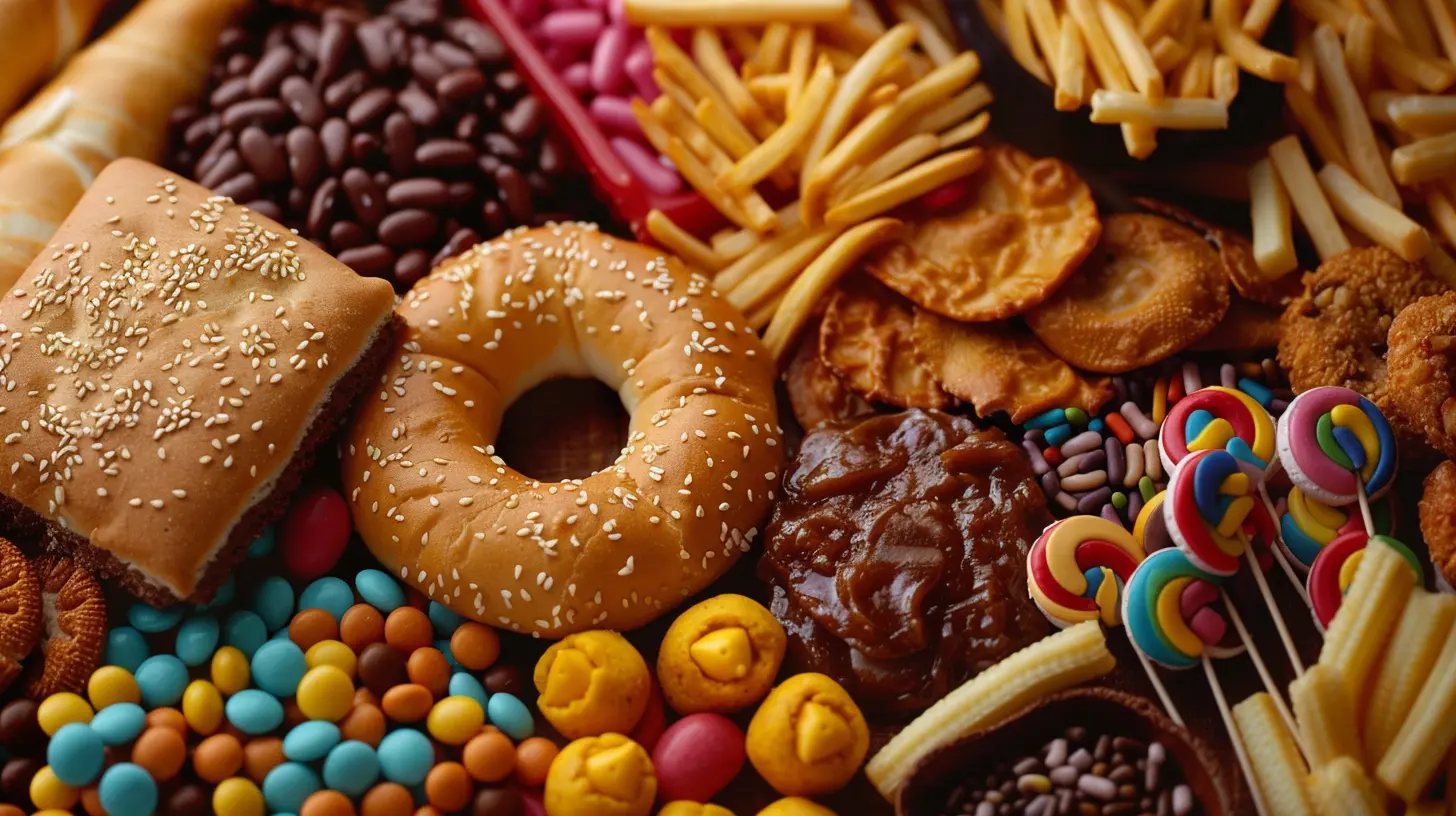
The Allure of the Pre-Packaged Symphony
Picture this: you walk into a grocery store after a long day. You're tired, hungry, and slightly irritable. Suddenly, your eyes catch a glimmering bag of chips or a microwaveable meal promising “hearty goodness in just 90 seconds!” It's like music to your exhausted soul.Processed foods dance with flavor, convenience, and affordability. They're the sirens singing sweet songs of ease, but just like in the old myths, those songs carry consequences.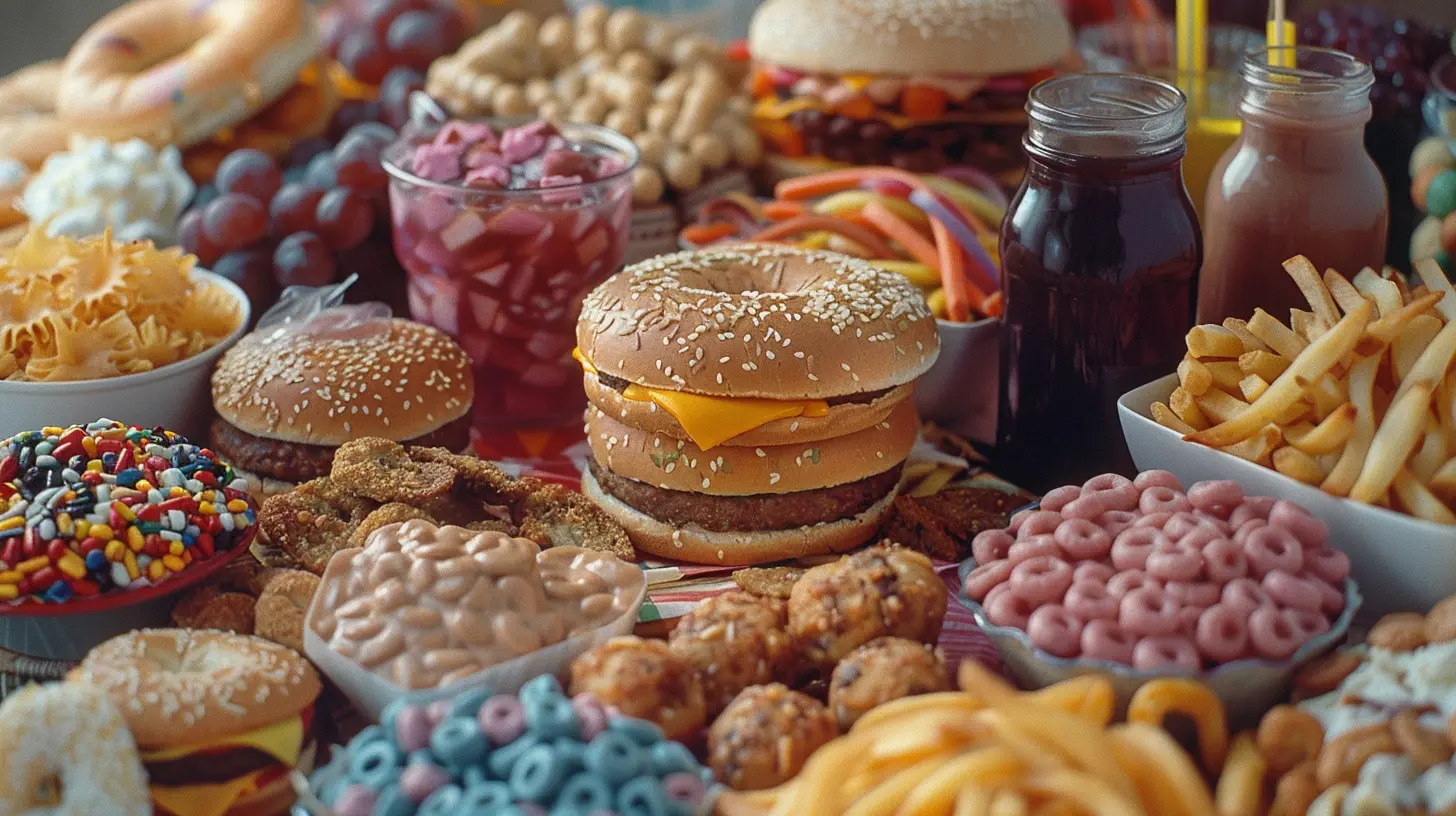
What Are Processed Foods, Really?
Before we dive into the impact, let’s clear up what we mean by “processed.” Not all processing is evil—after all, chopping a carrot or freezing peas counts as processing too. But what really sets ultra-processed foods apart?Ultra-Processed Foods (UPFs) are the ones that have been significantly altered from their original form using additives, preservatives, colorings, emulsifiers, and artificial flavors. These foods are usually loaded with sugar, unhealthy fats, and sodium.
Think:
- Sugary breakfast cereals
- Packaged snacks and cookies
- Instant noodles
- Soft drinks
- Frozen pizzas
- Ready-to-eat meals
Sound familiar?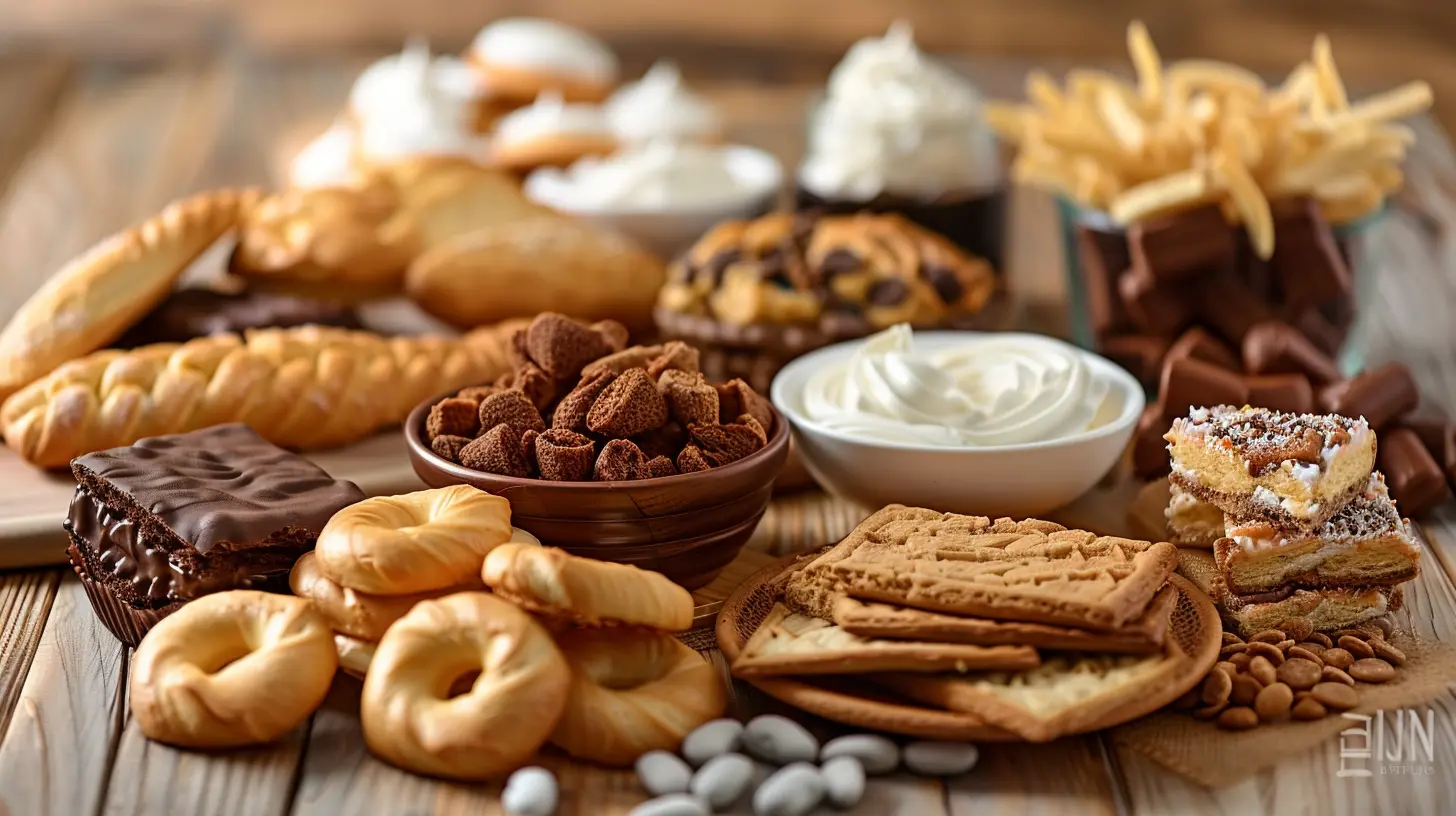
The Hidden Ingredients: More Than Meets the Eye
Ever flipped over a snack package only to be hit by a wall of words that sound more like a chemistry experiment than food?That’s no accident.
Manufacturers often pack these foods with ingredients that your grandmother wouldn’t recognize:
- High-fructose corn syrup (sugar in disguise)
- Monosodium glutamate (MSG) (the flavor enhancer)
- Hydrogenated oils (hello, trans fats!)
- Artificial sweeteners (they trick your brain into wanting more)
These ingredients do more than just stretch the shelf life—they stretch your appetite and shrink your health.
How Processed Foods Affect Your Body: The Chain Reaction
Let’s talk impact. Because what you put in your mouth becomes the energy your body uses to think, beat, breathe, and thrive. When that fuel is faulty, everything starts to stutter.1. ? Weight Gain and Obesity
Processed foods are often calorie-dense but nutrient-poor. That means you eat more, feel less full, and crave even more shortly after. It’s a vicious cycle.Ever notice how it's easier to eat a whole bag of chips than a bowl of salad? That's because ultra-processed foods are designed to override your natural hunger signals.
A study even showed that people eating ultra-processed foods consumed 500 more calories per day than those eating whole foods. Ouch.
2. ? Heart Disease and High Blood Pressure
Processed foods love to sneak in sodium like an invisible intruder. A single frozen meal might have more salt than you should eat in an entire day.High sodium = high blood pressure = stressed-out heart.
Also, those sneaky trans fats and refined sugars inflame your blood vessels, pump up your bad cholesterol (LDL), and lower the good (HDL). That’s like replacing motor oil with sludge in your car’s engine.
3. ? Insulin Resistance and Type 2 Diabetes
Excess sugar from processed foods gets dumped into your bloodstream like glitter at a toddler’s birthday party—everywhere and impossible to clean up.Over time, your body stops responding properly to insulin. That’s when blood sugar levels stay high, paving the way for type 2 diabetes.
It’s not just the sweets—white bread, white rice, and most processed carbs act like sugar bombs too.
4. ? Mental Health: Food for Thought
You are what you eat… so if you’re eating junk, how do you think that affects your mind?Studies have linked ultra-processed diets with higher risk of depression, anxiety, and mood swings. Why? Because your gut and your brain are deeply connected. Poor gut health equals poor mental health. And processed foods? They’re like a wrecking ball to the gut.
5. ?️ Weakened Immune System
Your immune system thrives on vitamins, minerals, and antioxidants. Processed foods don’t offer much of those. Instead, they distract your immune system by triggering chronic inflammation—a silent fire burning inside your body, leading to all kinds of diseases.The Addictive Nature of Processed Foods
Let’s not sugarcoat it (pun intended). Processed foods are engineered to be addictive. That combo of salt, sugar, and fat? It lights up your brain’s reward center like a slot machine jackpot.Your brain screams, “More, please!” after just one bite. That’s not willpower weakness. That’s science.
And like any addiction, the more you have, the more you need to feel the same satisfaction. It's a trap dressed in crinkly plastic.
Why We Keep Going Back: The Emotional Connection
Let’s be real. Food isn’t just fuel. It’s comfort. It’s memories. It's your grandma’s cookies and Friday night pizza.Processed foods often hook into those emotions. When you're stressed, lonely, or tired, it’s easier to grab a cookie than make a salad.
But here’s the thing—we need to separate nourishment from numbing.
How to Break Free from the Processed Food Loop
It’s not about guilt. It’s about awareness. You’re not broken for craving fries or enjoying donuts. The goal isn’t perfection—it’s intention.1. ? Cook More at Home
Even simple meals at home are a massive upgrade over processed options. Roast some veggies. Scramble some eggs. Cook quinoa. It doesn’t need to be fancy.2. ? Read Labels
If you can’t pronounce it or don’t know what it is, maybe your body doesn’t need it either.Look for:
- Short ingredient lists
- Real food you recognize
- Low added sugar (under 5g per serving is a good aim)
3. ? Snack Smarter
Reach for nuts, fruit, yogurt, or boiled eggs instead of chips or processed bars. Think “single ingredient” foods.4. ? Hydrate
Sometimes you’re just thirsty, not hungry. But guess what? Dehydration mimics hunger. Sip water throughout the day.5. ? Rewire Your Mindset
Reward yourself with experiences, not food. Take a walk. Call a friend. Treat your body like someone you love. Because you should.It’s an Inside Job
Understanding the impact of processed foods is like peeling back the layers of an onion. At first, there's shock, maybe some tears. But as you dig deeper, you find clarity and control.Food is power. And every bite is a vote for the kind of life you want to lead.
You don’t have to give up ice cream forever. You just don’t want it to define your diet. Let it be the exception, not the rule.
Your Health Is Worth the Effort
Processed foods might be fast, easy, and cheap—but your health?That’s priceless.
So next time you reach for the snack that guarantees “flavor explosion,” ask yourself: is it your body that’s hungry, or your emotions looking for a quick fix?
Choose whole. Choose real. Choose you.
Final Thoughts
The truth about processed foods isn’t wrapped in mystery—it’s wrapped in plastic. It’s been engineered, packaged, and marketed for maximum appeal. But you’ve got something stronger than any marketing strategy—awareness.You have the power to change your plate. And when you change your plate, you change your energy, your glow, your entire existence.
So, the next time you shop, cook, or bite into something, remember: your body is listening to every single thing you feed it. Make it a love song, not just background noise.
all images in this post were generated using AI tools
Category:
Healthy LifestyleAuthor:

Laura Hudson
Discussion
rate this article
1 comments
Buzz McKnight
Processed foods can sneak into our diets without us noticing. Their additives and high sugar levels can lead to many health issues. It's crucial to read labels and make informed choices for better overall health and well-being.
July 4, 2026 at 2:56 AM
Laura Hudson
You're right. Staying informed about what we eat is key to maintaining our health. Reading labels helps us make better choices.